Expert Interview: Master the Art for Career Success
Discover how to prepare for and conduct an expert interview effectively. Learn proven strategies, questioning techniques, and best practices.
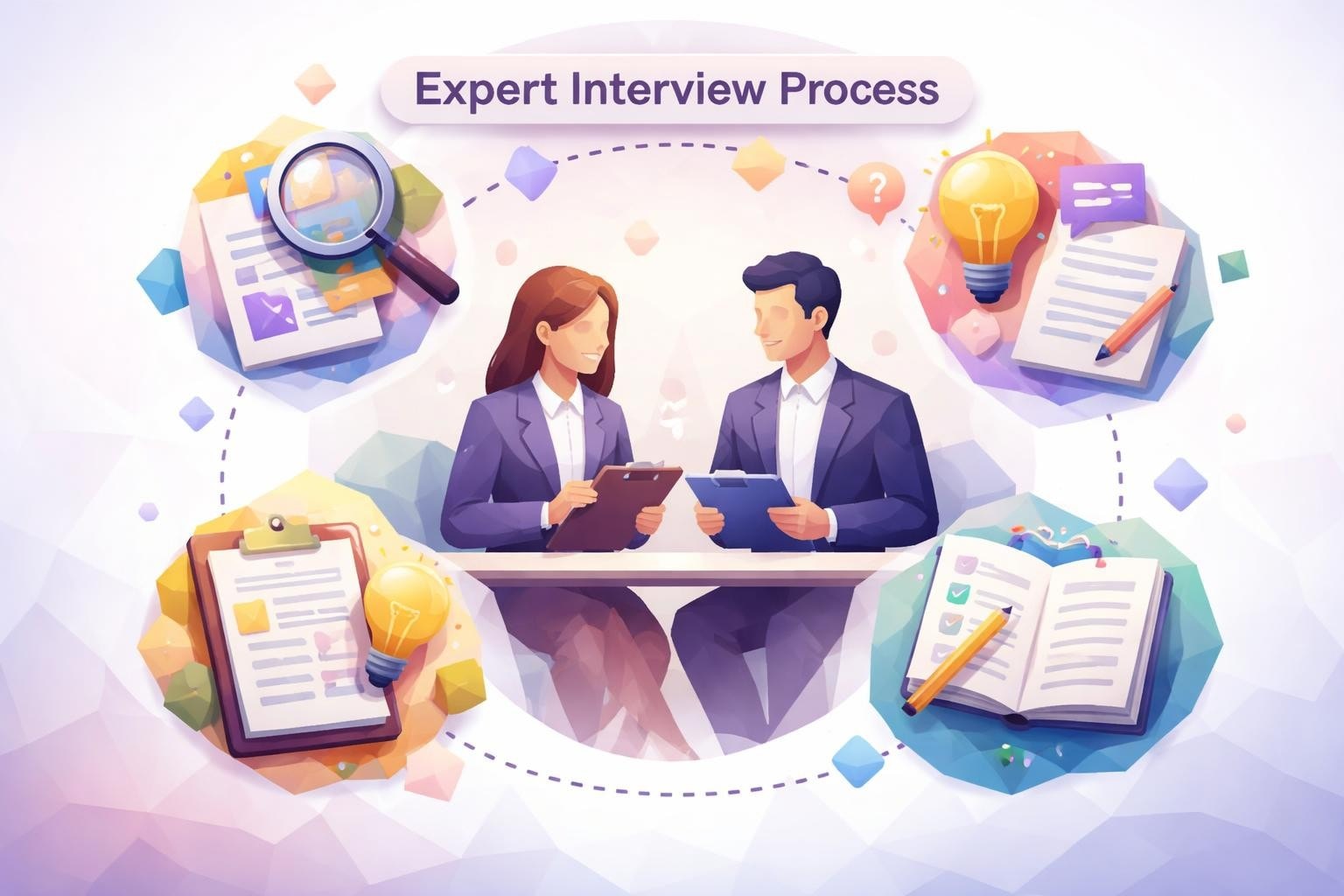
An expert interview represents one of the most valuable opportunities in your professional journey. Whether you're conducting informational interviews to break into a new industry, participating in job interviews where you'll meet with senior leaders, or preparing to speak with subject matter experts as part of your career research, mastering this skill can dramatically accelerate your career trajectory. The ability to extract meaningful insights, build professional relationships, and demonstrate your own competence during these conversations separates high-performing professionals from the rest.
Understanding the Expert Interview Framework
The expert interview serves multiple critical functions in career development and professional growth. At its core, this interaction creates a structured dialogue between someone seeking knowledge and someone possessing specialized expertise.
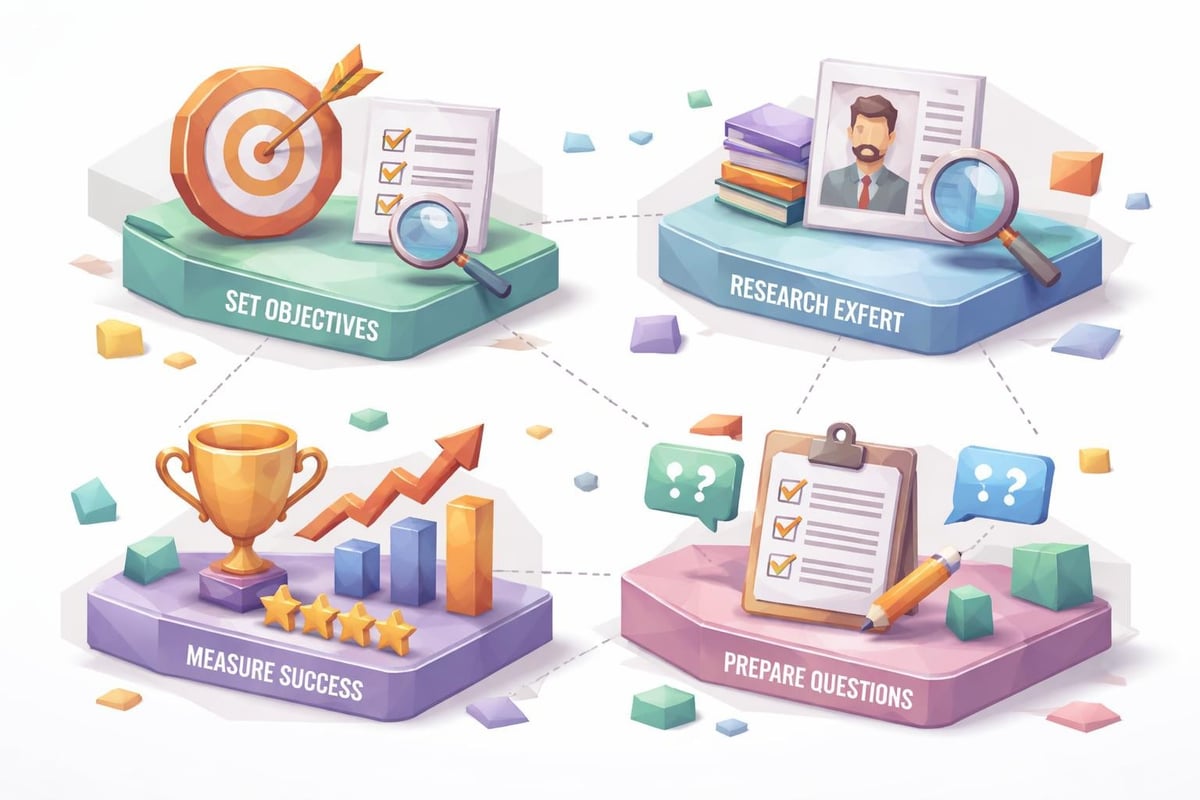
Defining Your Interview Objectives
Before engaging in any expert interview, you must establish clear, measurable objectives. These goals shape every aspect of your preparation and execution strategy.
Primary objectives typically include:
- Gaining industry-specific insights unavailable through conventional research
- Understanding unwritten rules and cultural norms within organizations
- Validating career decisions through firsthand perspectives
- Building professional relationships that may lead to opportunities
- Developing a nuanced understanding of role requirements and expectations
When you approach an expert interview with defined objectives, you create focus that respects both your time and the expert's availability. This clarity demonstrates professionalism and increases the likelihood of productive outcomes.
Identifying the Right Experts
Not every professional qualifies as the right expert for your specific needs. The selection process requires strategic thinking about who possesses the precise knowledge you're seeking.
Consider these selection criteria when identifying potential experts:
- Relevance of experience to your current career stage or target role
- Recency of expertise in rapidly evolving fields
- Diversity of perspective to avoid confirmation bias
- Accessibility through your existing network or public channels
- Communication style that matches your learning preferences
The most effective expert interviews often come from connections who sit one or two degrees of separation from you in your professional network. These individuals are close enough to be approachable yet distant enough to offer fresh perspectives.
Preparing for Maximum Impact
Preparation distinguishes amateur conversations from professional expert interviews. The time invested before the actual discussion directly correlates with the value you'll extract from the interaction.
Research and Background Analysis
Thorough research demonstrates respect for the expert's time while enabling you to ask sophisticated, targeted questions. Effectively conducting an expert interview requires understanding the expert's professional background, published work, and current focus areas.
Essential research elements include:
| Research Area | Information to Gather | Where to Find It |
|---|---|---|
| Professional History | Career trajectory, key positions, achievements | LinkedIn, company websites, professional bios |
| Expertise Areas | Specific domains, certifications, publications | Academic databases, industry publications, conference programs |
| Current Projects | Recent work, initiatives, public statements | Social media, press releases, podcast appearances |
| Industry Context | Market trends, challenges, opportunities | Trade publications, analyst reports, news articles |
This preparation enables you to skip basic questions and dive directly into meaningful dialogue. When you reference specific projects or perspectives the expert has shared publicly, you establish credibility immediately.
Crafting Strategic Questions
Question development represents the most critical preparation activity. Best practices when conducting an expert interview emphasize the importance of open-ended questions that encourage detailed responses rather than simple yes or no answers.
Effective question categories include:
- Experience-based questions that tap into specific situations the expert has navigated
- Predictive questions about industry trends and future developments
- Process questions that reveal how the expert approaches common challenges
- Comparative questions that explore differences between approaches or contexts
- Reflection questions that encourage the expert to share lessons learned
Avoid questions easily answered through basic research. Instead, focus on queries that only someone with the expert's specific experience can address comprehensively.
Executing the Expert Interview
The interview itself requires balancing structure with flexibility. While your preparation provides a framework, the most valuable insights often emerge from unexpected conversational directions.
Creating the Right Environment
Whether conducting the expert interview virtually or in person, environmental factors significantly impact the quality of the exchange. For virtual meetings, test your technology beforehand and choose a quiet location with reliable internet connectivity.
Professional presentation matters. Dress appropriately for the expert's industry context, arrive early to demonstrate respect for their time, and have your materials organized for easy reference without distraction.
Active Listening and Adaptive Questioning
Interviewing subject matter experts effectively demands active listening that goes beyond waiting for your turn to speak. This means processing the expert's responses in real time and adjusting your follow-up questions accordingly.
Implement these active listening techniques:
- Paraphrase key points to confirm understanding
- Identify implicit assumptions underlying the expert's statements
- Notice emotional emphasis on particular topics
- Track unexpected tangents that may reveal valuable insights
- Connect responses to earlier points in the conversation
The best expert interviews feel like natural conversations rather than rigid question-and-answer sessions. Allow the discussion to flow while gently steering back to your core objectives when necessary.

Documenting Insights Effectively
Capturing information during an expert interview requires a system that doesn't interfere with engagement. Mastering expert interviews for researchers includes developing efficient note-taking methods.
Consider these documentation approaches:
- Audio recording (with explicit permission) for later review and transcription
- Bullet-point notes focusing on key insights rather than verbatim transcription
- Mind mapping to capture connections between concepts
- Digital note-taking tools that allow tagging and categorization
- Post-interview summaries written immediately while details remain fresh
If you're preparing for job interviews, particularly with senior professionals, the interview preparation tools available through comprehensive platforms can help you practice these documentation skills before high-stakes conversations.
Maximizing Post-Interview Value
The expert interview doesn't end when the conversation concludes. Thoughtful follow-up and analysis amplify the value you derive from the interaction.
Immediate Follow-Up Actions
Within 24 hours of your expert interview, complete these critical steps:
Priority actions:
- Send a personalized thank-you message referencing specific insights discussed
- Share any resources you promised during the conversation
- Organize your notes while context remains fresh
- Identify action items based on the expert's recommendations
- Document new questions that emerged from the discussion
Guidelines for interviewing experts emphasize the importance of expressing genuine gratitude, which strengthens professional relationships and keeps doors open for future conversations.
Analyzing and Applying Insights
Transform raw interview data into actionable intelligence through systematic analysis. Create a structured framework for reviewing your notes and identifying patterns.
| Analysis Component | Key Questions | Application |
|---|---|---|
| Major Themes | What topics received the most emphasis? | Focus areas for skill development |
| Surprising Insights | What contradicted your assumptions? | Opportunities to adjust strategy |
| Practical Advice | What specific actions did the expert recommend? | Immediate implementation steps |
| Industry Trends | What changes is the expert anticipating? | Long-term career planning |
| Relationship Value | How can you maintain this connection? | Network development strategy |
For job seekers specifically, insights from expert interviews often reveal gaps in your application materials. Using ATS-optimized resume tools ensures your resume reflects the priorities and terminology experts emphasize in their field.
Building Your Expert Interview Skills
Like any professional competency, conducting effective expert interviews improves with deliberate practice and continuous refinement.
Developing Interview Confidence
Many professionals approach expert interviews with anxiety, particularly when speaking with senior leaders or industry luminaries. Building confidence requires reframing the interaction as mutual value creation rather than one-sided knowledge extraction.
The two-way guide for effective interviews highlights that experts often enjoy sharing their knowledge and perspectives with genuinely interested professionals. Your role is to create an engaging conversation, not to perform perfectly.
Confidence-building strategies include:
- Starting with lower-stakes expert interviews to develop your approach
- Practicing with peers who can provide constructive feedback
- Recording practice sessions to identify verbal tics and pacing issues
- Developing a pre-interview routine that centers your focus
- Remembering that the expert agreed to speak with you
For those preparing for formal job interviews, platforms offering comprehensive interview preparation provide structured practice opportunities that build the same skills required for expert interviews.
Continuous Improvement Framework
Treat each expert interview as a learning opportunity not just about the subject matter but about your interviewing technique itself. Ten tips for conducting the perfect expert interview include establishing a post-interview reflection practice.
After each expert interview, evaluate:
- Question effectiveness - Which questions generated the most valuable responses?
- Time management - Did you cover your priority topics within the allocated time?
- Rapport building - How well did you establish connection and trust?
- Active listening - Where did you miss opportunities for deeper exploration?
- Value delivery - What did you offer the expert in exchange for their time?
This self-assessment creates a continuous improvement loop that elevates your interviewing capabilities with each conversation.

Leveraging Expert Interviews for Career Acceleration
Strategic use of expert interviews creates compound advantages throughout your career journey. These conversations don't exist in isolation but form part of a comprehensive career development strategy.
Integrating Insights Across Your Job Search
When you're actively seeking new opportunities, expert interviews provide intelligence that differentiates your applications. Understanding industry pain points, emerging skill requirements, and cultural expectations allows you to tailor your materials with precision.
The insights from expert interviews should inform:
- Resume optimization emphasizing skills and experiences experts identified as valuable
- Cover letter narratives addressing challenges experts highlighted in the field
- Interview responses incorporating industry-specific language and perspectives
- Salary negotiations grounded in realistic market understanding
- Career trajectory planning aligned with industry evolution
Job seekers who combine expert interview insights with AI-powered resume optimization create application materials that resonate authentically with hiring decision-makers.
Building a Strategic Network
Each expert interview represents a potential relationship node in your professional network. These connections compound in value when nurtured thoughtfully over time.
Network cultivation strategies:
- Share relevant articles or resources with past interview subjects
- Congratulate experts on professional achievements you notice
- Offer your own expertise when you can provide value
- Request introductions to other experts when appropriate
- Maintain periodic contact without being transactional
The professionals who excel at expert interviews understand that today's informational conversation may evolve into tomorrow's job referral, partnership opportunity, or mentorship relationship.
Adapting Techniques for Different Interview Contexts
The core skills developed through expert interviews transfer directly to various professional situations. Whether you're interviewing for project manager positions or director-level roles, the ability to ask insightful questions and actively listen sets you apart.
Different contexts require slight modifications:
| Interview Type | Primary Focus | Key Adaptation |
|---|---|---|
| Informational | Knowledge gathering | Emphasize learning and curiosity |
| Job Interview | Mutual fit assessment | Balance questions with demonstrating value |
| Networking | Relationship building | Keep conversations conversational and reciprocal |
| Research | Data collection | Maintain consistent structure across interviews |
Understanding these nuances allows you to flex your approach while maintaining the fundamental principles that make expert interviews effective.
Advanced Expert Interview Strategies
As your skills develop, incorporating advanced techniques elevates the sophistication and value of your expert interviews.
Pattern Recognition Across Multiple Interviews
The step-by-step approach to expert interviews includes analyzing insights across multiple conversations to identify patterns that single interviews might miss. When you conduct several expert interviews within the same domain, look for consensus and divergence in perspectives.
Pattern analysis reveals:
- Universal truths endorsed by most or all experts
- Contested opinions where expert perspectives diverge
- Emerging trends mentioned by forward-thinking professionals
- Blind spots topics experts consistently overlook
- Obsolete assumptions beliefs that new evidence contradicts
This meta-analysis provides a more nuanced understanding than any single conversation can offer.
Asking the Unasked Questions
Truly exceptional expert interviews venture into territory others avoid. Key principles for interviewing subject matter experts include identifying and exploring questions that seem obvious but rarely get asked directly.
These might include:
- What advice would you give your younger self entering this field?
- What common wisdom in this industry do you privately disagree with?
- What skills do you wish you had developed earlier in your career?
- What questions should I be asking that I haven't thought to ask?
- What aspects of this role do people consistently underestimate?
Questions like these often produce the most memorable and actionable insights because they invite experts to share candid perspectives rather than rehearsed talking points.
Creating Value for the Expert
The most sustainable expert interview practice involves reciprocity. While you're extracting value from the expert's time and knowledge, consider what you can offer in return.
Value creation opportunities:
- Share your own expertise in areas complementary to the expert's work
- Introduce the expert to relevant connections in your network
- Provide feedback from a fresh perspective on their current projects
- Offer to volunteer time for causes or organizations they support
- Amplify their work through your own platforms and networks
This reciprocal approach transforms transactional conversations into meaningful professional relationships.
Mastering the expert interview gives you a competitive advantage throughout your career, providing insights and connections that accelerate your professional growth. Whether you're gathering intelligence for your job search, expanding your industry knowledge, or building relationships with leaders in your field, these conversations deliver outsized returns on time invested. CareerConcierge.io provides the comprehensive tools you need to translate expert interview insights into optimized resumes, compelling cover letters, and confident interview performance, helping you land the opportunities these valuable conversations reveal.