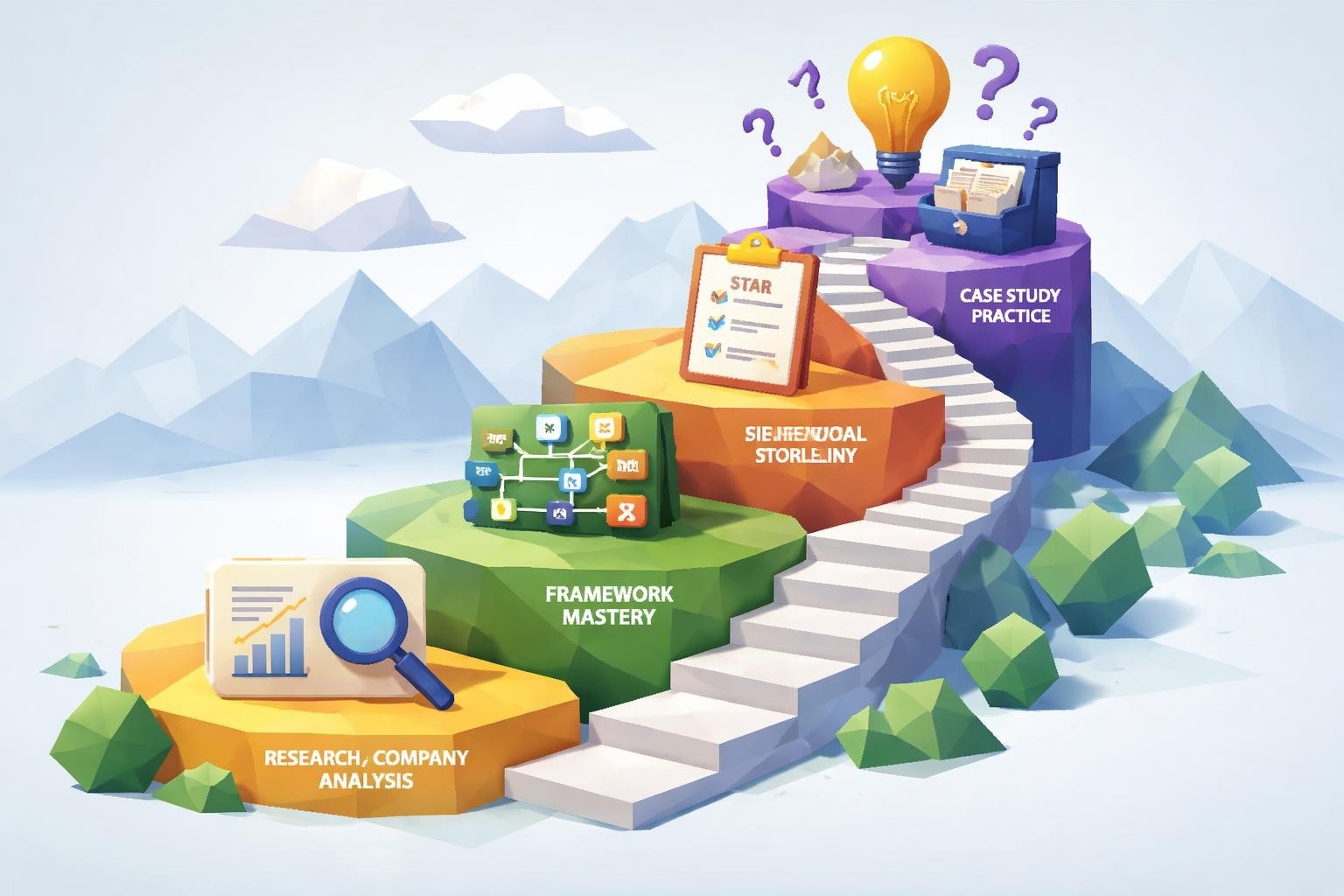
Ultimate Guide to McKinsey Case Prep for 2026 Success
Master McKinsey case prep for 2026 with proven strategies, expert tips, and the latest resources. Build confidence and stand out in your interviews.

Landing a McKinsey offer in 2026 requires more than ambition. Success depends on a strategic and tailored approach to mckinsey case prep, reflecting the firm's unique expectations and evolving interview techniques.
This ultimate guide demystifies the process, providing actionable steps, expert insights, and the latest resources to help you excel. You will learn the specific case format, master the interviewer-led style, and access proven tools for every stage of your journey.
Ready to stand out? Follow our roadmap to build confidence, avoid common pitfalls, and maximize your chances of acing the McKinsey interview in 2026.
Understanding the McKinsey Case Interview Format
Preparing for a McKinsey interview in 2026 means mastering a unique and rigorous process. The firm’s case interviews are distinct, structured, and designed to test both your problem-solving skills and your ability to communicate under pressure. Successful mckinsey case prep starts with understanding the format, the types of questions you’ll face, and the behavioral elements that set McKinsey apart.

The Interviewer-Led Case Approach
McKinsey interviews are renowned for their interviewer-led style, which is different from the interviewee-led format used by firms like BCG or Bain. In this setup, the interviewer controls the flow, presenting questions step by step and guiding you through the case. You’ll typically have one to two minutes to structure your response, followed by six to eight minutes of in-depth discussion.
Unlike the open-ended nature of other consulting firms, McKinsey expects candidates to demonstrate structured thinking, creativity, and the ability to break problems into MECE (Mutually Exclusive, Collectively Exhaustive) categories. Real cases, such as “Element Mobile Expands,” showcase how interviewers may shift focus quickly, requiring you to adapt and think on your feet.
Ex-McKinsey coaches emphasize the importance of focusing on the process rather than memorizing frameworks. Practicing real mckinsey case prep means learning to listen closely, clarify questions, and think aloud. For an in-depth analysis of this approach, see the Comprehensive McKinsey Case Interview Guide.
Key Components of a McKinsey Case
McKinsey cases come in various forms, including profitability analysis, market entry, operations, and non-traditional scenarios. Each case is broken down into several components:
- Problem structuring: Clearly defining the issue and outlining your approach.
- Data analysis: Interpreting charts, graphs, and tables under time pressure.
- Chart interpretation: Drawing insights from visual data quickly.
- Brainstorming: Generating creative, MECE solutions for unfamiliar problems.
A hallmark of mckinsey case prep is the use of first-principles thinking. Instead of relying on generic frameworks, you’re expected to build your logic from the ground up, as highlighted by StrategyCaseFlorian. Cases progress step by step, with interviewers probing your hypotheses and reasoning.
For example, a market sizing question might start with estimating the total population, then segmenting by relevant demographics, and finally applying logical assumptions to arrive at a robust answer. Practicing this structured, hypothesis-driven approach is essential for success.
The Personal Experience Interview (PEI)
Beyond technical problem-solving, McKinsey interviews include the Personal Experience Interview (PEI), a behavioral component unique to the firm. The PEI evaluates leadership, impact, drive, and resilience through in-depth storytelling.
Interviewers look for candidates who can articulate their experiences using structured frameworks like STAR (Situation, Task, Action, Result) or CE (Context, Example). Strong mckinsey case prep involves crafting three to five compelling stories that showcase your abilities in these areas.
Common PEI questions might include:
- Describe a time you led a team through a significant challenge.
- Tell me about a situation where you made a lasting impact.
- Share an example of when you overcame adversity.
According to PrepLounge coaches, candidates with well-developed PEI stories have an 88 percent offer rate. Focusing on clarity, specificity, and reflection in your answers can set you apart in the rigorous McKinsey selection process.
Step-by-Step McKinsey Case Prep Roadmap for 2026
A structured approach to mckinsey case prep is essential for interview success in 2026. Following a clear, step-by-step roadmap will help you build strong fundamentals, develop advanced skills, and master both the technical and personal aspects of the process. Here’s how to tackle each critical phase of your preparation.
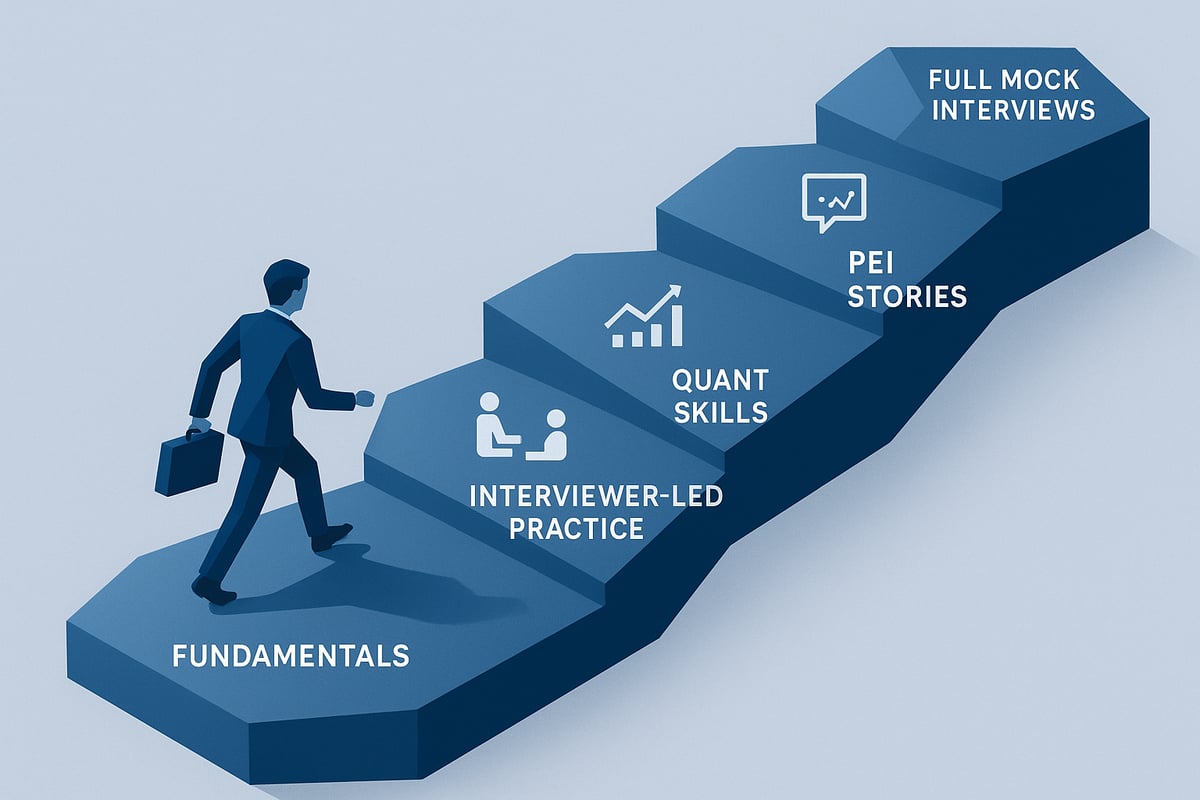
Step 1: Build Strong Case Fundamentals
Start your mckinsey case prep by mastering the essential business concepts that underpin most case interviews. Focus on profitability, market entry, operations, and market sizing. Develop a deep understanding of MECE (Mutually Exclusive, Collectively Exhaustive) structuring and hypothesis-driven problem solving, as these are cornerstones of the McKinsey approach.
Use reputable MBA casebooks from Columbia, Darden, Stern, and Haas to practice classic and contemporary cases. Avoid outdated frameworks, such as those criticized in "Case in Point," which may not align with McKinsey’s current style. Instead, prioritize first-principles thinking and dynamic frameworks.
For a comprehensive foundation, consult resources like the Comprehensive interview preparation guide, which covers essential strategies for building your base. For example, when structuring a market entry case, break the problem into MECE categories like market size, competitive landscape, and operational feasibility.
Step 2: Practice with Interviewer-Led Cases
The next phase of mckinsey case prep is to immerse yourself in interviewer-led case practice. McKinsey’s format requires you to respond to targeted questions and adapt quickly to new information, rather than driving the case yourself.
Seek out McKinsey-style cases from trusted sources such as PrepLounge and Management Consulted. Simulate real interview conditions by limiting structuring time to one or two minutes and focusing on clear, concise answers. Use AI-powered platforms like CaseTutor or Speakl.ai for targeted feedback and personalized drills.
Engage in peer practice through online boards or study groups. Practice expanding your answers when prompted with "what else?" to demonstrate breadth and creativity. Consistent exposure to this format will help you internalize the unique pace and expectations of McKinsey interviews.
Step 3: Develop Quantitative and Analytical Skills
Quantitative rigor is a hallmark of successful mckinsey case prep. Strengthen your mental math abilities using online drills such as the PrepLounge Mental Math Tool. Focus on interpreting complex charts and data under time constraints, as McKinsey often tests candidates with multifaceted exhibits.
Combine qualitative and quantitative reasoning by working through profitability and market sizing cases that require both types of analysis. Practice breaking down large data sets into manageable insights and communicating your findings clearly.
For instance, in a profitability case, analyze revenue streams, variable costs, and fixed costs using a step-by-step approach. Regular quant drills will sharpen your analytical edge and boost your confidence in high-pressure interview scenarios.
Step 4: Master the PEI and Communication Skills
A strong mckinsey case prep plan must include dedicated time for the Personal Experience Interview (PEI). Prepare three to five compelling stories that showcase leadership, impact, and resilience, using the STAR or CE (Context, Example) frameworks.
Practice telling your stories out loud, aiming for clarity, structure, and brevity. Seek feedback from peers or experienced coaches to refine your delivery and ensure your narratives are memorable. Work on your communication skills by focusing on logical flow, confident tone, and adaptability.
Transforming a generic leadership example into a McKinsey-ready story involves emphasizing your unique role, the challenges faced, and the specific results achieved. Strong PEI responses can significantly increase your overall offer rate.
Step 5: Simulate Full-Length Interviews
The final step in mckinsey case prep is to combine technical and behavioral practice in full-length mock interviews. Conduct sessions that include both a McKinsey-style case and a PEI segment to replicate the real interview experience.
Record your sessions for self-review, analyzing your performance and identifying areas for improvement. Actively seek feedback from ex-McKinsey coaches or experienced peers to gain targeted insights.
Use recent, relevant cases and PEI prompts to ensure your practice is up-to-date with current trends. This holistic approach will help you build stamina, refine your delivery, and approach your interviews with confidence.
Essential Resources and Tools for McKinsey Case Prep
A successful mckinsey case prep journey in 2026 starts with the right resources. With the interview landscape evolving rapidly, leveraging up-to-date guides, online platforms, and technology-driven tools can make the difference between a pass and a standout performance. Let’s explore the most effective resources to structure a comprehensive mckinsey case prep plan.

Top Case Books and Guides
Casebooks remain foundational for mckinsey case prep, especially when you need structured practice and exposure to real interview formats. Leading MBA casebooks from Columbia, Darden, Stern, and Haas are favorites for their diversity in math, structure, and creative approaches. These resources feature both classic profitability problems and more innovative, industry-specific scenarios.
Modern guides, such as "The 1%: Conquer Your Consulting Case Interview," shift the focus from memorizing frameworks to developing first-principles thinking. This approach aligns closely with how McKinsey evaluates candidates in 2026. Be cautious with older books like "Case in Point," as experts note their frameworks can feel outdated for current mckinsey case prep.
A table comparing top casebooks:
| Casebook | Strengths | Best For |
|---|---|---|
| Columbia | Structure, quant drills | Beginners, advanced |
| Darden | Breadth, creativity | Creative problem-solvers |
| Stern | Realism, variety | Real-world scenarios |
| Haas | Data analysis, charts | Analytical practice |
Online Platforms and Practice Communities
Online platforms are essential for mckinsey case prep. They offer real McKinsey-style cases, peer-to-peer practice, and access to expert coaching. PrepLounge stands out with its vast case library and active community. Management Consulted provides in-depth case libraries and practical tips.
For video-based learning, RocketBlocks and Prepmatter YouTube channels deliver walkthroughs and drills that mirror actual interviews. Looking for a curated resource library? CasePrepared.com, built by Wharton and MBB professionals, is highly recommended.
To discover more top-rated tools and sites, explore the best interview preparation websites, which provide comprehensive reviews and comparisons.
AI and Technology-Driven Prep Tools
Artificial intelligence is transforming mckinsey case prep. Platforms like Speakl.ai and CaseTutor.com use AI to simulate interviews, deliver adaptive feedback, and track your progress. PrepLounge’s AI Casebot helps you practice interviewer-led cases with realistic pacing and follow-up questions.
Benefits of AI-driven tools:
- Immediate, tailored feedback
- Affordable alternatives to private coaching
- Ability to target specific weaknesses
These technologies help you build both confidence and competence, making them a smart addition to your 2026 prep toolkit.
Podcasts, Forums, and Additional Learning
Staying informed and engaged is vital for mckinsey case prep. Podcasts such as "The Cold Call Podcast" keep you updated on industry trends and market sizing. Reddit’s r/consultingcareers forum connects you with peers, study partners, and crowdsourced advice.
LinkedIn groups and PrepLounge Q&A sections offer expert guidance and real candidate experiences. These resources broaden your perspective and help you adapt to new case types or industry shifts.
Selecting and Combining Resources
A balanced mckinsey case prep strategy means blending books, digital platforms, and practice sessions. Choose resources that fit your learning style and budget. For instance, combine casebooks for foundational knowledge, online platforms for interactive practice, and AI tools for targeted improvement.
A sample weekly plan might look like this:
- Early weeks: Read casebooks and solve basic cases
- Middle weeks: Use online platforms and AI tools for mock interviews
- Final weeks: Join peer practice groups and review feedback
This integrated approach ensures you cover all aspects of mckinsey case prep, leading to a confident and well-rounded interview performance.
Advanced Strategies for Standing Out in 2026 McKinsey Interviews
Standing out in 2026 McKinsey interviews requires more than technical competence. Candidates must demonstrate creativity, adaptability, composure under stress, and a commitment to continuous improvement throughout their mckinsey case prep journey. By mastering these advanced strategies, you can differentiate yourself in a highly competitive field.

Building Creativity and Depth in Case Answers
Success in mckinsey case prep hinges on moving beyond generic frameworks. Interviewers seek candidates who tailor their approach to each case, demonstrating both analytical rigor and creative problem-solving. Instead of applying a one-size-fits-all structure, break down problems using first-principles thinking and support your recommendations with real business examples.
Practice deep dives on core issues to show you can think critically and explore multiple angles. For example, when facing a non-traditional market entry case, consider not just market size and competition, but also regulatory shifts, technological disruptors, and customer behavior trends. Reviewing McKinsey's Interview Preparation Resources can offer insights into the types of creative thinking McKinsey values in candidates.
Navigating Unconventional and Industry-Specific Cases
Mckinsey case prep in 2026 will likely include cases from emerging industries or sectors you may not know well. Prepare by exposing yourself to a broad range of industries through podcasts, business news, and recent McKinsey publications. When you receive a case outside your comfort zone, approach it methodically.
Start by clarifying terms and objectives with the interviewer. Use structured brainstorming to identify potential drivers, even if you lack direct industry experience. For instance, in a digital transformation case, focus on customer impact, operational efficiency, and technology adoption as key themes. This approach shows adaptability, a trait McKinsey highly values.
Handling Stress and Time Pressure
The mckinsey case prep process is intentionally demanding, often simulating real client pressures. To excel, practice staying composed and organized during high-pressure situations. Use time-boxed drills to simulate interview conditions and develop routines for quickly structuring your thoughts.
If faced with a curveball question, pause briefly to regroup, then articulate your reasoning step by step. Techniques such as deep breathing and positive self-talk can help you maintain focus. Remember, interviewers are not just testing your answers, but also your ability to remain calm and logical under stress.
Feedback Loops and Continuous Improvement
Continuous improvement is at the heart of effective mckinsey case prep. Establish regular feedback loops by recording your mock interviews, soliciting input from experienced peers, or using AI-driven platforms for targeted analysis. After each session, review what went well and where you struggled.
Keep a prep log to track your progress and set SMART goals for each week. This habit ensures that you address weaknesses promptly and reinforce your strengths. Over time, structured feedback leads to measurable gains in both case performance and confidence.
Avoiding Common Pitfalls
Even the most diligent candidates can fall into common traps during mckinsey case prep. Over-relying on memorized frameworks, neglecting PEI preparation, or underestimating the nuances of interviewer-led cases can undermine your efforts. To avoid these pitfalls, balance your study plan between technical skill-building, communication practice, and personal story development.
Learn from the experiences of past candidates and adapt your approach as needed. Success stories often highlight the value of resilience and adaptability, especially when faced with unexpected challenges. By staying mindful of these pitfalls, you can ensure your preparation is both comprehensive and targeted.
Timeline and Actionable 2026 Prep Plan
A disciplined timeline is essential for successful mckinsey case prep. With 2026 interviews growing more competitive, a structured approach ensures you cover every critical area, build confidence, and avoid last-minute stress. Whether you are a student or a working professional, a clear roadmap is your best asset.
Setting a Realistic Prep Timeline
Most candidates should allocate 8 to 12 weeks for mckinsey case prep. This period allows you to build solid fundamentals, practice cases, and refine your PEI stories without burning out. Break your preparation into weekly milestones, focusing on one core skill at a time. For a detailed approach to structuring your study plan and balancing different activities, see the Consulting Interview Preparation Plan. Adjust your timeline if you have work or study commitments, but ensure you maintain steady momentum throughout.
Sample Weekly Study Schedule
A week-by-week plan keeps mckinsey case prep on track. Here is a sample structure:
| Weeks | Focus Areas |
|---|---|
| 1–2 | Business concepts, MECE structuring, basic cases |
| 3–5 | Interviewer-led practice, quant drills, PEI story drafts |
| 6–8 | Advanced cases, AI tools, peer/coach feedback |
| 9–10 | Full-length mocks, refine PEI, stress drills |
| 11–12 | Final review, targeted practice, rest |
Each phase builds on the last, allowing you to develop both technical and behavioral skills.
Tracking and Measuring Progress
Effective mckinsey case prep requires ongoing self-assessment. Use prep logs, feedback forms, and performance data to monitor your growth. Set SMART goals for each phase, such as mastering profitability cases by week 5 or completing three full mock interviews by week 10. Align your milestones with McKinsey’s 2026 application cycles, and be ready to adapt if you receive interview invitations earlier or later than expected.
Staying Motivated and Consistent
Consistency is a key driver of mckinsey case prep success. Build accountability through study partners or online communities. Celebrate small wins to stay motivated. For guidance on finding effective mock interview partners and building a supportive prep network, check out these Tips for finding study partners. Many successful candidates credit their achievements to structured planning, peer support, and regular self-reflection.
Frequently Asked Questions: McKinsey Case Prep for 2026
Preparing for McKinsey interviews in 2026 can be daunting, even for top candidates. Below are the most common questions about mckinsey case prep—along with concise, actionable answers to help you navigate the process with confidence.
Is McKinsey always interviewer-led in 2026?
Yes, McKinsey continues to use the interviewer-led case format globally in 2026. While minor regional nuances exist, expect the interviewer to guide your problem-solving steps. For a step-by-step breakdown of what to expect, visit the McKinsey Interview Process Overview.
How many cases should I practice before the interview?
Aim for at least 25 to 35 full cases during your mckinsey case prep. Focus on quality over quantity, ensuring you review both strengths and weaknesses after each session.
What’s the best way to improve my PEI stories?
Develop 3 to 5 structured stories using STAR or CE frameworks. Practice telling them aloud, and seek feedback from peers or coaches to refine clarity and impact during your mckinsey case prep.
Are paid coaching sessions worth it versus self-study?
Coaching offers targeted feedback and accelerates progress, especially for the interviewer-led format. However, many succeed with disciplined self-study, peer practice, and leveraging free or affordable online resources.
How do I handle cases in industries I know nothing about?
Start by building a basic understanding of key sectors through podcasts, news, and industry reports. In your mckinsey case prep, focus on frameworks that help you break down unfamiliar problems logically.
What are the most common mistakes candidates make in McKinsey interviews?
Frequent pitfalls include over-relying on memorized frameworks, neglecting PEI preparation, and misunderstanding the interviewer-led process. Address these areas early in your mckinsey case prep to avoid last-minute surprises.
How can I find reliable study partners or mock interviewers?
Join online communities like PrepLounge, Reddit, and LinkedIn groups. These platforms connect you with peers actively engaged in mckinsey case prep and offer opportunities for regular mock interviews.
Where can I find the latest, most realistic McKinsey cases?
Use trusted sources like PrepLounge, Management Consulted, and recent MBA casebooks. These reflect current trends and the evolving complexity of mckinsey case prep for 2026.
What changes are expected in McKinsey’s interview process for 2026?
While the core interviewer-led format remains, expect more emphasis on digital transformation, sustainability, and creative problem-solving. Stay updated with resources like the McKinsey Interview Process Overview.
Resources for last-minute prep and troubleshooting
Leverage checklists to structure your final review and pinpoint weak spots. The Interview preparation checklist offers a practical framework to optimize your mckinsey case prep in the days before your interview.
Now that you've explored the strategies, resources, and step-by-step roadmap for excelling in McKinsey case interviews, why not put your plan into action? You deserve tools that make your prep efficient and targeted—from AI-powered resume builders to tailored interview practice and ATS checks, CareerConcierge io gives you everything you need to stand out in 2026. Whether you are just starting or refining your approach, you can access professional templates and smart optimization features designed with your success in mind. Ready to boost your confidence and get ahead?
Get Started Free