Office Assistant Interview Questions: Your 2026 Guide
Master office assistant interview questions with expert strategies, sample answers, and preparation tips to land your ideal administrative role in 2026.
Preparing for an office assistant position requires understanding the specific competencies hiring managers prioritize in 2026. Office assistant roles have evolved significantly beyond basic administrative tasks, now encompassing digital proficiency, project coordination, and advanced communication skills. Whether you're entering the field for the first time or transitioning from another role, knowing how to answer office assistant interview questions with confidence can make the difference between receiving an offer and continuing your search. This comprehensive guide explores the most common questions, strategic response frameworks, and preparation techniques that will position you as the ideal candidate.
Understanding the Modern Office Assistant Role
Today's office assistants serve as organizational anchors who keep operations running smoothly across multiple departments. The position demands versatility, with responsibilities ranging from calendar management and correspondence handling to database maintenance and vendor coordination.
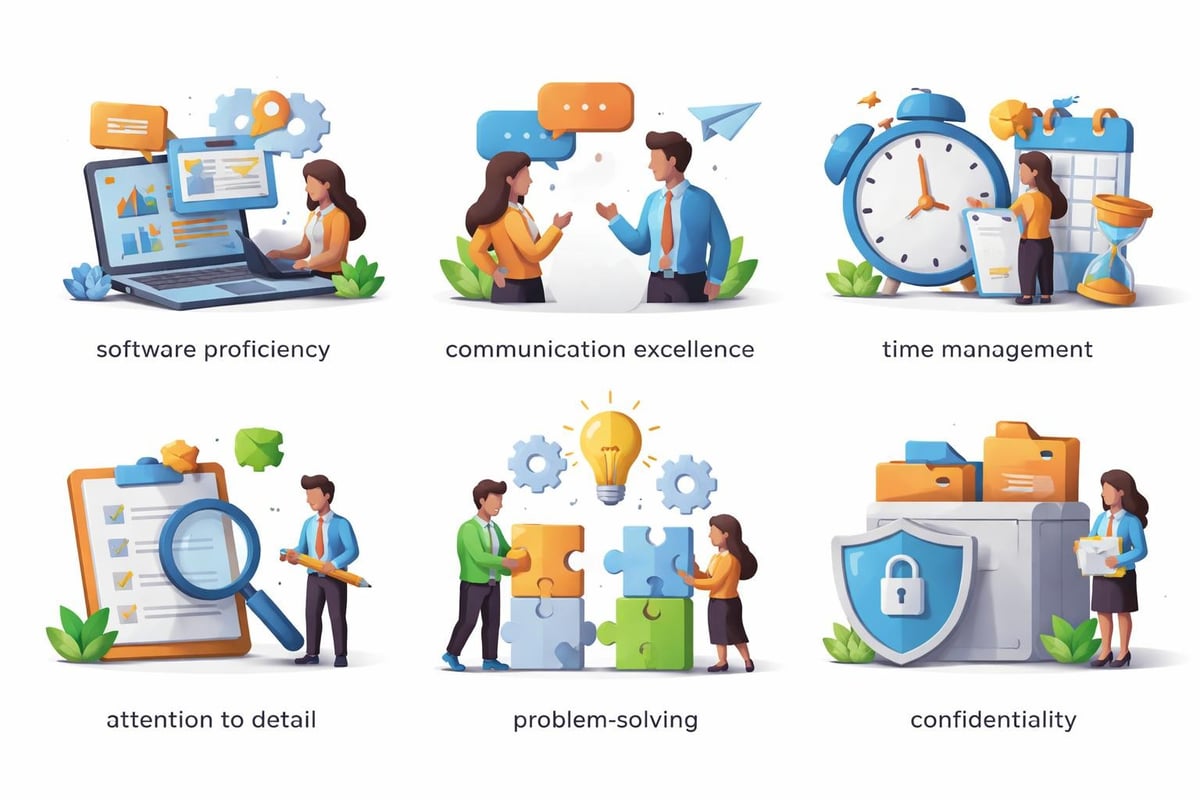
Core competencies employers seek include:
- Proficiency with office software suites (Microsoft 365, Google Workspace)
- Strong written and verbal communication abilities
- Time management and task prioritization skills
- Attention to detail and accuracy in documentation
- Problem-solving capabilities for unexpected situations
- Professional discretion when handling confidential information
The shift toward hybrid work environments has added another dimension to the role. Modern office assistants must demonstrate adaptability across both in-office and remote contexts, utilizing digital collaboration tools while maintaining the same level of efficiency and professionalism. According to comprehensive interview preparation resources, candidates who can articulate their experience with virtual coordination tools and remote communication protocols stand out significantly.
How Office Assistant Interviews Differ in 2026
Interview processes have become more structured and skills-focused compared to previous years. Many organizations now incorporate practical assessments, such as scheduling exercises or written communication samples, alongside traditional question-and-answer sessions.
Behavioral questions dominate modern interviews because they reveal how candidates have handled real situations rather than hypothetical scenarios. Employers want evidence of your capabilities, not just assertions about what you would do in certain circumstances.
Essential Behavioral Office Assistant Interview Questions
Behavioral questions explore your past experiences to predict future performance. These queries typically begin with phrases like "Tell me about a time when" or "Describe a situation where." Your responses should follow the STAR method (Situation, Task, Action, Result) to provide comprehensive, structured answers.
Managing Multiple Priorities and Deadlines
Question: "Describe a time when you had to manage several urgent tasks simultaneously. How did you prioritize?"
This question assesses your organizational abilities and decision-making under pressure. Effective responses should demonstrate:
- Your method for evaluating task urgency versus importance
- Communication with stakeholders about timelines
- Strategic delegation when appropriate
- Specific outcomes resulting from your prioritization
Sample framework for your answer:
| STAR Element | What to Include |
|---|---|
| Situation | Context about multiple competing deadlines |
| Task | Your specific responsibilities in that moment |
| Action | Concrete steps you took to organize and execute |
| Result | Measurable outcomes and lessons learned |
When crafting your response, mention specific tools or systems you employed. For instance, discussing how you utilized digital task management platforms or created priority matrices shows methodical thinking. Resources like The Analytics Doctor can help you develop spreadsheet-based tracking systems that demonstrate organizational sophistication to potential employers.
Handling Difficult Interpersonal Situations
Question: "Tell me about a time you dealt with a difficult colleague or upset client. What was your approach?"
This question evaluates emotional intelligence, conflict resolution skills, and professionalism under stress. Your answer should highlight active listening, empathy, and solution-focused thinking rather than dwelling on negative aspects of the situation.
Strong responses acknowledge the other person's perspective, explain how you maintained composure, and detail the specific actions you took to resolve the issue. Conclude by explaining what you learned from the experience and how it improved your approach to similar situations.
Technical and Skills-Based Questions
Beyond behavioral queries, interviewers assess your practical capabilities through questions about specific tools, processes, and technical proficiencies. These office assistant interview questions determine whether you can execute core job functions from day one.
Software and Technology Proficiency
Question: "What office software and tools are you most comfortable using, and how have you applied them in previous roles?"
Don't simply list applications. Instead, provide concrete examples of how you've leveraged these tools to improve efficiency or solve problems. According to detailed interview question guides, candidates who connect software skills to business outcomes make stronger impressions.
Effective response components:
- Specific software versions you've mastered (Excel 2026, Salesforce, Asana)
- Advanced features you regularly employ (pivot tables, mail merges, automation)
- Quantifiable improvements your technical skills enabled
- Your approach to learning new platforms quickly
If you're preparing your application materials alongside interview prep, consider using the CareerConcierge.io resume builder to ensure your technical skills are prominently featured and formatted for applicant tracking systems.

Data Entry and Accuracy Standards
Question: "How do you ensure accuracy when entering large volumes of data or preparing important documents?"
This question probes your attention to detail and quality control processes. Strong candidates discuss specific verification methods rather than claiming they "just don't make mistakes."
Proven strategies to mention:
- Double-entry verification for critical information
- Cross-referencing source documents
- Using software validation features
- Taking strategic breaks during repetitive tasks to maintain focus
- Implementing peer review systems for high-stakes documents
Situational Office Assistant Interview Questions
Situational questions present hypothetical scenarios to assess judgment, problem-solving abilities, and alignment with company values. Unlike behavioral questions, these don't require past experience but rather demonstrate how you think through challenges.
Confidentiality and Discretion Scenarios
Question: "If you overheard confidential information accidentally, how would you handle it?"
This tests professional ethics and discretion. Emphasize your understanding of confidentiality's importance and your commitment to maintaining trust.
Effective answers acknowledge that handling sensitive information is central to the office assistant role and describe specific boundaries you maintain. According to specialized office assistant interview resources, demonstrating awareness of data protection regulations and company confidentiality policies strengthens your response considerably.
Problem-Solving Under Constraint
Question: "Your supervisor is out sick, and an urgent request comes in from senior leadership. What do you do?"
This scenario evaluates initiative, judgment, and resourcefulness. Your response should balance taking appropriate action with recognizing limitations.
Key elements to address:
- Assessing the request's true urgency and scope
- Determining what authority you have to act independently
- Identifying alternative resources or decision-makers
- Communicating transparently with the requester about timelines
- Documenting actions taken for your supervisor's review
Questions About Office Procedures and Organization
Understanding standard office protocols demonstrates professional maturity and reduces onboarding time. These questions assess your familiarity with administrative best practices.
Filing Systems and Document Management
Question: "How would you organize a new filing system for both physical and digital documents?"
This question evaluates organizational thinking and systems design. Strong responses demonstrate understanding of accessibility, security, and scalability principles.
Discuss specific organizational frameworks you've implemented, such as alphabetical systems with color coding, date-based archives, or category-hierarchical structures. Mention compliance considerations if you have experience with record retention policies or industry-specific regulations.
For positions requiring extensive documentation work, explaining how you'd integrate version control, naming conventions, and permission settings shows advanced thinking. Similar to how you might approach interview questions for administrative assistant roles, demonstrating systematic thinking elevates your candidacy.
Calendar and Schedule Coordination
Question: "How do you manage conflicting appointment requests for an executive's calendar?"
Calendar management requires diplomacy, strategic thinking, and understanding of organizational priorities. Your answer should reflect sensitivity to both business needs and relationship management.
| Strategy | When to Apply | Communication Approach |
|---|---|---|
| Priority-based rescheduling | Internal meetings with flexible participants | Explain context and offer alternatives |
| Double-booking with clarity | Events with optional attendance | Set clear expectations about limited participation |
| Buffer time protection | Back-to-back demanding meetings | Proactively prevent scheduling conflicts |
| Escalation to executive | Competing high-priority commitments | Present options with your recommendation |
Questions Revealing Cultural Fit
Beyond skills assessment, interviewers evaluate whether you'll thrive in their specific work environment. These office assistant interview questions explore work style preferences, values, and interpersonal dynamics.
Work Environment Preferences
Question: "Do you prefer working independently or as part of a team?"
This classic question has no universally correct answer. Instead, tailor your response to what you've learned about the company culture during your research.
The most effective approach acknowledges that both scenarios have value and provides examples of excelling in each context. For instance: "I appreciate the focus that independent work allows for detailed tasks like data analysis or report preparation, and I equally value collaborative environments where I can contribute ideas and learn from colleagues during project planning sessions."
Handling Feedback and Continuous Improvement
Question: "Describe how you've incorporated constructive criticism to improve your performance."
This assesses coachability and growth mindset, both essential for long-term success. Choose an example where feedback led to meaningful improvement in your work quality or efficiency.
Strong responses acknowledge the initial challenge of receiving criticism, explain the specific changes you implemented, and demonstrate measurable improvement. Conclude by expressing appreciation for feedback as a professional development tool.
Preparing Your Own Questions for Interviewers
The "Do you have any questions for us?" portion of interviews offers valuable opportunities to demonstrate engagement, gather decision-making information, and assess fit.
Strategic Questions to Ask
About the role:
- What does success look like for someone in this position after 90 days?
- What are the most challenging aspects of this role?
- How does this position interact with other departments?
About team dynamics:
- Can you describe the team structure and reporting relationships?
- What collaboration tools does the team use daily?
- How does the office handle coverage during vacations or busy periods?
About growth and development:
- What professional development opportunities does the organization offer?
- Are there examples of office assistants who've advanced within the company?
- How does performance feedback typically occur?
Questions about company culture, remote work policies, and team dynamics provide insights while showing you're evaluating mutual fit, not just seeking any position. Similar to preparing for customer service interview questions, demonstrating genuine interest in the organization strengthens your candidacy.

Advanced Preparation Strategies
Moving beyond rehearsing answers to common questions, comprehensive preparation involves research, practice, and strategic positioning.
Researching the Organization
Dedicate time to understanding:
- Company mission, values, and recent news
- Industry position and competitive landscape
- Office locations and any recent expansions or changes
- LinkedIn profiles of potential interviewers
- Glassdoor reviews for insider perspectives on culture
This research enables you to tailor responses to organizational priorities and ask informed questions. References to specific company initiatives or values demonstrate genuine interest that generic candidates lack.
Mock Interview Practice
Conducting practice interviews significantly improves performance. Consider these approaches:
- Record yourself answering questions to identify verbal tics, pacing issues, or unclear explanations
- Practice with a friend or mentor who can provide honest feedback on content and delivery
- Use the CareerConcierge.io interview prep platform for AI-powered practice sessions tailored to office assistant roles
- Time your responses to ensure you're providing sufficient detail without rambling
Resources like mock interview preparation guides offer structured practice opportunities with sample answers you can adapt to your experience.
Optimizing Your Application Materials
Before interviews, ensure your resume and cover letter align with the competencies interviewers will assess. Use the CareerConcierge.io ATS checker to verify your resume passes applicant tracking systems and highlights relevant office assistant skills.
Your cover letter should preview interview themes by demonstrating:
- Specific software proficiencies mentioned in job descriptions
- Examples of organizational achievements
- Understanding of the company's needs based on your research
Common Mistakes to Avoid
Even well-prepared candidates sometimes undermine their prospects through preventable errors. Awareness of these pitfalls helps you navigate interviews more successfully.
Being Overly General
Vague responses like "I'm a hard worker" or "I'm good with people" lack the specificity that makes you memorable. Every answer should include concrete examples, specific tools or methods, and measurable outcomes when possible.
Neglecting Non-Verbal Communication
Professionalism extends beyond your words. Maintain appropriate eye contact, sit with engaged posture, and minimize distracting gestures. For video interviews, ensure proper lighting, stable internet, and a professional background.
Speaking Negatively About Previous Employers
Even when discussing challenges or reasons for leaving past positions, maintain professional framing. Focus on what you learned and how experiences shaped your career goals rather than criticizing former colleagues or organizations.
Failing to Prepare Examples
When caught off-guard by behavioral questions, candidates often struggle to recall relevant examples. Before interviews, prepare 5-7 diverse stories covering different competencies: conflict resolution, time management, technical problem-solving, initiative, and teamwork. These adaptable examples can address multiple question variations.
Salary Discussion and Negotiation
Compensation conversations require careful navigation, particularly for office assistant positions where salary ranges vary significantly based on location, industry, and company size.
Researching Appropriate Ranges
Before interviews, investigate typical compensation using:
- Bureau of Labor Statistics data for your metropolitan area
- Glassdoor and PayScale salary reports
- Professional association surveys
- Networking conversations with industry contacts
Understanding market rates prevents underselling yourself while keeping expectations realistic.
Responding to Early Salary Questions
If asked about salary expectations early in the process, provide a researched range while expressing flexibility: "Based on my research of office assistant salaries in this area and my five years of experience, I'm targeting the $45,000-$52,000 range. However, I'm most interested in finding the right fit, and I'm open to discussing the complete compensation package."
This approach demonstrates preparation while avoiding premature negotiations before you've established your value.
Following Up After the Interview
Post-interview communication reinforces your professionalism and interest. Send a thank-you email within 24 hours that:
- References specific conversation points from your interview
- Reiterates your enthusiasm for the position
- Briefly reinforces one key qualification
- Thanks the interviewer for their time
Keep these messages concise (3-4 paragraphs maximum) and proofread carefully. Errors in follow-up communication are particularly damaging for office assistant candidates, where attention to detail is paramount.
Managing Multiple Interview Processes
If interviewing with several organizations simultaneously, maintain detailed records of:
- Questions asked and answers provided
- Interviewer names and titles
- Follow-up commitments or next steps
- Timeline expectations
This organization prevents confusion and enables you to reference previous conversations accurately during subsequent interviews or discussions.
Industry-Specific Considerations
Office assistant requirements vary across sectors. Legal offices prioritize confidentiality and formal communication; healthcare settings require HIPAA awareness; tech companies may emphasize digital tool proficiency over traditional filing systems.
Tailor your preparation and responses based on industry context. Research common office assistant interview questions specific to your target sector using resources like Breezy HR's industry-focused guides or Superworks' comprehensive question database.
Remote and Hybrid Position Interviews
For positions offering remote work, expect additional questions about:
- Your home office setup and internet reliability
- Experience with virtual collaboration tools
- Self-management and motivation strategies
- Communication preferences across digital platforms
Demonstrate awareness of remote work challenges and specific strategies you employ to maintain productivity and connection with colleagues.
Developing Your Personal Brand
Beyond answering questions effectively, successful candidates project a cohesive professional identity. Your personal brand encompasses:
- Consistent messaging about your career goals and values
- Professional online presence via LinkedIn and relevant platforms
- Specific value proposition distinguishing you from other candidates
- Evidence-based confidence in your capabilities
Before interviews, refine your elevator pitch: a 30-60 second introduction covering who you are professionally, your key strengths, and what you're seeking in your next role. This foundation supports confident responses throughout the conversation.
Mastering office assistant interview questions requires thorough preparation, strategic thinking, and authentic communication that showcases your unique qualifications. By understanding the competencies employers prioritize, preparing specific examples that demonstrate your capabilities, and researching organizational context, you position yourself as the ideal candidate who can contribute from day one. Whether you're refining your resume, practicing your interview responses, or optimizing your entire job search strategy, CareerConcierge.io provides comprehensive AI-powered tools that help you present your strongest professional self and land the office assistant position you're pursuing.