Product Manager Interview Guide for 2026 Success
Master your product manager interview with expert strategies, common questions, and proven preparation techniques to land your dream PM role in 2026.

Landing a product manager role requires more than just technical expertise or business acumen. The product manager interview process has evolved significantly by 2026, incorporating behavioral assessments, strategic thinking evaluations, and hands-on problem-solving scenarios. Companies now seek candidates who demonstrate exceptional communication skills, data-driven decision-making capabilities, and the ability to align cross-functional teams toward a unified product vision. Understanding what interviewers look for and how to showcase your unique value proposition can transform your interview performance from adequate to exceptional.
Understanding the Product Manager Interview Landscape
The modern product manager interview has become increasingly sophisticated, reflecting the strategic importance of this role within organizations. Companies invest substantial resources in identifying candidates who can drive product innovation, manage stakeholder relationships, and deliver measurable business outcomes.
Key Assessment Areas in Product Manager Interviews
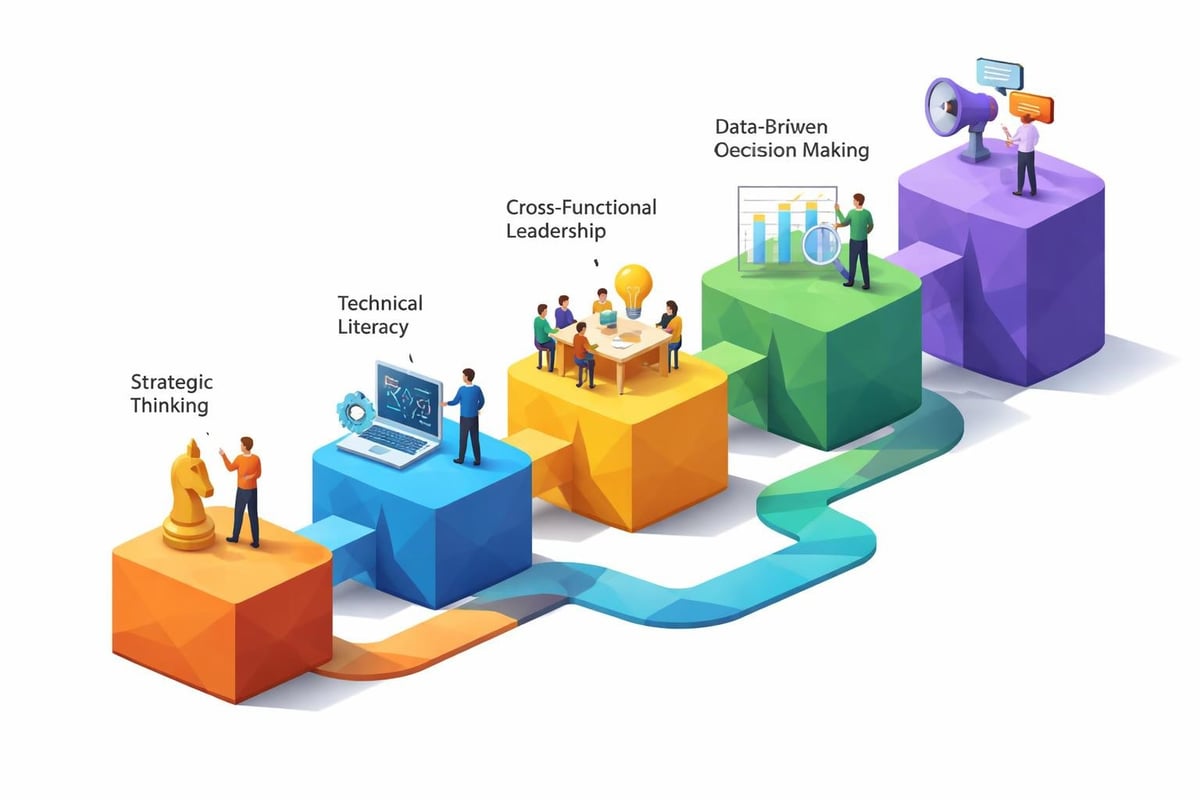
Product manager interviews typically evaluate candidates across several critical dimensions. Technical proficiency remains important, but equally crucial are strategic thinking, leadership capabilities, and communication effectiveness.
Core competency areas assessed include:
- Strategic product vision and roadmap development
- Data analysis and metrics-driven decision making
- Cross-functional team leadership and collaboration
- Customer empathy and user experience prioritization
- Technical literacy and engineering team communication
- Stakeholder management and executive communication
According to Atlassian's comprehensive interview guide, successful candidates demonstrate mastery across leadership, craft, outcome delivery, and communication. These pillars form the foundation of product management excellence and serve as evaluation criteria throughout the interview process.
Essential Question Categories You Will Encounter
Understanding the types of questions you will face allows for targeted preparation. Modern product manager interviews incorporate diverse question formats designed to reveal different aspects of your capabilities.
Behavioral and Situational Questions
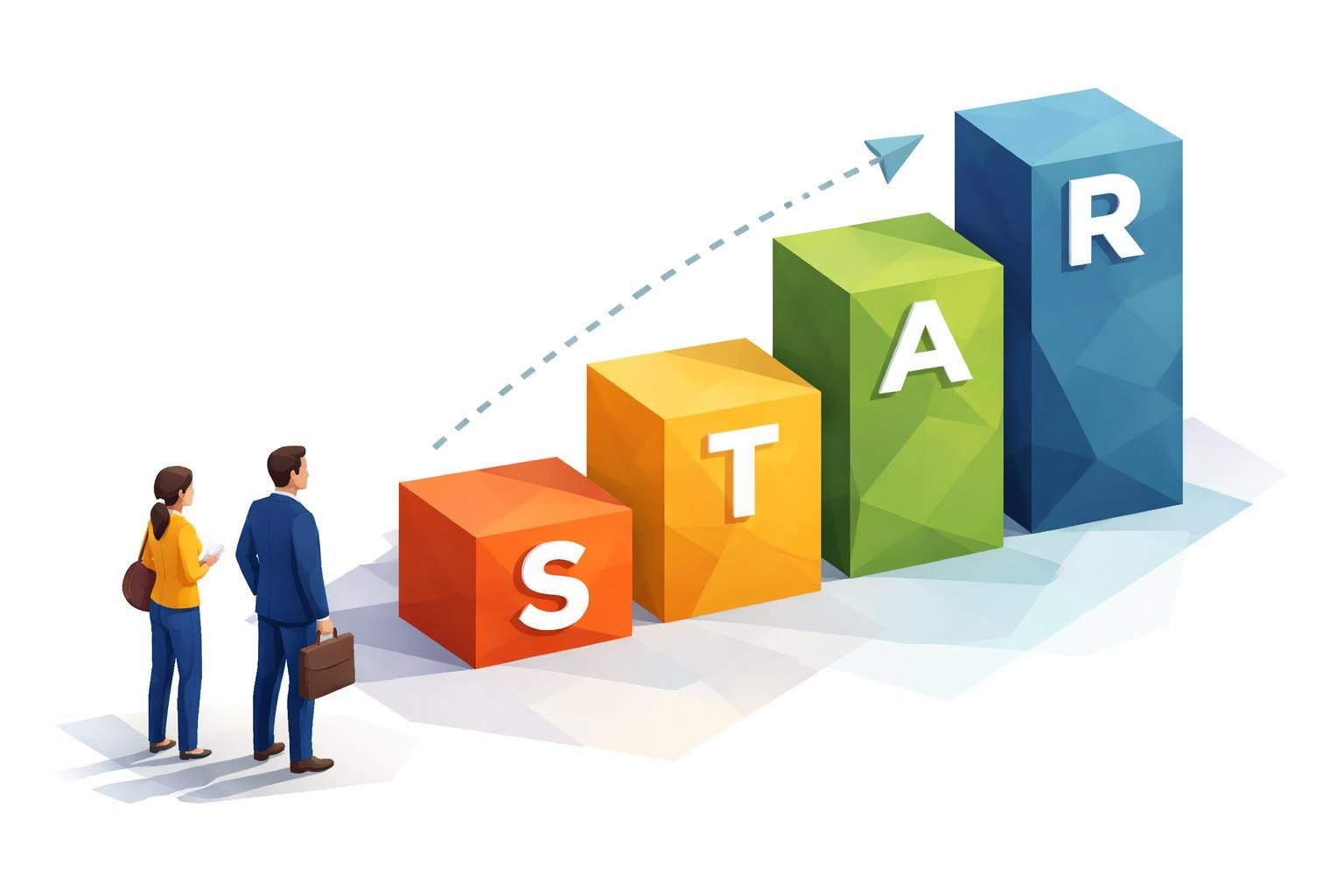
Behavioral questions explore how you have handled past challenges and what this reveals about your approach to product management. These questions follow the STAR framework: Situation, Task, Action, Result.
Common behavioral questions include scenarios about product failures, team conflicts, difficult stakeholder negotiations, and prioritization challenges. Interviewers assess your self-awareness, learning orientation, and resilience through these inquiries.
| Question Type | What It Reveals | Preparation Strategy |
|---|---|---|
| Conflict resolution | Leadership and diplomacy | Document specific team conflict examples |
| Failed launches | Learning agility and accountability | Prepare honest failure stories with clear takeaways |
| Prioritization decisions | Strategic thinking and judgment | Outline framework you used for difficult tradeoffs |
| Stakeholder management | Communication and influence | Highlight executive presentation experiences |
Product Strategy and Vision Questions
These questions evaluate your ability to think strategically about product direction, market positioning, and competitive dynamics. Product management interview questions often probe your capacity to articulate a compelling product vision while balancing market realities and business constraints.
Interviewers might ask you to develop a product strategy for entering a new market, repositioning an existing product, or responding to competitive threats. Your responses demonstrate strategic thinking depth and business acumen.
Effective responses should address:
- Market opportunity assessment and sizing
- Customer segment identification and prioritization
- Competitive landscape analysis and differentiation
- Go-to-market strategy and success metrics
- Resource requirements and timeline considerations
Technical and Analytical Assessment Components
The technical portion of a product manager interview varies significantly based on company type and product complexity. Technology companies typically emphasize technical depth, while consumer products organizations may focus more on market analysis and customer insights.
Data-Driven Decision Making
Modern product managers must demonstrate fluency with analytics, metrics, and data interpretation. Interviewers assess your ability to identify relevant metrics, design experiments, and draw actionable conclusions from data.
You might encounter questions about defining success metrics for a new feature, designing A/B tests, or interpreting dashboards showing declining engagement. Your analytical framework matters more than specific technical skills with tools.
The preparation guide from Aha! emphasizes developing structured approaches to analytical problems. This structured thinking demonstrates professional maturity and reduces the likelihood of overlooking critical factors.
Technical Literacy Requirements
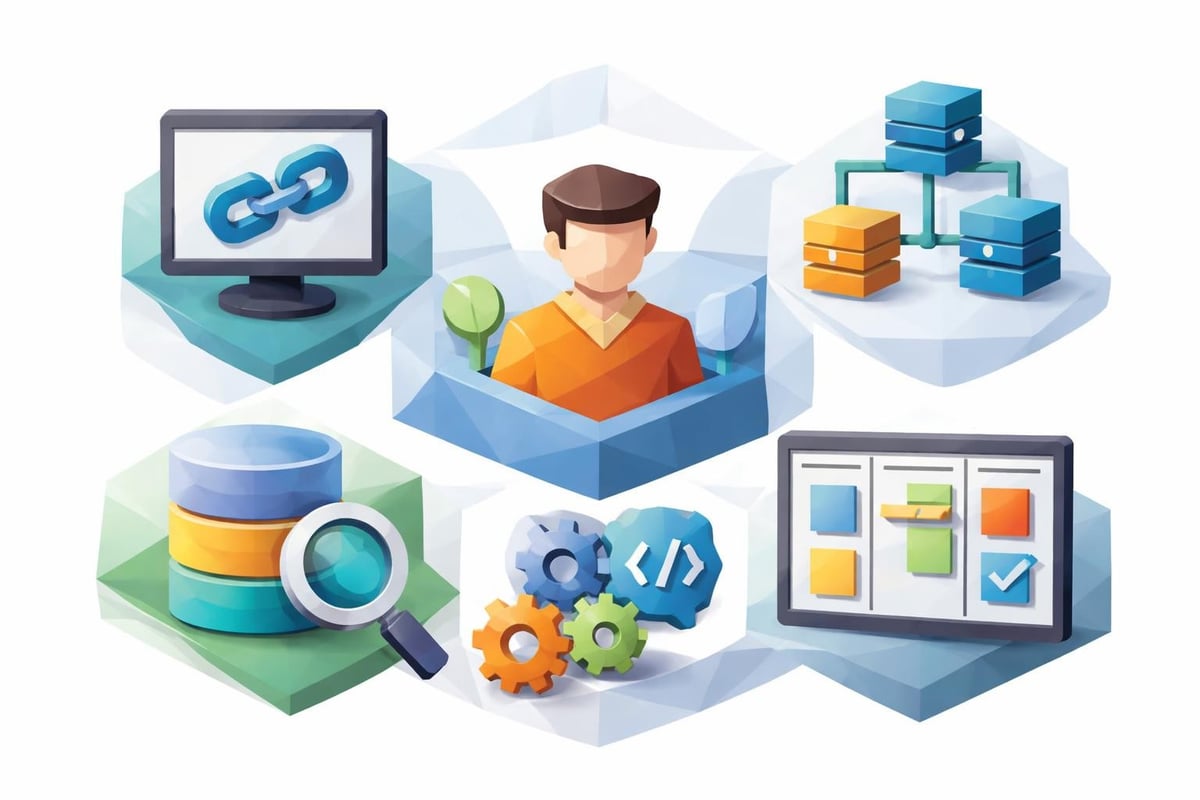
While product managers typically do not write production code, technical literacy remains essential. You need sufficient understanding to communicate effectively with engineering teams, make informed technical tradeoffs, and assess feasibility.
Technical questions might cover system design basics, API concepts, database fundamentals, or software development methodologies. The depth required varies, but all product managers should understand how modern software products are built and deployed.
Case Studies and Product Design Challenges
Case interviews have become standard in product manager interviews, providing insights into your problem-solving process, creativity, and structured thinking abilities. These exercises simulate real-world product decisions you would face in the role.
Common Case Study Formats
Product design cases ask you to design a product for a specific user need or market opportunity. Estimation cases require calculating market sizes, revenue potential, or user metrics using logical assumptions. Strategy cases explore go-to-market decisions, pricing strategies, or competitive responses.
Amazon's interview preparation resources highlight how their product manager interview process incorporates working backwards from customer needs, a methodology central to their product development philosophy.
Successful case study approaches include:
- Clarify the problem and ask relevant questions
- Structure your thinking using established frameworks
- State assumptions explicitly before proceeding
- Think aloud to demonstrate reasoning process
- Consider multiple perspectives and tradeoffs
- Conclude with clear recommendation and next steps
Product Critique and Improvement Exercises
Interviewers frequently ask candidates to critique existing products and suggest improvements. This reveals your product intuition, user empathy, and ability to identify opportunities for enhancement.
When critiquing products, avoid superficial observations about visual design or obvious bugs. Instead, analyze the underlying user needs, business model implications, competitive positioning, and strategic opportunities. Demonstrate depth of thinking beyond surface-level features.
Leadership and Cross-Functional Collaboration
Product management success depends heavily on influencing without formal authority. Interviewers carefully assess your leadership style, collaboration approach, and ability to navigate organizational complexity.
Demonstrating Leadership Without Authority
Your responses should illustrate how you have mobilized teams, gained buy-in for product decisions, and navigated resistance. Effective product managers lead through vision, data, and relationship building rather than hierarchical control.
Share specific examples of aligning engineering, design, marketing, and sales teams around product priorities. Highlight situations where you changed minds through compelling evidence or persuasive communication rather than positional power.
| Leadership Scenario | Key Skills Demonstrated | Response Elements |
|---|---|---|
| Engineering pushback on timeline | Negotiation and tradeoff analysis | Technical understanding, priority justification, alternative proposals |
| Marketing disagreement on positioning | Stakeholder management | Customer data, competitive analysis, compromise solutions |
| Executive pressure for feature additions | Saying no strategically | Roadmap rationale, opportunity cost, success metrics |
| Design conflict over user experience | Collaborative problem-solving | User research, usability testing, iterative refinement |
Managing Stakeholder Expectations
Stakeholder management represents one of the most challenging aspects of product management. Your interview responses should demonstrate sophistication in managing diverse stakeholder interests while maintaining product integrity.
Discuss how you have communicated difficult decisions, managed executive expectations, and balanced competing priorities from different organizational functions. Effective stakeholder management requires transparency, proactive communication, and relationship investment.
Preparing Your Interview Toolkit
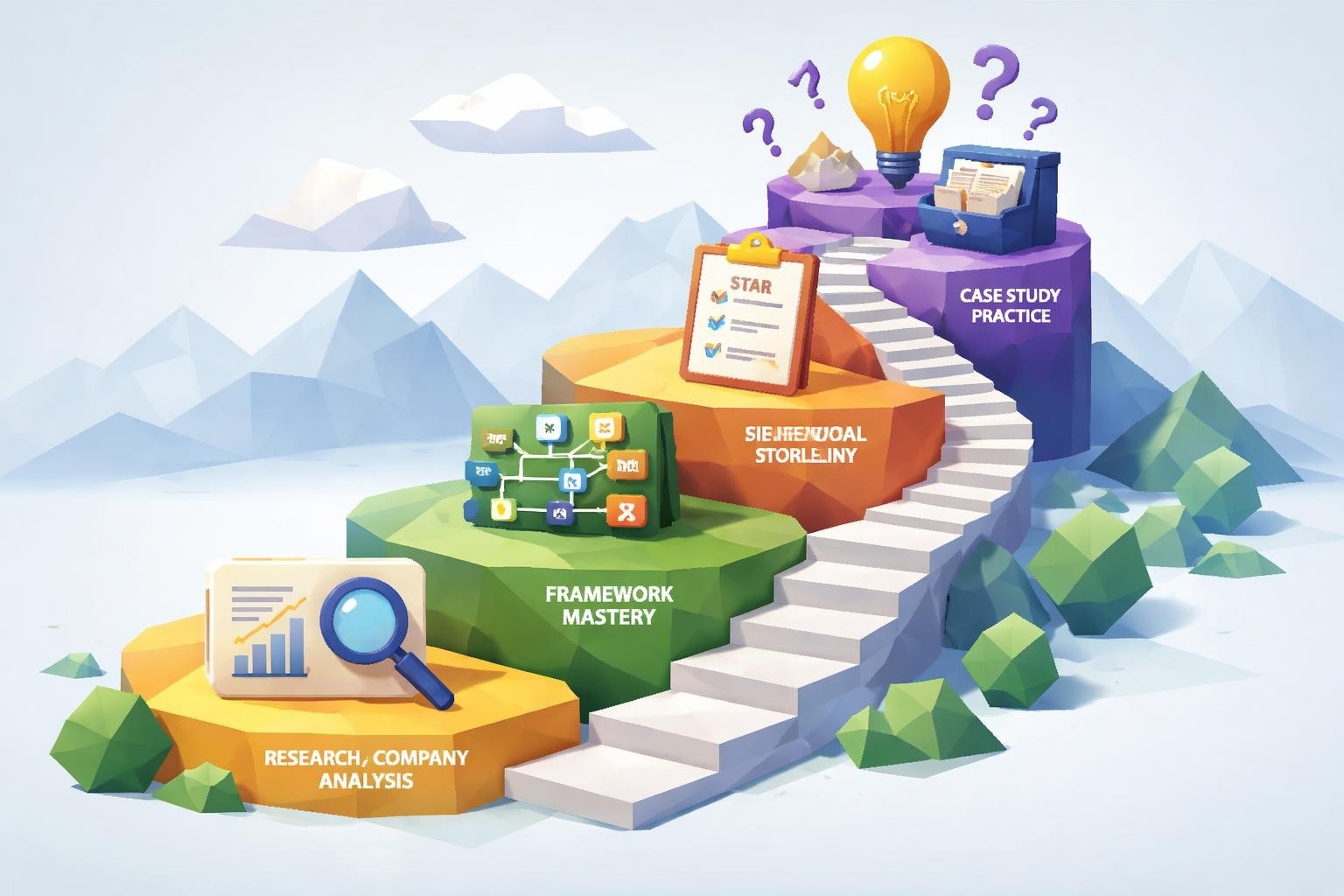
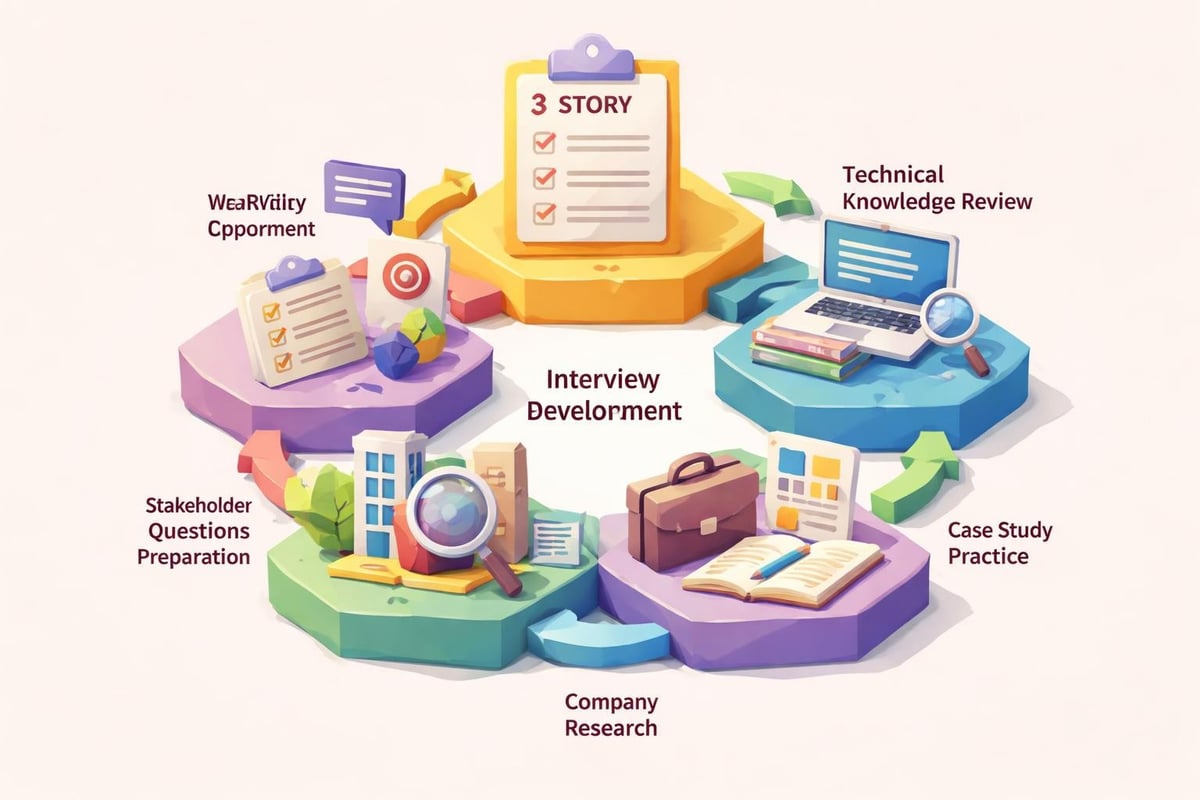
Comprehensive preparation distinguishes exceptional candidates from merely qualified ones. Your preparation should encompass behavioral stories, technical knowledge review, case practice, and company-specific research.
Building Your Story Portfolio
Develop five to seven detailed stories covering different competency areas. Each story should follow the STAR framework and highlight specific skills relevant to product management. Practice delivering these stories concisely while maintaining necessary detail.
Your portfolio should include examples of successful product launches, difficult prioritization decisions, team leadership, stakeholder management, data-driven decisions, and learning from failures. Having these stories readily accessible reduces cognitive load during interviews.
The interview preparation tools available through comprehensive platforms can help structure your story development and practice delivery. Mock interviews with feedback accelerate improvement more effectively than solo practice.
Company and Industry Research
Generic preparation falls short in competitive product manager interviews. Invest time understanding the company's products, business model, competitive landscape, and strategic challenges. This research enables intelligent questions and demonstrates genuine interest.
Research areas to prioritize:
- Product portfolio analysis and user reviews
- Recent company announcements and press releases
- Competitive positioning and market dynamics
- Company culture and values statements
- Leadership team backgrounds and priorities
- Financial performance and growth trajectory
Advanced Interview Strategies for 2026
As product manager interviews evolve, staying current with emerging trends and expectations provides competitive advantage. The 2026 landscape emphasizes AI literacy, sustainability considerations, and inclusive product development.
Demonstrating AI and Technology Fluency
Product managers in 2026 must understand artificial intelligence, machine learning, and emerging technologies shaping product development. While deep technical expertise is not required, you should articulate how these technologies create product opportunities and understand their limitations.
Discuss how you have incorporated AI capabilities into products, evaluated AI vendor solutions, or designed user experiences around machine learning features. This demonstrates forward-thinking product leadership aligned with technological trends.
Asking Strategic Questions
The questions you ask reveal as much about your product management sophistication as your answers. Prepare thoughtful questions exploring product strategy, team dynamics, company culture, and growth opportunities.
Questions product managers should ask during interviews help assess whether the role aligns with your career goals and working style. Strategic questions demonstrate seriousness about the opportunity and help you make informed decisions.
Avoid generic questions easily answered through public information. Instead, probe deeper into how product decisions are made, how success is measured, what challenges the team currently faces, and how the role contributes to company strategy.
Interview Performance Optimization
Beyond preparation, your in-interview performance significantly impacts outcomes. Managing energy, communicating effectively, and demonstrating authentic engagement separate strong candidates from exceptional ones.
Communication Excellence
Product managers must communicate complex ideas clearly to diverse audiences. During interviews, practice explaining technical concepts without jargon, structuring responses logically, and adapting communication style to your audience.
Avoid rambling responses that lose focus. Begin with a clear headline statement, provide necessary supporting detail, and conclude with explicit takeaways. This structured communication demonstrates the clarity essential for effective product management.
Similar to approaches discussed in product manager interview prep resources, developing frameworks for common question types streamlines response development and ensures comprehensive coverage of relevant points.
Managing Interview Energy and Presence
Product manager interview processes often span multiple hours or full days with numerous interviewers. Energy management becomes critical to maintaining performance throughout.
Between interview sessions, take brief moments to reset mentally, review your notes, and refocus on demonstrating authentic enthusiasm. Interviewers assess cultural fit and team compatibility alongside skills, making positive energy and genuine engagement essential.
Navigating Different Interview Formats
The 2026 interview landscape includes various formats beyond traditional in-person discussions. Remote interviews, asynchronous assessments, and virtual whiteboarding sessions each require specific adaptation strategies.
Remote Interview Optimization
Virtual interviews now represent standard practice for initial screening and often extend through final rounds. Technical setup matters more than many candidates realize. Ensure reliable internet connectivity, professional background, appropriate lighting, and minimal distractions.
Maintain eye contact by looking at the camera rather than the screen. Use virtual whiteboarding tools effectively when presenting frameworks or diagrams. Practice these mechanics before interview days to ensure smooth execution.
Take-Home Assignments and Presentations
Many companies incorporate take-home assignments evaluating analytical skills, strategic thinking, and presentation abilities. These assignments simulate real product management work and reveal how you approach ambiguous problems.
Key success factors for take-home assignments:
- Clarify expectations and deliverable format upfront
- Structure analysis using clear frameworks
- Support recommendations with data and logic
- Present findings concisely with executive-ready visuals
- Anticipate questions and prepare supporting analysis
- Demonstrate strategic thinking beyond tactical execution
Budget appropriate time for thorough completion without overengineering. Interviewers assess judgment about scope and prioritization through how you approach these assignments.
Salary Negotiation and Offer Evaluation
Successfully navigating the product manager interview culminates in offer negotiation. Approach this phase strategically, armed with market data and clear priorities about compensation components beyond base salary.
Understanding Total Compensation
Product manager compensation packages include base salary, equity grants, performance bonuses, and benefits. Equity becomes increasingly significant at technology companies, requiring understanding of valuation, vesting schedules, and liquidity scenarios.
Research market compensation ranges for similar roles using industry surveys, peer discussions, and compensation databases. Factor in company stage, geographic location, and your experience level when establishing target ranges.
Negotiation Strategies
Enter negotiations with clear priorities and flexibility on less critical components. Focus on total compensation value rather than individual elements. Most companies have structured compensation bands limiting base salary flexibility while offering more negotiation room on equity and signing bonuses.
Frame requests around market data and your value proposition rather than personal financial needs. Maintain collaborative tone throughout negotiations, recognizing that how you negotiate provides insights into your future working style.
Mastering the product manager interview requires comprehensive preparation across behavioral storytelling, technical fluency, strategic thinking, and communication excellence. Success depends on demonstrating authentic passion for product development while showcasing the specific competencies each organization values. Whether you are targeting your first PM role or advancing to senior positions, CareerConcierge.io provides AI-powered interview preparation tools, personalized coaching, and optimization strategies that transform your candidacy from competitive to exceptional. Start preparing today with tailored practice questions, feedback on your responses, and strategic guidance aligned with your target roles.