Top 12 System Administrator Interview Questions for 2026
Discover the top 12 system administrator interview questions for 2026 with expert tips on technical, security, and communication skills to help you excel.

As 2026 approaches, the demand for skilled system administrators is reaching new heights, fueled by rapid digital transformation and the ever-changing IT landscape. Organizations are seeking professionals who can keep their infrastructure secure, reliable, and agile in the face of constant technological shifts.
This guide delivers the most essential, up-to-date system administrator interview questions you need to know to stand out in today’s competitive market. Whether you are a seasoned pro or an aspiring sysadmin, mastering these questions can give you a decisive edge.
Technical expertise, cybersecurity awareness, and strong communication skills are now must-haves for every sysadmin. In this article, you will discover the top interview questions, learn what employers are really looking for, and gain practical tips to help you ace your next interview. Ready to take the next step? Dive in and unlock your full potential.
The Evolving Role of System Administrators in 2026
The landscape for system administrators in 2026 is evolving rapidly, shaped by digital transformation, aggressive cloud adoption, and an ever-increasing threat of cyberattacks. Organizations are no longer only seeking technical operators. They need system administrators who can navigate hybrid environments and drive business continuity in high-stakes situations. As companies modernize, the expectations for system administrator interview questions have shifted, focusing on both core technical expertise and adaptability.

Digital Transformation and Hybrid Infrastructures
Digital transformation is at the core of the sysadmin’s changing responsibilities. Today’s IT environments blend on-premises servers with multiple cloud services, requiring system administrators to manage hybrid infrastructures seamlessly. This shift is evident in the types of system administrator interview questions employers ask, probing candidates’ ability to automate deployments, troubleshoot across platforms, and ensure uptime for distributed teams.
A typical week might involve configuring cloud-based virtual machines, patching legacy applications, and supporting a remote workforce. The ability to transition between technologies without missing a beat is crucial.
| Responsibility | Traditional Sysadmin | 2026 Sysadmin |
|---|---|---|
| Server Management | On-premises focus | Hybrid/cloud environments |
| Security | Reactive | Proactive, compliance-driven |
| Automation | Scripting basics | Advanced automation tools |
| User Support | Local office | Distributed workforce |
Security and Compliance Take Center Stage
With the rise in ransomware and data breaches, security is no longer a siloed concern. Modern system administrator interview questions now emphasize experience with multi-layered security, compliance frameworks, and incident response. Employers want to know if you can implement zero trust models, conduct vulnerability assessments, and maintain regulatory compliance.
Real-world scenarios highlight this shift. For example, during a recent cloud outage, a system administrator not only restored access but also coordinated with security teams to ensure no data was compromised. Their ability to communicate clearly and document actions made them invaluable during the crisis.
Soft Skills and Teamwork Are Top Priorities
Technical prowess remains essential, but hiring managers increasingly value communication, teamwork, and problem-solving. The most effective system administrators translate technical jargon for business leaders and collaborate with cross-functional teams to align IT with organizational goals.
In system administrator interview questions, you might be asked to describe a time you resolved a conflict between IT and another department or how you communicated a critical update to non-technical stakeholders. These questions reveal your ability to bridge technical and business divides.
Certifications and Continuous Learning
Certifications are more than resume boosters in 2026. Credentials like Azure Administrator, CompTIA Security+, and AWS Certified SysOps validate your expertise in fast-changing domains. Employers view up-to-date certifications as proof of commitment to learning and adaptability. According to industry trends, demand for cloud and security skills has surged by over 30% in the past year.
If you are preparing for interviews, reviewing the 9 Popular System Administrator Certifications can help you target the most valuable credentials for the evolving market.
Balancing Tradition and Innovation
While foundational skills in server management and networking remain vital, emerging technologies such as containerization, Infrastructure as Code, and advanced monitoring tools are now part of the system administrator’s toolkit. Interviewers often explore your experience with Docker, Kubernetes, or automation frameworks.
Adaptability is the thread connecting all these changes. The best candidates demonstrate the ability to learn new tools quickly and apply lessons from past incidents to future challenges. System administrator interview questions in 2026 will measure not just what you know today, but how well you can evolve for tomorrow.
How to Prepare for a System Administrator Interview in 2026
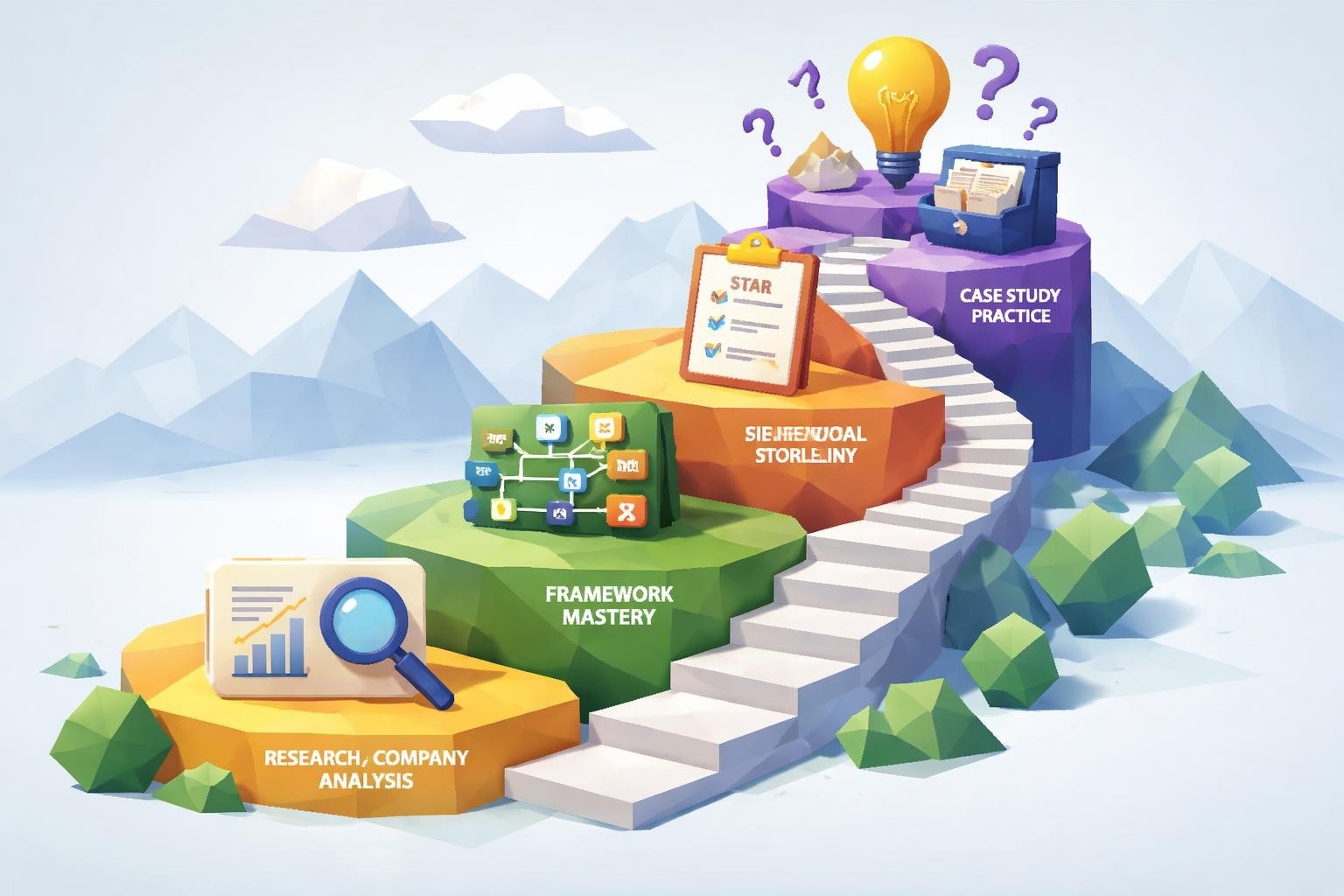
Preparing for system administrator interview questions in 2026 requires a strategic and holistic approach. Employers are seeking candidates who not only master technical skills but also understand business needs and communicate effectively. To stand out, you must tailor your preparation across three key areas: researching the employer’s environment, reviewing core technical skills, and practicing behavioral responses. Utilize resources like an Interview preparation checklist to ensure you cover every critical step.

Understanding the Employer’s IT Environment
Start by researching the company’s IT landscape before tackling system administrator interview questions. Review their infrastructure, technology stack, and recent digital transformation projects. Use LinkedIn to identify key technologies and roles within their IT team. Glassdoor and company reports often reveal pain points and strategic goals.
Align your experience with the company’s challenges. For instance, if they are transitioning to a hybrid cloud model, highlight your success in similar migrations. Tailor your interview responses to reflect both technical fit and understanding of business objectives.
Remember, employers value candidates who demonstrate familiarity with their environment instead of offering generic answers. By preparing targeted examples, you show initiative and a results-oriented mindset.
Reviewing Core Technical Skills and Certifications
Mastery of core domains is essential when facing system administrator interview questions. Focus on operating systems such as Windows, Linux, and Unix. Ensure you understand networking fundamentals, cloud services, and IT security protocols.
Stay current with advancements in virtualization, automation, and monitoring tools. Hands-on practice using home labs or cloud-based sandboxes can set you apart. Up-to-date certifications, like Azure Administrator, CompTIA Security+, or AWS Certified SysOps, are often prerequisites in 2026.
For example, a recent certification can demonstrate your commitment to learning and adapting. Summarize your technical skills in a table to clarify your strengths and readiness:
| Domain | Skills/Tools | Latest Focus Area |
|---|---|---|
| Operating Systems | Windows, Linux, Unix | Hybrid management |
| Cloud | AWS, Azure, Google Cloud | Cost optimization |
| Security | Firewalls, MFA, Auditing | Zero trust, automation |
| Automation | PowerShell, Bash, Ansible | Scripting, orchestration |
Practicing Behavioral and Situational Responses
Employers use behavioral system administrator interview questions to assess your soft skills and problem-solving abilities. Practice using STAR (Situation, Task, Action, Result) or SOAR (Situation, Obstacle, Action, Result) frameworks to structure your answers.
Prepare stories that showcase crisis management, such as restoring service during an outage. Highlight clear communication with non-technical stakeholders. Be ready to discuss teamwork, conflict resolution, and how you turned mistakes into process improvements.
Mock interviews and feedback can help refine your delivery. Focus on demonstrating adaptability, composure under pressure, and a proactive approach to challenges. The right behavioral responses prove you are not only technically sound but also a reliable team player.
Top 12 System Administrator Interview Questions for 2026
Preparing for a system administrator interview in 2026 requires more than technical know-how. Hiring managers now seek candidates who blend technical prowess with communication, adaptability, and a security-first mindset. The following system administrator interview questions reflect the evolving landscape—each is designed to assess not just your expertise, but also your approach to solving real business challenges. For a deeper dive into the types of questions you may encounter, you may also find 6 System Administrator Interview Questions helpful as you prepare.
Below are the top 12 system administrator interview questions for 2026, what employers are truly looking for, and actionable advice on how to craft compelling responses.

1. How do you troubleshoot a server that users can’t access?
When faced with a server accessibility issue, interviewers want to see a structured approach. Start by gathering details from users about the error messages and affected services. Use tools like ping and traceroute to check network connectivity. Examine server logs for clues and verify if any recent changes, such as updates or configuration alterations, could be linked to the issue.
- Check physical connections and network status.
- Review DNS and IP settings.
- Analyze firewall rules and access controls.
Document each step, communicate ongoing progress to stakeholders, and escalate if the issue impacts critical operations. For example, during a recent outage, methodically tracing the problem from user reports to a misconfigured firewall rule restored access quickly. Clear documentation and timely updates are essential components of system administrator interview questions.
2. Describe your experience with cloud platforms (AWS, Azure, Google Cloud).
Cloud platforms are integral to modern IT. Employers assess your depth with system administrator interview questions like this by looking for hands-on experience in deploying, managing, and optimizing resources across AWS, Azure, or Google Cloud. Highlight projects involving migrations, automated deployments, and cost control strategies.
- Migrating on-prem workloads to the cloud.
- Implementing high availability and redundancy.
- Using tools like CloudFormation, ARM templates, or Deployment Manager.
Security is crucial—discuss how you manage IAM, encryption, and compliance. For instance, leading a migration from legacy servers to Azure, setting up automated backups, and optimizing storage costs demonstrates both technical and business value. Mention certifications and ongoing learning to show commitment to staying current.
3. How do you handle system backups and disaster recovery planning?
Reliable backups and disaster recovery (DR) protect business continuity. System administrator interview questions in this area probe your understanding of backup types:
| Backup Type | Frequency | Storage Location | Use Case |
|---|---|---|---|
| Full | Weekly | Offsite/Cloud | Complete restores |
| Incremental | Daily | Local/Cloud | Fast, saves space |
| Differential | Daily | Local/Cloud | Quicker than full |
Automate backups using scripts or tools like Veeam, and regularly test restores to ensure reliability. Develop and update DR plans, conducting simulations to validate readiness. For example, restoring critical data after a hardware failure kept operations running. Regularly review and update DR processes, emphasizing thorough documentation and stakeholder communication.
4. What are your strategies for securing servers and networks?
Security is top priority in all system administrator interview questions. Use a multi-layered approach:
- Keep systems patched and updated.
- Implement firewalls and network segmentation.
- Enforce least privilege access and MFA.
Conduct regular vulnerability scans and audits. Monitor logs using SIEM tools, and maintain an incident response plan. For instance, identifying and isolating a compromised endpoint prevented lateral movement during a phishing attempt. Stay current with regulatory requirements and internal policies to ensure ongoing compliance.
5. Explain your approach to patch management and system updates.
Patch management is critical for minimizing vulnerabilities. Begin by testing updates in a staging environment to avoid disruptions. Use tools like WSUS, Spacewalk, or automation scripts to streamline deployment. Schedule updates during off-peak hours and communicate timelines to users.
- Validate compatibility before deployment.
- Monitor for post-update issues.
- Keep a rollback plan ready.
For example, a structured update process prevented downtime during a major security patch rollout. Proactive communication and documentation reassure stakeholders and are often explored in system administrator interview questions.
6. Can you walk me through managing Active Directory or LDAP environments?
Directory services are the backbone of access management. System administrator interview questions on this topic assess your experience with:
- Creating and managing users, groups, and organizational units (OUs).
- Configuring Group Policy Objects (GPOs) for security and compliance.
- Implementing password policies and least privilege access.
Integrate AD/LDAP with cloud identity providers for SSO. Regularly back up directory data and monitor replication. For instance, implementing automated access reviews and offboarding scripts improved security and reduced manual errors.
7. How do you prioritize and manage multiple critical incidents at once?
Incident management is a core skill. Prioritize based on business impact and urgency, using frameworks like ITIL. Communicate status updates to all affected parties, and delegate tasks when possible.
- Use incident tracking tools to assign and monitor tasks.
- Document steps taken for post-incident review.
- Stay calm and organized.
For example, during simultaneous network and server outages, triaging by impact allowed restoration of critical services first. This structured approach is a frequent focus in system administrator interview questions.
8. Tell me about a time you resolved a critical system issue under pressure.
Employers want to hear real stories using STAR or SOAR methods. Describe the Situation, Task, Action, and Result. For instance, when a core database server crashed during peak business hours, you quickly diagnosed the issue, coordinated with the DBA, and restored service from backups within an hour.
- Remain calm and methodical.
- Communicate with stakeholders and team members.
- Document lessons learned.
This demonstrates both technical skill and composure—qualities sought out in system administrator interview questions.
9. What is your experience with automation and scripting?
Automation is vital for modern IT efficiency. Discuss your proficiency with scripting languages like PowerShell, Bash, Python, or tools like Ansible. Share examples where you automated repetitive tasks, such as user provisioning or system monitoring.
- Reduced manual errors and saved time.
- Deployed configuration changes at scale.
- Integrated scripts with monitoring and alerting systems.
Staying current with new tools shows initiative, a trait often highlighted in system administrator interview questions.
10. How do you ensure compliance with IT policies and regulations?
Compliance is non-negotiable. Familiarity with frameworks like GDPR, HIPAA, or PCI-DSS is expected. Regularly audit systems, document processes, and provide staff training.
| Compliance Area | Action Items | Example |
|---|---|---|
| Data Privacy | Encryption, access control | GDPR audit passed |
| Security | Patch management, monitoring | HIPAA safeguards |
| Documentation | Policy updates, training | Annual compliance test |
Collaborate with legal and HR to interpret new regulations. For example, leading a successful audit by updating documentation and training staff demonstrates a robust approach to system administrator interview questions.
11. How do you communicate complex technical issues to non-technical stakeholders?
Communication is a key differentiator. Use analogies and plain language to explain technical concepts. Listen actively to understand stakeholder concerns, and tailor your message accordingly.
- Provide clear status updates.
- Create user-friendly documentation.
- Set expectations transparently.
For example, explaining a network outage to executives using relatable terms helped manage expectations and reduce anxiety. Effective communication is a recurring theme in system administrator interview questions.
12. Describe your process for onboarding and offboarding users securely.
User lifecycle management is essential for security. Automate provisioning and de-provisioning of accounts, ensuring access aligns with roles.
- Use scripts or identity management tools.
- Conduct regular access reviews.
- Revoke all access swiftly during offboarding.
For example, a robust offboarding checklist prevented unauthorized access after an employee’s departure. This level of diligence is often explored in system administrator interview questions to gauge your attention to detail and process orientation.
Essential Skills and Qualities Employers Seek in 2026 System Administrators
The landscape for system administrator interview questions in 2026 is more competitive than ever. Employers are seeking candidates who demonstrate a balance of technical depth, security awareness, communication finesse, and adaptability. To stand out, you need to prove your expertise across these crucial domains.
Technical Proficiency Across Platforms and Tools
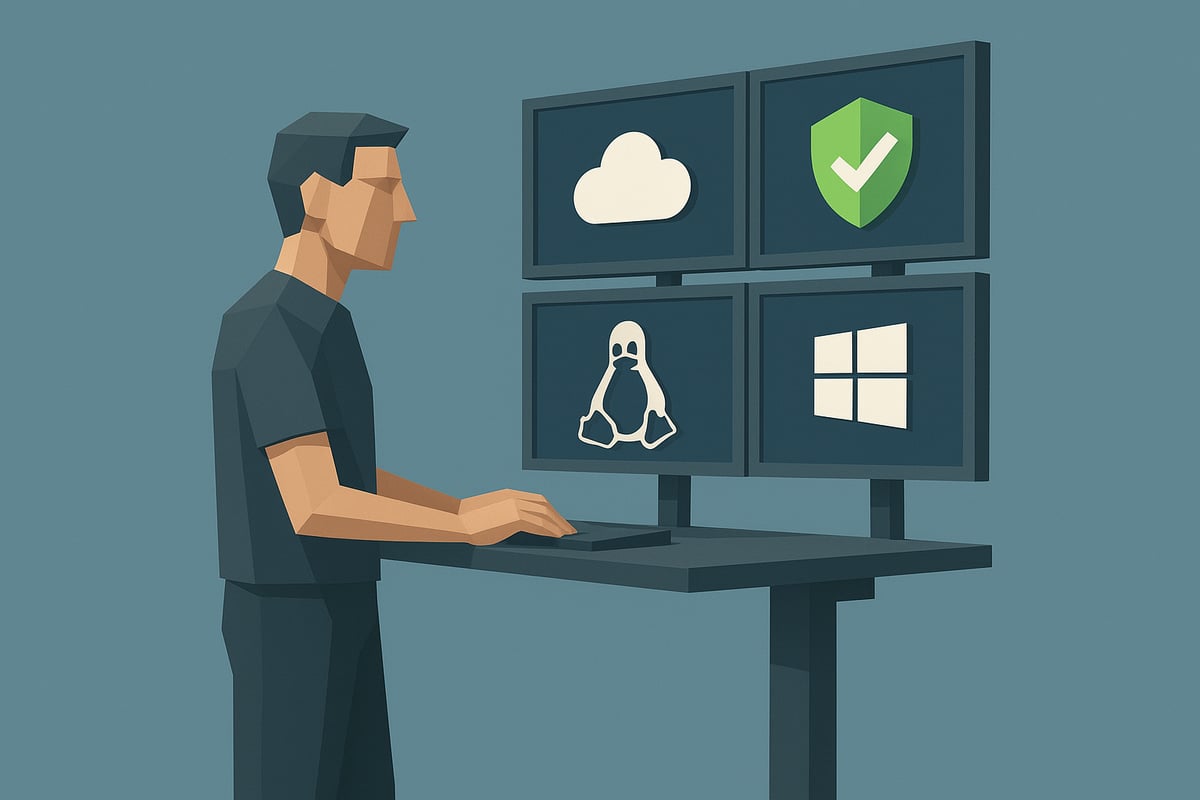
Mastery of diverse platforms is the foundation for success when tackling system administrator interview questions. Employers expect fluency in Windows, Linux, and hybrid cloud environments, as well as experience with virtualization and containerization technologies.
- Experience managing both on-premises and cloud-based systems
- Familiarity with automation tools like Ansible, PowerShell, or Python
- Understanding of monitoring and backup solutions
Consider certifications such as Microsoft Certified: Azure Administrator, AWS Certified SysOps, or RHCSA, which often appear in system administrator interview questions. Candidates who maintain a multi-platform home lab and actively pursue new skills consistently outperform their peers. For more tailored guidance on showcasing your expertise, check out these Resume tips for IT positions.
| Skill Area | Key Technologies | Certification Example |
|---|---|---|
| Operating Systems | Windows, Linux, Unix | RHCSA, MCSA |
| Cloud Platforms | AWS, Azure, Google Cloud | AWS SysOps, Azure Admin |
| Automation | PowerShell, Bash, Ansible | None specific |
Security-First Mindset
Security is a recurring theme in system administrator interview questions for 2026. Organizations now demand proactive defense strategies and a commitment to safeguarding infrastructure.
- Implementing zero trust and least privilege models
- Conducting regular vulnerability scans and patch management
- Responding quickly to incidents and reporting threats
The rise in cyberattacks targeting core infrastructure makes a security-first mindset essential. Your ability to integrate security into daily operations, from access controls to encryption, signals that you are prepared for modern risks. Employers value candidates who keep up with compliance requirements and industry standards.
Communication and Collaboration
Strong communication and collaboration skills are now non-negotiable for those facing system administrator interview questions. Technical expertise is only part of the equation; you must also be able to translate complex issues for non-technical audiences.
- Working with cross-functional teams, such as developers and business leaders
- Providing clear incident reports and user documentation
- Leading training sessions or onboarding new staff
IT’s role in business continuity planning often hinges on effective collaboration. Candidates who can bridge the gap between technical and business objectives consistently impress hiring managers.
Adaptability and Continuous Learning
The most successful candidates in system administrator interview questions demonstrate adaptability and a passion for continuous learning. Technology evolves rapidly, and employers seek professionals who can pivot as needed.
- Pursuing new certifications and upskilling in emerging technologies
- Learning new scripting languages or cloud services to meet business needs
- Taking initiative in cross-training or mentoring others
For those looking to refine their approach and keep skills current, it is wise to revisit your professional materials regularly and seek out new learning opportunities. Adapting quickly to new tools and platforms is more important than ever, especially as digital transformation accelerates in 2026.
Insider Tips to Stand Out in Your System Administrator Interview
Standing out when answering system administrator interview questions in 2026 takes more than just technical know-how. Employers want candidates who demonstrate both expertise and the ability to drive results in fast-paced, evolving environments. Here are actionable strategies to help you shine in your next interview.
1. Research the Company’s Environment
Study the company’s tech stack, recent projects, and unique pain points. Reference specifics during your responses to system administrator interview questions to show genuine interest and preparation.
2. Tailor Your Examples Using STAR or SOAR
Structure your answers with Situation, Task, Action, and Result (STAR) or Situation, Obstacle, Action, and Result (SOAR) methods. Share real scenarios where your actions led to measurable improvements or resolved critical incidents.
3. Highlight Technical Depth and Business Understanding
Blend technical detail with business context. For example, explain how your automation project not only saved time but also aligned with organizational goals or compliance needs.
4. Demonstrate Experience with Automation, Cloud, and Security
Showcase hands-on projects involving scripting, cloud migrations, or implementing new security protocols. Be ready to discuss the impact on uptime, costs, or user satisfaction.
5. Communicate Clearly and Collaboratively
Practice explaining complex problems in plain language. Emphasize how you support non-technical users, facilitate training, or bridge communication between IT and business units.
6. Address Lessons Learned from Mistakes
Do not shy away from discussing past errors. Instead, focus on how you turned mistakes into learning opportunities or process improvements.
7. Show Enthusiasm for Continuous Learning
Highlight recent certifications, ongoing courses, or contributions to professional forums. Demonstrate that you stay ahead of trends in system administrator interview questions and industry practices.
For even more preparation, explore Best interview preparation sites to discover top-rated resources and practice tools tailored for system administrator interviews.
By applying these insider tips, you will approach system administrator interview questions with confidence, clarity, and a competitive edge.
Now that you have a solid understanding of what top employers are looking for in system administrators for 2026, it is time to put that knowledge into action. If you want to sharpen your resume, tailor your applications, and walk into your next interview with confidence, I recommend leveraging tools designed to make your job search easier and more effective. You deserve resources that help you highlight your strengths and stand out in a competitive market. Ready to take the next step in your IT career? Get Started Free