AI Letter Guide: How to Write Smarter in 2025
Master AI letter writing in 2025 with expert strategies, tool comparisons, and real world examples. Learn to write smarter, faster, and more effectively with AI.
AI writing tools are revolutionizing the way we communicate, with 2026 marking a new era of speed and precision. As businesses and individuals strive for efficiency, the ai letter has become an essential asset for anyone aiming to write smarter and achieve professional results.
This guide will show you how to master the latest AI advancements, walk you through step-by-step letter-writing strategies, and share proven best practices. Discover real-world examples that will help you supercharge your written communication and gain a competitive edge.
Ready to boost your efficiency and professionalism? Dive in and transform the way you write with AI.
The Evolution of AI Letter Writing: Trends and Innovations in 2026
The landscape of ai letter writing has transformed dramatically since 2020. In 2026, the pace of innovation feels relentless, reshaping how professionals and individuals communicate in written form. The journey from basic templates to intelligent, adaptive systems has been swift, with each year bringing groundbreaking advances.
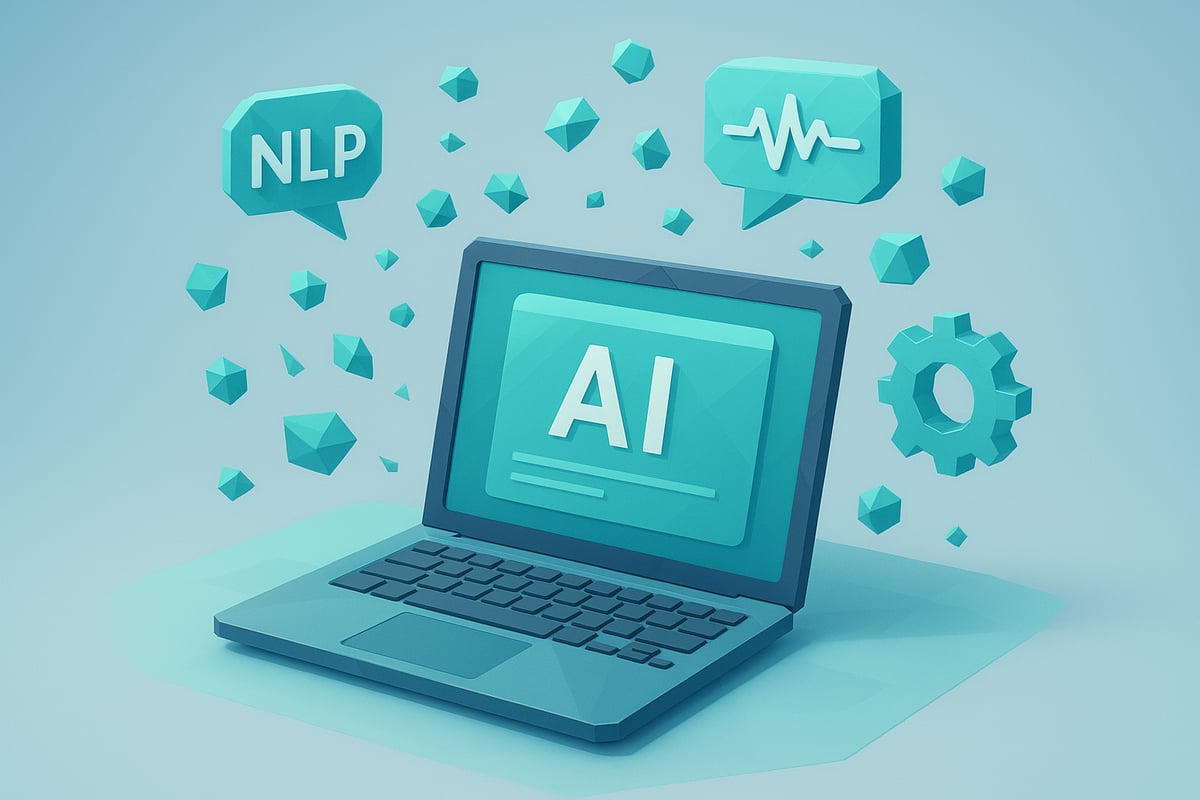
The core technologies driving today’s ai letter tools are more sophisticated than ever before. Natural Language Processing (NLP) has matured, enabling systems to comprehend context, intent, and nuance with remarkable accuracy. Context-aware AI now tailors each message to the recipient’s history, preferences, and even mood, ensuring every letter feels personal.
Tone detection and real-time personalization have become standard features. These advancements allow users to instantly adjust formality, warmth, or urgency, aligning every ai letter with its intended purpose. For example, a business inquiry can shift from formal to friendly based on the recipient’s profile, all with a single click.
Seamless integration is another hallmark of 2026’s ai letter ecosystem. Leading platforms now embed AI writing capabilities directly into email clients, CRM systems, and HR software. This means users can generate, edit, and send ai letter content within their existing workflows, dramatically reducing friction and saving valuable time.
Customization has reached new heights. AI-generated letters are no longer generic; they’re meticulously crafted for each recipient, reflecting company branding, individual preferences, and specific objectives. Whether drafting a legal notice or a heartfelt thank-you, the ai letter tool adapts tone, language, and structure automatically.
Automation addresses the repetitive nature of correspondence. Features like smart templates, autofill for contact details, and context-driven suggestions streamline the process. AI now anticipates the sections you need, flags missing information, and even proposes follow-up actions, making the creation of each ai letter more efficient than ever.
Adoption rates underscore this transformation. According to AI Writing Statistics 2025, a significant majority of professionals now rely on AI-powered writing tools in their daily routines. The numbers reflect not just popularity but a shift in expectations for speed, accuracy, and engagement in written communication.
To illustrate the impact, consider a typical business scenario. A human-written letter might take an hour to draft, review, and personalize. In contrast, an ai letter generated by modern tools can be completed in minutes, with higher accuracy and tailored engagement. Studies show these AI-assisted letters achieve better response rates and fewer errors, elevating professionalism across industries.
Regulatory developments in 2026 have also shaped the evolution of ai letter writing. New guidelines focus on transparency, consent, and ethical use of AI-generated correspondence. Organizations are required to disclose when AI is involved in communication, and robust data protection measures are standard. These changes protect recipients and foster trust in the growing ecosystem.
In summary, the evolution of ai letter technology in 2026 is defined by smarter algorithms, seamless integration, unmatched customization, and a strong focus on ethical standards. As adoption continues to rise, the future of written communication looks both efficient and deeply personal.
How to Write Smarter Letters with AI: Step-by-Step Guide for 2026
Unlocking the full potential of ai letter writing in 2026 means following a clear, proven process. Whether you are crafting business proposals, personal notes, or academic requests, these steps will help you harness the latest AI advancements for efficient, effective communication.
Step 1: Define Your Purpose and Audience
Start every ai letter by clarifying your objective. Is your message professional, academic, legal, or personal? Knowing this focus will help the AI generate content that is relevant and on target.
Next, analyze your recipient. Consider their role, preferences, and communication style. Modern ai letter tools come with built-in audience analysis features, using demographic data and context cues to suggest appropriate tone and structure.
For example, when applying for a job, AI can refine your letter’s language to match a start-up’s informal culture or a corporate firm’s formal expectations. This personalization is key: studies show response rates rise sharply when correspondence feels tailored.
Use AI prompts to set your intent and desired tone. Many platforms offer options to select formality, emotion, and even brand voice, ensuring your ai letter stands out for the right reasons.
Step 2: Gather Key Information and Supporting Details
Before generating your ai letter, list all essential details: recipient and sender names, dates, addresses, and any context or achievements you want included. AI-powered checklists now help ensure nothing is overlooked.
For persuasive or complex letters, inputting specific data points—like sales figures or project milestones—lets AI generate content that is both accurate and compelling. For instance, an AI might alert you if a business proposal is missing critical sections, such as a summary or pricing table.
Organize your information clearly before entering it into the ai letter tool. Logical structure leads to better results. Always consider privacy and data security, especially when sharing sensitive details. Modern AI platforms encrypt your data and comply with regulations to protect your information.
Step 3: Choose the Right AI Letter Tool for Your Needs
Selecting the best ai letter generator is crucial. Start by comparing free and paid options, integration features, supported languages, and customization capabilities.
Here’s a quick comparison table for common criteria:
| Feature | Free Tools | Paid Tools |
|---|---|---|
| Tone Selection | Basic | Advanced |
| Templates | Limited | Extensive |
| Export Formats | Standard | Multiple |
| Integration | Minimal | CRM, HR, Email |
Consider leading solutions like Grammarly, SiteGPT, and dedicated platforms for legal or formal letters. Multilingual support is vital if you correspond globally.
If you need targeted help with job applications, the AI Cover Letter Generator offers tailored guidance and templates, making it easy to produce professional letters in minutes.
User satisfaction data shows that choosing the right ai letter tool can save hours each week and boost overall communication quality.
Step 4: Input Your Prompt and Customize AI Output
Crafting an effective prompt is the foundation of a successful ai letter. Be specific: mention the tone, intent, and context. Advanced platforms now let you adjust tone with sliders, specify intent (such as complaint or apology), and enter recipient details for nuanced results.
For example, compare these prompts:
- "Write a formal complaint to a landlord about heating issues."
- "Draft an apologetic note to a customer for a delayed shipment."
The ai letter tool will instantly adapt language and structure to the situation. Use built-in suggestions to enhance clarity or offer alternative phrasing. Always review and edit drafts, ensuring your message is accurate and on-brand.
Prompt engineering—refining your input to guide the AI—can dramatically improve results. Practice with variations, and you’ll see your ai letter quality soar.
Step 5: Edit, Personalize, and Finalize Your Letter
Even with advanced ai letter tools, human review is essential. Read drafts for accuracy, tone, and alignment with your brand or personal style. Use AI suggestions for grammar, clarity, and structure, but do not skip your own judgment.
Add personal touches, such as an anecdote or handwritten signature, to make your ai letter memorable. For example, you might append a short note of thanks or a unique closing line to an AI-generated thank-you letter.
Blending AI efficiency with human empathy produces the best results. Data shows that ai letter drafts, when reviewed and personalized, experience fewer errors and receive more positive responses.
Step 6: Send, Track, and Optimize Future Letters
Once your ai letter is ready, choose the best sending method: email, print, or an integrated platform. Track open rates and responses using built-in AI analytics.
These insights help you refine future correspondence. For instance, if a follow-up letter gets more engagement after a tone adjustment, apply that learning to your next ai letter.
Continuous improvement is the secret to mastering ai letter writing in 2026. Use feedback and analytics to keep optimizing your approach.
Best Practices for AI-Assisted Letter Writing in 2026
The rapid adoption of ai letter tools in 2026 has transformed written communication, but maximizing their benefits requires following best practices. By focusing on clarity, security, accuracy, and adaptability, you can ensure your ai letter output is both professional and effective. Let’s explore the most important strategies for success.
Ensuring Clarity, Professionalism, and Authenticity
Clarity and professionalism are the foundations of an effective ai letter. Start by defining your message in simple, concise terms. Avoid jargon or overly complex sentences, as ai letter tools excel when they have clear instructions and context.
Use the customization features in your ai letter platform to match the tone and voice of your brand or personal style. While automation speeds up the process, always review drafts to prevent generic or robotic language. The best ai letter results blend efficiency with a human touch.
Consider this: a recent comparison of ai letter output and traditional templates found that recipients viewed ai-generated business letters as equally professional, provided the content was reviewed for clarity and authenticity. Maintaining a natural, conversational flow reassures readers that your message is genuine.
Managing Privacy, Security, and Compliance
With so much sensitive information passing through ai letter systems, privacy and security must be priorities. Choose ai letter platforms that offer robust data encryption and clear privacy policies. Look for tools that comply with GDPR and other regional regulations to protect personal and business data.
When handling confidential content, such as HR or legal correspondence, use secure input fields and verify how your ai letter provider stores information. Some platforms offer features like user authentication and document access control to further safeguard your data.
Best practice is to avoid including unnecessary personal details in your ai letter drafts. Familiarize yourself with your tool’s security credentials, and stay updated on evolving compliance standards to minimize risks when sending critical communications.
Overcoming Common AI Letter Writing Pitfalls
Even the most advanced ai letter solutions can encounter challenges. One frequent issue is factual inaccuracy or missing sections, especially in complex documents like cover letters or proposals. Always proofread for completeness and accuracy before sending.
Tone mismatches and cultural insensitivity may also arise if prompts are vague. Specify the recipient’s background and preferred tone when generating your ai letter. For example, a formal letter to a potential employer differs greatly from an informal thank-you note.
Formatting errors and overlooked details are common, too. Many professionals find it helpful to consult resources like Common Resume Mistakes to Avoid for additional insights on accuracy and structure in professional communications. Continuous feedback to your ai letter tool helps refine future drafts and improves reliability.
Leveraging AI for Multilingual and Cross-Cultural Communication
In 2026, ai letter technology excels at bridging language and cultural gaps. Modern platforms offer high-quality translation and localization features, making it easier to communicate with global audiences. When using ai letter tools for international correspondence, always verify translations for context and nuance to avoid misunderstandings.
Adapt your ai letter’s style and tone to suit different cultural expectations. For instance, directness is valued in some cultures, while others prefer a more formal or indirect approach. AI solutions can suggest adjustments, but human review ensures messages remain appropriate.
With the rise in cross-border communications, ai letter tools have facilitated a significant increase in multilingual exchanges. By leveraging these capabilities, you can build stronger, more authentic relationships with partners and clients worldwide.
Real-World Examples: AI Letters for Every Occasion
AI letter tools have become essential across industries in 2026, transforming how people communicate in professional, personal, and legal contexts. By leveraging ai letter solutions, users save time, improve accuracy, and ensure their messages are tailored for every occasion.
Business and Professional Letters
In 2026, the ai letter has revolutionized business communication. Whether drafting sales proposals, partnership requests, or client updates, organizations rely on AI to generate clear, on-brand messages at scale.
Consider a partnership proposal. Traditionally, crafting such a letter required hours of research and editing. Now, an ai letter platform can pull in recipient data, suggest persuasive language, and even match tone to the recipient's preferences.
Benefits of using ai letter tools for business:
- Rapid generation of custom proposals
- Automated follow-ups based on recipient engagement
- Consistent brand messaging
A recent industry report shows that professionals using ai letter software cut writing time by 60 percent while increasing engagement rates with clients. The result is a more agile, competitive business environment.
Job Applications and Career Letters
Job seekers are turning to ai letter technology for cover letters, recommendations, and resignations. These tools analyze job descriptions, recommend relevant achievements, and adapt tone for each employer. For example, an ai letter can tailor content to a startup's casual culture or a corporation's formal standards.
A standout application is the AI-generated cover letter. With tools like Top Rated Free Resume Builder, users input job postings and personal details, and the ai letter system crafts a compelling, targeted letter in minutes.
Key advantages:
- Increased personalization for each employer
- Higher interview callback rates
- Easy integration with resume and application platforms
According to recent data, candidates who use ai letter solutions for job applications see a 35 percent increase in interview rates compared to traditional methods.
Personal and Social Correspondence
The ai letter is not limited to the workplace. Individuals use these tools for thank-you notes, invitations, apologies, and congratulations. For example, creating a heartfelt wedding invitation is now seamless—users select a style, input event details, and the ai letter generator produces a message that balances warmth with clarity.
Tips for authentic ai letter writing:
- Add personal anecdotes or memories
- Review and tweak suggested language for tone
- Use built-in customization options for special occasions
Insights show that recipients are more likely to respond positively to ai letter messages that blend AI efficiency with genuine, personal touches.
Legal and Administrative Letters
Legal and administrative communication demands precision and sensitivity. The ai letter assists in drafting cease and desist notices, information requests, and formal complaints, ensuring correct structure and compliance with legal standards.
For instance, when generating a legal information request, the ai letter tool checks for required sections, recommends formal language, and highlights potential privacy risks. However, experts advise human review before sending sensitive correspondence.
Reasons to use ai letter platforms for legal letters:
- Streamlined drafting of complex documents
- Automatic compliance checks
- Minimized risk of missing crucial information
The blend of AI accuracy and human oversight leads to more reliable, professional outcomes in administrative communication.
Frequently Asked Questions About AI Letter Writing in 2026
With the growing reliance on ai letter tools in 2026, many professionals have similar questions about best practices, security, and future trends. Below, we address the most frequent queries to help you get the most value from your ai letter workflow.
What information should I include in an AI prompt for letter writing?
To get the best results from your ai letter tool, include all necessary details in your prompt. Specify the letter’s purpose, recipient information, context, and any required tone or formality. A clear prompt helps the AI generate relevant, accurate content. Remember, the more context you provide, the more precise your ai letter will be.
How do I ensure my AI-generated letter is professional and accurate?
Always review your ai letter for clarity, grammar, and appropriate tone. Use built-in grammar and style checks. Edit for brand alignment and double-check facts or data points. Combining AI efficiency with careful human oversight ensures your ai letter maintains a high standard of professionalism and accuracy.
Can AI help with multilingual letter writing and localization?
Yes, modern ai letter tools offer robust multilingual and localization features. You can write and translate letters for global audiences while adapting tone and style to local cultures. AI can spot idiomatic errors and suggest culturally appropriate phrasings, making your ai letter effective across borders and languages.
What are the risks of using AI for sensitive or legal letters?
While ai letter tools can draft legal or confidential correspondence, there are risks. AI may inadvertently include errors or overlook nuances. Sensitive information must be protected, so choose platforms with strong security and compliance standards. Always have a legal expert review any ai letter related to legal matters or confidential topics.
How do I choose the best AI letter tool for my needs?
When selecting an ai letter tool, consider integration options, language support, customization, and security. Compare free and paid features, and review user ratings for satisfaction and time savings. For a detailed overview of platform capabilities, explore the Features of Career Concierge AI Tools page to match solutions to your specific needs.
What is the future of AI letter writing beyond 2026?
The future of ai letter writing includes more emotional intelligence, real-time collaboration, and hyper-personalization. Adoption rates are rising rapidly, as shown by recent AI Adoption Statistics in 2025, which reflect the growing trust in AI-powered communication. Expect ongoing advances in privacy, compliance, and creative capabilities.
Example answers drawing from competitor FAQs and industry standards.
Industry standards recommend always including recipient details, purpose, and desired tone in your ai letter prompts. Competitor FAQs often stress the importance of human review, especially for formal or sensitive correspondence. Most experts agree that blending AI speed with human judgment results in optimal ai letter quality and effectiveness.
The Future of AI Letter Writing: What to Expect in 2027 and Beyond
As we look ahead to 2027, the landscape of ai letter writing promises to be even more transformative. The rapid progress seen in recent years will only accelerate, introducing groundbreaking capabilities that redefine how individuals and organizations communicate.
Emotional Intelligence and Hyper-Personalization
The next generation of ai letter tools will harness advanced emotional intelligence. These systems will interpret subtle cues in your writing, recipient profiles, and real-time context. Imagine an ai letter platform that adjusts tone dynamically, recognizing when empathy or assertiveness is needed. Hyper-personalization will go beyond simple name inserts. AI will craft messages that resonate with each recipient’s preferences, communication style, and even mood.
- Tone adapts in real time based on feedback
- Empathetic responses fine-tuned for sensitive topics
- Letters reflect both sender’s intent and recipient’s expectations
This evolution ensures every ai letter feels authentic and relevant, bridging the gap between automation and genuine human connection.
Real-Time Collaboration and Immersive Technologies
Collaboration will become seamless as ai letter platforms integrate with real-time editing tools and cloud-based workflows. Multiple stakeholders will be able to co-author correspondence, with AI mediating suggestions and resolving inconsistencies instantly.
Moreover, the rise of AR and VR will introduce immersive experiences to ai letter writing. Picture drafting a letter in a virtual boardroom, where AI assistants offer live feedback or translate your words for a global audience.
- Instant translation and localization within virtual spaces
- Visual cues and annotations powered by AI
- Voice-to-letter capabilities with natural language understanding
These innovations will make the ai letter creation process more interactive, accessible, and engaging than ever.
Privacy, Compliance, and Ethical AI
With greater capabilities comes greater responsibility. By 2027, ai letter solutions will prioritize privacy and regulatory compliance. Advanced encryption, user-controlled data storage, and transparent AI decision-making will be standard.
Ethical considerations will shape how AI-generated correspondence is used. Expect clear labeling of AI-assisted letters and robust audit trails to ensure accountability. Organizations will choose platforms that align with their values and protect sensitive communications.
- GDPR and international compliance built in
- User dashboards for monitoring data usage
- Ethical AI guidelines embedded in every step
These safeguards will help build trust in ai letter technology across industries.
From Negotiation to Nuance: Expanding AI’s Role
Looking forward, ai letter platforms will handle increasingly complex correspondence. AI will assist in negotiations, legal communications, and high-stakes business deals, offering draft suggestions and compliance checks.
A simple table illustrates the shifting landscape:
| Communication Type | Human-Only (2023) | AI-Assisted (2027) |
|---|---|---|
| Routine Inquiries | Manual drafting | AI drafts, human review |
| Legal Negotiations | Legal team only | AI-guided, legal oversight |
| Global Communication | Translation tools | Real-time AI localization |
As a result, the ai letter will become a strategic asset, not just a productivity tool.
Market Growth and the Evolving Human Role
The market for ai letter writing tools is projected to surge, reflecting their growing impact on professional and personal communication. According to AI Writing Assistant Software Market Size, industry analysts predict continued double-digit growth as organizations invest in smarter correspondence solutions.
Despite these advancements, human writers will remain essential. AI will handle routine tasks and offer intelligent support, but creativity, empathy, and strategic thinking will always require a human touch. The future will focus on collaboration between humans and AI, elevating both efficiency and quality.
In summary, by 2027 and beyond, the ai letter will evolve into a highly adaptive, secure, and collaborative tool. As technology continues to advance, those who embrace these innovations will set new standards for clarity, personalization, and impact in every message they send.
As you’ve seen throughout this guide, the power of AI writing tools can completely transform the way you craft letters—making your communication smarter, more efficient, and tailored for every situation. Whether you’re fine-tuning a resume, composing a standout cover letter, or preparing for interviews, having the right support can make all the difference. If you’re ready to put these strategies to work and boost your job search with AI-driven tools, you can Start for free and explore how CareerConcierge io can help you land your dream role with confidence.