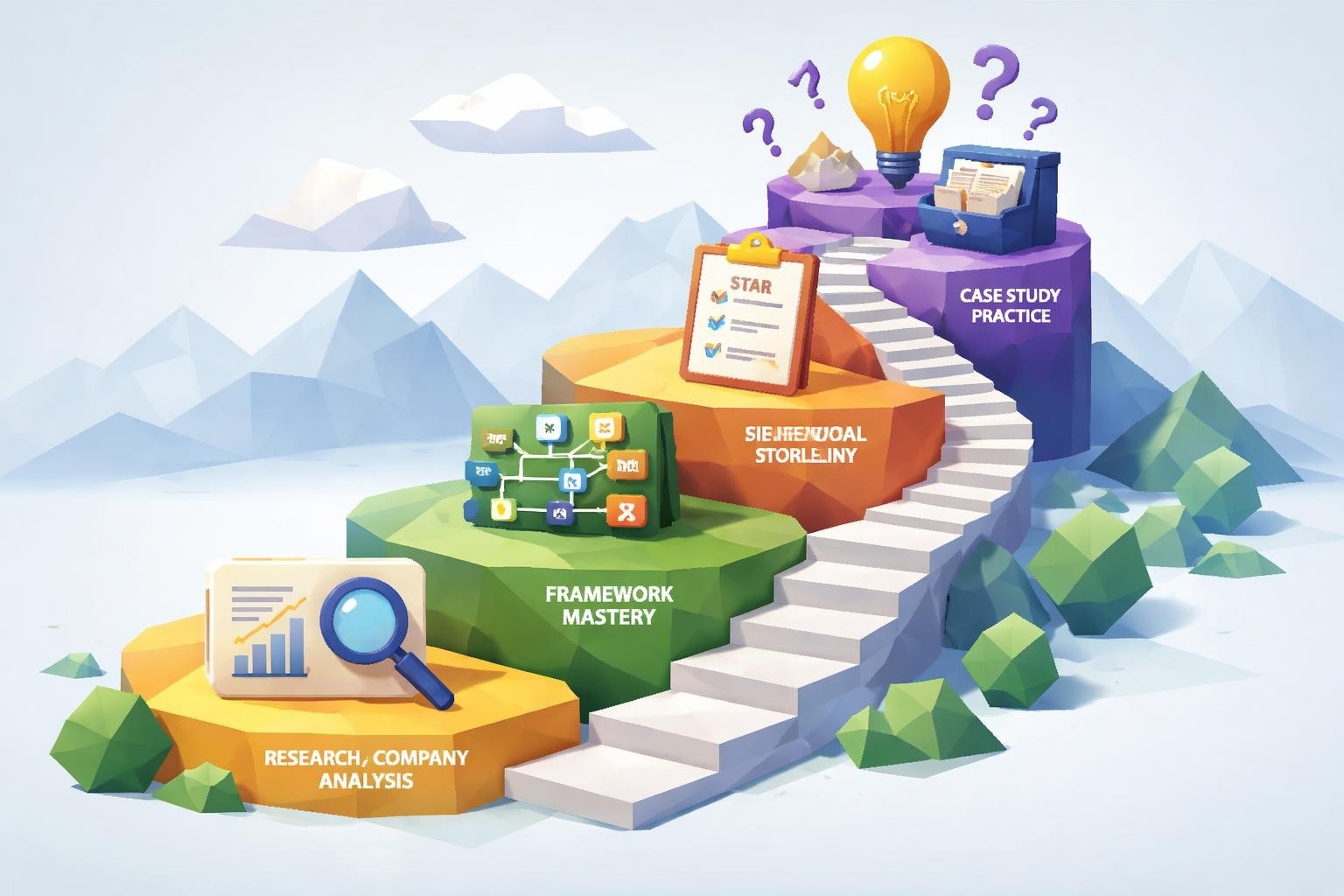
12 Must-Know Call Center Interview Tips for 2026 Success
Get expert call center interview tips for 2026. Learn how to stand out with omnichannel skills, adapt to new tech, and impress employers for career success.
The call center job market in 2026 will be more competitive than ever, with employers seeking candidates who stand out in every call center interview. Customer service roles are rapidly evolving, demanding not just technical know-how but also strong communication and empathy. As technology becomes central, mastering the latest interview techniques is essential to secure your ideal position. With the right approach, you can dramatically boost your chances of success. In this guide, discover 12 must-know tips designed to help 2026 job seekers excel in every call center interview and advance their careers.
Understanding the 2026 Call Center Landscape
The call center landscape is evolving rapidly, and understanding these changes is essential for effective call center interview preparation. In 2026, candidates face a dynamic environment shaped by technology, customer expectations, and new work models. Let’s explore what’s driving these changes and what you need to know to stand out.
The Rise of Omnichannel Customer Service
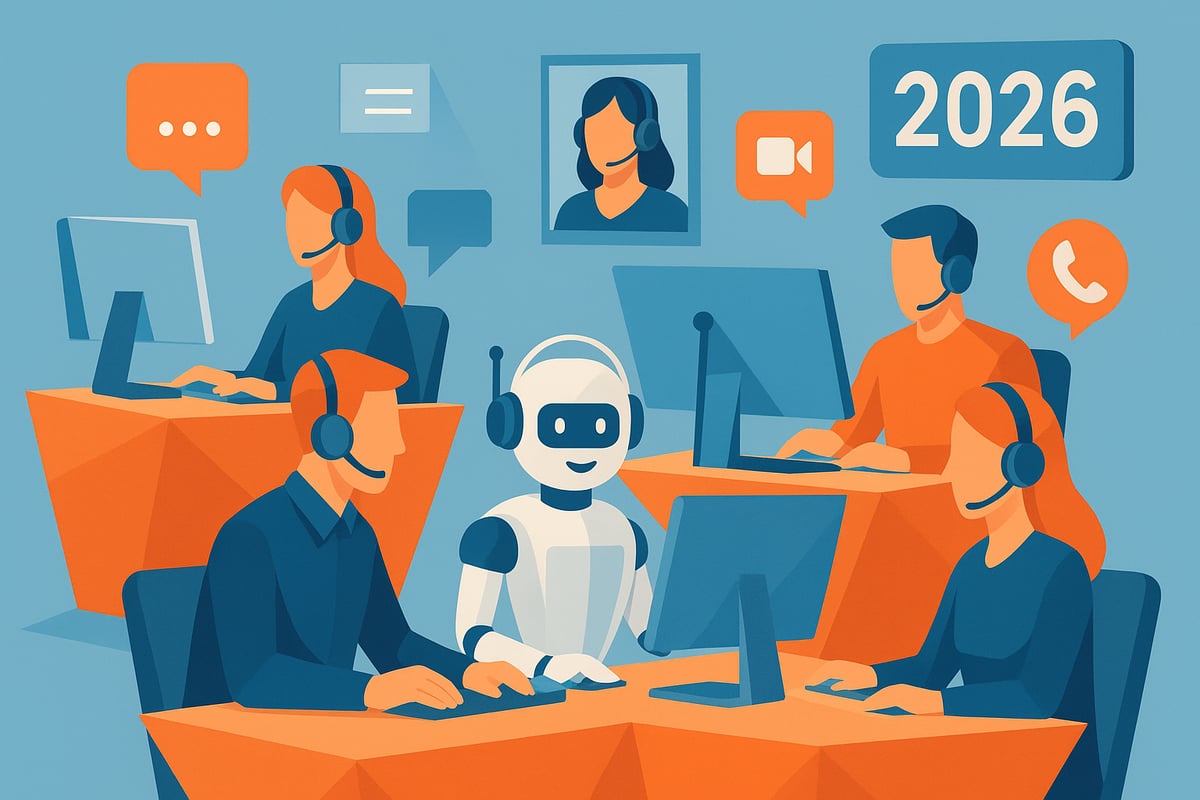
The traditional phone-only model is quickly fading, replaced by omnichannel support that includes chat, email, social media, and even video calls. Interviewers now seek candidates who demonstrate adaptability and comfort across multiple platforms. By 2026, over 60% of contact centers are expected to support at least three channels, reflecting a significant shift in service delivery. Staying informed about Call Center Industry Trends 2026 will help you tailor your call center interview responses to these new realities.
Automation, AI, and Human Skills
AI bots are increasingly handling routine customer queries, freeing up agents to focus on complex issues that require a human touch. This means your call center interview may involve scenario-based questions about escalating conversations from AI to a live agent. Employers want to see that you can combine technical know-how with empathy and strong interpersonal skills. Being ready to discuss both automation tools and your approach to customer care is essential.
Key Qualities Employers Seek in 2026
Communication, problem-solving, emotional intelligence, and tech-savviness remain at the top of employer wish lists. In fact, 76% of consumers now view customer service as a true test of company values. During your call center interview, you may be asked to give examples that showcase these traits, such as resolving a difficult customer issue or adapting to a new CRM system. Consider preparing a list of your strengths and related experiences to highlight these qualities.
Evolving Role Expectations
Remote and hybrid roles are becoming standard, so companies value candidates who are self-motivated, organized, and resilient. Interviewers often ask about your readiness to work from home, manage your time, and stay productive independently. Be prepared to describe your remote work setup or how you maintain focus in a virtual environment. This shift is changing the criteria for a successful call center interview, with more emphasis on adaptability and self-management.
The Importance of Interview Preparation
With technology and customer expectations advancing, thorough preparation is more critical than ever. Research shows that 95% of a manager’s success depends on selecting the right team members. The following tips are designed to help you meet these new demands and excel in your next call center interview. Mastering both technical and soft skills will set you apart in this competitive field.
12 Must-Know Call Center Interview Tips for 2026 Success
Acing your call center interview in 2026 means more than memorizing common questions. Employers want adaptable, tech-savvy communicators who can thrive in fast-evolving environments. With automation, omnichannel support, and remote work on the rise, your preparation must be thorough and strategic. Here are 12 actionable tips to help you stand out, each tailored to the realities of the 2026 call center landscape.
1. Research the Company and Its Customer Service Philosophy
Before your call center interview, invest time in understanding the company's mission, values, and customer service approach. Study their website, recent news, and customer reviews. Identify what sets them apart and how they recognize service excellence.
Tailor your responses by referencing company initiatives or awards. For example, if the company recently won a customer satisfaction award, mention your admiration for their commitment to quality service. This shows you've done your homework.
Expect the classic question, “Why do you want to work here?” Use your research to craft a compelling answer that aligns your own values with the company's. Employers want candidates genuinely invested in their culture and goals.
By demonstrating knowledge of their service philosophy, you position yourself as a proactive and engaged candidate. This early preparation sets a strong tone for the rest of your call center interview.
2. Master Omnichannel Communication Scenarios
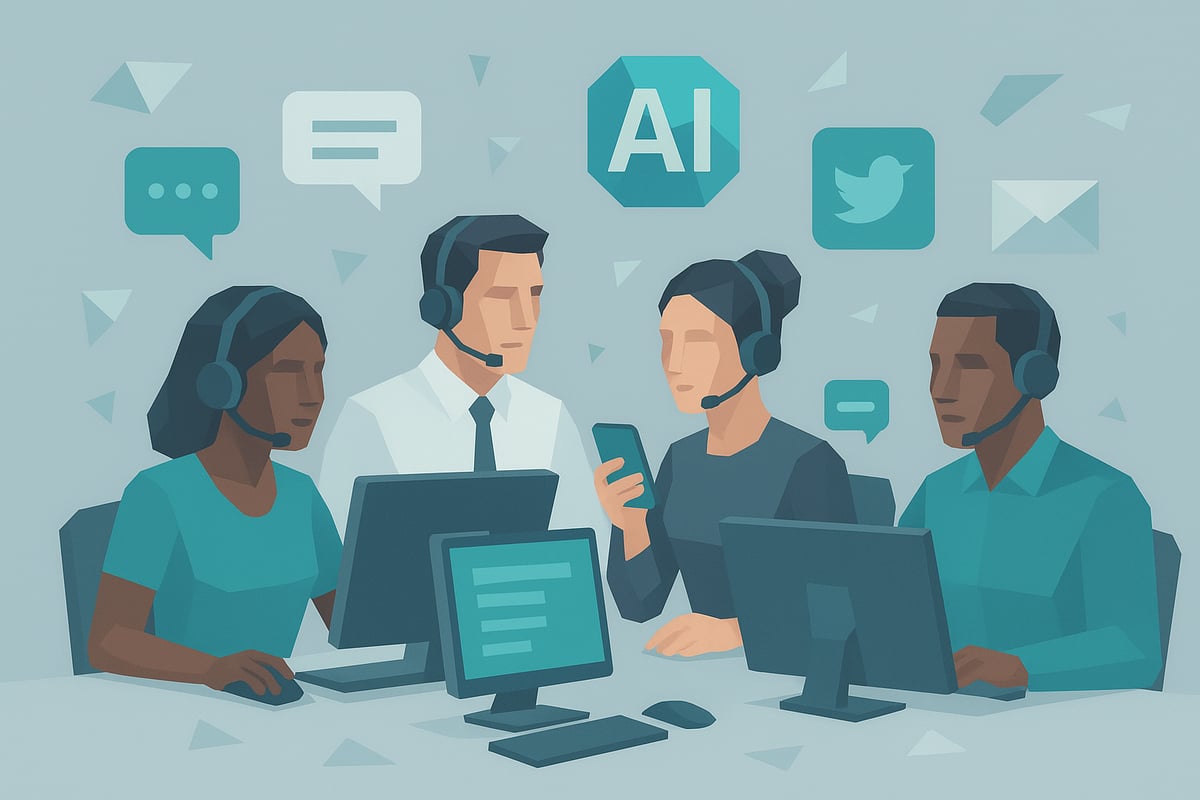
In a 2026 call center interview, you’ll likely be asked about handling customer inquiries across multiple platforms: phone, chat, email, and social media. Interviewers want to see your adaptability and comfort with technology.
Prepare examples that showcase your experience on different channels. Even if your background is limited, discuss how you quickly learned new systems or adapted to unfamiliar platforms. For instance, explain how you resolved a complaint via live chat versus over the phone, emphasizing the unique challenges of each.
Highlight your willingness to embrace new tools and your understanding of today's customer preferences. Employers value candidates who can provide seamless support, no matter the channel. Articulating this in your call center interview can set you apart from less tech-savvy applicants.
3. Highlight Emotional Intelligence and Empathy
Emotional intelligence is at the heart of customer service in 2026. During your call center interview, expect questions like, “Describe a time you handled an angry customer.” Interviewers want to see your ability to remain calm, listen actively, and resolve conflict.
Demonstrate empathy by describing how you acknowledged the customer’s feelings, apologized sincerely, and focused on finding a solution. For example:
“I once had a customer frustrated about a delayed order. I listened without interrupting, validated their frustration, and assured them I would resolve the issue. After updating them promptly, I followed up to ensure their satisfaction.”
By sharing real examples, you prove you’re both compassionate and results-driven. Employers know that technology can’t replace genuine human empathy, making this a crucial skill for any call center interview.
4. Use the STAR Method for Behavioral Questions
Behavioral questions are a staple of the call center interview process. The STAR method helps you structure clear, concise responses:
| Component | Description |
|---|---|
| Situation | Set the scene: Where and when did this happen? |
| Task | What was your responsibility? |
| Action | What steps did you take? |
| Result | What was the outcome? |
For example, to answer “Tell me about a time you turned a negative customer experience into a positive one,” use STAR to outline the situation, your actions, and the positive result. Practicing this format ensures your answers are focused and memorable during your call center interview.
5. Showcase Adaptability and Willingness to Learn
Call center roles evolve rapidly, so adaptability is a must. In your call center interview, be prepared to discuss how you handle change, learn new technologies, and respond to feedback.
Share examples of quickly mastering new software or procedures. If you faced constructive criticism, explain how you used it to improve your performance. For instance:
“When my supervisor introduced a new CRM tool, I took the initiative to complete online tutorials and asked colleagues for tips. Within a week, I was helping others navigate the system.”
Demonstrating adaptability assures interviewers you’ll thrive in their dynamic environment.
6. Demonstrate Multitasking and Organizational Skills
Multitasking is essential in a modern call center interview. Employers want to know how you manage multiple calls, chats, or systems without sacrificing accuracy or service quality.
Describe your strategies for staying organized, such as using digital notes, prioritizing urgent issues, or setting reminders. For example, explain how you managed several customer concerns simultaneously by keeping detailed records and following up promptly.
- Use checklists to track open cases
- Prioritize based on urgency and impact
- Stay calm under pressure to avoid mistakes
Articulating these skills demonstrates your readiness for the fast-paced world of 2026 call centers.
7. Prepare for Remote and Hybrid Work Questions
Remote and hybrid work are now standard in the call center industry. Expect your call center interview to include questions about your experience and preferences for working remotely.
Discuss your self-motivation, time management, and ability to work independently. Describe how you set up a productive workspace, minimize distractions, and stay connected with your team using collaboration tools.
For example: “I maintain a dedicated home office, use a shared calendar to track shifts, and check in with my team daily via video calls. This ensures I remain accountable and engaged, even when working remotely.”
Demonstrating your readiness for remote work is essential for today’s call center interview.
8. Understand and Articulate Quality Customer Service
Interviewers often ask, “What is your idea of quality customer service?” during a call center interview. In 2026, quality means balancing efficiency with empathy and ensuring every customer feels valued.
Define quality service as prompt, accurate resolutions paired with a positive customer experience. Use examples to illustrate your commitment, such as:
“I believe quality service means not only solving the customer’s problem but also making them feel heard and appreciated. For instance, I once followed up with a customer days after resolving their issue, which led to positive feedback and a repeat sale.”
Articulate how you measure and deliver quality in every interaction.
9. Practice Handling Difficult Customer Scenarios
Handling difficult customers is a core part of any call center interview. Prepare to discuss how you de-escalate tense situations and turn complaints into opportunities.
Follow these steps:
- Listen without interrupting
- Empathize with the customer’s frustration
- Offer a solution and explain the steps
- Follow up to ensure satisfaction
Example: “A customer was upset about a billing error. I listened patiently, apologized, and immediately corrected the mistake. I then checked in a week later to confirm everything was resolved.”
Demonstrating this process shows you can maintain professionalism under pressure.
10. Ask Insightful Questions to the Interviewer
A successful call center interview is a two-way conversation. Prepare thoughtful questions to ask the interviewer, demonstrating your genuine interest and engagement.
Consider questions like:
- “What does success look like in this role?”
- “How do you support ongoing training and development?”
- “What are the team’s biggest challenges right now?”
Asking insightful questions shows you’ve thought seriously about the role and are invested in your potential growth. It also helps you determine if the company is the right fit for you.
11. Address Gaps and Weaknesses Honestly
Interviewers appreciate honesty and self-awareness. In your call center interview, be ready to discuss any gaps in your experience or perceived weaknesses.
Frame weaknesses as growth opportunities. For example: “While I’m new to call centers, my fast learning and strong customer service background will help me excel in this role. I am committed to proactive training and continuous improvement.”
Turning potential negatives into positives demonstrates maturity and a willingness to learn, qualities highly valued in 2026 call center environments.
12. Follow Up Professionally After the Interview
After your call center interview, always send a thank-you note within 24 hours. Express gratitude, reiterate your interest, and reference a key point from your conversation.
Use this template as a guide:
Subject: Thank You for the Interview

Dear [Interviewer’s Name],

Thank you for the opportunity to interview for the call center position. I enjoyed learning about your team’s commitment to customer satisfaction. Our discussion about omnichannel support was especially insightful, and I am excited about the possibility of contributing to your success.

Please let me know if you need any additional information.

Best regards,
[Your Name]
For a structured approach to post-interview communication and preparation, consider using an Interview preparation checklist to ensure you never miss a detail. Thoughtful follow-up leaves a lasting positive impression.
What to Expect from Call Center Interviews in 2026
Entering a call center interview in 2026 means facing a dynamic, tech-driven hiring process. Companies are leveraging new formats and assessments, and expectations are higher than ever. Understanding what lies ahead can help you prepare strategically and boost your confidence.

Common Interview Formats and Assessments
The call center interview process in 2026 is more varied than ever. You may encounter traditional face-to-face meetings, structured video calls, or even initial screenings conducted by AI bots. Many companies use online platforms to assess communication and multitasking abilities remotely.
Skills assessments are common. Expect typing speed tests, scenario-based simulations, and live role-plays. Some interviews might include responding to customer queries via chat or email in real-time. AI-driven screening tools are also used to evaluate how you handle automated escalations. Preparing for a call center interview means being ready for both human and digital evaluators.
Frequently Asked Call Center Interview Questions
Interviewers still ask classic questions, but with a 2026 twist. You will likely hear, “Tell me about yourself,” or “Why did you leave your last job?” However, expect more behavioral and situational questions focused on adaptability, technology use, and customer-centric thinking.
Common prompts include, “Describe a time you resolved an issue using multiple channels,” or “How do you handle feedback?” For more detailed examples and practical advice, consult this Call Center Interview Questions Guide. Reviewing current questions helps you practice and tailor your responses for the call center interview process.
How to Stand Out Among 2026 Candidates
Standing out in a call center interview requires more than just meeting basic requirements. Share unique stories that showcase your personality and values. Whenever possible, quantify your achievements, such as improving customer satisfaction scores or reducing response times.
Demonstrate proactive learning by mentioning recent courses or certifications in customer service or technology. Employers value candidates who show initiative and a growth mindset. During your call center interview, highlight examples that reflect your commitment to excellence and adaptability.
The Role of Soft Skills and Tech Skills
Success in a call center interview now hinges on balancing soft skills and technical proficiency. Interviewers look for empathy, clear communication, and emotional intelligence. They also test your comfort with tools like CRM systems and AI-powered chatbots.
You might be asked to role-play a customer scenario or explain your process for learning new technology. Companies assess both skill sets through targeted questions and practical exercises. Emphasizing both people skills and tech savviness will set you apart in any call center interview.
Sample Answers and Scenarios for 2026 Call Center Interviews
Preparing for a call center interview in 2026 means more than memorizing answers. You need to demonstrate real-world problem-solving, tech fluency, and emotional intelligence. Below, you will find practical sample answers, realistic scenarios, and key tips to help you shine in your next call center interview.
Example Responses Using the STAR Method
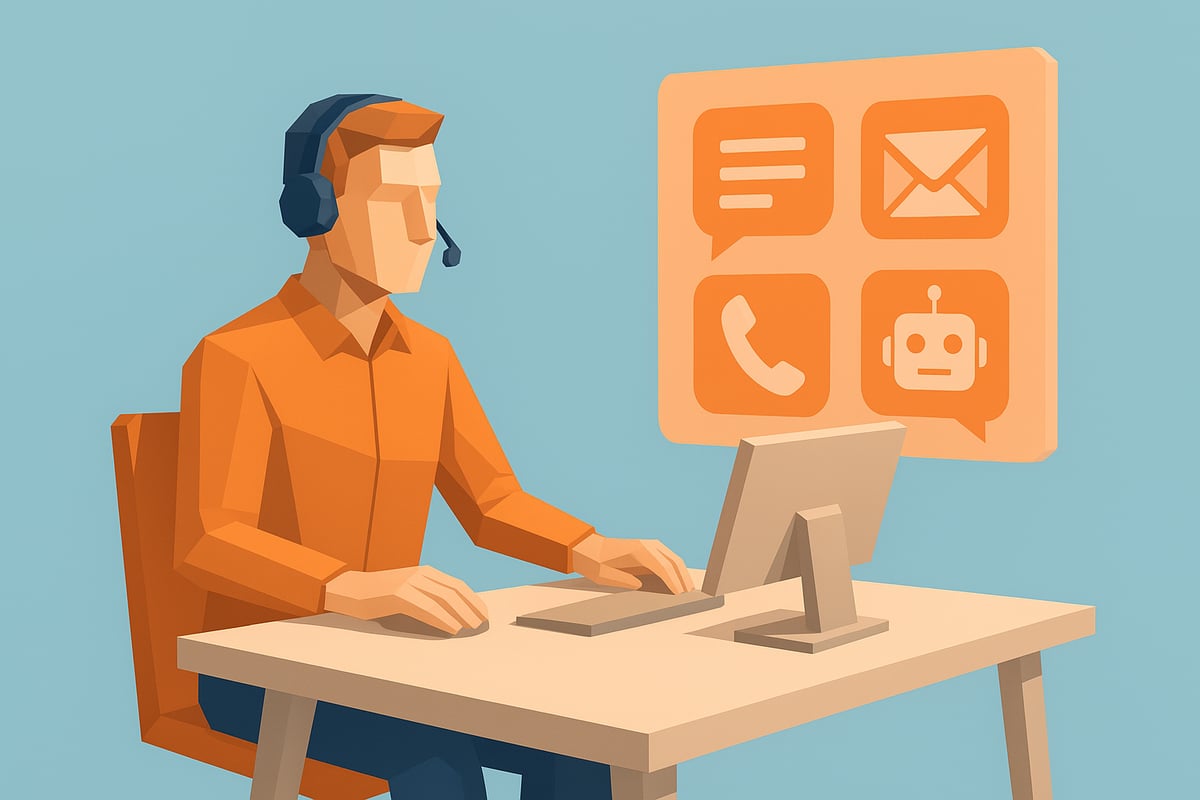
The STAR method (Situation, Task, Action, Result) is essential for structuring strong call center interview answers. Here are sample responses:
1. Handling a High-Pressure Situation
- Situation: During a peak hour, our system went down.
- Task: I needed to reassure customers and log issues.
- Action: I calmly informed each caller of the outage, filed tickets, and updated our team.
- Result: Customer frustration was reduced and all cases were resolved within the hour.
2. Resolving a Complex Customer Issue
- Situation: A customer received incorrect billing across multiple channels.
- Task: Investigate the error and provide a solution.
- Action: I reviewed their account, coordinated with billing, and updated the customer through chat and email.
- Result: The issue was corrected and the customer appreciated the timely updates.
Using the STAR method helps you deliver clear, impactful stories in any call center interview.
Scenario-Based Practice Questions
Call center interviewers in 2026 often use scenario-based questions to assess how you handle real challenges. Practice with these:
- An AI chatbot escalates a frustrated customer to you. How do you regain their trust?
- You receive simultaneous queries via chat, email, and phone. How do you prioritize and respond?
- A remote customer faces technical issues with your company’s app. How do you troubleshoot from afar?
- You must deliver disappointing news about a delayed order on social media. What tone and steps do you use?
For more scenarios and practice tools, explore some of the best interview preparation sites to boost your call center interview readiness.
Dos and Don’ts for Call Center Interview Answers
Mastering your call center interview response style is as important as content. Follow these guidelines:
Do:
- Be honest and specific in your answers.
- Stay positive, even when discussing challenges.
- Tailor examples to the role and company.
Don’t:
- Give vague or generic responses.
- Speak negatively about former employers.
- Rely on clichés instead of personal stories.
Keeping these tips in mind will help you present your best self in any call center interview.
Essential Resources for Ongoing Interview Preparation
Preparing for a call center interview in 2026 requires more than just reviewing common questions. You need to tap into modern resources, adapt to changing technologies, and present yourself as a skilled, forward-thinking candidate. The following tools and strategies will help you stay ahead in a highly competitive field.
Leveraging Online Platforms and Mock Interviews
Virtual interview platforms are essential for practicing real-world scenarios and receiving instant feedback. Many candidates benefit from AI-driven simulations that mimic actual call center interview questions and test your responses under pressure.
If you are new to interviews, resources like Interview preparation for freshers offer targeted guidance for building confidence. Scheduling regular mock interviews, either with peers or mentors, helps you refine your delivery, improve your body language, and address areas for growth.
Staying Up-to-Date with Industry Trends
Call center technology and best practices evolve rapidly, so continuous learning is non-negotiable. Following industry blogs, professional forums, and trend reports keeps you informed about emerging tools, automation, and customer expectations.
For example, reviewing insights from 2026 Call Center Trends Analysis can help you anticipate the types of questions and skills that may arise in your next call center interview. Staying current demonstrates initiative and adaptability to interviewers.
Building a Personal Brand for Call Center Careers
Your digital footprint matters more than ever in the call center interview process. Optimize your LinkedIn profile to showcase relevant skills, certifications, and measurable achievements. Use your headline and summary to highlight your passion for customer service and adaptability in tech-driven environments.
Share industry-related content, join professional networks, and engage with thought leaders. A strong online presence can attract recruiters and help you stand out among other call center interview applicants.
Creating an Interview Preparation Checklist
A structured approach can make your call center interview preparation more effective. Use this simple checklist to stay organized:
- Research the company and its customer service philosophy
- Practice responses to common and scenario-based questions
- Prepare insightful questions for the interviewer
- Test your technology and set up a distraction-free environment
- Draft a professional follow-up message
Checking off each item ensures you are ready for every aspect of the call center interview process.
Additional Tools and Templates for Job Seekers
Access to the right templates and resources can streamline your call center interview journey. Look for customizable resume and cover letter templates tailored for customer service roles. Scenario practice worksheets and self-assessment tools can help you identify and improve key competencies.
Many platforms offer downloadable checklists, follow-up email templates, and skill assessment quizzes. Using these resources helps you present yourself as a well-prepared and proactive call center interview candidate.
You’ve just explored the essential skills and strategies you’ll need to ace your call center interview in 2026, from mastering omnichannel communication to confidently handling scenario-based questions. As you prepare to put these tips into action, having the right tools can make all the difference. With CareerConcierge io, you get AI-powered support for resume writing, tailored applications, and interview prep—everything designed to help you shine in a competitive job market. Why not take the next step in your career journey and Get Started Free?