Interview Preparation for Freshers Guide: Your 2026 Success Path
Master interview preparation for freshers with expert tips on research, answering questions, confidence building, and modern tools for your 2026 job search success.
Landing your first job interview in 2026 is a milestone. Are you truly prepared to ace it?
For freshers, the job market is evolving rapidly. New technologies, shifting employer expectations, and increased competition bring both challenges and opportunities.
Strategic interview preparation for freshers has never been more important. The right approach can set you apart from other candidates and boost your confidence throughout the process.
This guide delivers a step-by-step plan for interview success in 2026. You will learn about different interview types, research techniques, crafting powerful answers, building confidence, and using the latest tools.
Get ready to master every stage of your interview journey.
Understanding the 2026 Interview Landscape
The landscape for interview preparation for freshers in 2026 is rapidly changing. With technological advances and shifting employer expectations, knowing what to expect is crucial. Let us explore the evolving job market, the types of interviews you may face, and what employers truly value.
The Evolving Job Market for Freshers
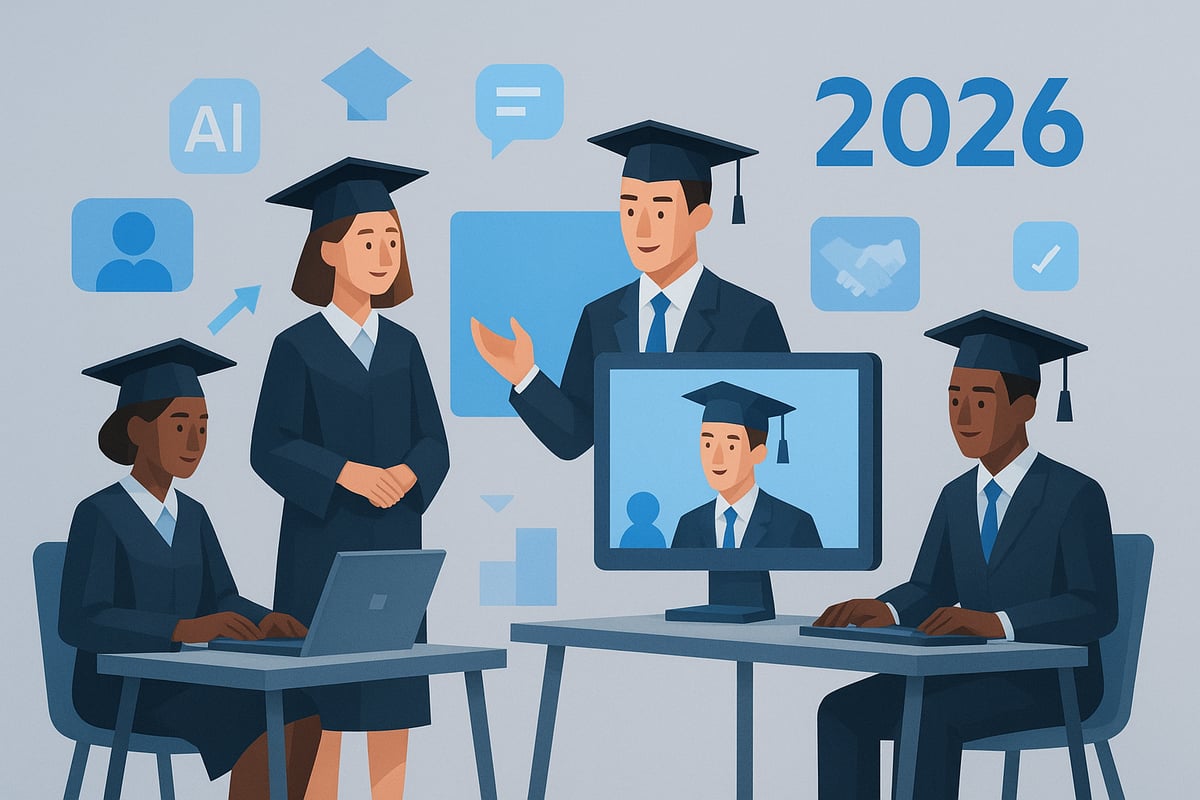
The job market in 2026 is shaped by AI and automation, transforming how companies hire and what they expect from new talent. Many entry-level roles now require a blend of technical know-how and soft skills. Digital literacy is essential, as most business operations rely on technology.
Adaptability is another key trait. As industries continue to evolve, those who can quickly learn and adjust will stand out. Communication remains vital, both in virtual and in-person environments. According to LinkedIn Global Talent Trends, 67 percent of recruiters now prioritize soft skills over technical expertise.
For effective interview preparation for freshers, it is important to understand the skills in demand:
| In-Demand Skills (2026) | Why They Matter |
|---|---|
| Digital Literacy | Use of digital tools, platforms |
| Adaptability | Adjust to rapid changes |
| Communication | Clarity in diverse settings |
| Problem-Solving | Tackle new challenges |
| Teamwork | Collaborate across locations |
These trends highlight why interview preparation for freshers must focus on both technical and interpersonal development. For more on current soft skill trends, see Soft Skills in Demand.
Types of Interviews You’ll Encounter
Interview preparation for freshers now involves understanding several interview formats. While traditional in-person interviews remain, virtual and video interviews have become the standard for initial screening. According to a recent Jobvite Survey, 82 percent of companies use video interviews early in their hiring process.
You may also encounter group interviews or assessment centers, where teamwork and communication are evaluated. Technical and case-based interviews are common in fields like IT, engineering, and consulting. Each format requires a unique approach, so being ready for all scenarios is a must.
Common interview types in 2026 include:
- In-person interviews (face-to-face)
- Virtual/video interviews (remote, often first round)
- Group interviews (multiple candidates together)
- Assessment centers (problem-solving tasks)
- Technical/case-based interviews (role-specific challenges)
Effective interview preparation for freshers means practicing for each format, understanding the required skills, and adapting to the latest technologies used by employers.
What Employers Are Looking For in 2026
Employers in 2026 are seeking more than just academic achievements. They value candidates who demonstrate a strong cultural fit and a growth mindset. Being able to show evidence of problem-solving and critical thinking is now essential.
Using real-world examples, especially with the STAR method (Situation, Task, Action, Result), helps you stand out. Employers want to see how you have navigated challenges and adapted to different work environments, including remote and hybrid settings.
Key attributes employers seek:
- Cultural fit with company values
- Willingness to learn and grow
- Problem-solving ability
- Adaptability to remote/hybrid work
- Clear, concise communication
In summary, interview preparation for freshers in 2026 means building a holistic skillset, understanding emerging interview formats, and aligning with employer expectations. Staying updated on these trends increases your chances of interview success.
Step 1: Research and Preparation Fundamentals
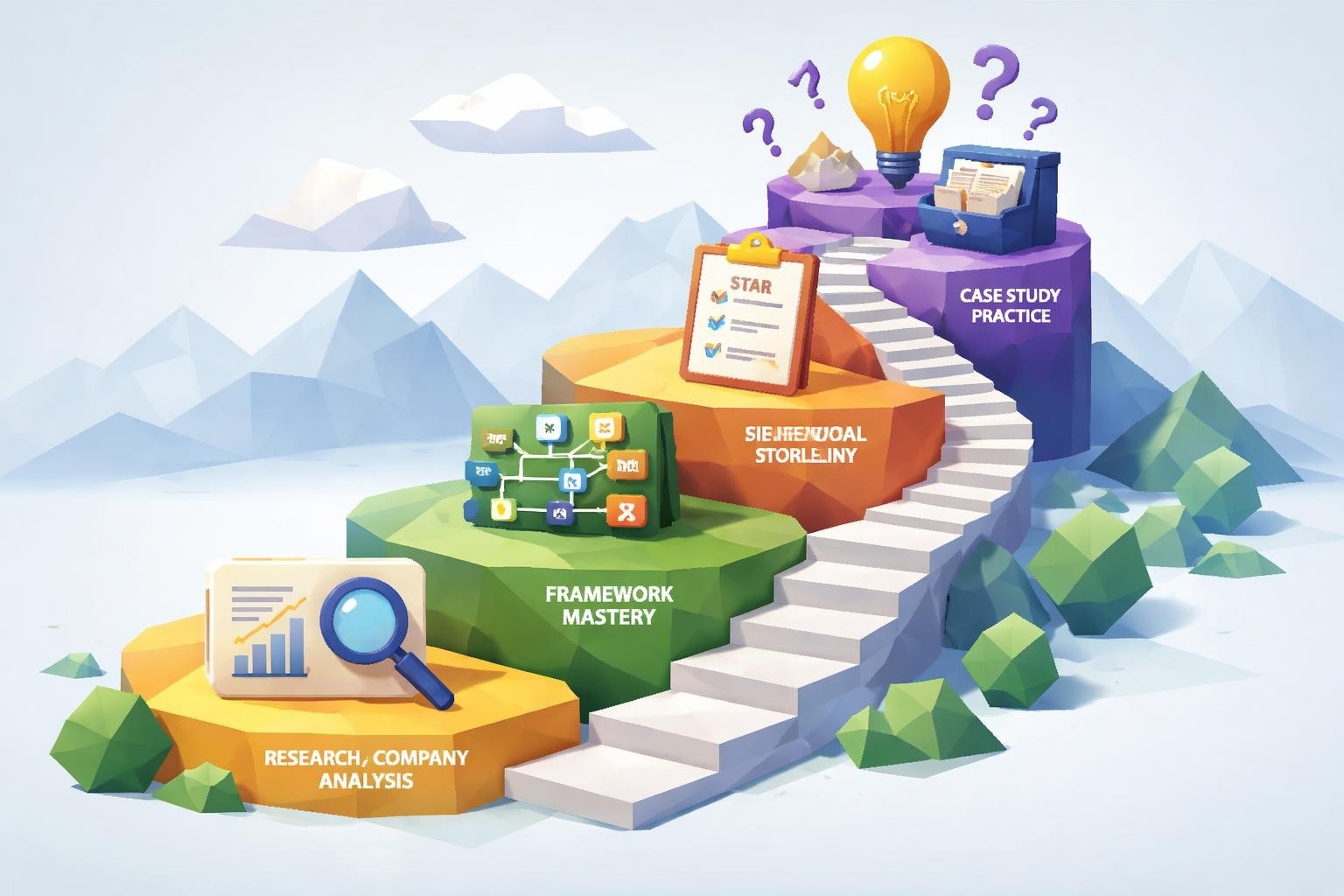
Starting your career journey means mastering the essentials of interview preparation for freshers. The competition in 2026 is fierce, but thorough research and careful planning will set you apart. This step is about laying a strong foundation, so you can approach each interview with clarity and confidence.
Company and Role Research
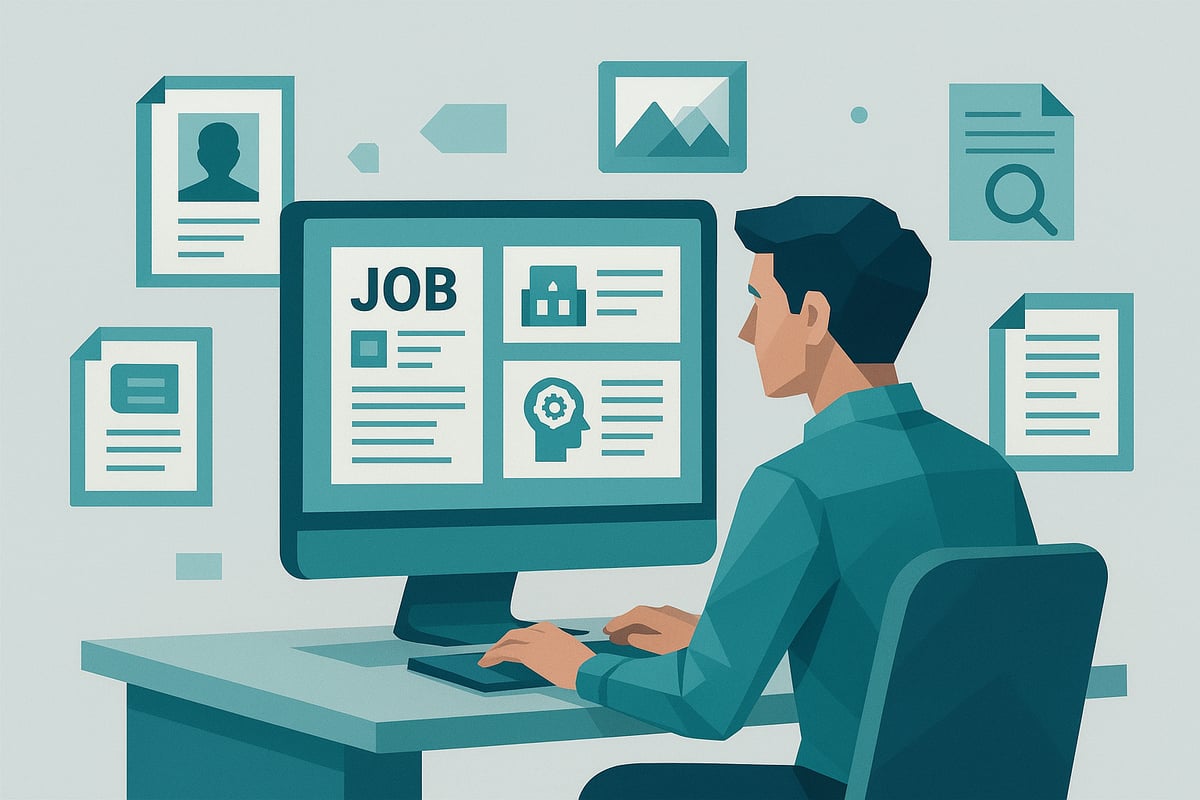
Effective interview preparation for freshers starts with in-depth research into both the company and the specific role. Begin by analyzing job descriptions, noting key requirements, and identifying the most frequently mentioned keywords. These clues tell you exactly what employers are seeking.
Next, explore the company's culture. Use platforms such as Glassdoor, LinkedIn, and the organization's official website. Look for employee reviews, company values, and recent achievements. Understanding workplace culture helps you tailor your responses and show genuine interest.
Did you know that 47% of candidates fail interviews because they haven't researched the company enough? This statistic underscores why interview preparation for freshers must include detailed background checks. Create a checklist to track your findings and ensure you are not missing crucial details.
- Analyze job descriptions for keywords
- Investigate company culture and values
- Review recent news and achievements
- Check employee testimonials
By focusing on these areas, you can confidently align your answers with what the employer is looking for.
Understanding the Industry Context
A crucial part of interview preparation for freshers involves grasping the bigger picture: the industry context. Each sector evolves rapidly, especially with technology and AI reshaping job roles in 2026. Staying informed about industry trends and challenges helps you stand out.
Start by reading recent news articles, industry reports, and thought leadership blogs. Pay attention to major shifts, such as the growing impact of AI in the tech industry or sustainability trends in manufacturing. For example, tech freshers should be aware of how AI-driven disruption is transforming entry-level positions.
Create a table to summarize your industry research:
| Source Type | Example | Key Takeaway |
|---|---|---|
| News Article | TechCrunch | AI automates entry roles |
| Industry Report | Deloitte Insights | Upskilling is essential |
| Company Blog | Official Website | New sustainability initiative |
Having this context allows you to speak confidently about current events and future trends during your interview.
Preparing Your Documents and Portfolio
Your resume and portfolio are the first impression you make, so they must be tailored to each role. Interview preparation for freshers means updating your documents to reflect relevant skills and experiences. Review the job posting and match your qualifications to the requirements listed.
When refining your resume, focus on clear formatting, active language, and quantifiable achievements. Include certifications, academic projects, and extracurricular activities that highlight your strengths. Organize your digital and physical portfolios for easy access.
Avoid common mistakes like typos or outdated information. For more guidance, see Crafting resume for job interviews, which provides tips on aligning your resume with interview success.
Checklist for your application documents:
- Update resume and cover letter for each role
- Highlight certifications and projects
- Organize digital and physical portfolios
- Proofread for accuracy
Well-prepared documents increase your chances of getting noticed and moving forward in the process.
Leveraging AI Tools for Preparation
Modern interview preparation for freshers is powered by technology. AI-driven platforms streamline your efforts, making it easier to optimize resumes and practice interview questions. These tools analyze your application for Applicant Tracking System (ATS) compatibility, ensuring you pass initial screenings.
Platforms like CareerConcierge.io offer mock interview questions, feedback, and performance analytics. Use these resources to identify gaps in your responses and refine your delivery. Practicing with AI tools can boost your confidence and readiness.
Take advantage of:
- Resume optimization platforms
- Mock interview simulators
- STAR method guidance
- Personalized feedback
By integrating technology into your interview preparation for freshers, you’ll approach each opportunity with a strategic edge.
Step 2: Mastering Common Interview Questions and Answers
Securing your first interview is a major achievement, but knowing what to expect can make all the difference. Interview preparation for freshers is not just about memorizing answers, but about understanding the logic behind each question and how to respond with confidence.

Most Frequently Asked Questions in 2026
Interview preparation for freshers in 2026 means anticipating the questions that matter most. Employers want to see more than just technical skills; they are exploring your motivation, adaptability, and potential.
Common questions include:
- “Tell me about yourself.” Focus on your journey, highlighting skills relevant to the role.
- “Why do you want to work here?” Reference specific company projects or values that resonate with you.
- “What are your strengths and weaknesses?” Be honest, but always show growth or learning.
- “Describe a challenge you overcame.” Use examples from academics, internships, or extracurriculars.
- Technical or field-specific questions, such as coding challenges for IT or campaign analysis for marketing roles.
Preparing for these questions is a core element of interview preparation for freshers. Practice makes your responses authentic and memorable.
Structuring Your Answers for Maximum Impact
The structure of your responses can set you apart. Using the STAR method—Situation, Task, Action, Result—helps you create clear, concise, and impactful answers.
For example:
| Question | STAR Example Response |
|---|---|
| "Describe a challenge you overcame." | Situation: Final year project deadline was tight. Task: Lead a team of 4. Action: Organized tasks and facilitated communication. Result: Delivered a working app, improving workflow by 30%. |
Avoid vague statements. Instead, quantify achievements and highlight your contribution. For more strategies on structuring responses, explore Using the STAR method in interviews.
Interview preparation for freshers should always include practicing the STAR framework. It brings clarity and confidence to your answers.
Handling Tricky and Unusual Questions
Not every interview will go as planned. You may face questions about employment gaps, low grades, or lack of direct experience. The best approach is to be transparent while steering the conversation toward your strengths.
For situational or hypothetical questions, take a moment to think. Walk through your reasoning step by step, demonstrating problem-solving skills.
Consider these tips:
- If asked about a gap, explain what you learned or how you stayed productive.
- For “Where do you see yourself in 5 years?” share both ambition and willingness to grow with the company.
- When experience is lacking, focus on transferable skills and relevant coursework.
Handling the unexpected with poise is a vital part of interview preparation for freshers.
Practicing and Refining Your Responses
The final step in interview preparation for freshers is consistent practice. Mock interviews, whether with friends, mentors, or AI-powered tools, help you identify weak points and refine delivery.
Try recording yourself answering common questions. Review for clarity, tone, and confidence. According to research, candidates who practice aloud are 40% more likely to perform well.
Tips for effective practice:
- Set aside dedicated time for mock sessions.
- Use feedback constructively.
- Adjust your answers, focusing on clarity and conciseness.
With every practice round, interview preparation for freshers becomes more natural, making you ready for any challenge.
Step 3: Building Confidence and Communication Skills
Building confidence and mastering communication skills are essential parts of interview preparation for freshers. Whether you are meeting with employers in person or online, these abilities help you stand out and make a lasting impression. This step covers the vital elements you need to focus on to ensure you present yourself as a capable, professional candidate in 2026.

Non-Verbal Communication and Body Language
Non-verbal cues play a critical role in interview preparation for freshers. Studies show that 55% of communication is non-verbal, which means your body language often speaks louder than your words.
- Maintain steady eye contact to show confidence and engagement.
- Keep your posture upright and relaxed.
- Use purposeful gestures, such as nodding to signal understanding.
In both in-person and video interviews, a composed demeanor helps you appear professional. Remember, even a virtual setting can convey enthusiasm through your expressions and gestures.
Overcoming Interview Anxiety
Feeling anxious is natural, especially during interview preparation for freshers. However, managing these nerves is crucial for success.
Try these techniques:
- Practice deep breathing to steady your mind.
- Visualize a successful interview to boost positivity.
- Use mindfulness to stay present before and during the conversation.
Preparation is your best defense against anxiety. Arrive early for in-person interviews or complete a tech check for virtual meetings. For extra support, AI-powered interview preparation tools can help freshers gain confidence with realistic mock interviews and instant feedback.
Effective Verbal Communication
Clear, concise speech is fundamental in interview preparation for freshers. Avoid filler words like "um" or "like," which can undermine your message.
Tips for strong verbal communication:
- Speak at a steady pace to ensure clarity.
- Use professional language and tone throughout the conversation.
- Structure your answers logically, especially when addressing complex questions.
Practicing your responses aloud helps you refine your delivery and increase self-assurance.
Active Listening and Engagement
Active listening is often overlooked in interview preparation for freshers, yet it is just as important as speaking well. Engaged candidates respond thoughtfully and build rapport with interviewers.
- Listen fully before answering questions.
- Ask clarifying questions to show genuine interest.
- Nod or provide brief verbal acknowledgments to demonstrate attentiveness.
Candidates who ask insightful questions are twice as likely to receive offers, making this skill invaluable.
Dressing for Success in 2026
Attire remains a key part of interview preparation for freshers, even as remote interviews become more common. Adapt your outfit to the company culture and format of the interview.
- For virtual interviews, choose professional clothing and avoid distracting patterns.
- For in-person meetings, research company dress codes and dress slightly more formal than the standard.
A polished appearance signals respect for the opportunity and helps you feel more confident.
Step 4: The Day of the Interview—What to Expect and How to Excel
The interview day is your moment to shine. All the interview preparation for freshers leads to this point, where attention to detail and confidence can make all the difference. Knowing what to expect and how to act at each stage ensures you present your best self and maximize your chances of success.
Pre-Interview Checklist
A thorough pre-interview checklist is essential for effective interview preparation for freshers. Start by gathering all necessary documents, including your updated resume, transcripts, and portfolio. Double-check your technology setup for virtual interviews, ensuring your camera, microphone, and internet connection work smoothly.
Review any directions to the interview location or virtual login details the day before. Prepare a list of thoughtful questions to ask the interviewer, demonstrating your research and enthusiasm. Organize your workspace so everything you need is within reach, minimizing distractions and helping you stay calm and focused.
Managing First Impressions
First impressions are powerful, especially during interview preparation for freshers. As you enter the interview, greet your interviewer with a confident smile and a firm handshake or a polite virtual introduction. Set up your interview space to look professional, with a clean, well-lit background and minimal noise.
For video interviews, pay attention to your camera angle and lighting. Dress appropriately, matching the company's dress code whether in person or online. Remember, a positive attitude and professional demeanor can set you apart in those crucial first moments.
Navigating the Interview Flow
Navigating the interview flow is a critical skill in interview preparation for freshers. Listen carefully to each question, allowing the interviewer to finish before responding. Take a brief pause to collect your thoughts if needed, showing you are thoughtful and composed.
If facing a panel or multiple interviewers, maintain eye contact with each person, and address your answers to the group. Use clear, concise language, and structure your responses using frameworks like STAR to keep your answers focused and impactful. Staying present and engaged throughout signals strong communication skills.
Handling Unexpected Situations
Even with careful interview preparation for freshers, unexpected situations can arise. Technical issues, such as audio glitches or connectivity problems, are common in virtual interviews. Stay calm, communicate the issue politely, and troubleshoot quickly. If a challenging or curveball question comes up, take a moment to think, then answer honestly and positively, framing any mistakes as learning experiences.
With the rapid AI's Impact on Hiring Practices, some interviews may include AI-driven assessments or automated screening, requiring you to adapt on the spot. Flexibility and resilience will help you overcome these hurdles gracefully.
Post-Interview Etiquette
The final step in interview preparation for freshers is mastering post-interview etiquette. Send a personalized thank-you email within 24 hours, expressing appreciation for the opportunity and reiterating your interest in the role. If you do not hear back within the stated timeline, follow up with a polite message to check on your application status.
Reflect on your performance, making notes for future improvement. Professional follow-up not only shows good manners but also keeps you top of mind with employers, increasing your chances of moving forward in the hiring process.
Step 5: Learning from Experience and Continuous Improvement
Every interview is a learning opportunity. For interview preparation for freshers, growth does not end after the conversation. Instead, it continues as you reflect, adapt, and refine your approach for the next opportunity. Let’s break down how to turn each experience into a stepping stone for long-term success.
Analyzing Interview Performance
Reflecting on your recent interview is crucial for interview preparation for freshers. Start by noting what went well and where you felt challenged. Keep an interview journal to record questions asked, your responses, and the interviewer’s reactions.
- List specific examples of strong answers you gave.
- Identify questions that caught you off guard.
- Note body language cues and your comfort level.
Ask for feedback when possible. Many interviewers are open to sharing insights if you request politely. Reviewing your performance helps pinpoint areas for improvement. For example, reviewing your resume for clarity is vital, as highlighted in Avoiding common resume mistakes. Use this feedback to refine your approach for future interviews.
Building Resilience After Rejection
Rejection is a natural part of interview preparation for freshers. Most candidates will face it, but resilience is what sets successful applicants apart. Remind yourself that each no brings you closer to a yes.
- Avoid taking rejection personally.
- Reach out to mentors or peers for encouragement.
- Set new goals and focus on your progress.
A real-life example: Many freshers land their first job within 3 to 6 months by persevering and learning from each setback. Keep your motivation high and remember that resilience is a skill you can strengthen with each application.
Upskilling Between Interviews
Between interviews, invest in building new skills to enhance interview preparation for freshers. Online courses, certifications, or workshops can make a significant difference. Even volunteering or freelancing offers practical experience that stands out in interviews.
Consider this table summarizing upskilling options:
| Upskilling Path | Benefit | Time Investment |
|---|---|---|
| Online Courses | New technical or soft skills | 2-8 weeks |
| Certifications | Industry-recognized credentials | 1-6 months |
| Volunteering | Real-world experience | Flexible |
Adding even one certification can boost your interview callbacks by 20 percent. Regularly update your resume and portfolio to reflect your latest achievements, and review resources like Avoiding common resume mistakes to ensure your documents are error-free.
Expanding Your Network and Opportunities
Networking is a powerful strategy in interview preparation for freshers. Many opportunities arise from connections rather than applications alone. Use LinkedIn to connect with industry professionals, join alumni groups, and attend career fairs or virtual events.
- Reach out to recent graduates for advice.
- Participate in industry webinars and discussions.
- Ask for informational interviews to learn about different roles.
According to the U.S. Bureau of Labor Statistics, 70 percent of jobs are found through networking. Building relationships increases your visibility and can lead to valuable referrals.
Staying Updated on Hiring Trends
The hiring landscape is always evolving, so staying informed is critical to interview preparation for freshers. Follow industry news, company updates, and recruitment trends to adapt your approach.
- Subscribe to newsletters or podcasts in your field.
- Monitor changes in interview formats, such as AI-driven assessments or gamified interviews.
- Explore reports like Global AI Talent Trends to understand how the demand for digital and AI skills is shaping recruitment.
Use feedback from past interviews to refine your preparation. Staying adaptable ensures you are always ready for what comes next.
As you take your first steps toward interview success in 2026, remember that the right preparation can make all the difference. We’ve covered everything from understanding the new interview landscape to building your confidence and mastering your answers. Now, it’s your turn to put these strategies into action. If you’re ready to optimize your resume, prepare smarter, and stand out from the competition, why not give yourself an edge with AI tools designed for today’s job market? You can Start for free and see how CareerConcierge.io can help you land your dream role.