Cracking the Coding Interview Guide: Your 2026 Success Blueprint
Unlock your 2026 success with this cracking the coding interview guide covering new trends, essential skills, AI tools, and proven strategies to secure top tech roles.
In 2026, the competition for software engineering roles is more intense than ever, with top companies seeking candidates who can stand out in a rapidly evolving landscape.
This guide is your definitive resource for cracking the coding interview, providing proven strategies tailored for the challenges of 2026.
You will discover how to understand shifting interview trends, master problem-solving, optimize your preparation, leverage cutting-edge tools, and develop a winning mindset.
Unlock your potential, gain a competitive edge, and follow this step-by-step blueprint to secure your next big opportunity in tech.
The 2026 Coding Interview Landscape: What’s Changed?
The world of cracking the coding interview has transformed dramatically by 2026. Candidates face a landscape shaped by remote-first processes, rapid AI adoption, and new expectations from top tech employers. Success now requires not just technical acumen but also adaptability and a strategic approach.
Evolving Interview Formats and Tech Trends
By 2026, coding interviews have embraced virtual-first and AI-driven formats. Companies rely on collaborative platforms for live coding, pair programming, and take-home assignments. AI tools now play a pivotal role, both in candidate preparation and in how interviewers assess problem-solving ability.
Virtual whiteboarding, code collaboration, and real-time feedback have become standard. Over 70% of FAANG interviews in 2026 include AI-proctored coding rounds, reflecting a shift toward fairness and scalability. According to AI's Impact on Coding Interviews, interviewers now evaluate not only code correctness but also efficiency and collaboration skills.
System design and behavioral questions are more prominent, with companies blending algorithmic challenges and practical engineering scenarios. As a result, cracking the coding interview means mastering both technical depth and real-world application.
Key Skills and Competencies in Demand
To excel at cracking the coding interview in 2026, candidates must demonstrate proficiency in core programming languages like Python, Java, JavaScript, and Go. Mastery of data structures and algorithms remains crucial, but real-world applications now take center stage.
Interviewers seek candidates with strong communication, teamwork, and adaptability, especially in remote environments. The ability to learn continuously and upskill is highly valued. Project-based learning, where candidates build and showcase real solutions, leads to a 30% higher callback rate.
Successful candidates combine technical expertise with soft skills, showing initiative and a commitment to growth. This holistic approach is now essential for standing out in a competitive market.
Common Pitfalls and How to Avoid Them
Many candidates stumble during cracking the coding interview by focusing too much on trick problems and neglecting practical engineering challenges. Ignoring behavioral or situational interview prep is another common misstep, as is underestimating the importance of system design and scalability.
Adapting to new interview technologies and formats is critical. Candidates who fail to embrace virtual platforms or AI-driven assessments risk falling behind. To avoid these pitfalls, balance your technical study with real-world problem-solving, behavioral prep, and continuous adaptation to the latest tools.
A well-rounded strategy ensures you are prepared for every aspect of the 2026 interview process.
Step-by-Step Preparation Blueprint for Cracking the Coding Interview
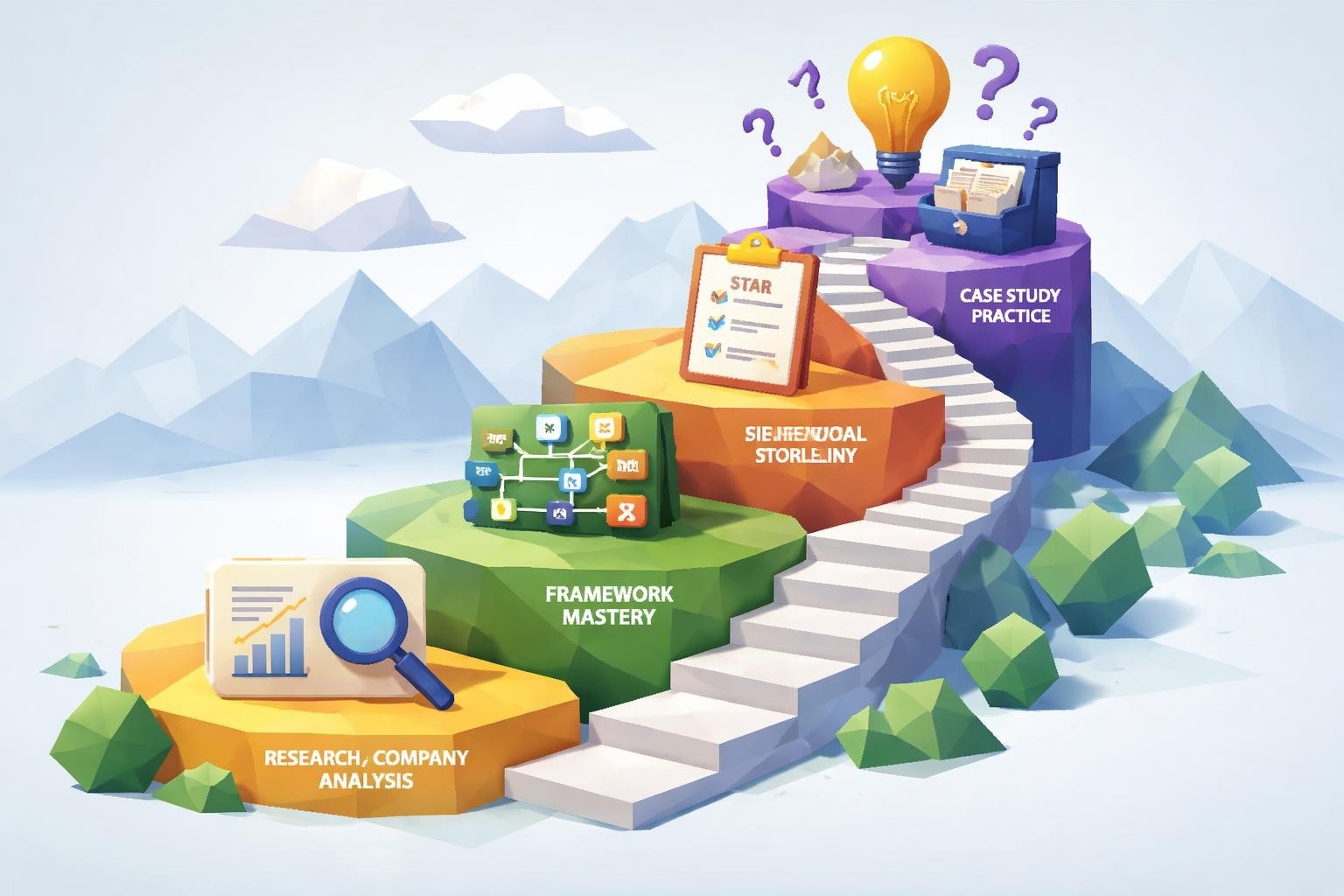
Preparing for coding interviews in 2026 demands a structured, results-driven approach. With competition fiercer than ever, following a clear, actionable plan is crucial for cracking the coding interview and landing your dream role. Here is a step-by-step blueprint to maximize your readiness and confidence.
Step 1: Assess Your Baseline & Set Clear Goals
Start your cracking the coding interview journey with a self-assessment. Identify your technical strengths and areas needing improvement. Review your recent projects, coursework, and past interview experiences to pinpoint gaps.
Next, research the interview formats and expectations of your target companies. Are they prioritizing system design, live coding, or behavioral assessments? Knowing this helps you align your preparation with current industry standards.
Set SMART goals for your interview prep:
- Specific: Define clear outcomes, like mastering dynamic programming.
- Measurable: Track progress with practice scores or problem counts.
- Achievable: Set realistic targets based on your schedule.
- Relevant: Focus on skills valued by top employers in 2026.
- Time-bound: Establish a prep timeline, such as eight weeks.
This foundation ensures each step in cracking the coding interview is purposeful and measurable.
Step 2: Master Core Data Structures and Algorithms
A strong grasp of data structures and algorithms is at the heart of cracking the coding interview. Build a study plan covering:
- Arrays, linked lists, trees, graphs, stacks, queues, and hash tables
- Sorting and searching algorithms
- Dynamic programming, recursion, and backtracking
Practice with problems commonly asked in 2024–2026 interviews. For example:
# Reverse a Linked List
def reverseList(head):
    prev = None
    curr = head
    while curr:
        next_temp = curr.next
        curr.next = prev
        prev = curr
        curr = next_temp
    return prev
Work through staple challenges like "Find First Occurrence in Sorted Array." Review solutions and analyze time and space complexity. Consistent practice in these areas is a non-negotiable part of cracking the coding interview and demonstrates your readiness for real-world tasks.
Step 3: Practice Coding Under Real Interview Conditions
Simulate the pressure and format of actual interviews to refine your skills. Use platforms like LeetCode, HackerRank, and CodeSignal for timed problem-solving sessions.
Tips for effective practice:
- Set a timer for each problem to mimic interview pacing
- Alternate between whiteboard, paper, and virtual coding environments
- Review failed attempts to identify recurring mistakes
Data shows that candidates who complete over 100 timed problems increase their pass rates by 40 percent. This focused, high-intensity practice is essential for cracking the coding interview and building confidence under pressure.
Step 4: System Design and Real-World Problem Solving
System design is now a critical part of cracking the coding interview, especially at leading tech companies. Study the fundamentals:
- Scalable architecture patterns
- API design best practices
- Database modeling and consistency approaches
Practice open-ended questions, such as “Design a URL shortener,” and discuss trade-offs for scalability, availability, and reliability. Use diagrams and tables to organize your thoughts. For a deeper dive, consult resources like System design mock interview tips for actionable strategies.
System design now accounts for 25 percent of technical interviews, so mastering this area is a game-changer for cracking the coding interview in 2026.
Step 5: Behavioral & Situational Interview Prep
Technical prowess alone is not enough for cracking the coding interview. Employers increasingly assess soft skills through behavioral and situational questions.
Structure your answers using the STAR framework (Situation, Task, Action, Result). Prepare stories that showcase:
- Teamwork and collaboration
- Leadership and initiative
- Conflict resolution and adaptability
Practice aloud with peers or mentors, focusing on clear, concise communication. Anticipate questions about remote work and cross-functional projects, as these are highly relevant in 2026. Consistently integrating behavioral prep gives you a competitive advantage in cracking the coding interview.
Step 6: Final Review and Mock Interviews
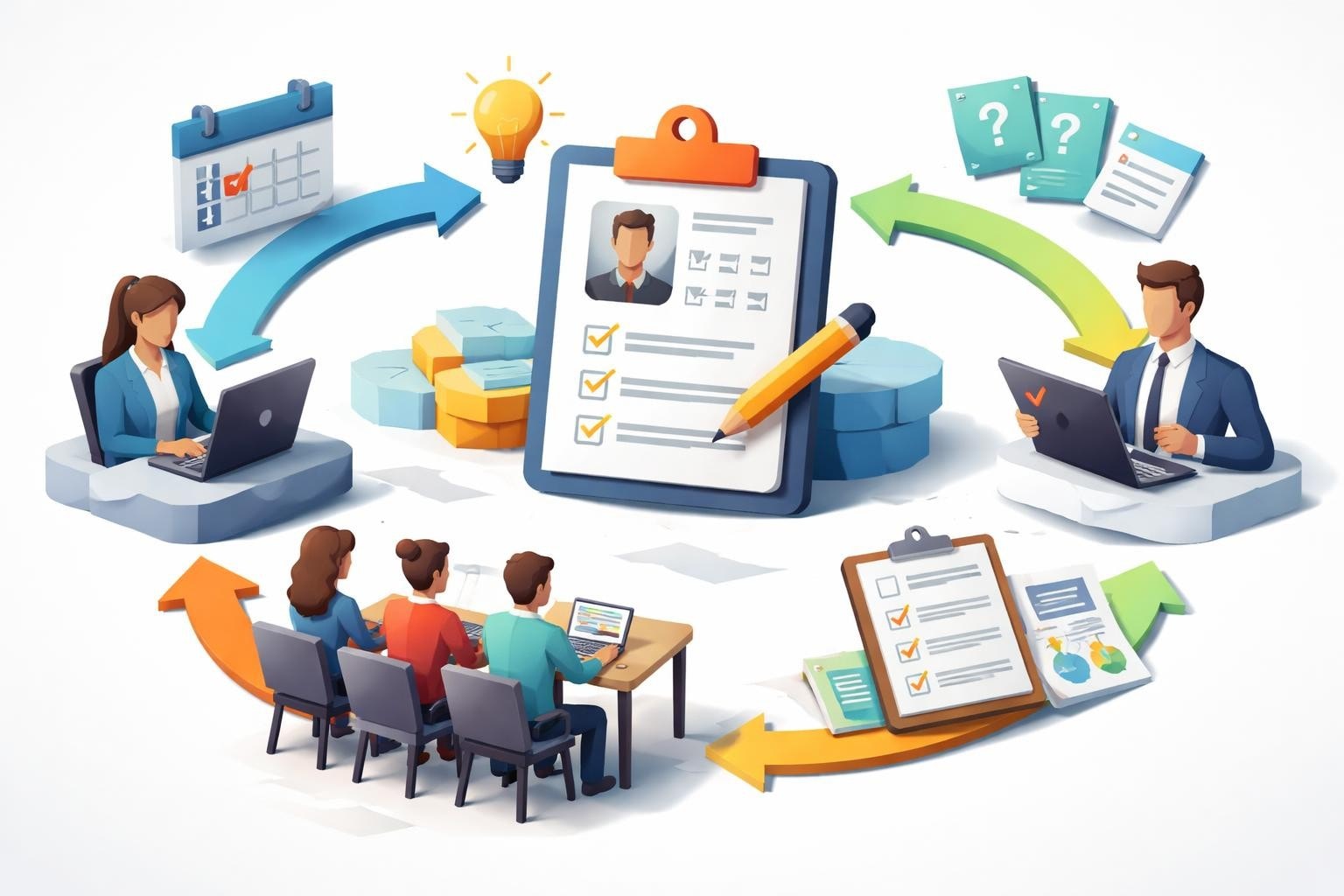
In the final stretch of cracking the coding interview, prioritize mock interviews and targeted review. Schedule sessions with peers, mentors, or professional coaches. Use digital tools to track your progress and identify last-minute areas for improvement.
Review common pitfalls, such as overcomplicating solutions or missing edge cases. Refine your answers and practice under realistic conditions. For a comprehensive readiness check, consult an interview preparation checklist to ensure you are covering every critical step.
This focused review phase cements your skills and boosts your confidence, setting you up for success in cracking the coding interview.
Leveraging Modern Tools and Resources for Interview Success
Success in cracking the coding interview in 2026 depends on how effectively you leverage modern tools and resources. Today’s candidates are expected to prepare with a blend of adaptive platforms, curated content, and supportive communities. The right mix of technology and strategy can transform your interview journey.
AI-Powered Learning and Practice Platforms
In 2026, AI-driven platforms have revolutionized how candidates approach cracking the coding interview. Platforms like LeetCode, HackerRank, CodeSignal, and AlgoExpert offer personalized learning paths, adaptive question sets, and instant feedback. These tools analyze your performance, highlight weak areas, and suggest targeted practice, saving valuable preparation time.
Modern features include real-time code analysis, performance benchmarking, and simulated interviews. Many platforms also offer collaborative coding environments, mirroring what you’ll face in virtual interview rounds. For those aiming to maximize their efforts, reviewing the best interview preparation websites can help you choose the most effective tools for your goals.
AI-powered analytics empower you to focus on high-impact areas, ensuring your skills align with the evolving expectations of interviewers. By consistently practicing on these platforms, you can build confidence and technical depth, both crucial for cracking the coding interview.
Utilizing Books, Courses, and Community Support
While digital platforms are essential, traditional resources remain invaluable for cracking the coding interview. Books like “Cracking the Coding Interview” and interactive online courses from platforms such as Udemy deliver structured content and in-depth explanations. These resources provide foundational knowledge in data structures, algorithms, and system design.
Joining online communities on Reddit, Discord, or Slack can accelerate your learning. Peer support groups offer accountability, encouragement, and fresh perspectives on tough problems. Many candidates exchange mock interview sessions, share study schedules, and celebrate milestones together.
A combination of self-study and community engagement leads to better retention and motivation. As you prepare, leverage these diverse resources to deepen your understanding and stay updated with the latest interview trends. This approach is a proven strategy for cracking the coding interview in 2026.
Tracking Progress and Staying Motivated
Effective tracking is a game-changer when it comes to cracking the coding interview. Digital tools like Trello, Notion, and built-in platform trackers help you set clear goals and visualize your progress. Many candidates find that gamification features, such as streaks and achievement badges, keep them motivated throughout months of preparation.
Consider creating a study plan that breaks down your preparation into manageable milestones. Regularly review your progress and adjust your approach as needed. This not only boosts consistency but also provides a sense of accomplishment as you check off each goal.
By maintaining a structured routine and leveraging progress trackers, you double your chances of sticking to your prep plan. Staying motivated and organized is just as crucial as technical mastery when it comes to cracking the coding interview.
Advanced Strategies: Standing Out in 2026 Coding Interviews
Securing your dream tech role in 2026 requires more than technical prowess. To truly excel, you need to go beyond the basics of cracking the coding interview. Advanced strategies now play a pivotal role in distinguishing stand-out candidates from the crowd.
Personal Projects and Open Source Contributions
A robust portfolio of personal projects is a powerful differentiator in cracking the coding interview. Recruiters actively seek candidates who demonstrate initiative through hands-on work. Publishing well-documented repositories on GitHub reveals not only your coding skills but also your commitment to continuous improvement.
Open source contributions are viewed as evidence of teamwork and adaptability. By solving real-world issues, reviewing pull requests, and collaborating with global teams, you showcase essential skills that interviews may not fully capture. In 2026, candidates who maintain active GitHub profiles are 35 percent more likely to receive interview offers, reinforcing the value of this approach.
To maximize your impact:
- Curate projects relevant to your target roles.
- Write clear READMEs and document your thought process.
- Engage with established open source projects to build credibility.
These efforts provide talking points during interviews and reflect your readiness for modern software engineering challenges.
Showcasing Soft Skills and Culture Fit
Technical ability alone is no longer enough for cracking the coding interview. Companies now assess soft skills and cultural alignment with equal rigor. Effective communication, leadership, and adaptability are highly prized, especially as remote work environments dominate in 2026.
Prepare to articulate your experiences using frameworks like STAR. Share stories that highlight your ability to collaborate, resolve conflicts, and adapt to change. Align your answers with the company's values and mission, demonstrating why you are a great fit for their culture.
Behavioral interviews now carry as much weight as technical rounds. Candidates who invest in refining their soft skills gain a distinct advantage. Practicing with peers and seeking feedback will help you present your authentic self and leave a lasting impression.
Navigating AI-Powered Interview Assessments
AI-driven coding assessments have reshaped the landscape of cracking the coding interview. Interview platforms increasingly use artificial intelligence to evaluate not just code correctness, but also efficiency, collaboration, and coding style. Understanding these metrics is essential for success.
Familiarize yourself with AI-powered mock interviews and analytics. These tools provide personalized feedback and highlight areas for improvement. As adoption rates soar, companies expect candidates to be comfortable with these formats. According to AI Coding Tools Adoption Rates, widespread use of AI coding tools has significantly boosted developer productivity and set new standards for code quality.
Ethical AI usage is also crucial. Always submit original work, and use AI assistants as learning partners, not shortcuts. Practicing in AI-proctored environments will help you adapt to these evolving expectations.
Continuous Learning and Upskilling
Staying current is vital for cracking the coding interview in 2026. Tech evolves rapidly, and top employers value candidates who demonstrate recent learning and upskilling. Invest in MOOCs, certifications, and online workshops to deepen your expertise and broaden your toolkit.
Track industry trends and learn new frameworks or programming languages relevant to your target roles. Regularly update your portfolio with new skills and certifications. Candidates who show evidence of continuous learning are favored in hiring decisions, as they signal adaptability and long-term potential.
Incorporate learning into your routine:
- Set monthly skill goals.
- Join study groups or online communities for peer support.
- Reflect on new knowledge in your project work.
By prioritizing growth, you not only boost your confidence but also increase your odds of interview success.
Building a Winning Mindset for Coding Interview Success
Success in cracking the coding interview in 2026 goes far beyond technical skill. Your mindset is the foundation for performance under pressure, adaptability, and long-term growth. Let us explore how to build resilience, confidence, and motivation to thrive in every stage of your journey.
Overcoming Interview Anxiety and Building Confidence
Interview stress is a common hurdle for anyone cracking the coding interview. The stakes feel high, but you can train your mind just as you train your coding skills.
Start with mindfulness techniques such as deep breathing and brief meditation. These practices help calm nerves and sharpen focus before interviews.
Visualization is another powerful tool. Picture yourself confidently solving problems and communicating solutions. Positive self-talk, like affirming your preparation, can shift your mindset from doubt to determination.
Consider reviewing the Google interview preparation guide for proven strategies to boost your confidence and demystify the process. Remember, each interview is an opportunity to grow, not a final judgment.
Developing Resilience Through Failure and Feedback
Setbacks are inevitable on the journey to cracking the coding interview. The key is to view each unsuccessful attempt as valuable feedback, not a defeat.
Embrace a growth mindset by analyzing what went well and where you can improve. After each interview or practice session, jot down lessons learned and actionable steps for next time.
Seek constructive feedback from mentors or peers. Honest critique accelerates your improvement and helps you bounce back stronger. Resilience is built through persistence and learning, not perfection.
Time Management and Productivity Hacks
Efficient preparation is essential for cracking the coding interview, especially when balancing other commitments. Create a structured study plan with clear, achievable milestones.
Here is a simple study routine example:
for day in week:
    review_core_concepts()
    solve_2_practice_problems()
    reflect_on_progress()
Use digital trackers, timers, and checklists to stay organized. Break study sessions into focused intervals, like the Pomodoro Technique, to maintain energy and prevent burnout. Track your progress to stay motivated and celebrate small wins along the way.
Building a Support System and Accountability Network
You do not have to face the challenges of cracking the coding interview alone. Building a network of peers, mentors, and study partners boosts motivation and consistency.
Join mock interview groups or online communities where you can practice, share resources, and receive encouragement. Accountability partnerships help you stick to your goals and provide mutual support during setbacks.
Consider this table for support options:
| Support Type | Benefits |
|---|---|
| Peer Groups | Motivation, shared resources |
| Mentors | Expert feedback, career advice |
| Online Forums | Diverse perspectives, Q&A |
A strong support system is often the difference between giving up and pushing through to success.
Preparing for the Future: Beyond the Coding Interview
Cracking the coding interview is not the end of your journey, but the beginning of a fulfilling tech career. Think long-term by setting new goals for skill growth, networking, and professional branding.
Stay curious and keep learning new technologies. Build connections within your industry and seek out mentors who inspire you. Regularly reflect on your progress to ensure you are aligned with your career aspirations.
By nurturing a winning mindset, you position yourself for ongoing success, no matter how the landscape evolves in 2026 and beyond.
As you prepare to tackle the evolving coding interview landscape in 2026, remember that mastering technical skills is just one part of the equation—you also need to present your best self on paper and in person. With CareerConcierge.io, you can streamline your entire job search journey, from crafting tailored resumes that stand out to sharpening your interview techniques with AI-powered tools. If you’re ready to put your blueprint into action and boost your chances of landing that dream tech role, Start for free and take control of your career path today.