The Essential Interview Resume Guide for 2025
Master your interview resume for 2025 with expert tips on trends, ATS optimization, personalization, and common mistakes to stand out and secure top roles.
In a rapidly evolving job market, your interview resume is your ticket to landing top roles in 2026. As competition intensifies, having a modern, tailored interview resume is more critical than ever. Candidates who master the latest strategies stand out from the crowd and increase their chances of success.
This guide is designed to give you a comprehensive, step-by-step approach to crafting an interview-ready resume that meets 2026 standards. We will cover resume essentials, formatting trends, personalization tips, common mistakes to avoid, and expert insights to help you secure your next interview.
Understanding the 2026 Interview Resume Landscape
Navigating the 2026 job market requires a fresh approach to your interview resume. With hiring practices evolving rapidly, candidates need to understand what employers look for in both virtual and in-person settings. The right interview resume can make the difference between landing an interview and being overlooked.
The Evolving Role of the Resume
In 2026, employer expectations for the interview resume have shifted dramatically. Recruiters now expect resumes to be tailored for each position, capturing not only skills and experience but also adaptability and digital fluency.
Resumes remain central to both in-person and virtual interviews. According to recent surveys, recruiters spend an average of just 6-8 seconds scanning each interview resume before making decisions. This means your most relevant information must stand out immediately.
AI-driven screening has become the norm, with applicant tracking systems (ATS) filtering thousands of applications. Employers use AI to match resumes with job descriptions, focusing on skills, keywords, and experience. For example, a marketing manager job description may prioritize "SEO strategy" and "campaign analytics," so a matching interview resume will highlight these terms prominently.
As a result, candidates must ensure their interview resume aligns with modern job requirements, using language and structure that resonates with both humans and AI.
Key Resume Trends for 2026
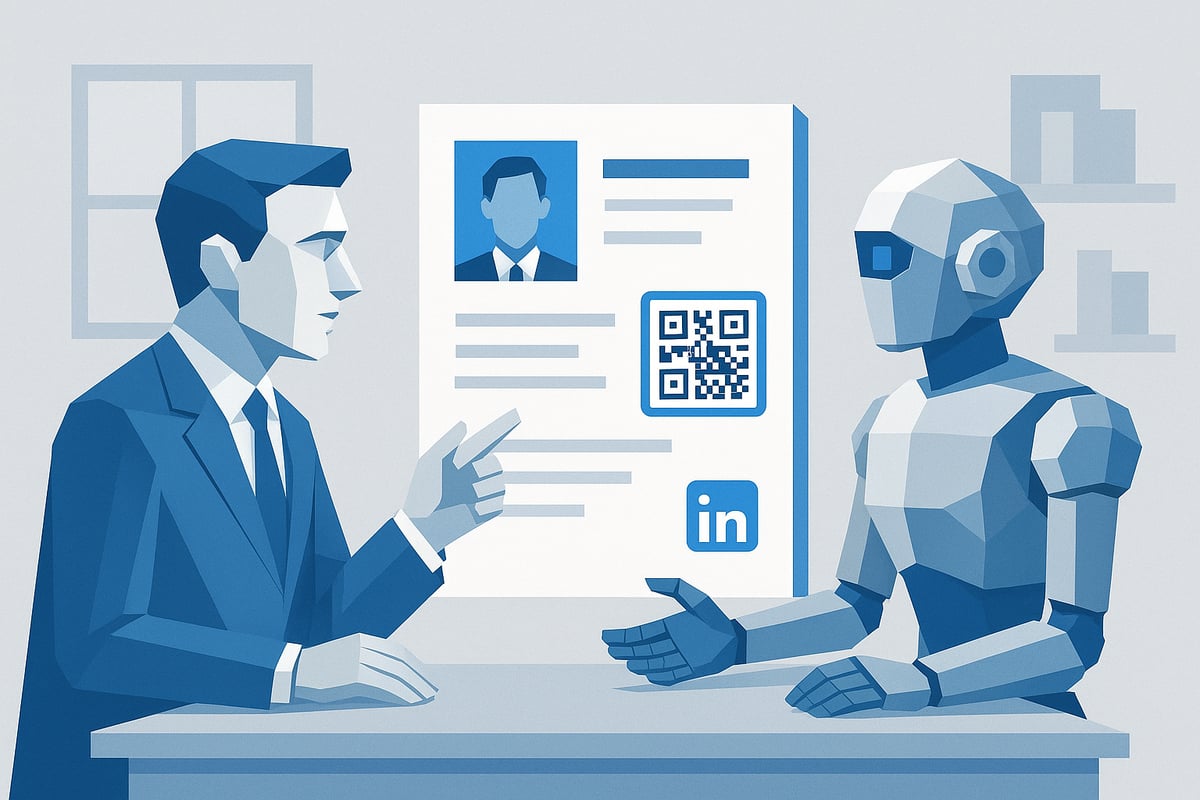
Interview resume trends in 2026 emphasize clarity, minimalism, and digital integration. The most successful resumes feature clean layouts, subtle color accents, and are formatted for ATS compatibility. Multimedia elements, such as QR codes linking to digital portfolios or LinkedIn profiles, are becoming standard.
Skills-based resumes have gained traction, focusing on what you can do rather than just where you have worked. Statistics show that over 70% of recruiters now prefer skills sections that are easy to scan and tailored to the role. For more on how formatting impacts recruiter decisions, see these Resume formatting insights.
Top-performing interview resume styles in 2026 use concise sections, bold headings, and strategic use of white space. Digital presence is increasingly vital, with LinkedIn integration and links to relevant work samples boosting credibility.
Essential Resume Sections for Modern Interviews
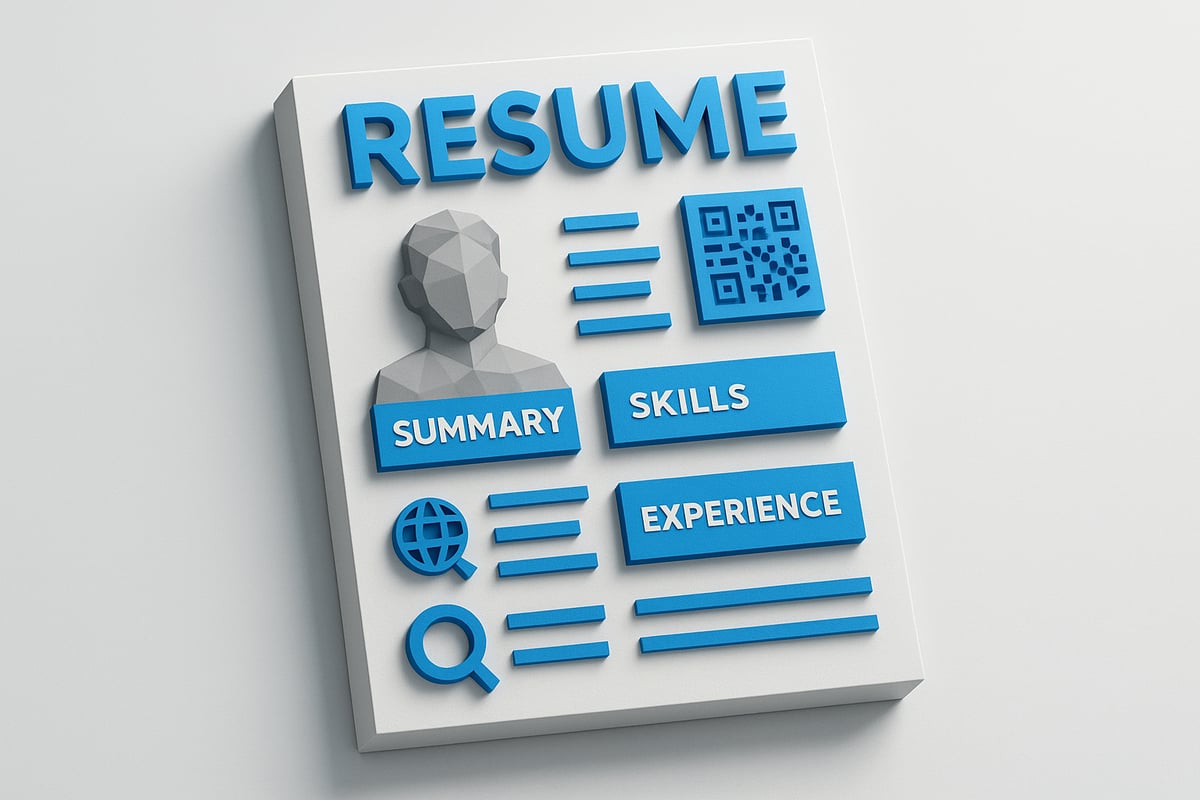
A winning interview resume must include these core sections:
- Contact Information: Name, phone, email, LinkedIn.
- Professional Summary: A concise overview tailored to the job.
- Skills: Both hard and soft skills relevant to the position.
- Experience: Previous roles, achievements, and impact.
- Education: Degrees, certifications, and relevant training.
- Certifications: Industry-specific credentials.
Quantifiable achievements are crucial. Use bullet points like:
- Improved sales by 30% within one year
- Led a team of 10 on a successful product launch
Optional sections, such as projects, volunteering, and languages, can help differentiate your interview resume. Keep content concise and targeted, ensuring every word adds value.
The Impact of ATS (Applicant Tracking Systems)
Applicant Tracking Systems now filter over 98% of Fortune 500 company applications. These systems scan each interview resume for keywords matching the job description, emphasizing the need for precise language and formatting.
ATS-friendly resumes use standard fonts, clear headings, and avoid graphics or unusual layouts. Keyword optimization is essential, so analyze job postings and reflect critical terms in your interview resume.
Below is a quick comparison:
| Feature | ATS-Friendly Resume | Non-ATS-Friendly Resume |
|---|---|---|
| Font | Arial, Calibri, Times | Decorative, script |
| Headings | Standard (bold, caps) | Custom, graphic |
| Graphics/Images | None | Icons, photos |
| File Format | .docx, .pdf | .jpg, .png |
A well-optimized interview resume not only passes ATS filters but also appeals to recruiters, increasing your chances of landing interviews.
Step-by-Step Guide to Crafting a Winning Interview Resume
Crafting a standout interview resume for 2026 requires a strategic, step-by-step approach. As competition grows and technology evolves, following a proven process will help you create a document that impresses both recruiters and AI-driven screening tools.
In this section, you’ll find a detailed breakdown of each essential step, complete with actionable advice and examples. Whether you’re a seasoned professional or new to the workforce, mastering each phase will elevate your interview resume and boost your chances of landing top roles.
Step 1: Research the Role and Employer
Begin your interview resume by thoroughly researching the job description and employer. Identify the key skills, qualifications, and attributes listed in the posting. Analyze the company’s values, work culture, and industry trends.
Tailoring your interview resume for each opportunity is proven to increase callback rates. For example, a resume that echoes the employer’s language and highlights exact requirements will stand out over a generic submission. According to industry data, tailored resumes are up to 50% more likely to receive interview invitations.
Use online resources, company websites, and recent news to align your interview resume with what matters most to the employer. This groundwork sets the stage for every section that follows.
Step 2: Choose the Right Resume Format
Selecting the appropriate structure for your interview resume is crucial. The three primary formats are:
| Format | Best For | Description |
|---|---|---|
| Chronological | Consistent work history | Lists roles in order |
| Functional | Career changers or gaps | Emphasizes skills |
| Hybrid | Most professionals in 2026 | Mixes skills and experience |
A chronological format works well for those with steady growth in one field. Functional resumes focus on skills, ideal for career pivots. Hybrid formats are preferred in 2026, blending strengths of both.
Consider using trusted resources like How to Make Your Resume Better for tips on selecting and optimizing your format.
Match your format to your goals and the employer’s expectations. This choice will help your interview resume pass both human and automated reviews.
Step 3: Write a Compelling Professional Summary
A strong professional summary is the first thing recruiters see on your interview resume. In 2026, summaries should be concise, results-driven, and tailored to the role.
Weak summary:
“Hardworking team player seeking growth opportunities.”
Strong summary:
“Results-oriented marketing specialist with 6 years’ experience increasing campaign ROI by 30%, passionate about leveraging data analytics for digital growth at innovative firms.”
Your summary should reflect the employer’s needs and use relevant keywords. Focus on what sets you apart, not generic statements. This section is your elevator pitch—make every word count.
Step 4: Highlight Skills and Achievements
Showcase your most relevant skills and achievements in your interview resume. Use action verbs and quantify your results wherever possible.
Example for a data analyst:
- Analyzed large datasets to identify trends, increasing efficiency by 20%.
Example for a nurse:
- Implemented patient care protocols, reducing readmission rates by 15%.
The most in-demand skills for 2026 include digital literacy, adaptability, and emotional intelligence. Tailor your skills section to the requirements of each job posting. This targeted approach demonstrates your value and readiness for the role.
Step 5: Optimize for ATS and Recruiter Readability
Most employers use Applicant Tracking Systems (ATS) to screen resumes. To ensure your interview resume passes these filters, use clear section headings, standard fonts like Arial or Calibri, and avoid graphics or images.
Integrate keywords from the job description naturally. Here’s a before-and-after example:
Before:
“Managed projects.”
After:
“Managed cross-functional project teams, delivering software releases on time and within budget.”
This approach increases the chances of your interview resume making it to a human reviewer, while remaining easy to scan for recruiters.
Step 6: Incorporate Modern Enhancements
Enhance your interview resume by including modern elements such as links to digital portfolios, personal branding statements, or QR codes leading to your LinkedIn profile.
For example, add a QR code in the header that directs recruiters to your online portfolio. Use a brief personal branding statement to summarize your unique value proposition.
These enhancements make your interview resume interactive and demonstrate digital savvy, a key trait in 2026.
Step 7: Proofread and Seek Feedback
Finally, ensure your interview resume is completely error-free. Even minor typos can lead to immediate rejection. Use spell checkers, read your resume aloud, and ask peers or mentors to review it.
Professional editing services can provide an extra layer of polish. Studies show that over 60% of recruiters will discard a resume with spelling or grammatical errors.
Taking time to proofread and gather feedback is the finishing touch that ensures your interview resume makes a strong impression.
Personalization and Customization Strategies for 2026
Modern job seekers must go beyond the basics to create an interview resume that stands out in 2026. Personalization is no longer optional, it is the standard that recruiters expect. Candidates who strategically tailor their documents for each opportunity are far more likely to capture attention and secure interviews.
Tailoring Resumes for Each Interview
Every interview resume should be uniquely crafted for its intended role. Recruiters quickly spot generic documents, and these often get overlooked. Analyze each job description, identifying the employer’s top priorities. Adapt your professional summary and skills to mirror these needs, showing direct alignment.
For example, a tailored interview resume for a tech startup might highlight agile project experience, while the same candidate could emphasize regulatory compliance for a healthcare employer. Studies show tailored applications increase callback rates by over 50 percent. For actionable strategies, see these Resume Tips for Job Applications.
Customizing each submission demonstrates genuine interest and effort, both highly valued by hiring teams.
Leveraging Industry-Specific Keywords
Integrating the right keywords is vital for any interview resume in 2026. Start by scanning job postings for recurring terms, required certifications, and specific tools. Use these keywords throughout your skills, experience, and summary sections.
For instance, a finance interview resume should mention “risk analysis,” “GAAP compliance,” or “financial modeling.” In healthcare, terms like “electronic health records” or “patient care” are crucial. In tech, focus on “cloud platforms,” “DevOps,” or “machine learning.”
These keywords not only appeal to human reviewers but also ensure your document passes ATS filters. A strategic approach to language increases your odds of progressing to the next stage.
Addressing Career Gaps and Transitions
A modern interview resume requires transparency about career gaps or shifts. Rather than hiding these periods, explain them constructively. Highlight upskilling, certifications, freelance projects, or volunteer experiences during gaps.
If you are transitioning careers, use your summary to connect transferable skills and motivations to the new field. For example, a teacher moving into corporate training should spotlight communication, curriculum development, and leadership.
Employers in 2026 appreciate honesty and adaptability. Clear explanations and relevant skills help bridge any perceived gaps, making your application stronger and more credible.
Showcasing Soft Skills and Emotional Intelligence
Soft skills are increasingly critical for interview resume success in 2026. Traits like collaboration, adaptability, and problem-solving are highly sought after across industries. However, simply listing soft skills is not enough.
Demonstrate them through quantifiable achievements. For example, “Led a cross-functional team of 8 to deliver a project 2 weeks ahead of schedule” evidences leadership and teamwork. Use bullet points to show how you applied these abilities in real scenarios.
A balanced interview resume blends hard and soft skills, presenting you as a well-rounded, future-ready candidate.
Integrating Digital Footprints and Online Presence
Your online presence is now an extension of your interview resume. Include links to your LinkedIn profile, digital portfolio, or personal website. QR codes can offer quick access to multimedia projects or recommendations.
Employers often research candidates online before interviews. A strong digital footprint, complete with endorsements and project samples, reinforces your credibility. For creative or technical roles, showcasing work samples online can set you apart.
Remember to keep all public profiles professional and consistent with your resume. This integration increases your chances of making a memorable impression.
Common Interview Resume Mistakes to Avoid in 2026
A standout interview resume can open doors, but even small mistakes can close them quickly. As 2026 approaches, recruiters are becoming less forgiving of common pitfalls. Knowing what to avoid is just as important as knowing what to include. Let's explore the most frequent interview resume errors and how to sidestep them.
Overused Phrases and Clichés
Many candidates still pack their interview resume with tired expressions like "hardworking team player" or "results-driven professional." Such phrases lack impact and fail to differentiate you. Recruiters have seen these clichés countless times, and they often skip resumes that feel generic or formulaic.
Common clichés to avoid:
- "Go-getter"
- "Detail-oriented"
- "Excellent communication skills"
- "Works well under pressure"
Instead, show your value through specific, measurable achievements. For example, replace "excellent communicator" with "led cross-functional teams in delivering three client projects on time." For more insights, review these common resume mistakes to avoid to ensure your interview resume stands out.
Formatting Errors and Design Pitfalls
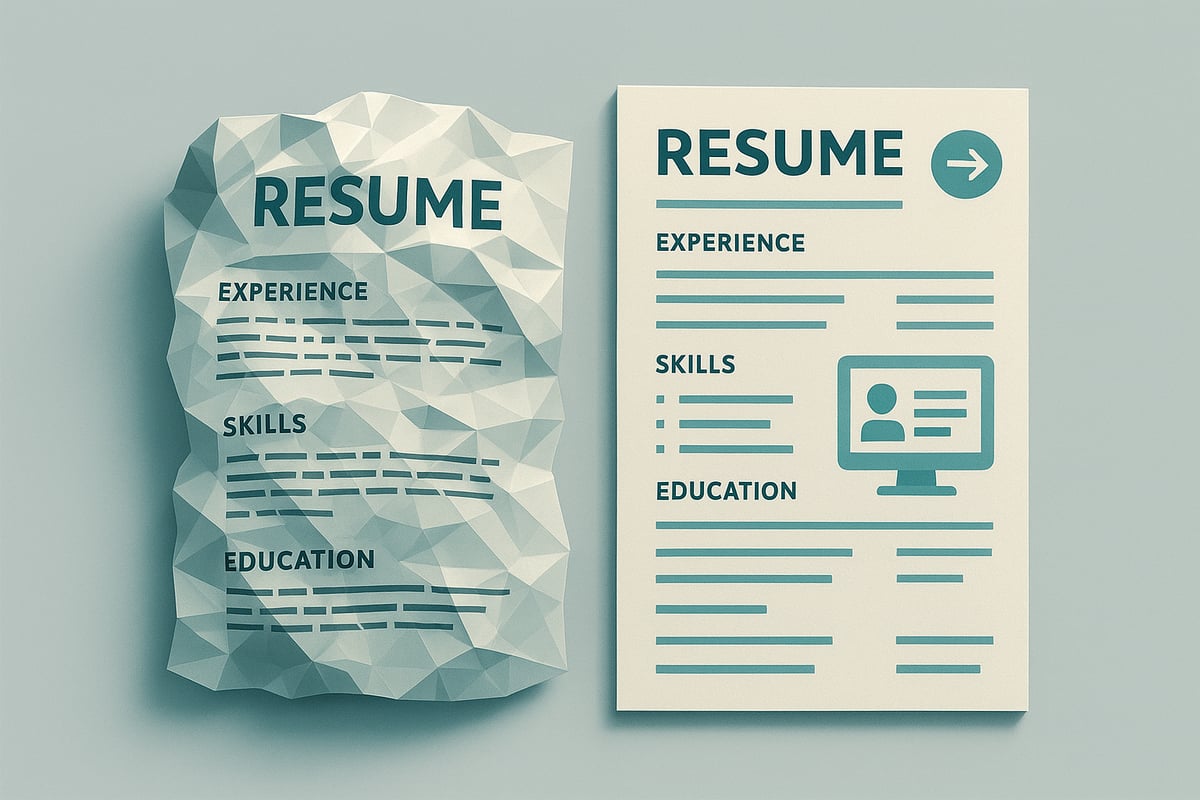
A cluttered or inconsistent interview resume can be a dealbreaker. Frequent formatting mistakes include inconsistent font sizes, dense paragraphs, and lack of white space. These issues make it hard for recruiters and ATS systems to scan your document.
Formatting pitfalls:
- Mixed fonts and sizes
- No clear section headings
- Overuse of color or graphics
- Dense text with no bullet points
A well-formatted interview resume uses standard fonts, clear headings, and concise bullet points. Consider this before-and-after example:
| Problematic Format | Improved Format |
|---|---|
| Dense text, mixed fonts | Consistent font, bullet points |
| No section breaks | Clear section headings |
Prioritize readability to leave a lasting impression.
Ignoring ATS Optimization
In 2026, nearly every employer uses Applicant Tracking Systems (ATS) to filter resumes. If your interview resume is not ATS-friendly, it may never reach human eyes. Common errors include using graphics, unusual fonts, or missing keywords from the job description.
ATS mistakes:
- Inserting text in headers or footers
- Using images or charts for key info
- Skipping role-specific keywords
To pass ATS checks, use standard formatting and integrate keywords directly from the job posting. For example, a non-ATS-friendly resume might use a graphic for skills, while an optimized one lists them in plain text.
Inadequate Quantification of Achievements
Vague statements dilute the impact of your interview resume. Recruiters want to see results, not just responsibilities. If your bullet points lack numbers, percentages, or tangible outcomes, your achievements may be overlooked.
Vague vs. Quantified:
- Vague: "Improved sales"
- Quantified: "Increased sales by 15 percent within six months"
Use numbers to demonstrate your contributions. Quantified results add credibility and help your interview resume stand out in a crowded field.
Neglecting Soft Skills and Personal Branding
Employers in 2026 value soft skills and a strong personal brand as much as technical abilities. Omitting these can make your interview resume appear one-dimensional. Failing to highlight adaptability, leadership, or emotional intelligence is a missed opportunity.
Risks of omission:
- Resume feels generic
- Lacks evidence of cultural fit
- Misses chance to showcase unique strengths
Integrate soft skills through achievement stories and personal branding statements. For example, "Facilitated team collaboration, leading to a 20 percent reduction in project delivery time." This approach adds depth and relevance to your interview resume.
Expert Insights and Advanced Tips for 2026 Interview Resumes
Staying ahead in the competitive world of interview resume writing means learning from those who hire, as well as leveraging the latest technology and best practices. The following expert insights and advanced tips will help you craft an interview resume that stands out in 2026.
Insights from Recruiters and Hiring Managers
Recruiters in 2026 are clear about what makes an interview resume effective. According to leading hiring managers, clarity, precision, and relevance are non-negotiable. A common deal-breaker is a resume cluttered with outdated jargon or generic statements.
One recruiter shared, "We look for measurable achievements and clear alignment with our job requirements." This means your interview resume should showcase not only your technical abilities but also your ability to contribute tangible results. Recent data suggests that over 75% of recruiters prefer resumes that highlight both hard and soft skills. Avoiding vague language and focusing on specifics will set your interview resume apart from the competition.
The Role of AI and Automation in Resume Review
Artificial intelligence now plays a crucial role in screening every interview resume. Automated systems scan for keywords, structure, and relevance within seconds. In fact, over 98% of Fortune 500 companies use Applicant Tracking Systems, making optimization essential for every candidate. For more on this topic, see Applicant Tracking Systems usage statistics.
To ensure your interview resume passes the initial AI screening, use clear job-specific keywords and standard formatting. Avoid graphics or unusual fonts, as these may confuse automated readers. AI also checks for consistency, so double-check your sections and bullet points to maintain a professional appearance.
Advanced Personalization Techniques
Personalization goes far beyond addressing the company by name. In 2026, storytelling is a powerful tool for your interview resume. Weaving brief narratives about overcoming challenges or leading teams can make your achievements memorable.
Consider including a personal branding statement at the top of your interview resume. This concise summary should reflect your unique value and future potential. Unique approaches, such as custom color accents or a small, relevant infographic, can also help your application stand out, as long as they remain ATS-friendly. Remember, personalization must always align with the job description.
Staying Updated with Resume Best Practices
The interview resume landscape shifts rapidly, so continuous learning is vital. Top resources include resume-focused blogs, industry reports, and webinars from career development experts. Following thought leaders on LinkedIn and subscribing to reputable newsletter updates ensures you never miss emerging trends.
Set a calendar reminder to review and update your interview resume every quarter. This keeps your content current and reflective of the latest industry expectations. Staying proactive in your learning will help you remain competitive in 2026.
Addressing Diversity, Equity, and Inclusion (DEI)
In 2026, employers value interview resume submissions that reflect inclusive language and diverse experiences. Many organizations now look for DEI statements that show a candidate’s commitment to fostering a welcoming environment.
To demonstrate this on your interview resume, include examples of collaboration across diverse teams or participation in DEI initiatives. Use language that avoids bias and highlights respect for all backgrounds. Employers are increasingly prioritizing candidates who can contribute to a culture of equity and inclusion.
Utilizing Resume Enhancement Tools and Platforms
Technology is revolutionizing how job seekers create an interview resume. Free and premium resume builders now offer AI-driven optimization, ATS compliance checks, and design templates tailored for 2026 standards. For a comprehensive review of the top options, see Top Rated Free Resume Builders.
These tools can streamline the process, ensuring your interview resume is both visually appealing and structurally sound. Features like automated grammar checks, keyword analyzers, and instant formatting adjustments allow you to focus on content quality.
Preparing for the Interview with Your Resume
Your interview resume is not just a document, it is your script for the interview itself. Use it as a reference point to practice your responses, focusing on the key achievements and skills you have listed.
Role-playing interview questions using your interview resume helps you speak confidently about your experience. Preparation in this way directly links to interview success, as it ensures you are ready to elaborate on every section of your resume with clarity and detail.
After exploring the latest trends, essential resume sections, and expert strategies for 2026, you now have a solid foundation to craft a standout interview resume. If you’re ready to put these insights into action and truly optimize your job search, I encourage you to take the next step. With CareerConcierge.io, you can access professional resume templates, AI-powered enhancements, and a free ATS checker to make sure your application gets noticed. You deserve every advantage in today’s competitive market—why not give yourself the tools to succeed?
Start for free