The Expert Guide to Job Applying Cover Letter (2026)
Master the 2026 job applying cover letter with expert tips for ATS optimization, advanced personalization, and proven strategies to boost your interview success.
Did you know that in 2026, over 80% of job applications are filtered by Applicant Tracking Systems before reaching a human recruiter? In this evolving landscape, a well-crafted job applying cover letter is essential for making your application stand out.
Mastering the art of the modern cover letter can significantly boost your chances of landing an interview in today’s highly competitive job market. This article offers a comprehensive, expert guide to writing a job-winning cover letter in 2026.
We will explore the current job landscape, break down essential cover letter components, share advanced personalization strategies, highlight common mistakes, and introduce expert tools to help you succeed.
The 2026 Job Market: Why Cover Letters Still Matter
The job applying cover letter remains a vital tool, even as recruitment moves deeper into the digital era. In 2026, over 80% of Fortune 500 companies rely on advanced AI and applicant tracking systems (ATS) to filter candidates before a recruiter ever reads their resume. This intense competition means that a job applying cover letter can be the deciding factor between landing an interview or being filtered out.
The Rise of AI and ATS in Recruitment
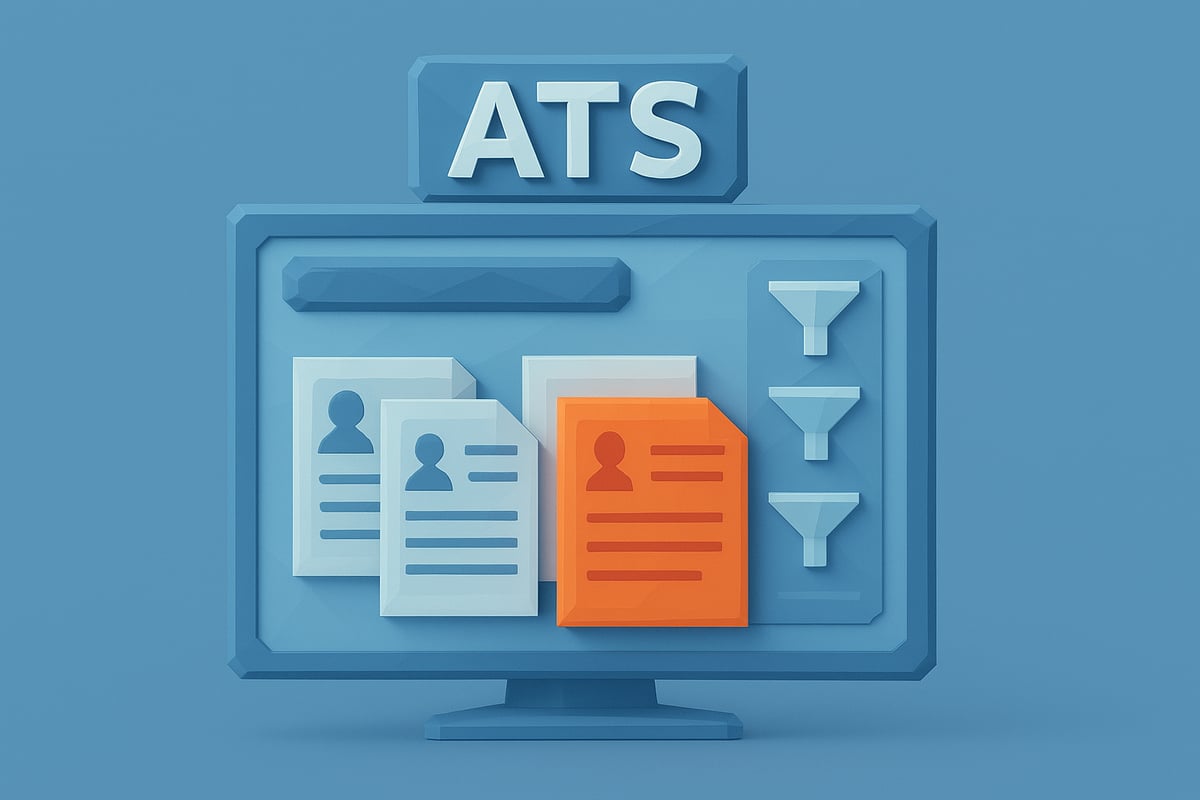
Artificial intelligence and ATS have changed how companies approach hiring. In 2026, 95–98% of major organizations use these systems to automate the review of applications. These platforms scan resumes for keywords, structure, and relevance, but they also analyze cover letters for unique content and personalization.
A job applying cover letter offers a way to bypass the impersonal nature of automation. Recent recruiter surveys reveal that 65% still reference cover letters as a key differentiator. Candidates who submit well-crafted, tailored cover letters often make it past the initial automated screen. For example, applicants who included a job applying cover letter that addressed the company’s current projects or culture were 2.5 times more likely to be shortlisted.
Consider the following data table:
| Metric | Percentage (2026) |
|---|---|
| Fortune 500s using ATS | 95–98% |
| Recruiters citing cover letter value | 65% |
| Applicants with tailored cover letters | 2.5x more likely |
A job applying cover letter is no longer optional. It is a strategic asset in a world where technology decides who advances.
Employer Expectations in 2026
Post-pandemic, employers value authenticity and cultural fit more than ever. Despite digital screening, 72% of hiring managers in 2026 report reading the job applying cover letter, especially for mid-to-senior roles. This signals that companies are looking beyond technical skills to find candidates who align with their mission and values.
Personalization is crucial. Employers expect each job applying cover letter to address their company’s unique challenges, culture, and goals. Referencing the organization’s recent achievements or initiatives in your letter demonstrates genuine interest and effort. For example, mentioning a company’s sustainability project or new product launch can set your application apart.
A job applying cover letter that mirrors the company’s language and values shows you have done your research. This attention to detail helps you stand out in a crowded, automated field and makes a lasting impression on decision-makers.
The Competitive Edge of a Tailored Cover Letter
In a market dominated by automation, a tailored job applying cover letter is your chance to showcase what a resume cannot. Soft skills, passion, and motivation are difficult to quantify but critical for success. Candidates who share specific examples of achievements and connect their values to the company’s culture often secure interviews, even against stiff competition.
Recruiters consistently highlight that a compelling job applying cover letter demonstrates initiative and adaptability. Case studies in 2026 show candidates who personalize their cover letters receive more callbacks, especially when they address both the role and the company’s future direction. Insights from hiring experts confirm that a strong cover letter is still a must-have for job seekers aiming to stand out. As Hiring Experts Explain Why Cover Letters Still Matter in 2026, it is clear that the job applying cover letter continues to bridge the gap between automated screening and genuine human connection.
Essential Elements of a Modern Cover Letter
A job applying cover letter in 2026 is more than a tradition, it is a strategic tool for standing out in a crowded digital job market. Recruiters and AI systems alike expect clear structure, targeted content, and a professional yet engaging tone. Mastering these essentials will help your application rise above the rest, ensuring your value is seen by both algorithms and hiring managers.
Structuring Your Cover Letter for 2026
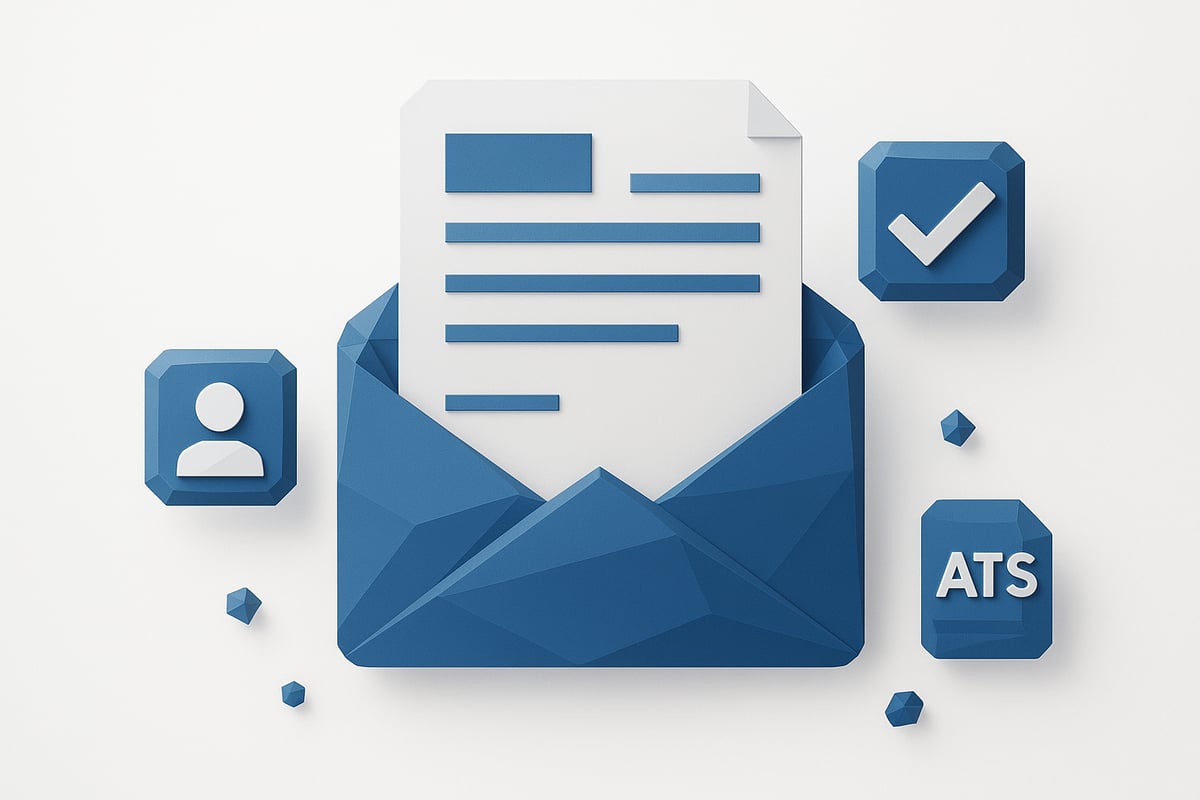
The structure of your job applying cover letter is critical for both human readers and Applicant Tracking Systems (ATS). In 2026, most recruiters expect a standard yet concise format that showcases your professionalism.
Recommended format:
- Header (name, contact info, date)
- Greeting (addressed to hiring manager)
- Opening (attention-grabbing statement)
- Body (achievements, skills, cultural fit)
- Closing (call to action, signature)
Aim for 250–400 words, using a clean font like Arial or Calibri, 11–12pt. Avoid graphics, tables, or unusual formatting that could confuse ATS software. Here’s a quick reference table for an effective layout:
| Section | Purpose | Best Practice |
|---|---|---|
| Header | Contact details | Align left, no images |
| Greeting | Personalize to hiring manager | Use real name if possible |
| Opening | Hook the reader quickly | Show enthusiasm |
| Body | Link experience to job requirements | Use bullet points if needed |
| Closing | Summarize value, invite next step | Express gratitude |
For those seeking efficiency and ATS compatibility, consider using an AI-powered cover letter generator tool to ensure your job applying cover letter meets all 2026 standards. These tools help maintain correct structure, optimize keyword usage, and personalize content for each role.
Key Content to Include
A standout job applying cover letter always begins with a personalized greeting. Addressing the hiring manager by name signals genuine interest and attention to detail. If the name is unavailable, use "Dear Hiring Team" or "Dear [Department] Manager" as a professional alternative.
Start with a compelling opening statement. For example: "As a data-driven marketing specialist with a proven track record in scaling campaigns, I am excited to contribute to Company X’s innovative growth strategy." Highlight your most relevant achievements using quantifiable results, such as "In my previous role, I increased client engagement by 40 percent within six months."
Demonstrate alignment with the company’s mission, values, and the specific requirements of the job. Use phrases like, "Your commitment to sustainability resonates with my experience leading green initiatives," to directly connect your background to the employer’s priorities.
Include:
- 2–3 top achievements linked to the job description
- Evidence of soft skills like leadership or adaptability
- Specific examples that reflect the company’s culture
Recruiters in 2026 consistently respond to job applying cover letters that blend personal storytelling with clear, data-driven results.
Tone, Style, and Language Trends
The tone of your job applying cover letter should be confident, positive, and professional. Use active voice and inclusive language to engage both the recruiter and the ATS.
Avoid clichés like "hard worker" or "team player." Instead, opt for specific, descriptive phrases such as "collaborated with cross-functional teams to deliver a 25 percent improvement in project timelines." Tailored language is a must, as data shows personalized cover letters in 2026 receive 2.5 times higher response rates.
Keep sentences concise, and break up large blocks of text for readability. Proofread carefully to ensure your job applying cover letter is error-free, as even small mistakes can impact your credibility.
Step-by-Step Guide: Crafting a Winning Cover Letter
Writing a job applying cover letter in 2026 requires both strategic thinking and a personal touch. With recruiters relying on advanced ATS and AI systems, your approach needs to be targeted, relevant, and highly optimized. This guide will take you through each essential step so you can craft a job applying cover letter that stands out in today’s competitive market.
Step 1: Research the Company and Role
Begin your job applying cover letter by thoroughly researching the company and role. Start with the job description, identifying key skills, qualifications, and responsibilities. Take note of repeated terms or unique requirements, as these often signal priority competencies.
Next, explore the company’s website, social media, and recent news. Look for mission statements, core values, and recent achievements. Understanding these elements allows you to tailor your language and show genuine interest.
For example, if a company highlights sustainability, reference their green initiatives in your letter. Investigate employee testimonials or company culture pages to uncover insights you can weave into your job applying cover letter. This foundation ensures your letter speaks directly to the employer’s needs and ethos.
Step 2: Personalize Your Greeting and Opening
A personalized greeting immediately sets a positive tone for your job applying cover letter. Whenever possible, address the hiring manager by name. If the name is unavailable, use a specific title or department, such as “Dear Marketing Team Lead” instead of a generic salutation.
Craft a strong opening that aligns with the company’s goals. For example:
As a digital marketing specialist passionate about sustainable growth, I am excited to contribute to GreenFuture’s mission of eco-friendly innovation.
This approach quickly demonstrates your awareness of the company’s objectives. Avoid bland introductions. Instead, connect your expertise or values with the organization’s vision, ensuring your job applying cover letter grabs attention from the start.
Step 3: Showcase Relevant Skills and Achievements
The main body of your job applying cover letter should highlight your top two or three skills that align with the job requirements. Reference quantifiable achievements to provide evidence of your impact.
For instance, you might write:
In my previous role, I increased client engagement by 40 percent through targeted social media campaigns, which aligns with your objective to expand digital outreach.
Use bullet points to emphasize multiple accomplishments:
- Led cross-functional teams to deliver projects ahead of schedule
- Improved workflow efficiency by implementing automation tools
- Consistently exceeded quarterly targets by at least 20 percent
By mapping your experience to the employer’s needs, your job applying cover letter becomes a compelling narrative of your suitability for the position.
Step 4: Demonstrate Cultural Fit and Motivation
Employers in 2026 value cultural fit as much as technical skills. Use your job applying cover letter to express genuine enthusiasm for the company’s mission and values. Mention specific company initiatives or philosophies that resonate with you.
For example:
Your focus on employee development and innovation mirrors my commitment to continuous learning and creative problem-solving.
Explain how your personal values align with the organization’s culture. Highlight any experiences that reflect adaptability, teamwork, or leadership, as these qualities are often sought after. When your job applying cover letter communicates both motivation and alignment, you increase your chances of making a memorable impression.
Step 5: End with a Strong Closing and Call to Action
Conclude your job applying cover letter by succinctly summarizing your value proposition. Reiterate your excitement about the opportunity and invite the recruiter to take the next step.
Sample closing:
I am eager to bring my expertise in data-driven marketing to your dynamic team. Thank you for considering my application. I look forward to the possibility of discussing how I can contribute to your continued success.
Always express gratitude and signal your openness for further discussion. A confident, enthusiastic closing leaves a positive final impression and encourages the reader to act on your job applying cover letter.
Step 6: Review, Edit, and Optimize for ATS
Before submitting your job applying cover letter, meticulously review and edit for clarity, grammar, and keyword alignment. Ensure your formatting is simple, using standard fonts and avoiding images or tables that may confuse applicant tracking systems.
Utilize online tools to check ATS compatibility. For instance, you can use the ATS Checker for Job Applications to ensure your job applying cover letter is parsed correctly and meets modern recruitment standards.
Proofread multiple times, possibly using AI-powered grammar checkers. Confirm that your job applying cover letter mirrors the language of the job description and incorporates relevant keywords naturally. This extra attention can make the difference between landing an interview and being filtered out.
Advanced Personalization Strategies for 2026 Applications
Personalization is the defining feature of a standout job applying cover letter in 2026. Today’s recruiters expect more than generic introductions. They look for evidence that you have invested time in understanding their company, culture, and recent achievements. Advanced strategies now go beyond simple customization, using technology and creativity to create a lasting impression.

Leveraging Data and Technology for Deeper Customization
A successful job applying cover letter in 2026 begins with research. Candidates who leverage platforms like LinkedIn and company websites gain valuable insights into employer culture, leadership, and current priorities.
Use data from recent press releases, company blogs, or social media updates to reference achievements or new initiatives. For example, mentioning a company’s sustainability push or digital transformation shows you have done your homework, and it signals genuine interest.
Recruiters increasingly value applicants who personalize cover letters based on real-time information. According to The Evolving Role of Cover Letters in Job Applications, tailored communication reflecting company milestones increases candidate engagement rates. Structure your job applying cover letter to highlight how your skills align with specific company goals, making your application stand out.
Integrating Multimedia and Digital Elements
Modern job applying cover letter formats often include digital enhancements. In creative and tech-driven industries, incorporating links to online portfolios, video introductions, or even QR codes is becoming a trend.
- Add a hyperlink to your digital portfolio within the body of your letter.
- Use a QR code that leads to a project showcase or an introduction video.
- Ensure all multimedia elements are ATS-compatible by placing links as plain URLs, not as embedded graphics.
Research shows that 22% of cover letters in creative sectors now feature multimedia. However, always balance innovation with accessibility. Test your job applying cover letter to confirm that ATS systems can process every link or code, ensuring your creativity does not cost you an opportunity.
Addressing Career Gaps and Transitions
Explaining career gaps or transitions proactively in your job applying cover letter is a powerful personalization strategy. Instead of glossing over these periods, frame them as times of growth or skill development.
For example:
- "During my career transition, I completed a certification in data analytics, which now enables me to contribute to data-driven decision making."
- "A recent gap allowed me to volunteer with a nonprofit, enhancing my leadership and project management skills."
Recruiters in 2026 appreciate transparency. According to How Important is a Cover Letter? Data-Driven Analysis for 2026, candidates who address gaps directly and positively are 54% more likely to be invited for interviews. Use your job applying cover letter to turn potential concerns into evidence of your adaptability and commitment.
Personalization for International and Remote Roles
As remote work and global hiring continue to rise, tailoring your job applying cover letter for international employers is essential. Adapt your language to reflect cultural awareness, and emphasize remote collaboration skills.
- Highlight experience working with multicultural teams.
- Mention proficiency in digital communication tools.
- Address your flexibility with time zones or cross-border projects.
International recruiters value applicants who demonstrate understanding of their corporate culture and global business practices. A job applying cover letter that references the company’s global presence or recent international expansion can signal you are ready to contribute from day one.
Common Mistakes and How to Avoid Them
A job applying cover letter can be the difference between landing an interview or being filtered out. Yet, many applicants fall into avoidable traps that weaken their applications. Understanding these common mistakes—and knowing how to avoid them—will help your cover letter stand out in 2026.
Overused Phrases and Generic Content
Many candidates rely on tired phrases such as "I am a hard worker" or "team player" in their job applying cover letter. Recruiters see these clichés countless times, making your application blend into the background.
Common Clichés to Avoid:
- "Results-oriented professional"
- "Go-getter"
- "Strong communication skills"
- "Works well independently or as part of a team"
Instead, use specific examples and measurable achievements. For example, replace "team player" with "collaborated with a cross-functional team to launch a new product, increasing revenue by 15 percent." According to recent data, generic cover letters receive a 60 percent lower response rate than those with tailored, original content.
Ignoring ATS Optimization
A job applying cover letter that is not optimized for Applicant Tracking Systems (ATS) may never be seen by a human recruiter. Common formatting errors include using images, tables, or unusual fonts, which can disrupt ATS parsing.
ATS-Friendly Checklist:
- Use standard fonts (Arial, Calibri, Times New Roman)
- Avoid graphics, images, and tables
- Align text to the left
- Save as a .docx or PDF
Optimizing your cover letter for ATS is crucial. For more details, review How to Write ATS-Friendly Resumes to ensure your application is not filtered out before it’s read.
Failing to Address the Employer’s Needs
Focusing solely on your own achievements in a job applying cover letter is a common mistake. Recruiters want to see how your skills solve their specific challenges, not just a list of your past successes.
To avoid this, carefully study the job description and company website. Reframe your experience to address company pain points, such as "leveraged data analytics to reduce customer churn by 20 percent, aligning with your focus on retention." Recruiters often reject cover letters that feel self-centered or disconnected from company needs.
Typos, Grammar, and Lack of Proofreading
Even a single typo in your job applying cover letter can harm your credibility. Research shows that 43 percent of hiring managers reject cover letters with grammatical errors or careless mistakes.
To avoid this pitfall:
- Use spell-check and grammar tools
- Read your cover letter aloud
- Ask a trusted peer for feedback
Investing extra time in proofreading demonstrates professionalism and attention to detail, both highly valued by recruiters in 2026.
Sending the Same Letter to Multiple Employers
Mass-sending a generic job applying cover letter rarely works. Recruiters can easily spot a template, and it signals a lack of genuine interest in the company or role.
Instead, customize each letter by mentioning the company’s recent projects or values. For example, referencing a recent sustainability initiative shows you have done your research. Personalization at scale is possible with a template, but always adapt key sections to reflect each employer’s needs, increasing your chances of being noticed.
After exploring the latest strategies for writing a standout cover letter in 2026 and seeing how personalization and ATS optimization truly set you apart, you might be wondering how to put these insights into action efficiently. That’s where CareerConcierge io makes a real difference—by giving you access to smart tools that help you tailor every application, from resume enhancement to AI powered cover letter generation. If you’re ready to streamline your job search and boost your chances of landing interviews, you can Start for free and experience the benefits firsthand. Your next career move begins with a single click.