Pharmacist Interview Questions: Master Your Next Interview
Prepare for success with essential pharmacist interview questions. Expert guidance, sample answers, and proven strategies for 2026.
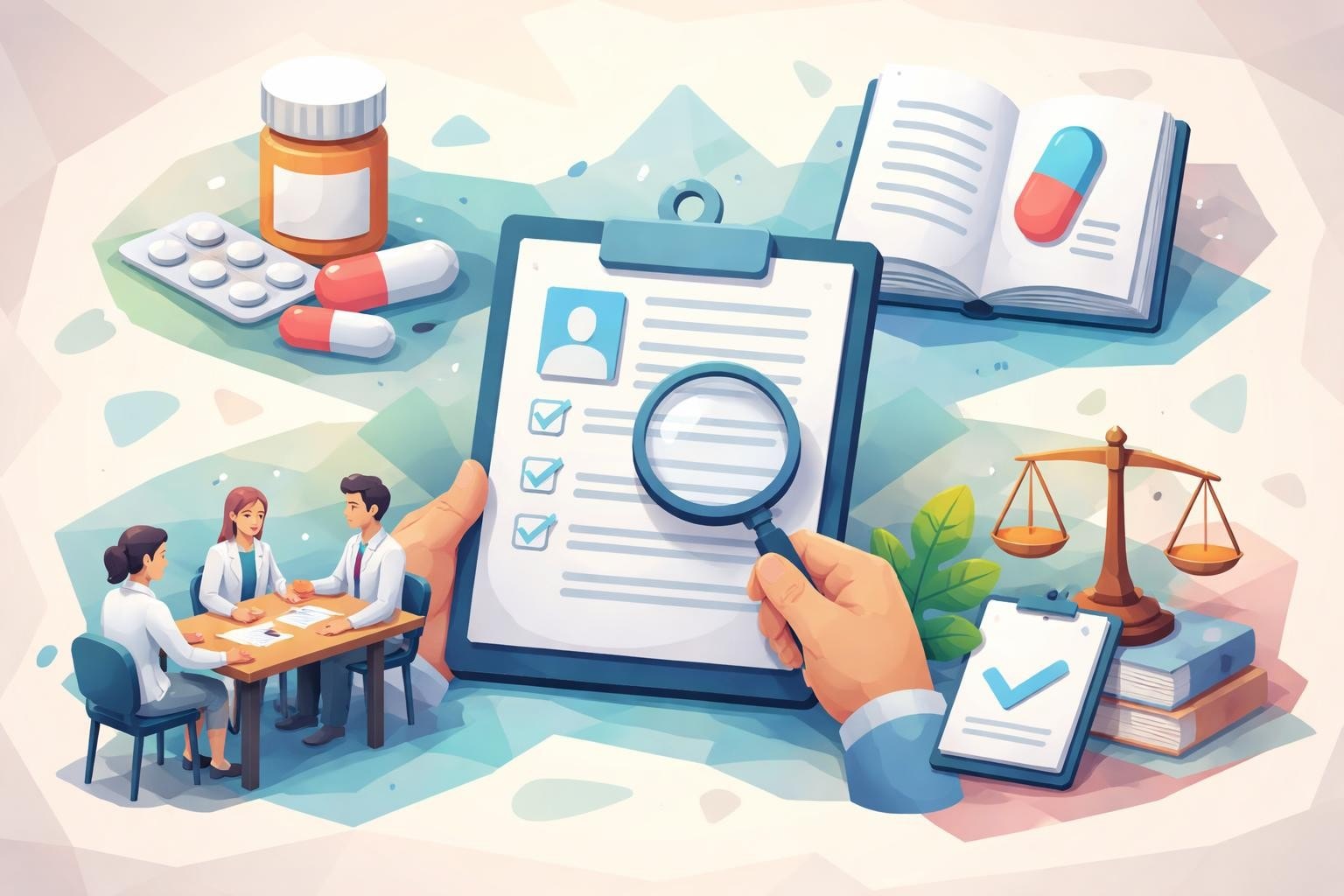
Landing a pharmacist position requires more than clinical knowledge and a pharmacy degree. The interview stage demands thorough preparation, strategic thinking, and the ability to demonstrate your unique value proposition to potential employers. Understanding the types of pharmacist interview questions you'll face and crafting compelling responses can make the difference between receiving an offer and continuing your job search. This comprehensive guide explores the essential questions hiring managers ask, effective response strategies, and how to position yourself as the ideal candidate for your target role.
Understanding the Pharmacist Interview Landscape
The pharmacy profession has evolved significantly in 2026, with expanded clinical roles, technological integration, and increased patient care responsibilities. Interview questions now reflect these changes, focusing not only on medication knowledge but also on interpersonal skills, clinical judgment, and adaptability.
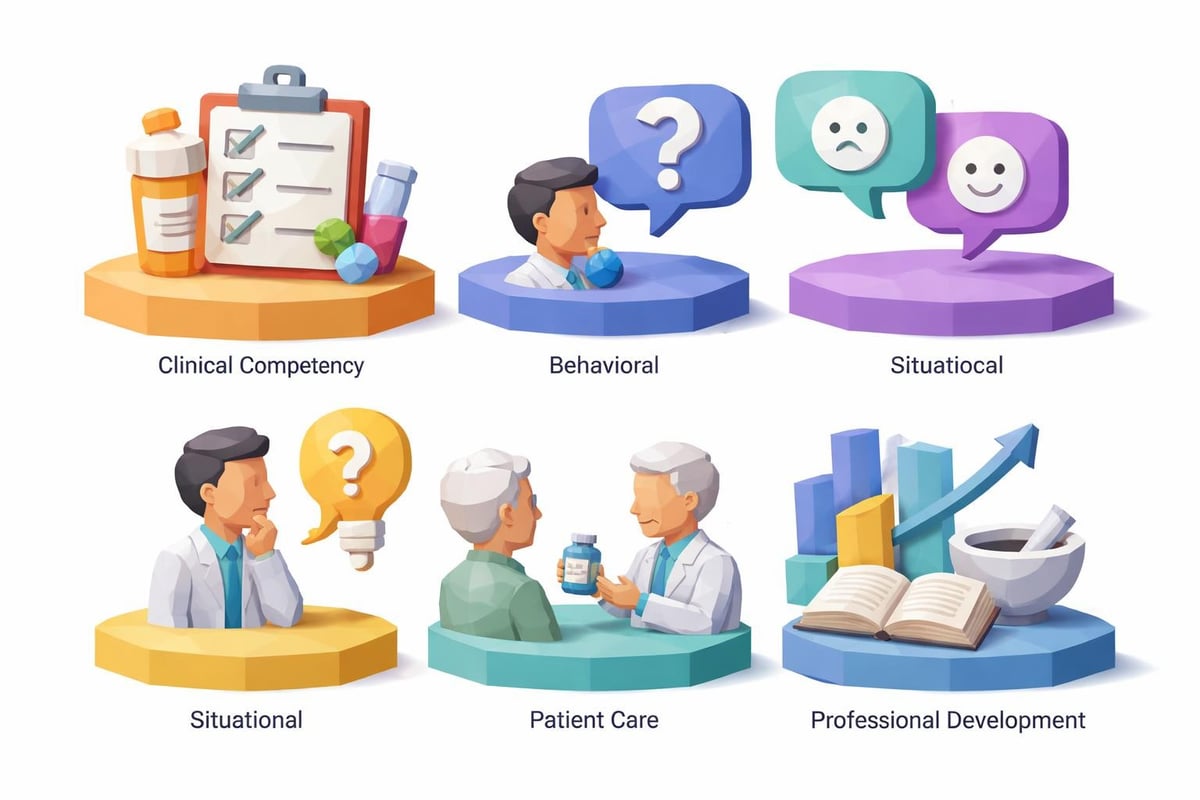
Hiring managers typically structure pharmacist interviews around several core categories. Clinical competency questions assess your pharmaceutical knowledge and ability to handle complex medication scenarios. Behavioral questions evaluate how you've handled past situations and predict future performance. Situational questions present hypothetical scenarios to gauge problem-solving abilities.
Most interviews include questions about your educational background, licensing status, and specialty certifications. Employers want to verify your credentials while understanding your commitment to continuing education and professional growth.
Technical and Clinical Knowledge Questions
Pharmacy practice requires extensive technical knowledge, and interviewers will probe your understanding of fundamental concepts. These pharmacist interview questions often focus on drug interactions, dosing calculations, pharmaceutical law, and medication safety protocols.
Common technical questions include:
- How do you stay current with new medications and changing pharmaceutical guidelines?
- Describe your process for verifying prescription accuracy and appropriateness.
- What steps do you take when you identify a potential drug interaction?
- How do you handle prior authorization requests and insurance coverage issues?
- Explain your approach to compounding medications and maintaining quality standards.
When answering technical questions, demonstrate both knowledge and practical application. Reference specific examples from your clinical rotations, previous positions, or continuing education courses. According to comprehensive interview resources from the American Society of Health-System Pharmacists, connecting theory to real-world practice significantly strengthens your responses.
The International Society for Pharmaceutical Engineering emphasizes that successful candidates articulate their commitment to patient safety while discussing technical procedures. Your responses should reflect systematic thinking and attention to detail.
Patient Care and Communication Excellence
Modern pharmacists serve as accessible healthcare providers, making patient interaction skills increasingly important. Interviewers assess your ability to communicate complex medical information clearly, build rapport with diverse populations, and handle challenging patient situations professionally.
Building Rapport and Trust
Effective patient communication extends beyond explaining medication instructions. Hiring managers want to understand how you establish trust, demonstrate empathy, and create positive patient experiences.
Questions in this category might include:
- How do you counsel patients who are anxious about new medications?
- Describe a time when you helped a patient understand complex medication regimen.
- What strategies do you use when language or cultural barriers exist?
- How do you handle patients who refuse to follow medical advice?
- Tell me about a difficult patient interaction and how you resolved it.
Your responses should highlight emotional intelligence, cultural competency, and patient-centered care philosophy. Resources from Megainterview.com suggest using the STAR method (Situation, Task, Action, Result) when discussing patient care scenarios.
| Communication Skill | Why It Matters | Example Demonstration |
|---|---|---|
| Active Listening | Identifies patient concerns and questions | Paraphrasing patient statements, asking clarifying questions |
| Clarity | Ensures medication adherence | Using plain language, avoiding medical jargon |
| Empathy | Builds trust and rapport | Acknowledging patient fears, showing genuine concern |
| Adaptability | Serves diverse populations | Adjusting communication style for different age groups, education levels |
Similar to nursing interview preparation, demonstrating your patient care philosophy through concrete examples proves more effective than general statements about caring for patients.
Behavioral Questions That Reveal Character
Behavioral pharmacist interview questions explore your past experiences to predict future performance. These questions assess professional judgment, ethical decision-making, teamwork abilities, and response to workplace challenges.
Handling Medication Errors and Safety Concerns
Medication errors represent serious risks in pharmacy practice. Interviewers want to understand your approach to error prevention, detection, and reporting.
Be prepared to discuss:
- A time you identified and prevented a potential medication error
- How you responded when you discovered a dispensing mistake
- Your process for implementing safety checks and quality controls
- Examples of contributing to medication safety initiatives
When discussing errors, focus on systematic improvements rather than individual blame. Emphasize learning, transparency, and commitment to patient safety. Pharmacist interview preparation resources recommend demonstrating accountability while highlighting corrective actions taken.
Conflict Resolution and Professional Relationships
Pharmacists collaborate with physicians, nurses, insurance companies, and patients daily. Your ability to navigate disagreements professionally impacts workplace effectiveness.
Expect questions about:
- Disagreeing with a physician's prescription order
- Handling conflicts with coworkers or supervisors
- Managing difficult conversations with insurance representatives
- Dealing with unreasonable patient demands
Frame your responses around professional communication, evidence-based practice, and collaborative problem-solving. Show that you can advocate for patients while maintaining respectful professional relationships.

Operational and Management Capabilities
Many pharmacy positions involve operational responsibilities beyond direct patient care. Hiring managers assess your ability to manage inventory, supervise technicians, implement workflow improvements, and maintain regulatory compliance.
Workflow Optimization and Efficiency
Pharmacies must balance accuracy with efficiency, particularly during high-volume periods. Interviewers want to understand your approach to workflow management and process improvement.
Questions might explore:
- How you prioritize tasks during busy periods
- Strategies for reducing wait times while maintaining accuracy
- Experience with pharmacy management systems and automation
- Methods for training and supervising pharmacy technicians
- Examples of implementing process improvements
Demonstrate analytical thinking and operational awareness. Discuss specific metrics you've improved, systems you've optimized, or workflows you've redesigned. The National Association of Dental Plans provides insights into effectively discussing organizational skills and complex task management.
Regulatory Compliance and Professional Ethics
Pharmacists operate in a heavily regulated environment with significant ethical responsibilities. Your understanding of legal requirements and ethical principles reflects professional maturity.
| Compliance Area | Key Considerations | Interview Focus |
|---|---|---|
| Controlled Substances | DEA regulations, inventory management | Security protocols, record-keeping |
| HIPAA | Patient privacy, information sharing | Confidentiality practices, data protection |
| State Pharmacy Law | Scope of practice, documentation | Legal awareness, professional boundaries |
| Professional Ethics | Conflicts of interest, patient advocacy | Ethical decision-making framework |
Prepare examples demonstrating your commitment to compliance and ethical practice. Discuss continuing education in pharmacy law, participation in professional organizations, and situations where you navigated ethical dilemmas successfully.
Specialty-Specific Interview Preparation
Different pharmacy settings require distinct skill sets and knowledge bases. Tailor your preparation to your target role, whether community pharmacy, hospital pharmacy, clinical pharmacy, or specialty practice.
Community Pharmacy Focus
Community pharmacists emphasize customer service, over-the-counter consultation, immunization services, and insurance navigation. Expect questions about:
- Customer service excellence and relationship building
- Managing high prescription volumes efficiently
- Providing immunizations and point-of-care testing
- Handling insurance rejections and prior authorizations
- Participating in medication therapy management programs
Highlight your retail experience, multitasking abilities, and community health involvement. Betterteam outlines the importance of demonstrating both clinical knowledge and customer service skills for retail positions.
Hospital and Clinical Pharmacy Considerations
Hospital pharmacists focus on clinical collaboration, critical care medication management, antimicrobial stewardship, and evidence-based practice. Pharmacist interview questions in this setting often cover:
- Experience with medication reconciliation and transitions of care
- Participation in multidisciplinary rounds and care teams
- Knowledge of critical care medications and dosing protocols
- Familiarity with pharmacokinetic monitoring and dose adjustments
- Research experience or interest in advancing pharmacy practice
Emphasize your clinical decision-making, collaborative abilities, and commitment to evidence-based medicine. Discuss relevant rotations, residency experience, or board certification pursuits.
Specialty Pharmacy and Emerging Roles
Specialty pharmacy, oncology, ambulatory care, and other emerging roles require advanced clinical knowledge and patient management skills. Prepare to discuss:
- Disease-state management expertise
- Patient adherence strategies for complex regimens
- Financial assistance program navigation
- Outcome measurement and quality improvement
- Interdisciplinary collaboration in specialized settings
Strategic Interview Preparation Techniques
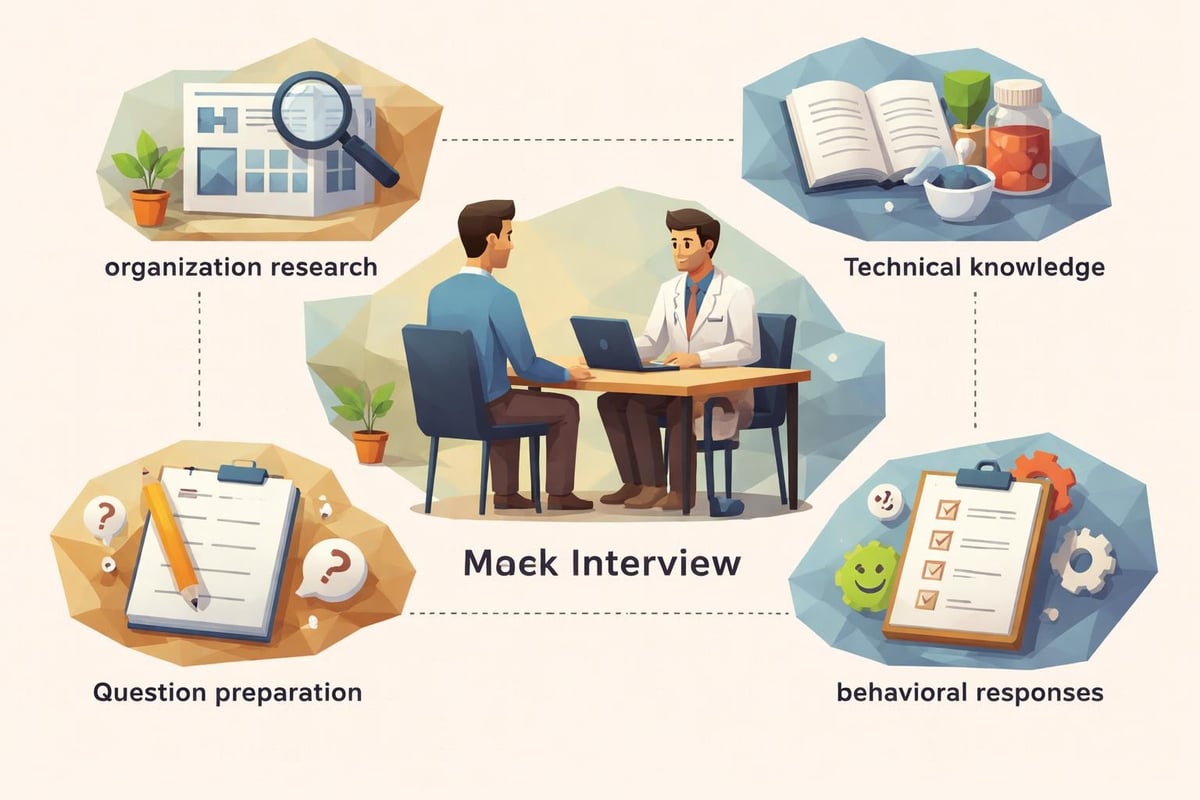
Successful interview performance requires more than rehearsing answers. Strategic preparation involves researching the organization, understanding the position, and presenting yourself authentically while highlighting relevant strengths.
Research and Organization Analysis
Before any interview, thoroughly investigate the employer's mission, values, recent news, and organizational culture. Understanding their priorities allows you to align your responses with their needs.
Research areas include:
- Organizational mission and patient population served
- Recent expansions, acquisitions, or strategic initiatives
- Technology platforms and pharmacy systems used
- Community involvement and professional reputation
- Leadership team and organizational structure
This knowledge enables you to ask informed questions and demonstrate genuine interest in the specific opportunity rather than any pharmacy position.
Preparing Questions for Your Interviewers
The questions you ask reveal your priorities, knowledge, and engagement level. Prepare thoughtful questions that demonstrate professional maturity and strategic thinking.
Strong questions address:
- Professional development opportunities and continuing education support
- Performance expectations and success metrics for the position
- Team structure and collaborative relationships
- Career advancement pathways within the organization
- Challenges facing the pharmacy department currently
Avoid questions about salary, benefits, or time off during initial interviews. Save compensation discussions for appropriate stages in the hiring process, similar to strategies discussed in phone interview preparation.
Presenting Your Professional Brand
Your resume, cover letter, and interview presentation should communicate a consistent professional brand that differentiates you from other candidates. In 2026's competitive pharmacy job market, strategic positioning matters significantly.
Highlighting Unique Value Propositions
Every pharmacist has unique combinations of education, experience, skills, and interests. Identify what makes you distinctive and weave these elements throughout your interview responses.
Potential differentiators include:
- Specialized certifications (diabetes education, oncology, anticoagulation)
- Multilingual abilities serving diverse patient populations
- Technology proficiency with specific pharmacy systems
- Leadership experience in professional organizations
- Research contributions or published work
- Community health program development
Tools like CareerConcierge.io's interview preparation features help identify and articulate your unique value proposition effectively.
Demonstrating Continuous Learning
Pharmacy practice evolves rapidly with new medications, treatment guidelines, and practice models. Demonstrating commitment to lifelong learning distinguishes engaged professionals from those who meet minimum requirements.
Discuss your approach to professional development, including:
- Professional journal subscriptions and reading habits
- Conference attendance and continuing education courses
- Board certification pursuits or specialty training
- Participation in professional pharmacy organizations
- Engagement with pharmacy podcasts, webinars, or online communities
The Interview Guys emphasize that showcasing genuine enthusiasm for staying current with pharmaceutical developments demonstrates professional dedication that employers value highly.
Common Pitfalls to Avoid
Understanding what not to do during pharmacy interviews proves equally important as knowing effective strategies. Certain mistakes immediately signal lack of preparation or professional judgment.
Critical Mistakes That Undermine Candidacy
Avoid these common errors:
- Speaking negatively about previous employers or colleagues
- Providing vague answers without specific examples
- Overemphasizing compensation and benefits over professional growth
- Demonstrating poor knowledge of the hiring organization
- Failing to prepare questions for interviewers
- Appearing inflexible about schedule, location, or responsibilities
- Using unprofessional language or inappropriate humor
Additionally, avoid overly rehearsed responses that sound robotic. While preparation matters, authenticity resonates with interviewers. Balance preparation with natural conversation.
Managing Interview Anxiety
Even experienced pharmacists feel nervous during interviews. Managing anxiety allows your qualifications to shine through rather than being overshadowed by nervousness.
| Anxiety Management Strategy | Implementation Approach |
|---|---|
| Thorough Preparation | Practice common questions, research organization extensively |
| Mock Interviews | Rehearse with colleagues, mentors, or AI-powered interview tools |
| Physical Preparation | Get adequate sleep, eat properly, arrive early |
| Breathing Techniques | Use deep breathing to manage stress responses |
| Positive Visualization | Mentally rehearse successful interview scenarios |
| Perspective Maintenance | Remember interviews are mutual evaluations |
Resources like CareerConcierge.io's AI-powered interview preparation provide realistic practice opportunities that build confidence and reduce interview anxiety.
Salary Negotiation and Offer Evaluation
Successfully navigating pharmacist interview questions leads to job offers, which then require thoughtful evaluation and potential negotiation. Understanding your market value and total compensation considerations ensures you accept positions aligned with your worth and career goals.
Understanding Pharmacist Compensation
Pharmacist salaries vary significantly based on setting, geography, experience level, and specialized skills. Research typical compensation ranges for your target role and location before discussing salary expectations.
Compensation components beyond base salary include:
- Sign-on bonuses and retention incentives
- Continuing education allowances and conference funding
- Health insurance, retirement contributions, and other benefits
- Paid time off and schedule flexibility
- Student loan repayment assistance programs
- Performance bonuses and profit-sharing opportunities
When interviewers ask about salary expectations during pharmacist interview questions, provide researched ranges rather than specific numbers. Express openness to discussing total compensation packages rather than focusing solely on base salary.
Evaluating Multiple Offers
If you're fortunate enough to receive multiple offers, systematic evaluation helps you make the best decision. Consider factors beyond immediate compensation, including career trajectory, work environment, and alignment with personal values.
Create a comparison matrix evaluating:
- Professional development opportunities and mentorship availability
- Work-life balance and schedule predictability
- Organizational culture and team dynamics
- Advancement potential and career pathways
- Commute time and location considerations
- Total compensation and financial implications
Similar to approaches discussed in product manager interview preparation, evaluating opportunities holistically rather than focusing on single factors leads to better long-term career satisfaction.
Final Interview Preparation Checklist
As your interview approaches, systematic final preparation ensures you present your best professional self. This checklist covers logistical, content, and presentation considerations.
48 Hours Before Your Interview
- Confirm interview time, location, and format (in-person, video, panel)
- Research your interviewers on LinkedIn if names are provided
- Review your resume and application materials submitted
- Prepare questions tailored to this specific organization
- Select and prepare professional interview attire
- Gather required documents (licenses, certifications, references)
Day of Interview
- Arrive 10-15 minutes early (or log in early for virtual interviews)
- Bring multiple resume copies and professional portfolio
- Silence phone and eliminate potential distractions
- Review your prepared talking points and examples
- Practice positive self-talk and confidence-building techniques
Post-Interview Follow-Up
Send personalized thank-you notes within 24 hours, referencing specific conversation points and reaffirming your interest. This professional courtesy distinguishes engaged candidates and keeps you top-of-mind during decision-making.
Mastering pharmacist interview questions requires comprehensive preparation that addresses clinical knowledge, patient care philosophy, operational capabilities, and professional presentation. By understanding common question categories, preparing specific examples demonstrating your qualifications, and presenting yourself authentically, you position yourself as the ideal candidate for your target pharmacy role. Whether you're seeking your first position or advancing your pharmacy career, CareerConcierge.io provides AI-powered tools for resume optimization, cover letter creation, and interview preparation that give you a competitive advantage throughout your job search journey.