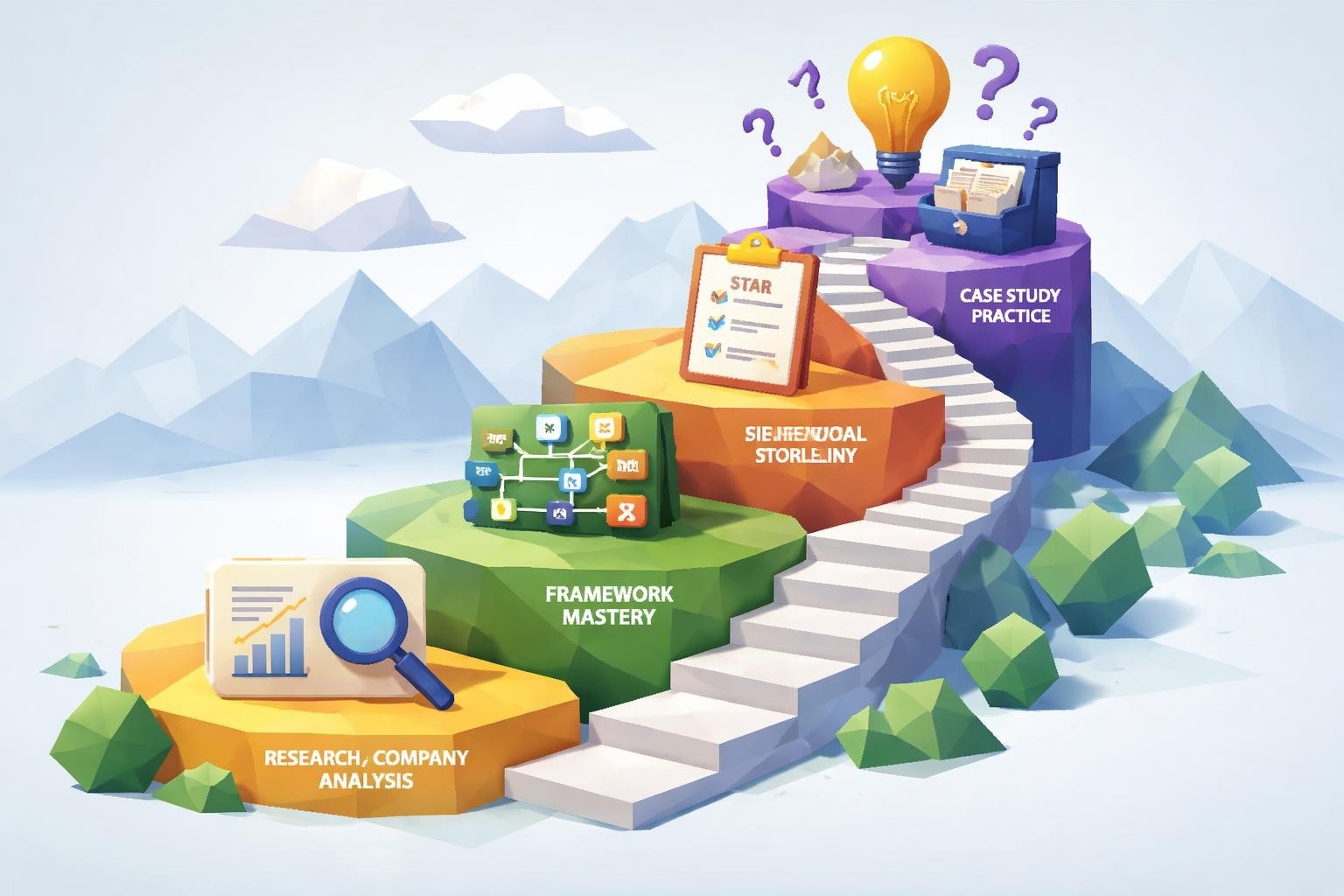
Questions to Ask in a Phone Interview: 2026 Guide
Master your phone interview with strategic questions that demonstrate professionalism and engagement. Expert tips for job seekers in 2026.
Phone interviews have become the critical first filter in the modern hiring process, and asking intelligent questions during these initial conversations can set you apart from other candidates. While most job seekers prepare answers to anticipated questions, many overlook the importance of preparing their own strategic inquiries. The questions to ask in a phone interview reveal your professionalism, research abilities, and genuine interest in the position, transforming a one-sided interrogation into a meaningful dialogue that benefits both parties.
Understanding the Phone Interview Landscape in 2026
The recruitment environment has evolved significantly, with phone screenings now serving as essential gatekeepers before advancing to video or in-person interviews. Hiring managers typically conduct these conversations to verify basic qualifications, assess communication skills, and determine cultural alignment before investing additional time in the hiring process.
These initial calls usually last between 15 and 30 minutes, creating a limited window to make a memorable impression. According to Coursera's comprehensive guide on phone interview questions, candidates who ask thoughtful questions demonstrate preparation and engagement that recruiters value highly.
The Strategic Value of Asking Questions
Asking questions serves multiple purposes beyond gathering information. It demonstrates critical thinking, shows you've researched the organization, and signals that you're evaluating whether this opportunity aligns with your career objectives. This two-way evaluation approach positions you as a selective professional rather than a desperate job seeker.

Essential Questions About the Role Itself
Understanding the position's fundamental aspects helps you determine fit and shows genuine interest in the work you'd be performing daily.
Day-to-Day Responsibilities
Ask specifically about what a typical day or week looks like in this role. This question uncovers details that job descriptions often omit, including:
- The balance between independent work and collaboration
- Primary tools and technologies you'd use regularly
- Reporting structures and team dynamics
- Project types and typical timelines
Example phrasing: "Could you walk me through what a typical week might look like for someone in this position?"
Success Metrics and Expectations
Understanding how performance will be measured provides clarity about priorities and expectations. This inquiry demonstrates your results-oriented mindset and desire to excel.
Consider asking about both short-term milestones (first 30-90 days) and longer-term performance indicators. The response will reveal whether the company has clear expectations or if the role lacks definition.
| Question Type | Purpose | What It Reveals |
|---|---|---|
| Role Responsibilities | Understand daily work | Job clarity and scope |
| Success Metrics | Performance expectations | Organizational priorities |
| Team Structure | Collaboration patterns | Communication style |
| Growth Opportunities | Career trajectory | Investment in development |
Questions About Team Dynamics and Culture
Cultural fit determines long-term satisfaction more than technical skills in many cases. The questions to ask in a phone interview should probe the work environment you'd be entering.
Team Composition and Collaboration
Understanding who you'd work with daily provides insight into the collaborative environment. Ask about team size, cross-functional partnerships, and communication norms.
Strategic approach: "Can you tell me about the team I'd be joining and how this role collaborates with other departments?"
This question often reveals organizational structure, the team's position within the broader company, and interdepartmental relationships. Pay attention to enthusiasm levels when the interviewer discusses the team.
Company Culture and Values
While culture questions can elicit rehearsed responses, specific inquiries yield more authentic insights. Rather than asking generally about culture, frame questions around concrete examples.
Ask how the company has adapted its culture in response to hybrid work models, or inquire about recent initiatives that reflect stated values. Work It Daily's recommendations for phone interview questions emphasize the importance of understanding workplace dynamics early in the process.
Strategic Questions About Growth and Development
Forward-thinking questions signal ambition and long-term thinking while helping you assess whether the organization invests in employee development.
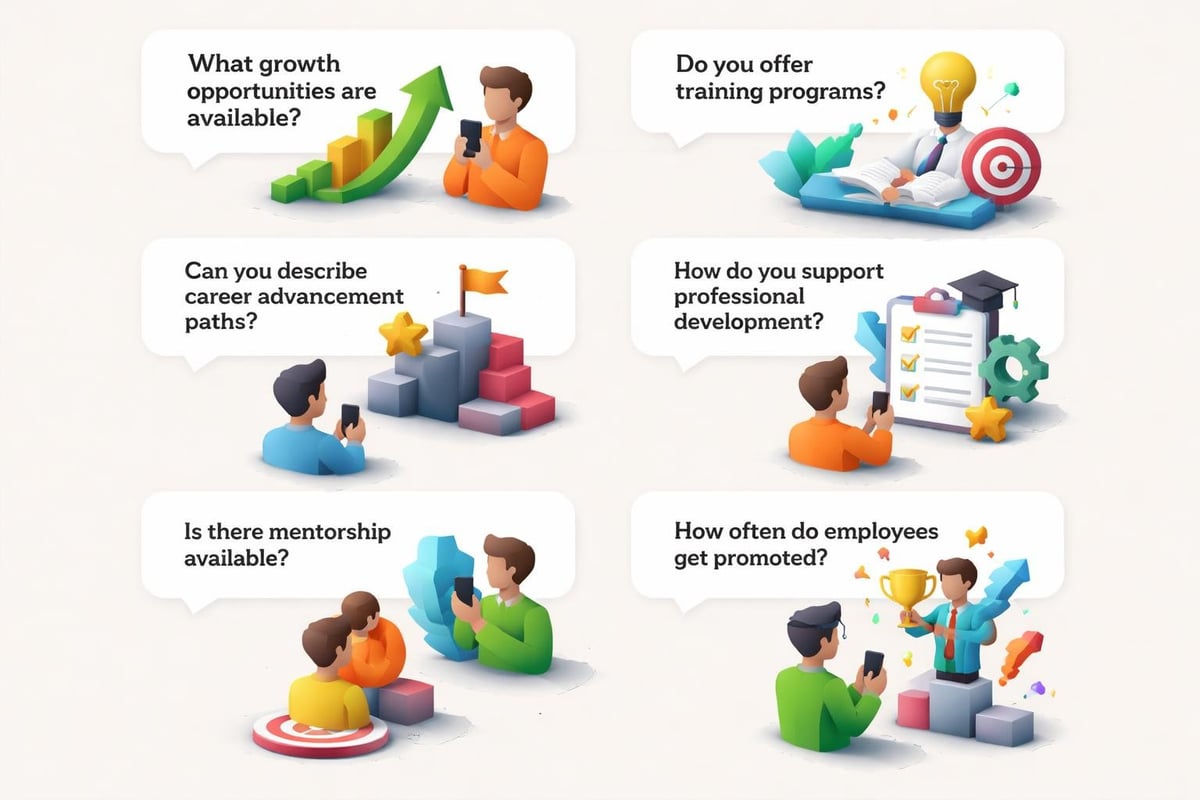
Career Progression Paths
Inquire about how people in this role typically advance within the organization. This reveals whether clear pathways exist or if progression depends on creating your own opportunities.
Effective framing: "What does career growth typically look like for someone starting in this position?"
The response indicates whether the company promotes from within, values internal mobility, or expects employees to stay in narrowly defined roles.
Learning and Development Resources
Organizations committed to employee growth provide training, mentorship, and professional development opportunities. Ask about:
- Formal training programs or certifications
- Mentorship or coaching availability
- Conference attendance or continuing education support
- Cross-functional learning opportunities
Companies that invest significantly in development tend to retain top performers and foster innovative thinking. If you're preparing for various interview formats, CareerConcierge.io's interview prep tools can help you practice responses and develop strategic questions tailored to specific roles.
Questions That Reveal Company Stability and Direction
Understanding the organization's trajectory helps you assess opportunity sustainability and alignment with your career goals.
Company Vision and Strategic Priorities
Ask about the company's goals for the next year or the department's strategic priorities. This question demonstrates big-picture thinking and interest beyond your immediate responsibilities.
Responses to this inquiry reveal whether leadership has a clear direction, how well information flows through the organization, and where your potential role fits into broader objectives.
Recent Changes and Future Plans
Organizations constantly evolve, and understanding recent transitions provides context. Consider asking:
- "What significant changes has the department experienced recently?"
- "How has this role evolved over the past year?"
- "What challenges is the team currently navigating?"
These questions uncover organizational health, leadership stability, and whether you'd be entering a growth phase or damage control situation.
Practical Questions About the Hiring Process
Logistics matter, and asking about next steps shows organizational skills and respect for everyone's time.
Timeline and Next Steps
Understanding the recruitment timeline helps you manage expectations and coordinate with other opportunities. Ask when they expect to make decisions and what subsequent interview stages involve.
Sample question: "What does the rest of the interview process look like, and what's your timeline for making a decision?"
This demonstrates professionalism and helps you plan accordingly. Workable's comprehensive guide on phone screen interviews notes that candidates who understand process stages navigate them more successfully.
Preparation for Subsequent Interviews
Asking what you should prepare for future rounds shows initiative and helps you perform better in advancing stages. This might include technical assessments, case studies, or presentations.
The interviewer's guidance allows you to showcase your strongest skills effectively. If you're preparing for specific interview types, resources like CareerConcierge.io's office assistant interview questions guide provide role-specific preparation strategies.
Questions to Avoid During Phone Screenings
While asking questions demonstrates engagement, certain topics are inappropriate for initial phone conversations.
Premature Compensation Discussions
Unless the interviewer raises compensation first, avoid detailed salary negotiations during phone screenings. Focus on determining mutual fit before discussing specific numbers.
You might ask about the salary range if it wasn't listed in the job posting, but frame it factually rather than negotiating: "Is there a salary range budgeted for this position?"
Overly Personal or Inappropriate Topics
Maintain professional boundaries during phone interviews. Avoid questions about:
- The interviewer's personal career dissatisfactions
- Office politics or conflicts
- Excessive detail about benefits like vacation time
- Information readily available on the company website
Questions should demonstrate research and interest, not laziness or boundary issues. Basic company information should be researched beforehand.
Customizing Questions for Different Interview Contexts
The questions to ask in a phone interview should adapt based on who's conducting the conversation and the organization's size.
Recruiter vs. Hiring Manager Conversations
Recruiter-focused questions should address process logistics, company culture overview, and role basics. Recruiters excel at providing organizational context and timeline information.
Hiring manager questions can dive deeper into technical aspects, team dynamics, and day-to-day responsibilities. These conversations warrant more specific inquiries about work challenges and success factors.
Startup vs. Established Company Considerations
| Company Type | Strategic Questions | Focus Areas |
|---|---|---|
| Startups | Funding runway, growth metrics, role evolution | Stability, opportunity scope |
| Established Corporations | Innovation initiatives, market position, advancement paths | Structure, development resources |
| Mid-Size Companies | Growth plans, competitive advantages, cultural values | Balance of stability and opportunity |
Tailor your questions to extract information most relevant to the organizational context. For comprehensive interview preparation across various roles, explore CareerConcierge.io's blog resources covering industry-specific scenarios.

Preparing Your Questions in Advance
Preparation separates memorable candidates from forgettable ones. Develop a question bank before your phone interview begins.
Research-Based Question Development
Thorough company research enables intelligent, specific questions that demonstrate genuine interest. Review:
- The company website, particularly recent news or blog posts
- LinkedIn profiles of potential team members
- Industry publications mentioning the organization
- Glassdoor reviews for cultural insights
- Financial reports or growth announcements
Transform this research into targeted questions that show you've invested time understanding the organization. Generic questions suggest minimal preparation.
Prioritizing Your Question List
Develop 8-10 questions but recognize you'll likely ask 3-5 during a phone screening. Prioritize based on what information matters most for your decision-making.
Keep your list accessible during the call. Having questions written down ensures you don't forget important inquiries when nervousness strikes. Clark College's interview preparation guide provides extensive question examples worth incorporating into your preparation.
Reading Between the Lines
The information interviewers provide through their answers often matters less than how they deliver those answers.
Evaluating Response Quality
Notice whether responses are detailed and enthusiastic or vague and rehearsed. Specific examples indicate authenticity, while generic answers might signal problems.
If an interviewer struggles to describe the team culture or career development opportunities, those areas might be organizational weaknesses. Trust your instincts about response quality.
Red Flags to Watch For
Certain responses should raise concerns:
- Inability to clearly define the role's responsibilities
- Excessive turnover in the position
- Vague answers about company direction or stability
- Defensive responses to reasonable questions
- Rushed conversations that limit your question opportunities
These warning signs help you avoid problematic situations before investing further time. Just as important as knowing questions to ask in a phone interview is recognizing concerning patterns in the answers you receive.
Following Up on Your Questions
Phone interviews conclude with next steps, but your question-asking shouldn't end there.
Note-Taking During the Conversation
Document key responses to your questions, especially specific details about role expectations, timeline, or culture. These notes prove invaluable when comparing multiple opportunities or preparing for subsequent interview rounds.
Refer back to these details in thank-you communications, demonstrating active listening and genuine interest.
Incorporating Answers Into Thank-You Messages
Your follow-up email should reference specific discussion points from the phone interview. Mention something the interviewer shared that particularly resonated with you or align your experience with a challenge they described.
This personalization distinguishes your thank-you note from generic templates and reinforces your engaged participation in the conversation. For optimizing every aspect of your job search, from applications to interviews, CareerConcierge.io's comprehensive features provide AI-powered support throughout the process.
Adapting Questions for Remote vs. In-Office Roles
Work location significantly impacts daily experience, warranting specific questions based on the position's setup.
Remote Work Considerations
For remote positions, inquire about:
- Communication tools and meeting cadence
- Time zone expectations and flexibility
- Equipment and technology provided
- Virtual team building approaches
- Performance monitoring methods
Remote work success depends heavily on clear communication norms and organizational support structures.
Hybrid Environment Inquiries
Hybrid roles involve unique complexities around scheduling, equity between remote and in-office workers, and collaboration expectations. Ask how the company ensures inclusive participation regardless of location and what determines in-office vs. remote days.
Understanding these dynamics helps you assess whether the hybrid model is thoughtfully implemented or creating friction.
Demonstrating Strategic Thinking Through Questions
The most impressive questions reveal your ability to think beyond immediate responsibilities toward organizational impact.
Business Impact Questions
Ask how the role contributes to broader business objectives or which company goals this position most directly supports. This demonstrates strategic alignment and results-orientation.
Example: "How does this role's success impact the department's quarterly objectives?"
Such questions position you as someone who thinks beyond task completion to organizational value creation.
Innovation and Improvement Opportunities
Inquire about areas where the previous person in the role excelled or where there's room for innovation. This shows you're already thinking about adding value and improving processes.
These forward-looking questions distinguish ambitious professionals from those merely seeking any position. For role-specific interview strategies, resources like CareerConcierge.io's customer service interview questions guide offer targeted preparation approaches.
Mastering the questions to ask in a phone interview transforms these screening calls from anxiety-inducing hurdles into valuable conversations that benefit both you and potential employers. Strategic questioning demonstrates preparation, professionalism, and genuine interest while gathering crucial information for your career decisions. Whether you're navigating your first job search or advancing to senior positions, CareerConcierge.io provides comprehensive AI-powered tools for resume optimization, interview preparation, and application management that help you present your strongest professional self throughout the hiring process.