How to Prepare for Product Manager Interview Success
Master the product manager interview process with expert strategies for preparation, from frameworks to behavioral questions in 2026.
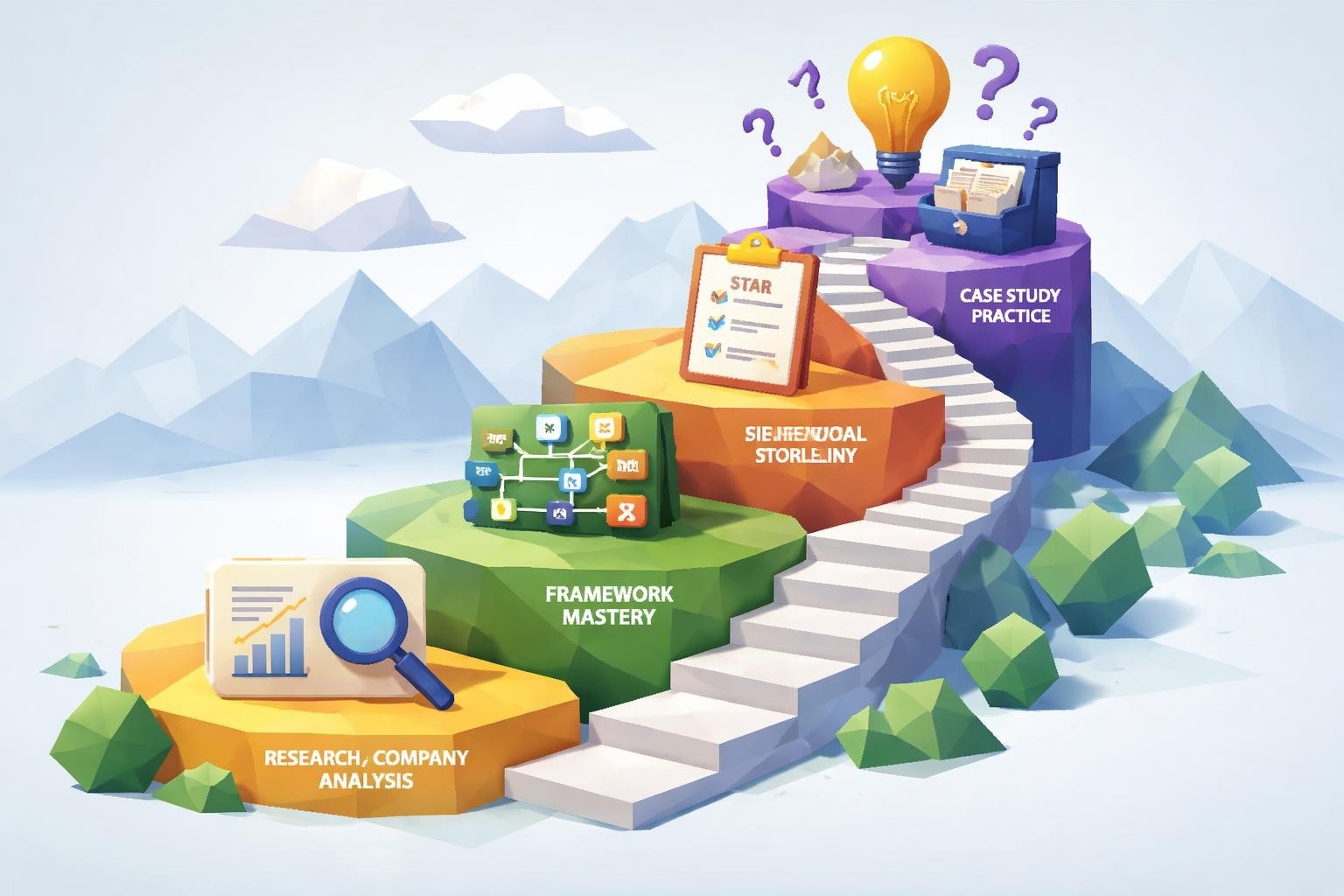
Landing a product manager role requires more than just technical knowledge and business acumen. The interview process for these positions has evolved dramatically, with companies now testing candidates across multiple dimensions including strategic thinking, user empathy, data analysis, and leadership skills. As organizations continue to prioritize product-led growth in 2026, the competition for product management positions has intensified, making thorough preparation essential for success. Whether you're transitioning from another role or advancing your product career, understanding how to prepare for product manager interview scenarios will significantly increase your chances of securing an offer.
Understanding the Product Manager Interview Landscape
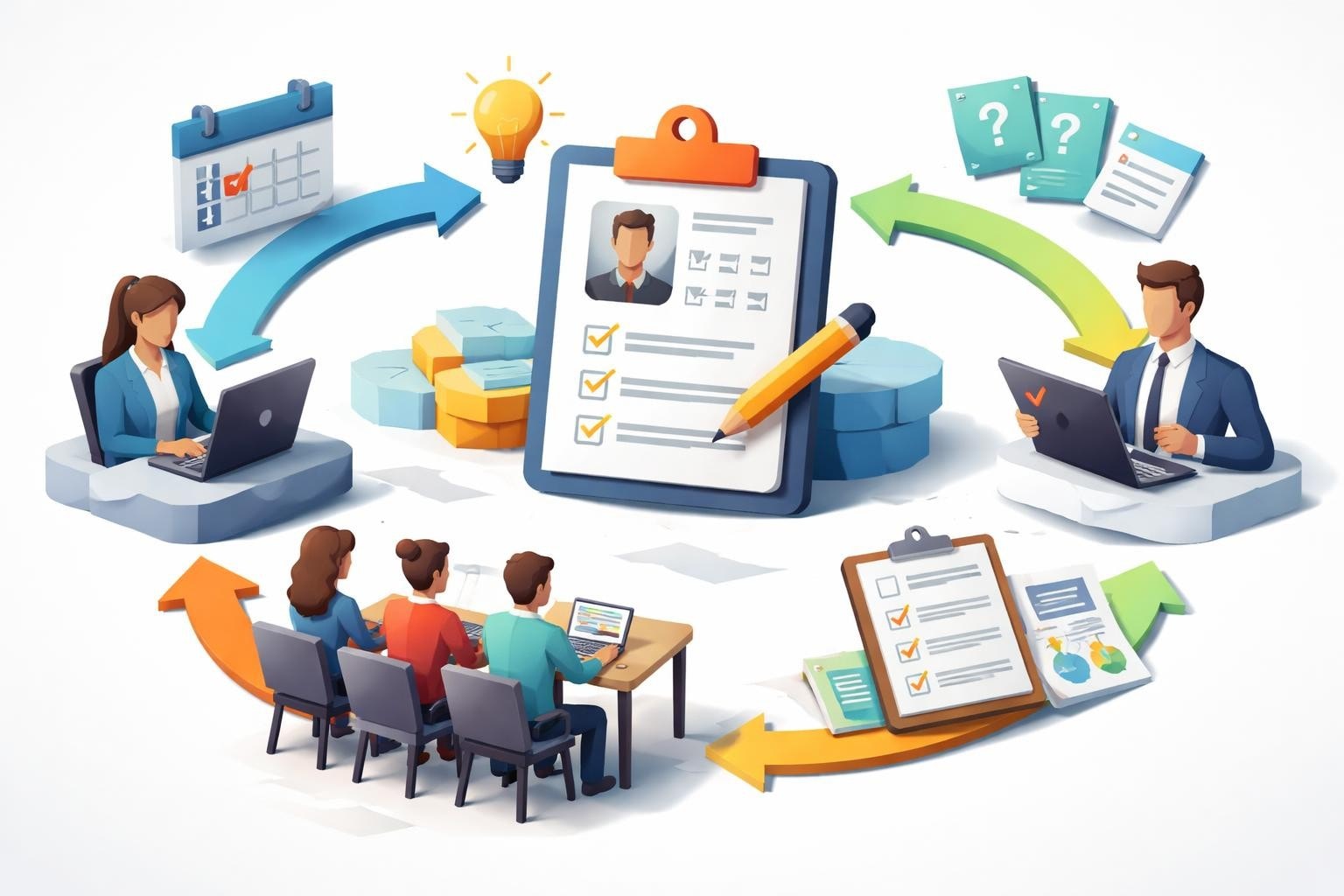
Product manager interviews typically consist of multiple rounds, each designed to evaluate different competencies. The process usually begins with a recruiter screening call, followed by technical assessments, case studies, behavioral interviews, and final presentations to senior leadership.
The typical interview structure includes:
- Initial phone screening with recruiters focusing on background and motivation
- Technical rounds evaluating product sense and analytical abilities
- Case study presentations demonstrating problem-solving approaches
- Behavioral interviews assessing leadership and collaboration skills
- Final rounds with executives testing strategic thinking
Companies like Amazon and Yelp have developed structured product management interview processes that align with their unique cultures and values. Understanding these variations helps candidates tailor their preparation strategies effectively.
The evaluation criteria extend beyond traditional qualifications. Hiring managers assess your ability to think critically about trade-offs, communicate complex ideas simply, and demonstrate genuine passion for solving user problems. They want to see how you approach ambiguity, prioritize features, and collaborate with cross-functional teams.
Researching Your Target Company
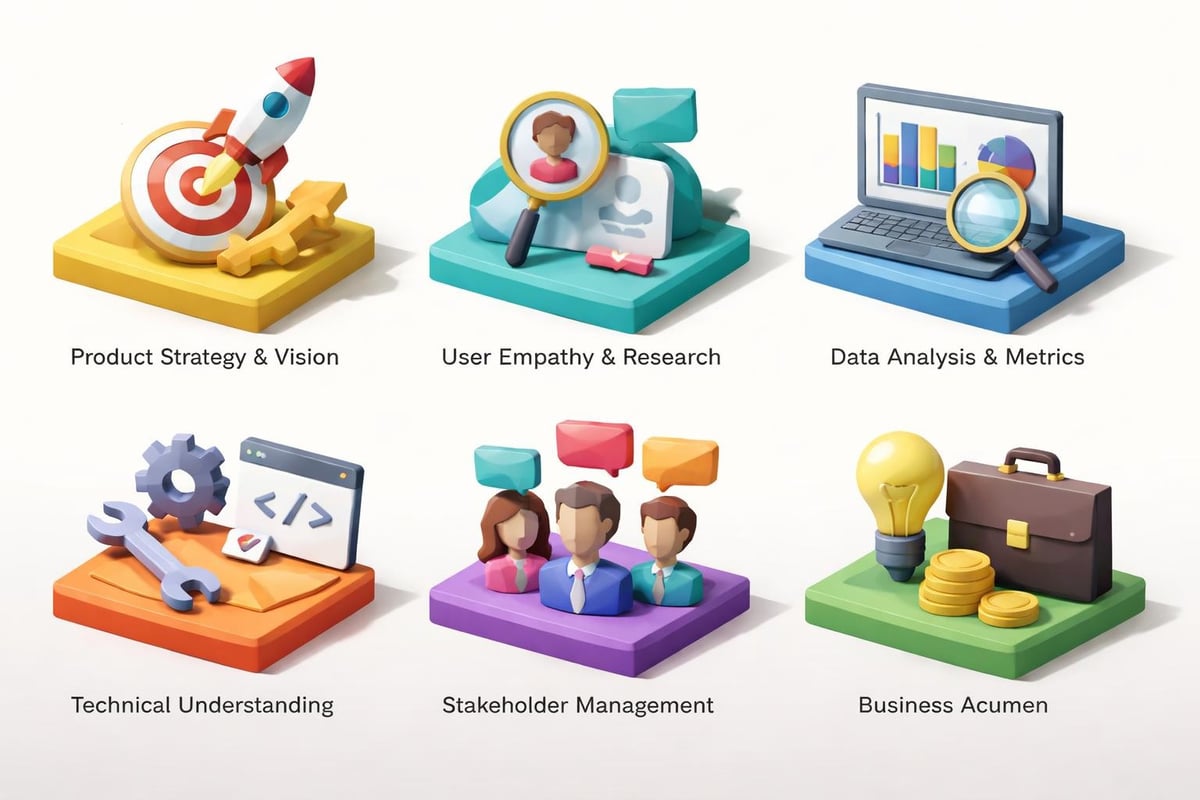
Before you prepare for product manager interview questions, invest substantial time understanding the organization. Research goes far beyond scanning the company website or memorizing the mission statement.
Deep dive into these areas:
- Product portfolio analysis and recent launches
- Competitive positioning and market dynamics
- Company culture and values from employee reviews
- Recent news, funding rounds, or strategic pivots
- Leadership team backgrounds and company direction
Review the company's products as an active user. Download their apps, test their features, and identify pain points or opportunities for improvement. This hands-on experience provides authentic insights you can reference during interviews. Document your observations systematically, noting what works well and where you see potential enhancements.
Study the company's engineering blog, product announcements, and quarterly earnings calls if publicly traded. Understanding their technology stack, development philosophy, and business metrics demonstrates genuine interest and preparation. Many candidates overlook this level of detail, giving you a competitive advantage when discussing how you'd contribute to their specific challenges.
Mastering Product Management Frameworks
Frameworks provide structured approaches to answering complex product questions. While you shouldn't rely on them mechanically, understanding key frameworks helps organize your thoughts under pressure.
Essential Frameworks to Learn
The CIRCLES Method™ helps structure product design questions systematically. It stands for Comprehend the situation, Identify the customer, Report customer needs, Cut through prioritization, List solutions, Evaluate trade-offs, and Summarize recommendations. This framework ensures you address all critical aspects when designing products or features.
For prioritization decisions, master the RICE framework (Reach, Impact, Confidence, Effort). Product managers constantly make trade-off decisions, and RICE provides a quantitative method for comparing initiatives. Practice applying this to real-world scenarios from companies you're interviewing with.
| Framework | Use Case | Key Components |
|---|---|---|
| CIRCLES | Product design questions | Customer, needs, solutions, trade-offs |
| RICE | Feature prioritization | Reach, impact, confidence, effort |
| STAR | Behavioral responses | Situation, task, action, result |
| 4Ps | Marketing strategy | Product, price, place, promotion |
| Jobs-to-be-Done | User research | Functional, emotional, social jobs |
The preparation strategies outlined by Built In emphasize that frameworks should guide your thinking, not constrain it. The best candidates internalize these structures and apply them fluidly during conversations.
Practicing Framework Application
Memorizing frameworks isn't enough. You must practice applying them to diverse scenarios until they become second nature. Set aside time to work through case studies using different frameworks, recording your responses to identify improvement areas.
Partner with other product management candidates for mock interviews. Exchange feedback on framework usage, noting when applications feel forced versus natural. This collaborative practice helps you refine your approach and build confidence before actual interviews.
Preparing Compelling Behavioral Stories
Behavioral interviews assess how you've handled real situations in previous roles. Interviewers use these questions to predict future performance based on past behavior. To prepare for product manager interview behavioral rounds effectively, develop a portfolio of well-structured stories.
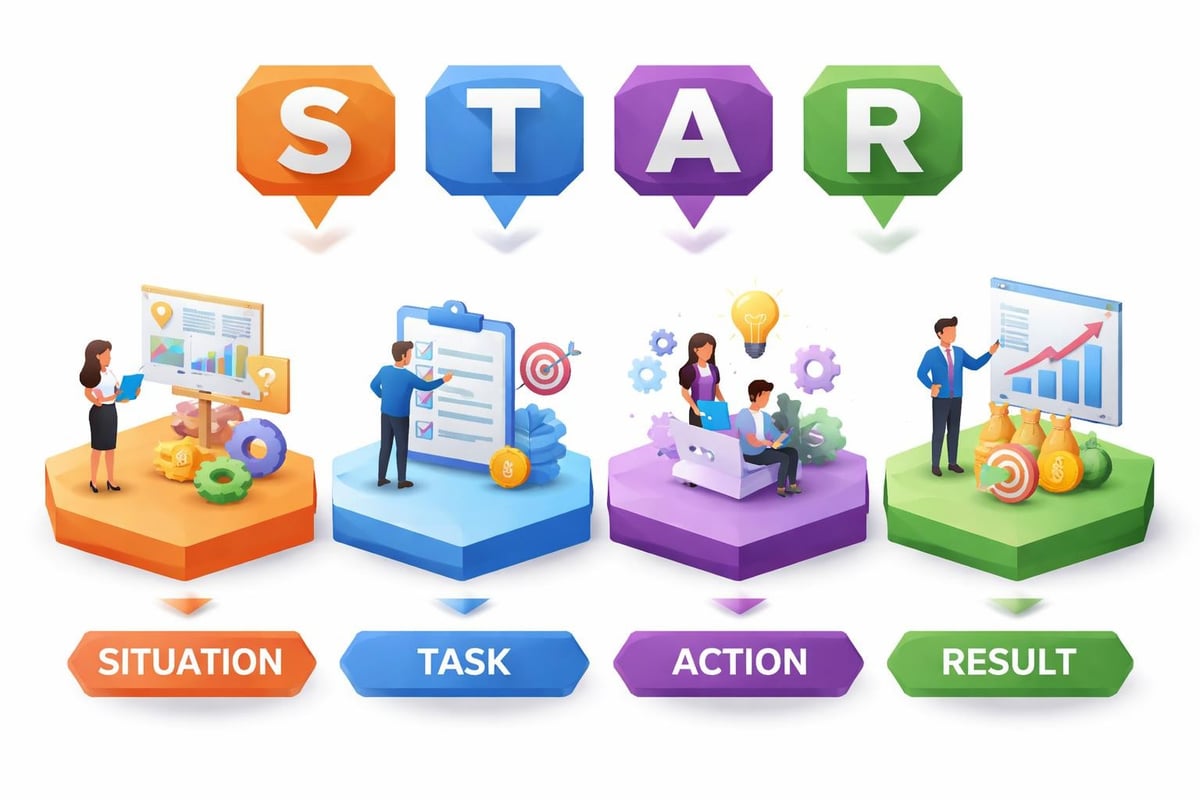
The STAR method (Situation, Task, Action, Result) provides the foundation for compelling responses. Each story should clearly establish context, explain your specific responsibilities, detail the actions you took, and quantify the outcomes achieved.
Strong behavioral stories should demonstrate:
- Leadership without formal authority
- Data-driven decision making
- Conflict resolution and stakeholder management
- Customer empathy and user research application
- Adaptability when priorities shift
- Cross-functional collaboration effectiveness
Create a story bank covering common themes: launching products, handling difficult stakeholders, making tough prioritization calls, learning from failures, and driving innovation. Write these out in detail, then practice delivering them conversationally within three minutes. The behavioral interview preparation strategies from Leland emphasize authenticity over rehearsed perfection.
Quantifying Your Impact
Product managers drive measurable business results. Your behavioral stories should include specific metrics whenever possible: user growth percentages, revenue impacts, efficiency gains, or customer satisfaction improvements.
If you lack direct product management experience, translate your achievements into product terms. Project managers can discuss stakeholder coordination and timeline management. Engineers can highlight user-focused feature development. Sales professionals can emphasize customer pain point identification.
Developing Strong Product Sense
Product sense represents your intuition for what makes products successful. Interviewers evaluate this through questions about improving existing products, designing new features, or entering new markets. Building strong product sense requires continuous practice and observation.
Analyzing Products Critically
Dedicate time weekly to analyzing products you use. Ask yourself why certain features exist, what problems they solve, and how they could improve. Consider the user segments, monetization strategies, and competitive dynamics. This systematic analysis trains your product thinking muscles.
Document your analyses in writing. Explain what you'd change about popular products and why. Consider the trade-offs involved in your proposed changes, including engineering complexity, user adoption challenges, and business model impacts. This written practice prepares you for live product design questions.
Explore products outside your comfort zone. If you typically use consumer apps, study B2B software. If you know e-commerce well, learn about fintech or healthcare products. Breadth of exposure strengthens your ability to think across domains.
Practicing Product Design Questions
Work through common product design scenarios regularly. Examples include: "Design a product for elderly users," "How would you improve airport experiences," or "Create a fitness app for busy professionals." Time yourself answering these questions, aiming for comprehensive responses within 15-20 minutes.
Record your practice sessions and review them critically. Identify where you jumped to solutions too quickly, failed to ask clarifying questions, or neglected important user segments. Continuous iteration improves your performance under actual interview pressure.
Strengthening Technical and Analytical Skills
While product managers don't typically code, technical literacy remains essential. You must communicate effectively with engineers, understand technical constraints, and make informed architecture decisions.
Building Technical Knowledge
Familiarize yourself with common technical concepts: APIs, databases, cloud infrastructure, mobile versus web development, and system architecture basics. You don't need expert-level knowledge, but you should understand how these components interact and affect product decisions.
Learn the technology stack used by companies you're interviewing with. If they're building on AWS, understand basic cloud concepts. If they emphasize machine learning, grasp fundamental ML principles and applications. This targeted learning demonstrates genuine interest and preparation.
Key technical areas for product managers:
- Software development lifecycle and agile methodologies
- Data structures and algorithm complexity basics
- API design and integration principles
- Mobile app development considerations
- Web technologies and browser compatibility
- Database design and query optimization concepts
- Security and privacy fundamentals
- Scalability and performance considerations
Developing Data Analysis Capabilities
Product managers make decisions based on data. Practice analyzing metrics, identifying trends, and drawing actionable insights. Work with tools like SQL for database queries, Excel for analysis, and analytics platforms like Google Analytics or Mixpanel.
Prepare to discuss how you'd measure product success. Define north star metrics, supporting indicators, and guardrail metrics for different product types. Understanding metric frameworks like AARRR (Acquisition, Activation, Retention, Referral, Revenue) helps structure your thinking about product performance.
Preparing Strategic Questions
Interviews aren't one-way evaluations. The questions you ask reveal your priorities, thinking depth, and genuine interest. Preparing thoughtful questions demonstrates that you're evaluating the opportunity as carefully as they're evaluating you.
Questions That Demonstrate Strategic Thinking
Ask about product strategy, roadmap priorities, and how the team makes decisions. Examples include: "How do you balance technical debt against new feature development?" or "What metrics define success for this product over the next year?"
Inquire about team structure, collaboration patterns, and decision-making authority. Understanding the organizational dynamics helps you assess cultural fit and determine whether the role aligns with your working preferences. Questions like "How does product management interact with engineering and design teams?" provide valuable insights.
Strategic questions to prepare:
- What are the biggest product challenges facing the team currently?
- How does the company prioritize features across the roadmap?
- What does success look like for someone in this role after six months?
- How does the organization handle conflicting stakeholder priorities?
- What customer segments does the company plan to focus on in 2026?
The comprehensive preparation guide from ProdPad emphasizes that questions should reflect genuine curiosity about the role and organization, not just fill silence at the interview's end.
Avoiding Common Question Mistakes
Don't ask questions easily answered through basic research. Asking about the company's products or recent news suggests inadequate preparation. Similarly, avoid questions focused solely on personal benefits like vacation policies or remote work arrangements during early rounds.
Focus questions on understanding the role's impact, challenges you'd tackle, and how the team operates. Save compensation and benefits discussions for later stages when mutual interest is established.

Conducting Mock Interviews
Practice under realistic conditions significantly improves interview performance. Mock interviews help identify gaps in your preparation, build confidence, and reduce anxiety when facing actual interviewers.
Finding Practice Partners
Connect with other product management candidates through online communities, LinkedIn groups, or local meetups. Exchange mock interviews, providing each other with honest feedback on content quality, communication clarity, and body language.
Consider working with experienced product managers who can provide industry-specific insights. Many professionals offer informal mentorship or feedback sessions. Their perspective on what interviewers actually value can refine your approach significantly.
| Practice Method | Benefits | Considerations |
|---|---|---|
| Peer mock interviews | Mutual learning, diverse perspectives | May lack senior experience |
| Professional coaching | Expert feedback, industry insights | Can be expensive |
| Self-recording | Convenient, self-paced review | Limited external perspective |
| Online platforms | Structured practice, wide availability | Less personalized feedback |
Platforms like CareerConcierge.io's interview preparation tools offer AI-powered practice sessions that adapt to your responses, providing realistic interview experiences with immediate feedback.
Analyzing Your Performance
Record your mock interviews and review them critically. Note filler words, unclear explanations, or moments when you seemed unprepared. Pay attention to pacing-rushing through answers suggests nervousness while excessive detail can lose the interviewer's attention.
Evaluate how well you structure responses, incorporate relevant examples, and demonstrate enthusiasm. Strong candidates balance confidence with humility, showing expertise without arrogance. Your mock interview reviews should identify these subtle communication dynamics.
Optimizing Your Application Materials
Before interviews begin, your resume and cover letter must pass initial screening. Product manager applications receive intense scrutiny, with recruiters spending seconds deciding whether to advance candidates.
Crafting a Product-Focused Resume
Highlight achievements in product terms: features launched, user growth driven, revenue generated, or efficiency improvements created. Quantify everything possible, using percentages, absolute numbers, and timeframes to demonstrate impact.
Structure your resume around outcomes rather than responsibilities. Instead of "Managed product roadmap," write "Launched three major features driving 40% user engagement increase over six months." This results-oriented approach resonates with product hiring managers.
Using a professional resume builder ensures your application passes Applicant Tracking Systems while maintaining visual appeal. Many qualified candidates get filtered out due to formatting issues that automated systems can't parse correctly.
Tailoring Materials for Each Application
Generic applications rarely succeed for competitive product manager roles. Customize your resume and cover letter for each company, emphasizing experiences relevant to their specific products, industries, and challenges.
Reference the company's products naturally in your cover letter, explaining why you're excited about their mission and how your background aligns. This personalization demonstrates genuine interest beyond just seeking any product role.
Check your materials with an ATS resume checker before submitting. These systems reject applications with incompatible formatting, unusual fonts, or keywords mismatches. Ensuring ATS compatibility keeps your application in consideration.
Navigating Case Study Interviews
Many companies include case study exercises where you analyze business problems and present recommendations. These assessments evaluate your analytical thinking, communication skills, and ability to structure complex problems.
Approaching Take-Home Cases
When given take-home cases, treat them like actual work deliverables. Invest appropriate time researching the problem space, analyzing data, and creating polished presentations. Your submission quality reflects your work standards.
Structure your case study response clearly: executive summary, problem definition, analysis approach, findings, recommendations, and implementation considerations. This logical flow helps evaluators follow your thinking and assess your strategic capabilities.
Effective case study presentations include:
- Clear problem statement and success criteria
- Structured analysis with supporting data
- Multiple solution options with trade-off analysis
- Specific recommendations with rationale
- Implementation roadmap and risk mitigation
- Metrics for measuring success
Don't just present what you'd do-explain why you'd do it and how you'd measure success. Product managers must justify decisions and establish accountability for outcomes. Your case study should demonstrate this mindset.
Handling Live Case Studies
Live case studies test your ability to think on your feet while verbalizing your thought process. Interviewers often value how you think more than your final answer. Ask clarifying questions, state your assumptions explicitly, and walk through your reasoning step-by-step.
If you get stuck, don't panic. Acknowledge the challenge, think aloud about potential approaches, and ask for guidance if truly stuck. Interviewers often provide hints to keep the conversation productive. Your resilience and problem-solving approach matter as much as reaching the "right" answer.
Learning from Company-Specific Processes
Different organizations emphasize different aspects of product management. Tech companies might focus heavily on technical skills, while consumer goods companies emphasize market research and brand strategy. Understanding these variations helps you prepare for product manager interview rounds effectively.
Studying Company Interview Styles
Research interview experiences from your target companies on platforms like Glassdoor or Blind. While specific questions vary, patterns often emerge around question types, difficulty levels, and evaluation priorities. This intelligence helps you focus preparation efforts appropriately.
Some companies like Product School emphasize thorough research and relevant story preparation as critical success factors. Others prioritize framework knowledge or technical depth. Tailoring your preparation to company-specific expectations increases success rates.
Adapting to Industry Differences
B2B product management differs significantly from B2C roles. Enterprise software requires understanding complex sales cycles, lengthy implementation processes, and stakeholder management across client organizations. Consumer products emphasize user acquisition, engagement metrics, and rapid iteration cycles.
Research the industry dynamics affecting your target company. Regulatory constraints in healthcare or finance, competitive pressures in e-commerce, or technological disruption in media all influence product strategy. Demonstrating industry awareness during interviews signals your ability to contribute immediately.
Managing Interview Day Logistics
Practical preparation matters as much as content mastery. Technical glitches during virtual interviews or arriving flustered to on-site meetings can undermine otherwise strong performances.
Preparing for Virtual Interviews
Test your technology setup thoroughly before virtual interviews. Check camera angle, lighting, audio quality, and internet stability. Have backup plans ready if your primary connection fails, including a mobile hotspot or alternative device.
Prepare your physical environment carefully. Choose a quiet location with a professional background, eliminating potential interruptions. Keep water nearby and have your notes organized for easy reference without shuffling papers audibly.
Virtual interview checklist:
- Test video and audio settings 30 minutes before
- Close unnecessary applications to optimize performance
- Position camera at eye level for natural conversation
- Prepare well-lit, professional background
- Have phone number for technical difficulties
- Keep resume and notes accessible but not distracting
- Dress professionally even though virtual
Handling On-Site Interview Days
On-site interviews often involve multiple back-to-back sessions with different interviewers. Pace your energy accordingly, maintaining enthusiasm throughout the day even as fatigue sets in. Brief breaks between sessions offer opportunities to reset and refocus.
Bring multiple copies of your resume, a portfolio of relevant work samples, and a notebook for taking notes. Arrive early to settle nerves and observe the office environment. These details provide conversation material and demonstrate your attention to detail.
Building Long-Term Interview Skills
Interview preparation shouldn't stop once you land a role. Continuous skill development keeps you ready for future opportunities and makes you a stronger product manager overall.
Maintaining Product Knowledge
Stay current with product management trends, tools, and methodologies. Read industry publications, follow product leaders on social media, and participate in professional communities. This ongoing learning strengthens both your interview readiness and job performance.
Build side projects or contribute to open source products. Hands-on experience with product development, user research, and data analysis provides authentic stories for future interviews. These activities also expand your network within the product management community.
The interview preparation resources from Coursera and similar platforms offer structured learning paths for developing product skills systematically. Investing in formal education demonstrates commitment to professional growth.
Reflecting on Interview Experiences
After each interview, document what went well and what needs improvement. Note questions that challenged you, topics where you felt unprepared, and interactions that went particularly smoothly. This reflection creates a personalized improvement plan for future opportunities.
Reach out for feedback when possible, especially after rejections. While not all companies provide detailed feedback, those that do offer valuable insights into your development areas. Incorporate this feedback into your ongoing preparation efforts.
Similar to how professionals prepare for product manager interviews, continuous improvement applies across all career stages and role types. The skills you build during preparation-structured thinking, clear communication, and strategic analysis-benefit your performance beyond just landing the job.
Mastering how to prepare for product manager interview success requires systematic effort across multiple dimensions, from framework knowledge to behavioral storytelling and strategic thinking. The comprehensive approach outlined here positions you to demonstrate your capabilities confidently while evaluating whether opportunities align with your career goals. Whether you're refining your resume, practicing case studies, or developing compelling stories about your experience, CareerConcierge.io provides the AI-powered tools and resources to optimize every aspect of your job search, from application materials to interview preparation, helping you land your ideal product management role in 2026.