System Design Interview Mock Guide: Ace Your 2026 Prep
Master your system design interview mock for 2026 with expert tips, proven prep strategies, mock walkthroughs, and feedback-driven improvement for tech roles.
Are you ready to ace your system design interviews and land your dream tech job in 2026? As the competition for technical roles intensifies, having a proven system design interview mock strategy is more important than ever.
This guide delivers a step-by-step approach to mastering the system design interview mock, ensuring you are equipped for the evolving expectations of top tech companies. You will discover the structure of these interviews, effective preparation strategies, a chronological mock walkthrough, common pitfalls, and expert tips tailored for 2026.
Stand out from the crowd, build your confidence, and start your journey to interview success by diving into this comprehensive guide.
Understanding the System Design Interview Landscape in 2026
The system design interview landscape is rapidly evolving as we approach 2026. Modern tech companies are now seeking candidates who can demonstrate not just technical depth but also adaptability to the latest industry trends. The system design interview mock has become a critical tool for candidates to simulate real interview scenarios and prepare for what lies ahead.

The Evolution of System Design Interviews
System design interviews in 2026 are more dynamic than ever before. Interviewers expect candidates to address scalability and distributed system challenges, often integrating AI components into their solutions. As systems grow in complexity, the system design interview mock has adapted, now focusing on real-world scenarios such as handling massive spikes in traffic or designing resilient architectures for global applications.
A key shift is the increased emphasis on cloud-native and microservices-based designs. Interviewers want to see candidates who understand how to leverage managed cloud services and orchestrate containers for scalable deployments. The system design interview mock reflects these priorities, giving candidates a chance to practice presenting designs that incorporate cutting-edge technologies.
System Design vs. Coding Interviews
While both interview types assess problem-solving, the system design interview mock is fundamentally different from traditional coding rounds. Coding interviews typically focus on algorithms, data structures, and writing efficient code. In contrast, system design interviews evaluate a candidate’s ability to architect large-scale systems, make trade-offs, and communicate ideas clearly.
| Aspect | Coding Interview | System Design Interview Mock |
|---|---|---|
| Focus | Algorithms, Code | Architecture, Scalability |
| Evaluation Criteria | Correctness, Efficiency | Communication, Trade-offs, Clarity |
| Format | Code Editor | Whiteboard, Diagrams, Discussion |
| Typical Duration | 45–60 min | 45–60 min |
Interviewers in a system design interview mock are looking for structured thinking, high-level architecture, and the ability to dive deep into specific components when prompted. Candidates are expected to justify their decisions and discuss potential limitations or improvements.
Formats and Tools for 2026 Interviews
The format of the system design interview mock has broadened to accommodate virtual collaboration. Candidates might be asked to use digital whiteboards, share screens, or utilize collaborative diagramming tools. This shift reflects the rise of remote and hybrid work environments in 2026.
Whiteboarding remains a staple, whether physical or digital. However, companies are increasingly incorporating real-time collaboration platforms, allowing candidates to co-create diagrams and annotate solutions interactively. Practicing with these tools during a system design interview mock is crucial for replicating the real interview environment.
Company-Specific Approaches: Google, Meta, Amazon, and Startups
Each company brings its own flavor to the system design interview mock. For example, Google often presents problems involving distributed databases, expecting candidates to reason about partitioning, replication, and consistency at scale.
Meta and Amazon are known for emphasizing high-availability solutions and practical trade-off discussions. Startups might focus on speed of delivery and lean architectures. Understanding these nuances allows candidates to tailor their approach in each system design interview mock.
For those targeting Google, reviewing the Google interview preparation guide can offer targeted insights into the types of system design challenges you may encounter, such as the distributed database scenario frequently used in recent mock interviews.
Communication and Interviewer Feedback
Success in a system design interview mock hinges on clear communication and structured reasoning. Interviewers value candidates who can articulate their thought process, ask clarifying questions, and respond thoughtfully to feedback.
Recent feedback highlights a growing preference for depth and specificity. Candidates who balance a high-level architectural vision with technical details stand out. For perspective, over 21,000 candidates have been coached on system design interviews (source: igotanoffer.com), and data shows that those who focus on communication and clarity perform better.
Ultimately, mastering the system design interview mock means understanding both the evolving landscape and the timeless skills of problem-solving and effective collaboration.
Step-by-Step: How to Prepare for System Design Interviews
Ready to transform your system design interview mock prep for 2026? A strategic, step-by-step approach will help you build deep technical understanding, sharpen your communication, and develop the confidence to excel. Here is how to structure your preparation, from the fundamentals to advanced mock sessions.
Building Your Foundation
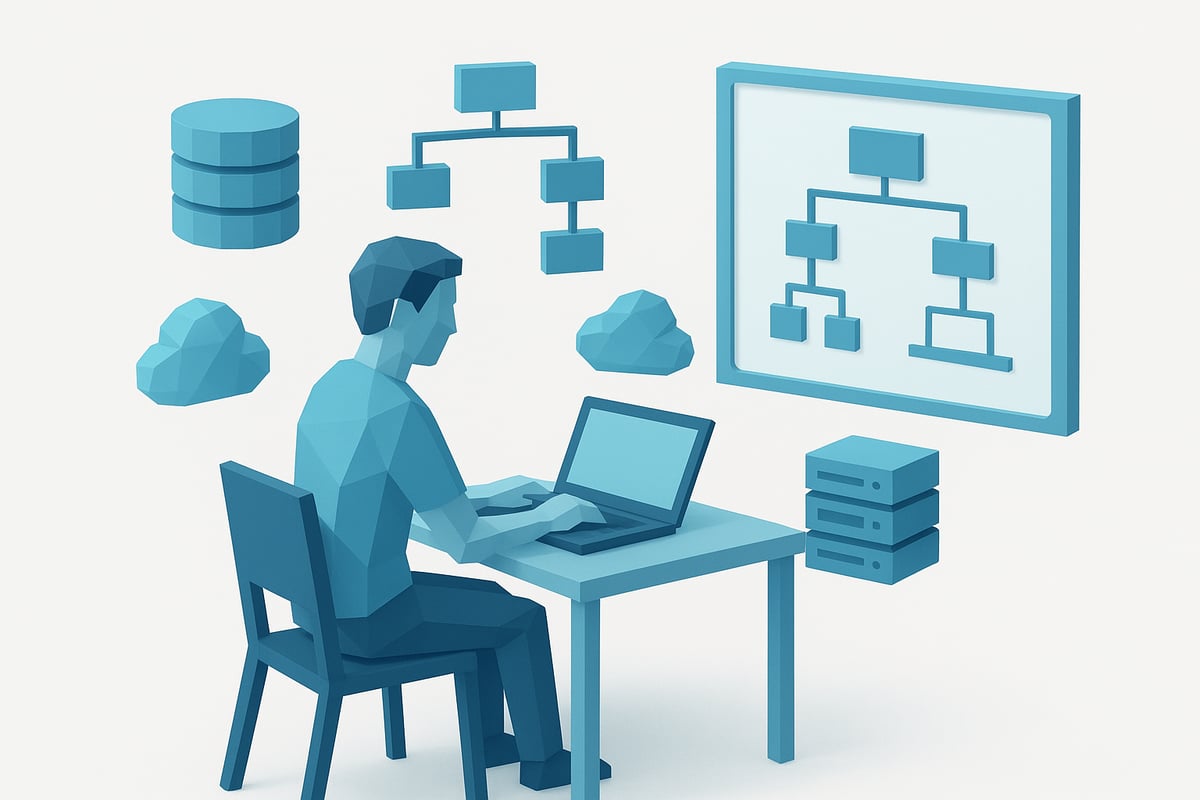
Begin your journey by mastering the core principles that underpin any system design interview mock. Focus on understanding scalability, consistency models, the CAP theorem, and load balancing. These concepts are the backbone of modern distributed systems and are central to nearly every question you will face.
Construct your foundational knowledge by studying databases (both SQL and NoSQL), caching strategies, messaging systems, and API design. Use resources like the System Design Interview Guide to access structured content, frameworks, and real-world examples.
To organize your study, consider the following table:
| Topic | Why It Matters |
|---|---|
| Scalability | Handles user growth |
| Consistency | Ensures data reliability |
| CAP Theorem | Guides system trade-offs |
| Load Balancing | Maintains performance |
| Database Design | Optimizes data management |
| Caching | Reduces latency |
A solid foundation ensures that your system design interview mock responses are grounded in proven technical principles.
Practicing Real Interview Scenarios
Once you understand the basics, immerse yourself in realistic system design interview mock scenarios. Practice by solving open-ended problems such as designing Twitter, Uber, scalable chat applications, or distributed storage systems.
Study recent interview questions from leading companies like Google, Meta, and Amazon to see what is trending for 2026. Break down each problem by clarifying requirements, outlining high-level architecture, and then diving into specifics such as sharding, replication, and consistency.
Work through sample problems, draw diagrams, and explain your thought process aloud. This active practice bridges the gap between theory and real-world application, a key step for any system design interview mock preparation.
Mastering Collaboration and Time Management
System design interview mock sessions often involve whiteboarding or digital collaboration. Familiarize yourself with both physical and virtual whiteboards, as well as tools like Miro or Google Jamboard, to ensure you can communicate ideas clearly in any setting.
Practice structuring your answers within the typical 45-60 minute interview window. Allocate time for requirement gathering, high-level design, deep dives, and trade-off discussions. Use checklists to keep your process on track and avoid missing key elements.
Collaboration also means engaging actively with your interviewer. Ask clarifying questions, seek feedback, and adjust your approach based on the conversation. These skills will make your system design interview mock sessions more dynamic and effective.
Leveraging Feedback and Tracking Progress
Regular feedback is essential for growth. After each system design interview mock, review feedback carefully to identify strengths and improvement areas. Track your progress over time by keeping a log of problems solved, feedback received, and lessons learned.
Engage in peer mock interviews to simulate real dynamics and receive diverse perspectives. Use self-assessment templates and progress trackers to monitor your development and adjust your study plan as needed.
By iteratively refining your approach, you will build resilience and adaptability, both crucial for excelling in any system design interview mock. This continuous improvement mindset will set you apart in 2026’s competitive hiring landscape.
Mock Interview Walkthrough: What to Expect and How to Excel
Preparing for a system design interview mock can feel overwhelming, but understanding each stage can transform anxiety into confidence. Let’s break down what to expect and how to excel during a typical mock session in 2026.
Interview Structure and Initial Framing
A system design interview mock usually begins with the interviewer presenting an open-ended problem. For example, you might be asked, “Design a global chat application.”
Start by clarifying requirements. Ask questions to define the scope, such as:
- How many users should the system support?
- Are real-time notifications required?
- What are the latency and availability targets?
This phase is crucial, as it demonstrates your ability to break down ambiguous problems. Show that you’re thinking about the user experience, business needs, and technical constraints. Early communication sets the tone for the rest of the system design interview mock.
High-Level Architecture and Diagramming
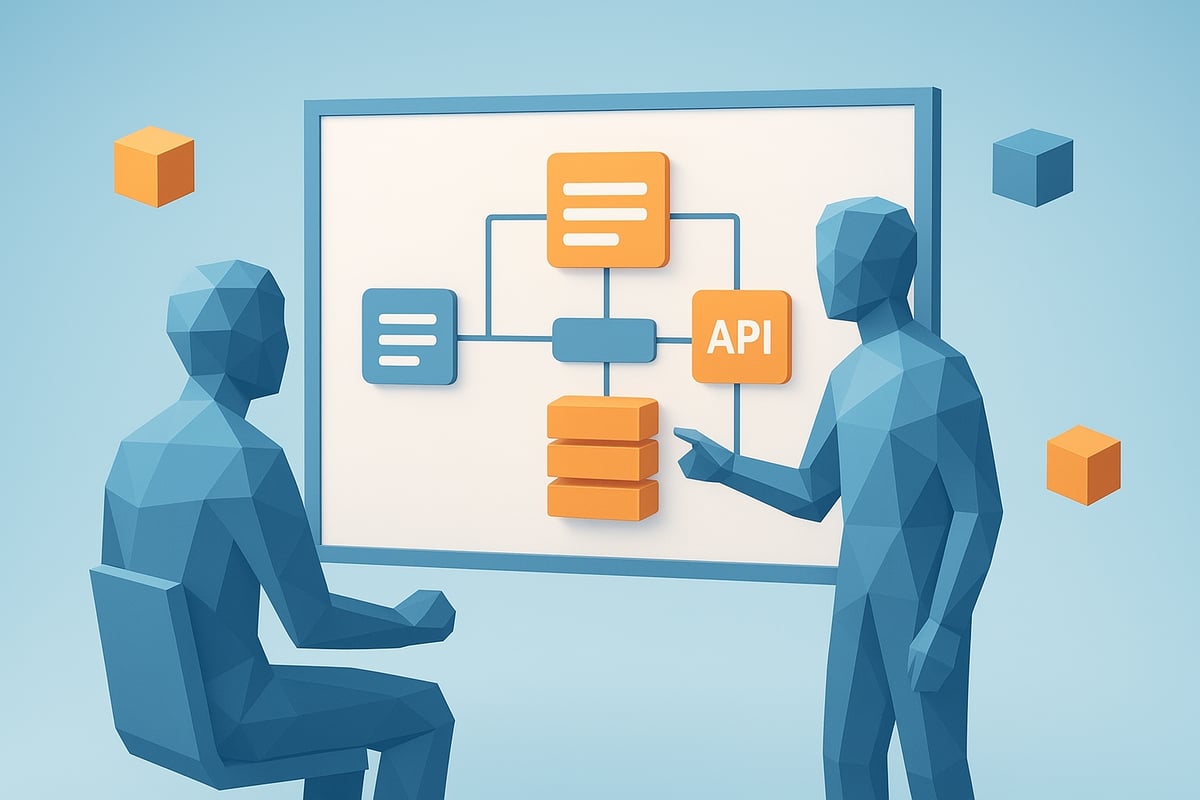
Once you have clear requirements, outline your high-level architecture. Use diagrams to show how different components interact. Focus on:
- Load balancers and entry points
- Application servers
- Databases and storage
- Caching layers
- Messaging systems or queues
A whiteboard or collaborative online tool is essential for visual clarity. Consider referencing resources like the System Design Primer on GitHub for architecture examples and best practices.
As you draw, narrate your thought process. For instance, explain why you chose a particular database or how your design can handle 100 million users. This is a key opportunity to reinforce your understanding of system design interview mock scenarios.
Deep Dive: Partitioning, Scaling, and Trade-offs
Next, the interviewer will likely ask you to dive deeper into specific subsystems. If the focus is data storage, discuss partitioning strategies such as:
- Sharding by geography, time, or user ID
- Replication for high availability
- Consistency models (eventual vs. strong)
You might use a table to compare options:
| Strategy | Pros | Cons |
|---|---|---|
| Geo-sharding | Lower latency, local data | Data migration complexity |
| Time-based | Simple archival | Hot partitions possible |
Discuss trade-offs for each decision. For example, explain why you might choose eventual consistency to optimize for speed in a global chat app. This analytical approach is what sets apart strong system design interview mock performances.
Communication, Feedback, and How to Excel
Throughout the mock, communicate every step. Justify your choices, acknowledge ambiguities, and invite follow-up questions. When the interviewer challenges your decisions, respond thoughtfully—this shows adaptability.
Common feedback includes balancing high-level vision with technical details. For example, if you focus too much on architecture without discussing data consistency, you may be advised to provide more specificity.
To excel in a system design interview mock:
- Stay structured: move from requirements to architecture, then to deep dives.
- Practice whiteboarding and virtual tools to ensure clear diagrams.
- Be ready for prompts like “How would your design handle a sudden traffic spike?”
- Reflect on feedback after each mock to identify growth areas.
Mastering these steps will help you approach every system design interview mock with confidence and clarity.
Avoiding Common Mistakes and Pitfalls
Navigating a system design interview mock can be challenging, even for experienced candidates. Understanding the most frequent mistakes and how to avoid them is essential for 2026 interview success. By proactively addressing these pitfalls, you can make the most of every system design interview mock and dramatically improve your performance.

Frequent Mistakes in System Design Interview Mocks
Interviewers consistently observe certain patterns that hinder candidates' performance in system design interview mock sessions. The most common mistakes include:
- Overemphasizing high-level architecture without supporting details or implementation steps.
- Neglecting to clarify requirements, leading to misaligned solutions.
- Failing to discuss trade-offs, scalability, or system bottlenecks.
- Providing answers that lack structure, making it hard for interviewers to follow your thought process.
- Overlooking the importance of clear communication and concise diagrams.
Each of these missteps can reduce your impact, regardless of your technical depth. In a system design interview mock, balance between vision and specificity is key.
Feedback in Action: Example and Recovery
Consider a scenario where feedback highlights insufficient detail in data distribution. For example, a candidate describes sharding without explaining partitioning keys, replication, or consistency models. This lack of specificity often appears in system design interview mock feedback and can cost valuable points.
To recover, pause and restate your approach. Ask clarifying questions, then walk through data flow with concrete examples. Use diagrams to illustrate how data is partitioned across nodes and explain the reasoning behind your choices. This demonstrates both adaptability and depth.
How to Stay Calm and Structured Under Pressure
The pressure of a system design interview mock can lead to rushed answers or missed requirements. To maintain composure:
- Breathe deeply and take brief pauses before responding.
- Use a structured framework: clarify requirements, outline high-level design, dive into key components, then discuss trade-offs.
- Jot down a quick checklist to ensure you address all major aspects.
- If you make a mistake, acknowledge it, correct your course, and move forward confidently.
For a comprehensive approach, consider integrating a proven interview preparation checklist into your study routine. This can help you track progress and systematically address weaknesses uncovered in system design interview mock sessions.
Turning Mistakes into Growth Opportunities
Mistakes in a system design interview mock are not failures but stepping stones. Regularly review feedback, adjust your preparation strategy, and seek targeted mock sessions to address persistent issues. Over time, these corrections will build your confidence and competence, making you resilient in real 2026 interviews.
Expert Tips and Advanced Strategies for 2026 Success
Staying ahead in your system design interview mock preparation means evolving with the landscape. As 2026 approaches, the expectations for candidates continue to rise, demanding both technical depth and adaptability. Let us break down expert strategies that will help you excel in every system design interview mock and build the confidence to tackle any challenge.
Staying Ahead: Essential 2026 System Design Trends
To perform well in any system design interview mock, you must stay updated on industry trends. In 2026, companies increasingly expect familiarity with cloud-native architectures, serverless designs, and AI-driven components. Interviewers want to see that you can not only design scalable systems but also integrate emerging technologies seamlessly.
Keep a close eye on distributed systems, real-time data processing, and the latest in microservices deployment. Regularly review engineering blogs and technical reports to ensure your answers reflect current best practices. Remember, showing awareness of trends in a system design interview mock can set you apart from other candidates.
Structuring Your Answers: Proven Frameworks
A structured approach is critical for clarity and impact in every system design interview mock. Leverage mental models such as the 4-step framework: requirements gathering, high-level architecture, deep dive into components, and trade-off discussions. This method helps interviewers follow your thought process and demonstrates your comprehensive understanding.
For mastering these frameworks, consider the Grokking the System Design Interview Course. It offers real interview scenarios, step-by-step breakdowns, and interactive diagrams. Practicing with such resources strengthens your ability to communicate solutions clearly during a system design interview mock.
Feedback Loops: Accelerate Your Growth
Continuous improvement is the secret to excelling in any system design interview mock. Make feedback an integral part of your preparation routine. After each mock session, review feedback carefully, focusing on both your strengths and areas for growth.
Top performers create feedback loops, iterating on weak points until their responses are sharp and confident. Peer review is especially valuable, as it exposes you to different perspectives and solution styles. Embrace criticism as a tool for mastery in the system design interview mock process.
Diverse Problem Practice: Real-World Readiness
A robust system design interview mock strategy involves practicing a wide range of problems. Do not limit yourself to popular questions; instead, tackle databases, messaging systems, analytics engines, and real-time applications.
Working through diverse scenarios helps you handle unexpected twists during the actual interview. Collaborate with peers, join study groups, and seek out mock interviews with professionals from different backgrounds. The more varied your practice, the more adaptable you will be in any system design interview mock.
Portfolio Building and Continuous Learning
Documenting your solutions is a powerful way to reinforce learning and showcase your skills. Build a portfolio—digital or physical—of your system design interview mock answers, complete with diagrams, trade-off analyses, and feedback notes.
Deepen your technical foundation with authoritative resources like the Designing Data-Intensive Applications Book. This reference covers core topics such as consistency, replication, and partitioning, which are crucial for high-level discussions and in-depth technical dives. Pair these resources with regular mock practice to maintain a sharp, current understanding for every system design interview mock.
The Role of Feedback and Continuous Improvement
Feedback is the foundation of progress in every system design interview mock. In 2026, employers expect candidates not just to solve problems, but also to learn and adapt from every session. Regular feedback transforms mock interviews from practice runs into powerful growth opportunities.
Why Feedback Matters
A system design interview mock is only as valuable as the lessons you extract from it. Feedback provides an outside perspective, helping you spot blind spots and areas for improvement that self-study often misses.
Modern interviewers emphasize communication, structured thinking, and technical rigor. Feedback on these aspects helps you calibrate your approach. Recent data shows that candidates who actively seek and apply feedback improve their interview performance by up to 50% (source: igotanoffer.com).
Without a feedback loop, it's easy to repeat the same mistakes or overlook subtle gaps in your answers. That makes every round of feedback a critical checkpoint on your journey to mastery.
Interpreting and Acting on Feedback
Receiving feedback during a system design interview mock is only the first step. The real value comes from how you interpret and act on it. Start by reviewing interviewer notes and transcript highlights, focusing on both strengths and shortcomings.
Look for patterns. Are you consistently missing implementation details, or struggling with trade-off discussions? Pinpointing recurring issues helps you prioritize what to fix first. Create an action plan based on feedback, such as practicing whiteboard diagramming or refining your explanation of scalability concepts.
For those seeking structured improvement, practicing with experts and using detailed feedback from platforms featured in Best interview preparation websites can accelerate your learning curve.
Building a Feedback Loop for Growth
Continuous improvement depends on a reliable feedback loop. Schedule regular system design interview mock sessions, ideally with peers or experienced coaches. After each session, spend time reflecting on feedback, updating your study plan, and focusing on newly identified weak points.
Track your progress over time. For example, moving from a 1 out of 4 to a 4 out of 4 in problem-solving is often the result of iterative feedback and persistent practice. Use checklists, self-assessment tools, and progress trackers to visualize improvement.
Resilience is crucial. Not every piece of feedback will be easy to hear, but adopting a growth mindset ensures that criticism becomes a catalyst for your development.
Final Review and Checklist
As you prepare for your 2026 interviews, make feedback and iteration core to your system design interview mock routine. Before your next big day, run through this checklist:
| Final Checklist for 2026 System Design Interviews |
|---|
| Review all recent feedback notes and transcripts |
| Practice with at least one system design interview mock this week |
| Update your study plan based on latest feedback |
| Revisit past mistakes and ensure you have addressed them |
| Use peer or expert review for your most challenging topics |
| Confirm understanding of both high-level and detailed design concepts |
Integrating feedback at every stage will sharpen your skills, boost your confidence, and set you apart. Make every system design interview mock count, and let continuous improvement guide you to success in 2026.
As you’ve seen throughout this guide, mastering system design interviews for 2026 means combining up to date strategies, hands on practice, and continuous feedback. If you’re ready to put these lessons into action and accelerate your prep, you don’t have to do it alone. CareerConcierge io has everything you need—from AI powered resume tools to personalized mock interview resources—to help you stand out in today’s competitive tech landscape. Take the next step toward your dream job and Get Started Free.