AI for Letter Guide: Unlock Effortless Writing in 2026
Discover how AI for letter writing in 2026 streamlines flawless communication with smart personalization, advanced tools, and expert strategies for impactful results.
Imagine sitting down to write a letter and finishing in minutes, not hours. No more staring at a blank page, no more second-guessing your words. Instead, you have clear, confident communication at your fingertips.
In 2026, ai for letter is changing the way we connect, both personally and professionally. With just a few clicks, you can craft messages that feel authentic and polished, every single time.
This guide will show you how these tools have evolved, highlight their key features, and walk you through practical steps to get the most out of ai for letter. Ready to unlock effortless writing? Let’s get started.
The Evolution of AI for Letter Writing
Before the rise of ai for letter solutions, writing a letter was a meticulous process. People relied on their own skills to draft, edit, and format each document. This often led to concerns about tone, structure, and ensuring the right level of personalization for the recipient.
Manual letter writing meant starting from scratch or reusing generic templates. Time-consuming revisions were the norm, especially for business correspondence or emotionally sensitive notes. Letters held immense significance, serving as formal records in professional settings and as heartfelt messages in personal life. The art of crafting the perfect letter was respected, but it posed challenges for many who struggled to express themselves effectively.
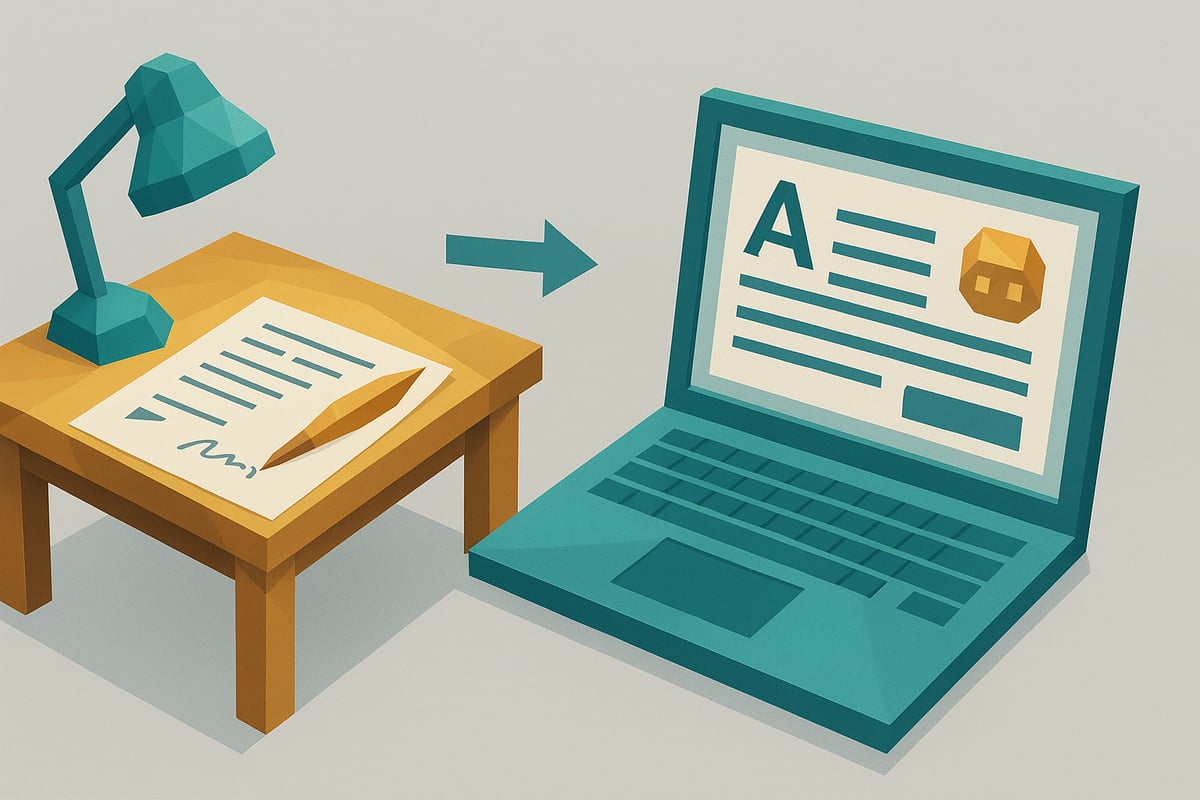
The Pre-AI Era: Traditional Letter Writing
In the pre-digital world, ai for letter did not exist, and every letter was crafted with care and patience. Writers spent significant time ensuring their message was clear and their tone appropriate for the occasion. Templates were helpful, but rarely captured the true intent or personality behind the words.
Common challenges included deciding on the right structure and format. The need for personalization was high, yet difficult to achieve consistently. Letters played critical roles in both personal milestones and business negotiations. Their historical value is evident in archives and memoirs, where handwritten notes reveal much about their time.
The Emergence of AI Tools (2020-2026)
The landscape began to shift with the introduction of ai for letter generators in the early 2020s. These initial tools offered basic templates and limited customization, but they marked the start of automation in written communication. As demand increased, developers integrated AI into office software, making it easier for users to generate drafts quickly.
Milestones such as the adoption of GPT-3 and GPT-4 models brought significant improvements. AI could now understand context better and adjust content based on user input. The period between 2020 and 2026 saw a rapid evolution, with ai for letter tools becoming more sophisticated and widely accessible across industries.
2026 Breakthroughs in AI Letter Generation
By 2026, ai for letter technology has achieved remarkable advances. Modern AI models are trained on millions of authentic letters, allowing them to generate messages that feel natural and contextually aware. Enhanced natural language processing enables real-time adjustments for tone, style, and even cultural nuances.
Key features now include instant analysis of recipient profiles, dynamic suggestions for structure, and the ability to match writing style to the sender’s intent. These breakthroughs have made ai for letter solutions indispensable for both personal and business communication, offering efficiency without sacrificing personalization.
User Adoption and Market Growth
The adoption rate of ai for letter tools has soared. By 2026, over 60% of professionals are using AI to streamline their correspondence, according to industry reports. This surge reflects not only a desire for efficiency but also increased accessibility for non-native speakers and neurodiverse individuals.
AI is helping democratize written communication, making it possible for more people to express themselves clearly and professionally. For a detailed look at these trends and the market’s expansion, the AI Writing Assistant Software Market Growth Outlook 2026 provides valuable insights into adoption rates and future projections.
Challenges and Concerns
Despite its benefits, ai for letter technology raises important questions. Data privacy remains a top concern, as sensitive information is often processed by AI platforms. There is also the risk of over-reliance, where messages become too generic or lose their personal touch.
Balancing the efficiency of AI with the authenticity of human communication is crucial. Users must remain vigilant about maintaining confidentiality and ensuring that their unique voice is not lost. As ai for letter tools continue to evolve, ongoing attention to ethics and best practices will shape their responsible use.
Core Features of AI Letter Tools in 2026
AI for letter writing in 2026 stands out for its powerful blend of intelligence, efficiency, and adaptability. These tools have transformed how individuals and organizations approach written communication. By focusing on user needs, context, and security, modern platforms ensure every letter is clear, personal, and effective.
Smart Personalization and Context Awareness
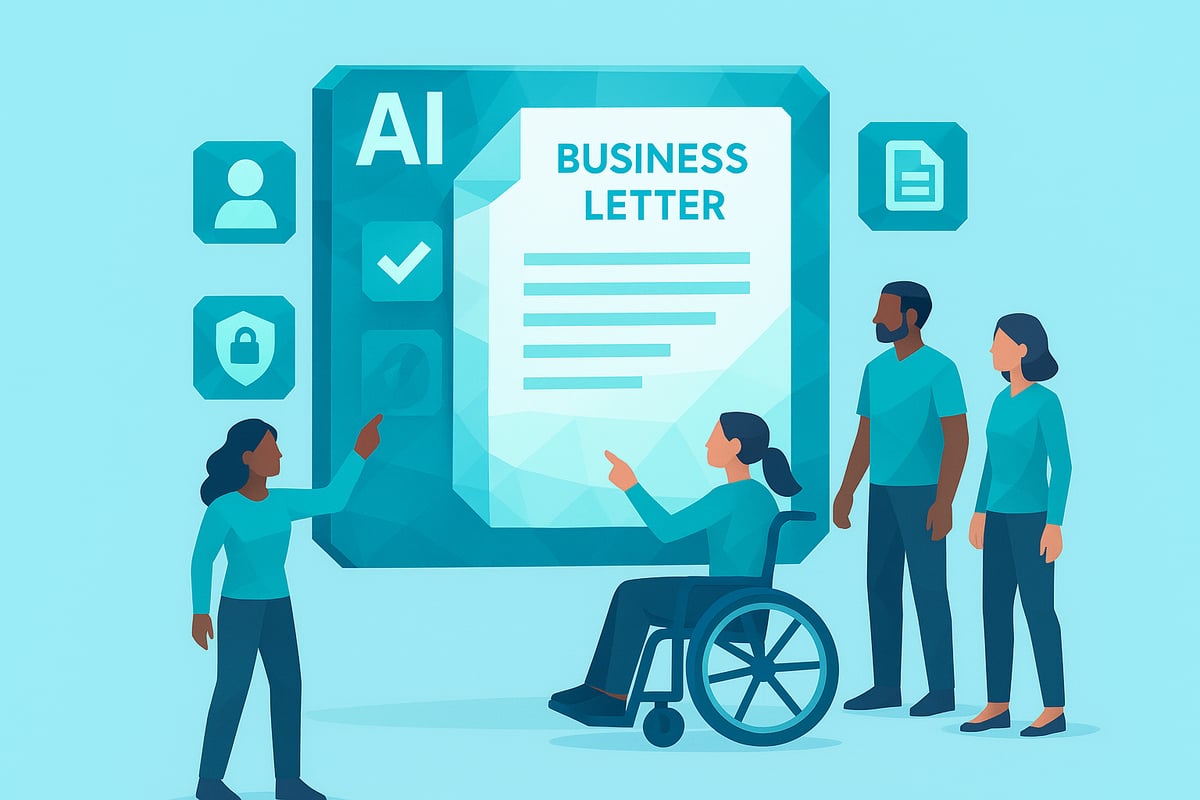
One of the most impressive advancements in ai for letter solutions is the ability to personalize content based on deep contextual understanding. AI analyzes recipient details, the purpose of the letter, and the relationship between sender and receiver.
Users can select from a range of tones, such as formal, informal, empathetic, or persuasive. For example, an ai for letter tool can instantly distinguish between a condolence message and a business proposal, ensuring each letter feels authentic and appropriate.
Personalization extends to recognizing cultural differences and adjusting language accordingly. This level of nuance helps users create letters that resonate with any audience.
Real-Time Language and Grammar Optimization
AI for letter tools now offer real-time corrections for grammar, spelling, and style. These platforms analyze each sentence, suggesting improvements for clarity and impact.
Advanced suggestion engines recommend stronger vocabulary and more concise phrasing. Multilingual support is also standard, allowing users to translate content instantly and communicate across borders.
Inline feedback keeps the writing process smooth and error-free. This ensures that every ai for letter draft meets professional standards before it is sent.
Template Libraries and Dynamic Structuring
Modern ai for letter platforms come equipped with extensive template libraries. Users can access thousands of industry-specific templates, from cover letters to customer service responses.
AI recommends structures based on the letter’s type, such as complaints, thank-yous, or job applications. With drag-and-drop or auto-fill features, users quickly tailor each template to their needs.
Dynamic structuring ensures the letter flows logically. This combination of templates and AI-driven suggestions saves time and boosts confidence for every user.
Integration with Digital Workflows
Seamless integration is a hallmark of ai for letter tools in 2026. These platforms connect directly with email clients, CRM systems, and document management software.
Users can automate saving, versioning, and scheduling for all correspondence. For busy professionals, this integration means letters are always organized and accessible.
Such workflow enhancements minimize manual effort and reduce the risk of errors. Ultimately, ai for letter tools become a natural extension of daily productivity suites.
Security, Privacy, and Compliance
Security is a top priority for anyone using ai for letter software. Leading platforms employ robust data encryption and adhere to GDPR guidelines, ensuring that sensitive information remains confidential.
Users retain control over data retention and sharing settings. For legal or confidential communications, secure letter generation is essential. To learn more about industry-leading practices in this area, see Secure and Private AI Writing.
These safeguards make ai for letter tools reliable for both personal and business correspondence.
Accessibility and Inclusivity
Accessibility is central to the design of ai for letter solutions in 2026. Voice-to-text and text-to-voice features empower users with different abilities to communicate effectively.
Adaptive interfaces adjust to individual needs, making the writing process smoother for everyone. Non-native English speakers benefit from AI guidance on language and tone.
By focusing on inclusivity, ai for letter technology ensures that no one is left behind in the evolution of digital communication.
Step-by-Step Guide: Effortless Letter Writing with AI in 2026
Mastering ai for letter writing in 2026 is easier than ever. With intuitive tools and seamless workflows, anyone can craft polished letters in minutes. This step-by-step guide walks you through the process, ensuring you harness the full power of modern AI solutions.
Step 1: Define Your Purpose and Audience
Begin your ai for letter journey by clarifying your intent and understanding your audience. Are you writing a business proposal, a personal thank-you note, or an academic inquiry? Defining your purpose sets the foundation for effective communication and helps the AI tool tailor its suggestions.
List the key details before you start:
- Recipient's name and relationship
- Main objective of the letter
- Desired tone (formal, friendly, persuasive)
For example, a job application letter will differ significantly from a birthday invitation. Most AI platforms prompt you to enter these details up front, ensuring the generated content aligns with your specific needs. By outlining your goals, you empower ai for letter tools to deliver truly relevant drafts.
Step 2: Select or Customize a Template
Once your purpose is clear, choose a template that matches your situation. Modern ai for letter platforms offer vast libraries sorted by category—business, personal, academic, customer service, and more. Browse these options to find the ideal starting point.
Customization is key. AI tools suggest sections and content based on your inputs, letting you adjust the structure or add unique elements. For instance, you might want to insert a special closing paragraph or reorder sections for impact. If you're crafting a cover letter, consider using an AI Cover Letter Generator to streamline the process and ensure professional quality.
Templates save time while maintaining flexibility. The right template, enhanced by ai for letter insight, provides a strong foundation for any message.
Step 3: Input Key Details and Preferences
With a template chosen, it is time to enter the specifics. Most ai for letter tools offer user-friendly forms or guided prompts for recipient information, context, and desired outcomes. The more detail you provide, the more tailored and effective the AI's suggestions become.
Set your preferences for tone, style, and letter length. Do you prefer a concise, direct approach or a more elaborate, conversational style? Many platforms allow you to toggle between options with a single click. For instance, switching from a formal to a casual tone is effortless with the latest ai for letter technologies.
A clear, detailed input phase ensures your letter resonates with its recipient and achieves its intended purpose.
Step 4: Review AI-Generated Draft
After entering your details, the ai for letter system generates a draft in seconds. Review this draft carefully, focusing on clarity, structure, and impact. AI often highlights sections that could benefit from further personalization or suggests improvements for stronger messaging.
Consider the following during review:
- Is the main point immediately clear?
- Does the tone match your relationship with the recipient?
- Are there any sections that feel generic or impersonal?
The review phase is your opportunity to refine the draft, ensuring it meets your standards. AI-powered feedback makes this process efficient, guiding you toward a polished final product.
Step 5: Edit, Personalize, and Finalize
Even the most advanced ai for letter technology benefits from a human touch. Take time to personalize your draft—add anecdotes, adjust phrasing, and ensure your authentic voice shines through. Small tweaks can transform a good letter into a memorable one.
Use AI-assisted editing tools to catch redundancies, check etiquette, and optimize readability. Many platforms allow you to save, export, or schedule your letter for future delivery, adding convenience to the process.
Finalizing your letter ensures it reflects both professional standards and your unique perspective, leveraging ai for letter efficiency without sacrificing authenticity.
Step 6: Send and Track Results (Advanced Tools)
With your letter finalized, advanced ai for letter platforms offer direct integration with email clients and messaging services. You can send your letter instantly or schedule it for later, all within the same interface.
For business users, analytics features track open rates, responses, and engagement. This data helps you measure the effectiveness of your outreach and refine future communication strategies. For example, you can monitor follow-up rates for HR correspondence or sales proposals, using ai for letter insights to boost results.
By combining automated sending and performance tracking, ai for letter tools not only streamline communication but also deliver actionable feedback to improve your writing outcomes.
Real-World Applications: AI Letters Across Personal and Professional Life
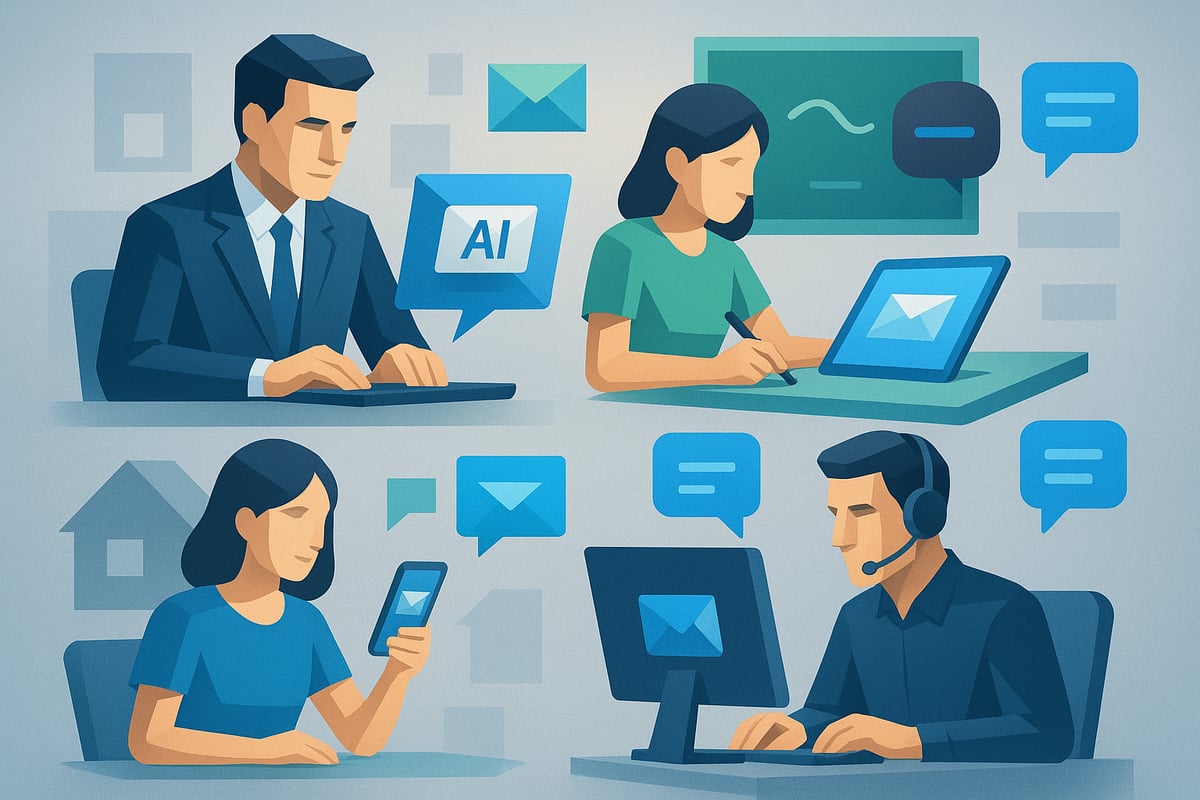
AI for letter writing is transforming how we interact across industries and personal relationships. Its versatility brings measurable improvements to communication, efficiency, and accessibility. Let us explore the diverse real-world applications of ai for letter tools in 2026.
Business Communication
In the corporate world, ai for letter solutions are redefining how teams handle outreach, negotiations, and internal HR processes. AI tools can generate client proposals, follow-up notes, and offer letters in record time. HR departments use these platforms to create personalized onboarding or feedback letters, ensuring clarity and professionalism.
Features like smart templates and real-time tone analysis help businesses maintain brand voice and adapt to various audiences. Platforms such as Features of Career Concierge AI showcase how automated writing support can boost productivity and communication quality. By leveraging ai for letter technology, organizations streamline daily correspondence and focus on strategic goals.
Academic and Educational Contexts
In education, ai for letter tools assist both students and faculty. Students rely on these solutions for application essays, scholarship requests, and recommendation letters. Educators use them to communicate with parents, craft progress updates, or respond to inquiries.
These tools provide time-saving templates and context-aware suggestions that help non-native speakers and busy administrators alike. The result is improved engagement, reduced errors, and access to polished, professional letters with minimal effort. As ai for letter adoption grows, educational institutions foster better connections and smoother workflows.
Personal Correspondence
Maintaining personal relationships is easier with ai for letter technology. Whether sending thank-you notes, condolences, or celebratory messages, users benefit from AI’s ability to match tone and sentiment.
AI-generated letters can be tailored for major life events, anniversaries, or milestones. Users simply provide key details, and the system recommends structure and phrasing for genuine, heartfelt communication. The accessibility of ai for letter platforms ensures that even those who struggle with writing can express themselves with confidence.
Customer Service and Support
Customer service teams rely on ai for letter tools to handle responses to complaints, feedback, and inquiries. AI ensures messages are empathetic, timely, and consistent in tone.
Automated solutions suggest appropriate language for apologies, troubleshooting, or follow-ups. This results in faster response times, higher customer satisfaction, and reduced manual workload. With ai for letter technology, support agents can focus on complex cases while AI manages routine correspondence.
Multilingual and Cross-Cultural Communication
Global businesses and individuals benefit from ai for letter platforms that support instant translation and cultural adaptation. AI analyzes idioms, formality, and expressions to align with the recipient’s background.
This capability breaks language barriers, making it easier to communicate across borders. Whether dealing with international clients or friends abroad, users trust ai for letter tools to deliver clear, culturally sensitive messages that foster understanding.
Accessibility Enhancements
Ai for letter applications promote inclusivity by offering voice-to-text, text-to-voice, and adaptive interfaces. These features empower users with visual, motor, or cognitive challenges to communicate effectively.
The AI provides guidance on grammar and etiquette, helping non-native speakers and those with disabilities craft professional letters. As ai for letter adoption expands, more people gain the ability to participate fully in digital communication, regardless of their abilities.
Tips, Best Practices, and Limitations of AI Letter Writing
Unlocking the full power of ai for letter writing requires more than just selecting a tool. To truly maximize results, you need to understand best practices, avoid common mistakes, and recognize the technology’s current boundaries. Here is how you can ensure every letter you generate with ai for letter tools is clear, authentic, and effective.
Maximizing AI Effectiveness
Getting the most out of ai for letter platforms starts with providing clear, specific prompts. The more precise the details you offer—such as the recipient, purpose, and desired tone—the better the AI can tailor your message. Review drafts carefully, using AI suggestions as a foundation, but always personalize the content to reflect your unique voice.
- Give the AI all relevant context.
- Use editable templates to match your goals.
- Combine AI recommendations with your own insights.
For job applications or formal business correspondence, consider reviewing Writing ATS-Friendly Letters to ensure your ai for letter draft aligns with current standards.
Avoiding Common Pitfalls
Relying completely on ai for letter tools can lead to generic or impersonal messages. Always double-check sensitive information before sending, especially when dealing with confidential topics. Protect privacy by understanding how your data is handled within the platform.
- Watch for repetitive or overly formal language.
- Manually verify names, dates, and facts.
- Avoid sharing confidential details in unsecured drafts.
Even though AI speeds up the process, your oversight ensures professionalism and accuracy.
Maintaining Human Touch
Despite the efficiency of ai for letter solutions, it is essential to infuse emotion and empathy into your messages. AI excels at structure and clarity, but only you can add personal anecdotes or nuanced responses. Readers value sincerity—they can sense when a letter is authentic.
- Add a genuine opening or closing.
- Share a brief personal story when appropriate.
- Adjust the tone to suit the relationship or occasion.
Balancing AI-generated structure with your own human touch is what makes correspondence memorable.
Legal and Ethical Considerations
When using ai for letter generators, remember that not all content is automatically original or copyright-free. Understand the platform’s policy on content ownership, especially for academic or legal letters. Ethically, always disclose AI assistance if required and never use AI to misrepresent facts or credentials.
- Verify originality in sensitive contexts.
- Stay aware of plagiarism risks.
- Use AI ethically in professional and academic settings.
Following these guidelines protects both your reputation and legal standing.
Staying Updated with AI Advancements
The field of ai for letter writing is evolving rapidly. Regularly check for software updates and new features that can enhance your workflow. Engage with user communities and read industry insights, such as those found in AI Writing Assistant Software Market Trends and Forecast 2030, to stay ahead of trends.
- Subscribe to newsletters from trusted AI providers.
- Join forums for user tips and troubleshooting.
- Participate in beta testing for new tools.
Continuous learning ensures you benefit from the latest enhancements.
Limitations and Future Outlook
Although ai for letter tools are powerful, they still struggle with sarcasm, humor, and deep cultural nuances. Always review drafts for tone and appropriateness, especially for international or sensitive audiences. By late 2026, we expect improvements in emotional intelligence and context awareness, but human review remains crucial.
- Double-check for awkward phrasing.
- Adjust humor or idioms for your audience.
- Stay alert to the AI’s current boundaries.
Looking ahead, ai for letter technology will continue to evolve, but your input remains vital for authentic, impactful communication.
The Future of AI for Letter Writing: Trends and Predictions for 2026 and Beyond
As 2026 unfolds, the landscape of ai for letter writing is poised for remarkable transformation. Innovations are rapidly changing how individuals and organizations communicate, blending technology with the human element for unmatched effectiveness.
Hyper-Personalization and Emotional Intelligence
The next generation of ai for letter tools will excel at hyper-personalization. These systems will analyze recipient history, context, and preferences, crafting messages that feel genuinely tailored. Emotional intelligence will be embedded, with AI detecting subtle cues from previous interactions to adjust tone and content.
Imagine an ai for letter platform that predicts the recipient’s mood or response style, ensuring each message resonates. Predictive writing will become standard, with AI suggesting words or phrases based on the recipient’s known preferences. This level of personalization will foster deeper connections, whether in business or personal correspondence.
Voice and AR/VR Integration
Voice technology is set to revolutionize the way we interact with ai for letter platforms. Dictation features will allow users to compose letters hands-free, using any smart device or wearable. This not only increases efficiency but also makes letter writing more accessible for those with mobility challenges.
AR and VR will introduce immersive environments where users can visualize and edit letters in three-dimensional workspaces. Imagine stepping into a virtual office, collaborating in real time on a letter draft with colleagues across the globe. These advancements will redefine what it means to communicate in the digital age.
Collaboration and Workflow Automation
Collaboration within ai for letter tools will become seamless. Multi-user editing, real-time feedback, and integrated project management will streamline workflow. Teams will be able to draft, revise, and approve letters within a unified platform, eliminating traditional bottlenecks.
Workflow automation will extend to scheduling, version control, and automatic follow-up reminders. By integrating with CRM and productivity tools, ai for letter solutions will ensure that correspondence is timely, consistent, and aligned with organizational objectives. This shift will drive productivity and reduce administrative overhead.
AI Ethics, Privacy, and Trust
With increased reliance on ai for letter writing, ethical considerations are paramount. Transparency in how AI models generate and store content will be demanded by users and regulators alike. Companies will emphasize user control, allowing individuals to decide how their data is processed and retained.
Industry standards for responsible AI use will emerge, focusing on privacy, consent, and authenticity. Trust will become a competitive advantage, with platforms differentiating themselves through robust compliance and ethical frameworks. As these conversations evolve, users will gain greater confidence in adopting ai for letter technologies.
Expanding Accessibility and Global Reach
By 2026, ai for letter platforms will support a broader range of languages, dialects, and cultural norms. This expansion will empower users worldwide to communicate effectively, regardless of linguistic background. Multilingual capabilities and cultural adaptation will break down barriers, making correspondence truly global.
Market research predicts significant growth in the AI writing assistant sector, as highlighted in the AI Writing Assistant Software Market Size and Share report. This surge reflects not only technological advancement but also a commitment to inclusion, with features designed for users with disabilities and those in underserved regions.
Industry-Specific Innovations
Different industries will harness ai for letter tools in specialized ways. Healthcare providers will use AI to generate patient communication, ensuring clarity and empathy. Legal professionals will benefit from privacy-first letter drafting, while government agencies will streamline official correspondence.
Each sector will see tailored solutions, with ai for letter platforms adapting to their unique compliance, tone, and documentation needs. This customization will drive efficiency, accuracy, and trust across critical communications.
The Human-AI Partnership
Ultimately, the future of ai for letter writing is about partnership. AI will act as a co-writer and coach, not a replacement for human creativity or judgment. By automating routine tasks and providing intelligent suggestions, these tools will free users to focus on what matters most: authentic connection and impactful communication.
Writers will leverage ai for letter platforms to enhance, not replace, their voices. This synergy will foster new levels of productivity, creativity, and engagement, setting the stage for a new era in written communication.
As you’ve seen throughout this guide, AI is transforming the way we approach letter writing—making it faster, smarter, and more personalized than ever before. Whether you’re working on a standout cover letter, reaching out to a new contact, or refining your professional communications, having the right tools can make all the difference. With CareerConcierge io you gain access to intuitive AI-powered features—tailored resumes, dynamic templates, and effortless editing—that streamline your path to career success. Ready to experience effortless letter writing yourself? Get Started Free and see how AI can elevate your job search and communications in 2026.