Apply Resume Guide: Expert Steps for Success in 2025
Master your job search with our expert apply resume guide for 2025 Learn step by step strategies to optimize your resume and secure more interviews
In the rapidly evolving job market of 2026, your resume is more than just a document, it is your ticket to opportunity. As hiring practices shift and AI screening becomes the norm, knowing how to apply resume strategies effectively is essential to stand out.
Employers now expect tailored, results-driven applications. This guide offers a proven, step-by-step approach to help you apply resume techniques that meet 2026 standards. You will learn about the latest job market trends, resume preparation, customization, leveraging technology, and mastering the application process for job search success.
Understanding the 2026 Job Market and Resume Trends
Adapting your apply resume strategy for 2026 means understanding how the job market and employer expectations have shifted. The increasing pace of change demands a modern, targeted approach for every applicant.

The Evolving Hiring Landscape
The 2026 job market is shaped by a surge in remote and hybrid work, allowing companies to access talent globally. This expansion has intensified competition for every role, making it essential to apply resume techniques that stand out across borders. Employers now rely heavily on AI-driven Applicant Tracking Systems (ATS) to filter candidates efficiently. According to recent data, 98 percent of Fortune 500 companies use ATS, and their importance is only growing.
Digital and soft skills are now prominent in job postings. For example, major tech firms often require applicants to have optimized LinkedIn profiles and digital portfolios. To maximize your chances, ensure your apply resume is formatted to pass ATS filters and highlights your digital capabilities. For detailed guidance on formatting, review Writing an ATS-Friendly Resume.
What Recruiters Want in 2026
Recruiters in 2026 are shifting towards skills-based hiring, favoring micro-credentials and certifications over traditional degrees. When you apply resume best practices, focus on demonstrating quantifiable achievements, such as measurable improvements or direct business impacts. Employers also value adaptability and cultural fit as critical factors.
For instance, companies like Google increasingly assess candidates’ problem-solving abilities and adaptability rather than relying solely on formal education. Showcasing a mix of technical and interpersonal skills in your apply resume can give you a substantial edge in the selection process.
Key Resume Format and Content Trends
Modern apply resume strategies favor minimalist, ATS-friendly templates that use clear headings and avoid unnecessary graphics. There is a rise in multimedia resumes, including video introductions and embedded links to digital portfolios or personal websites. In fact, 65 percent of recruiters now prefer resumes with embedded links, reflecting the demand for easily accessible proof of skills and work samples.
Consider including links to your portfolio, LinkedIn, or other relevant platforms directly within your apply resume. This approach not only showcases your work but also demonstrates your ability to leverage technology and present yourself professionally in a digital-first job market.
Step 1: Preparing Your Resume Foundation
Before you can effectively apply resume best practices in 2026, it is crucial to build a strong foundation. This step-by-step approach ensures your resume stands out, aligns with your career goals, and is ready for the demands of modern hiring.

Self-Assessment and Goal Setting
Start your journey to apply resume strategies by identifying your core skills, strengths, and long-term career objectives. Reflect on where you excel and what you truly enjoy doing in your work.
List the industries and roles that match your interests, then map your experience to these targets. For example, if you are moving from marketing to product management, highlight transferable skills such as project leadership, market research, and cross-functional collaboration.
Setting clear goals will help you apply resume techniques more effectively and tailor your approach for each opportunity.
Gathering Essential Information
To apply resume optimization successfully, collect all the details that showcase your professional journey. This includes your work history, key achievements, education, and certifications.
Gather quantifiable results and document specific project outcomes. Use the STAR method (Situation, Task, Action, Result) to break down your accomplishments into impactful bullet points.
For example, instead of saying “Managed a team,” try “Led a team of 5 to deliver a project two weeks ahead of schedule, increasing client satisfaction by 30 percent.” This approach will make your apply resume process data-driven and compelling.
Choosing the Right Resume Format
Selecting the ideal format is essential when you apply resume principles to your document. There are three main types:
| Format | Best For | Pros | Cons |
|---|---|---|---|
| Chronological | Consistent work history | Easy to read, preferred by recruiters | Highlights gaps or frequent moves |
| Functional | Limited experience, gaps | Focuses on skills, masks gaps | Less familiar to recruiters |
| Hybrid | Career changers, diverse | Balances skills and experience | Can be longer, needs careful edit |
If you are changing careers or have employment gaps, a hybrid format lets you emphasize relevant skills while still showing your timeline. Choosing the right structure ensures your apply resume efforts fit your background and target role.
Creating a Modern, ATS-Compatible Layout
Modern employers use Applicant Tracking Systems to screen candidates, so your layout must be clean and optimized. Use clear headings, standard fonts, and avoid graphics, tables, or unusual formatting. Keyword optimization is essential, as ATS software may reject resumes with complex designs.
In fact, ATS rejection rates rise by 30 percent if your format is too complicated. If you need help designing an effective layout, check out this Free Resume Builder Guide to find tools that simplify the apply resume process and boost your chances.
Writing a Compelling Professional Summary
Your professional summary is the first thing recruiters see when you apply resume skills to your application. Craft a concise, targeted statement that aligns with your job goals and highlights your top strengths.
Include measurable achievements and key skills. For example, “Results-driven data analyst with 5+ years’ experience improving business insights by 40 percent.” This approach ensures your apply resume introduction captures attention and sets the stage for the rest of your document.
Step 2: Tailoring Your Resume for Each Application
In 2026, a generic apply resume rarely makes it past the first screening. Employers and automated systems expect every submission to be uniquely targeted. Tailoring your apply resume for each application is essential to stand out and land interviews. This section walks you through a proven, step-by-step process for customizing your resume to match every opportunity.
Analyzing the Job Description
Begin by studying the job description in detail. Identify core competencies, essential skills, and repeated keywords. Pay close attention to how the company describes its culture and priorities. This analysis is the foundation for an effective apply resume.
Underline or highlight must-have qualifications. Separate them from nice-to-have skills. For example, if a software engineer role repeatedly mentions "Python" and "agile development," ensure those terms are prominent in your resume.
By aligning your apply resume with these requirements, you increase your chances of passing both ATS and human review. This careful analysis sets the stage for precise customization.
Customizing Content for Maximum Relevance
Once you understand the target role, rewrite your experience to match the employer's language. Adapt bullet points to reflect the specific responsibilities and results the job ad emphasizes. Use the same terminology as the posting, but keep your language authentic and measurable.
Here’s a comparison of tailoring for different roles:
| Target Role | Generic Resume Bullet | Tailored Resume Bullet |
|---|---|---|
| Product Manager | Led team meetings | Led agile sprints to launch 3 products |
| Data Analyst | Analyzed company data | Improved reporting accuracy by 25% |
| Marketing Lead | Handled campaigns | Managed 5 digital campaigns, grew ROI |
Keep your apply resume focused on results that matter to the position. Prioritize your most relevant skills and experiences, ensuring each line speaks directly to the employer’s needs.
Optimizing for ATS and Human Review
Applicant Tracking Systems (ATS) are now the primary gatekeepers for most organizations. To ensure your apply resume is not filtered out, strategically place keywords from the job posting throughout your document. Use them in your summary, skills, and job descriptions, but always in a way that reads naturally.
Balance keyword optimization with clear, concise language. Overstuffing with keywords can make your resume unreadable. For more strategies on maximizing your resume’s impact and passing ATS filters, refer to Applying with Your Resume.
Remember, a resume with an 80 percent keyword match can double your chances of getting an interview. Prioritize both algorithmic and human readability for best results.
Showcasing Quantifiable Achievements
Employers in 2026 demand proof of impact. Replace vague statements with specific results. Use numbers, percentages, and time frames to convey your contributions.
For example:
- Instead of “Improved sales,” write “Increased sales by 20 percent within 6 months.”
- Prefer “Reduced onboarding time by 30 percent” over “Streamlined processes.”
Each achievement on your apply resume should be measurable. This approach demonstrates value and sets you apart from competitors.
Incorporating Modern Elements
Modern apply resumes often include links to online portfolios, LinkedIn profiles, or personal websites. If the employer allows, add a QR code leading to a video introduction or interactive portfolio. These elements provide depth and proof of your skills beyond the page.
Statistics show that 40 percent of employers check LinkedIn before interviews. Embedding links increases your visibility and credibility. Always ensure all links are professional and relevant to your target role.
Avoiding Common Mistakes
Even strong candidates make avoidable errors that can undermine their apply resume. Watch for these pitfalls:
- Using generic objectives instead of targeted summaries
- Including irrelevant or outdated information
- Overusing buzzwords or clichés like “hardworking team player”
- Allowing typos or formatting inconsistencies
A polished, focused apply resume signals professionalism and attention to detail. Review each application carefully before submitting.
How AI Tools Can Streamline Resume Tailoring
AI-driven platforms are transforming how professionals apply resume best practices. These tools instantly analyze job descriptions, suggest optimized keywords, and check formatting for ATS compatibility.
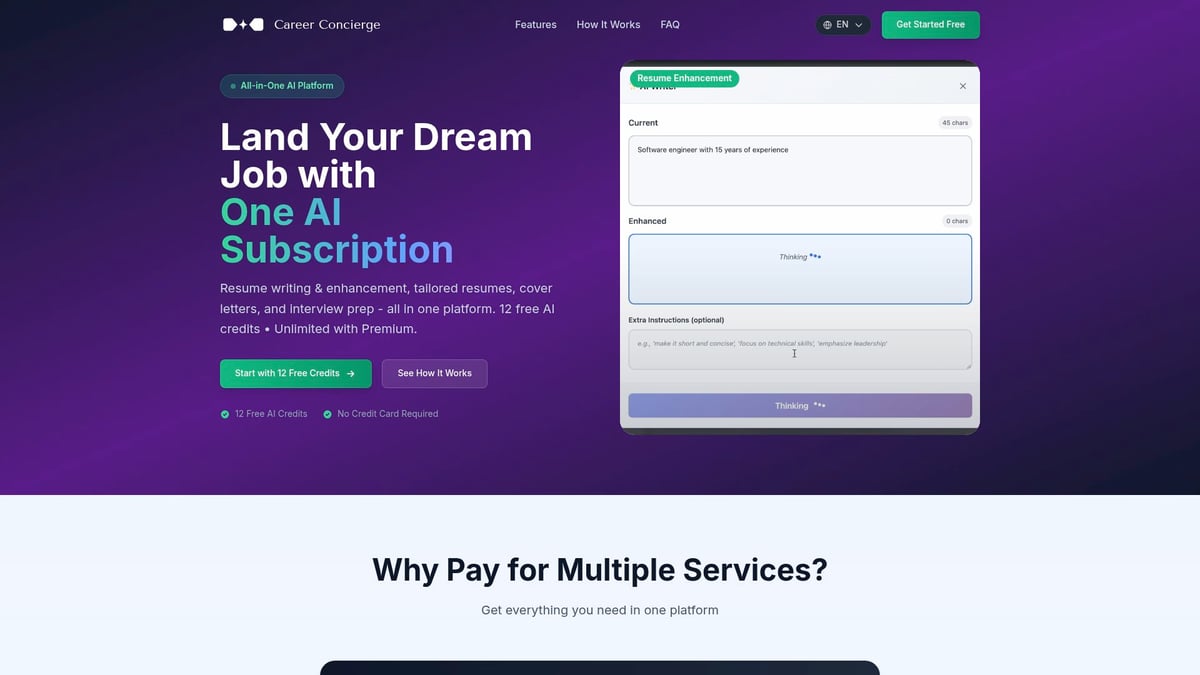
For instance, AI can generate customized bullet points for different roles, saving hours of manual editing. By leveraging these platforms, you save time, boost your ATS pass rates, and significantly improve your chances of landing interviews.
Integrating AI into your apply resume process is a smart move for staying competitive in 2026.
Step 3: Leveraging Technology in the Application Process
Navigating the modern job search in 2026 means more than just submitting your credentials. To successfully apply resume materials, you must harness the right technology at every step. The evolution of hiring tools, from Applicant Tracking Systems to AI-driven platforms, is reshaping how candidates stand out and secure interviews.
Understanding ATS and How to Beat Them
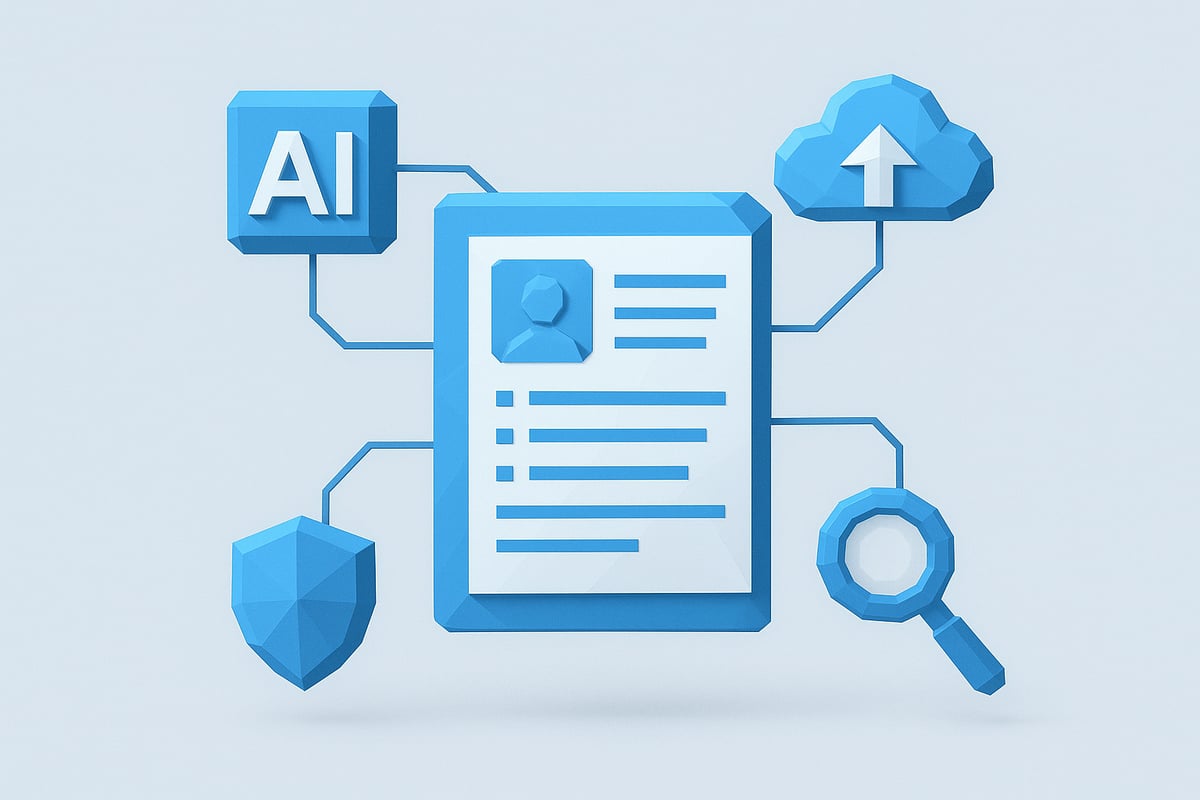
Applicant Tracking Systems (ATS) now power the majority of recruitment pipelines. These platforms scan, parse, and rank every apply resume submission before a human ever reviews it. If your format or section headings are non-standard, your application might be invisible to recruiters. To succeed, use clear headings like "Work Experience," stick to text-based layouts, and avoid graphics or tables.
Recruiters increasingly rely on ATS to filter vast pools of applicants. According to HR Trends and Hiring Statistics 2025, optimizing your apply resume for these systems is crucial. Focus on integrating relevant keywords and keeping your formatting simple to ensure your qualifications are recognized.
Using Resume Builders and Enhancement Tools
Professional resume builders have become essential allies in the apply resume process. These platforms offer AI-powered suggestions, industry-specific templates, and real-time feedback on keyword optimization. Unlike manual editing, modern tools instantly highlight missing sections, formatting errors, and mismatched skills.
Some advanced builders allow you to preview your apply resume as it would appear to an ATS, increasing your chances of passing initial screenings. Features like drag-and-drop sections, instant keyword checks, and automatic formatting make it easier to present your experience in the best light while saving valuable time.
Free and Paid ATS Resume Checkers
Before you apply resume documents to any job, running them through an ATS checker is a smart move. These tools analyze your resume for keyword match, section organization, and potential formatting pitfalls. Free versions often provide basic feedback, while paid options deliver detailed reports and actionable recommendations.
Statistically, candidates who use ATS checkers see a significant boost in interview callbacks. A well-optimized apply resume, verified by these platforms, helps ensure you are not filtered out prematurely and that your skills reach the eyes of decision-makers.
Integrating Digital Portfolios and Personal Branding
In 2026, a strong digital presence is inseparable from a successful apply resume strategy. Embedding links to your LinkedIn profile, GitHub, Behance, or personal website directly in your resume can set you apart. Many employers actively review these profiles before making interview decisions.
Consider adding QR codes or short links to showcase video introductions or interactive portfolios. This approach demonstrates your tech-savviness and provides recruiters with a richer picture of your abilities beyond the traditional apply resume format.
Staying Secure and Protecting Personal Data
The digital age brings new risks when you apply resume content online. Protect your information by using secure job platforms, adjusting privacy settings, and avoiding sharing sensitive data unnecessarily. Be vigilant for phishing attempts and fraudulent postings, which target job seekers during the application process.
Always verify the authenticity of job boards and company portals before uploading your apply resume. By prioritizing security, you ensure your job search remains both productive and safe throughout every technological touchpoint.
Step 4: Mastering the Resume Submission and Follow-Up Process
Submitting your application is more than just hitting "send." In 2026, you need a strategic approach to apply resume across multiple channels, follow up with confidence, and continuously refine your materials to stand out. Let us break down the essential steps to ensure your resume not only reaches the right people but also gets noticed.
Choosing the Right Channels for Application
When you apply resume for a new position, selecting the correct channel is crucial. The main options include company websites, job boards, recruiting agencies, and referrals. Each has distinct advantages and drawbacks.
| Application Channel | Pros | Cons |
|---|---|---|
| Company Website | Direct to employer, less competition | May require more steps |
| Job Boards | Broad reach, easy to apply resume | High competition, ATS heavy |
| Recruiting Agency | Access to hidden jobs | Less control over process |
| Referral | Higher chance of interview | Requires networking |
For example, LinkedIn’s Easy Apply feature is fast but can lead to high applicant volume, while direct company portals may offer better tracking and personalization. Referrals remain the most effective way to apply resume, often boosting your chances of landing an interview.
Crafting Effective Cover Letters and Supporting Documents
A compelling cover letter can elevate your apply resume efforts. In 2026, cover letters are still valued, especially when tailored to the job description. Always customize your letter to complement your resume and highlight your most relevant achievements.
When should you include a cover letter?
- The job posting requests it.
- You have a unique story or qualification.
- You want to explain a career change or gap.
Start strong. For example, "I am excited to apply resume for the Product Manager role at InnovateTech, where my leadership increased market share by 30 percent."
Supporting documents, like portfolios or certifications, should be included when relevant. Ensure all files are ATS-friendly and clearly labeled.
Timing and Tracking Applications
Timing can impact your apply resume success. Applications submitted earlier in the week, especially on Mondays, tend to receive more attention. According to Recruitment Statistics 2025, optimal timing increases response rates, and organized tracking ensures you never miss an opportunity.
Tips to maximize your approach:
- Use a spreadsheet or job search tool to log each apply resume.
- Note the date, channel, job title, and follow-up status.
- Set reminders to check application status after one to two weeks.
This method keeps your search structured and boosts your efficiency.
Following Up After Submission
Following up is a vital part of the apply resume process. It demonstrates initiative and keeps your application top of mind.
Best practices:
- Wait 7 to 10 days after submitting your apply resume.
- Send a polite email or LinkedIn message to the recruiter or hiring manager.
- Keep it brief, reiterate your interest, and mention the role.
Sample follow-up template:
Subject: Following up on my application for [Job Title]

Dear [Name],
I recently submitted my apply resume for the [Job Title] position and wanted to express my continued interest. I look forward to discussing how my skills align with your team's needs.
Best regards,
[Your Name]
A thoughtful follow-up can set you apart from other candidates.
Handling Rejection and Iterating on Your Resume
Rejection is part of the job search, but it is also an opportunity to refine and improve your apply resume. Review feedback, if available, and look for patterns in responses or lack thereof.
Key steps after rejection:
- Update your resume after every five applications.
- Adjust keywords and achievements based on job descriptions.
- Seek feedback from mentors or peers.
Job seekers who consistently update their apply resume see faster placement and better results. Treat each application as a learning experience, and your persistence will pay off.
Step 5: Preparing for Interviews and Next Steps After Applying
Once you apply resume strategies effectively, the next phase is critical for turning applications into interviews. Preparation and proactive follow-up can make a significant difference in your job search outcome. Here is how to maximize your chances after you apply resume best practices.
Anticipating Interview Invitations
After you apply resume techniques tailored for 2026, set up a professional email address and voicemail. Check both frequently, as prompt responses to interview invitations leave a strong first impression. When you receive an invitation, reply quickly, confirm the date and time, and ask any clarifying questions. Here is a sample reply:
Thank you for the opportunity. I confirm my availability for the interview on [date/time]. Please let me know if there are any materials I should prepare.
This attention to detail shows respect and professionalism.
Reviewing and Rehearsing Resume Content
Before your interview, review every section of your apply resume submission. Be ready to discuss your achievements and experiences in detail. Practice answering behavioral questions using the STAR method (Situation, Task, Action, Result). Frame your accomplishments as stories that highlight your skills and impact. For example, describe how you solved a complex problem or led a successful project. This preparation ensures you can confidently address anything on your resume.
Aligning Your Personal Brand Across Channels
Employers often research candidates before interviews, so ensure your personal brand is consistent everywhere. Update your LinkedIn, portfolio, and professional profiles to match your apply resume content. Consistency signals reliability and attention to detail. With the growing importance of digital screening, as underscored by the Applicant Tracking System Market Growth, your online presence is part of your application. Make sure your achievements and skills are reflected accurately across all channels.
Leveraging Networking and Referrals
Don’t underestimate the power of networking after you apply resume strategies. Reach out to connections at your target companies to let them know you have applied. Employee referrals can significantly boost your chances of landing an interview. According to recent data, referred candidates are four times more likely to be hired. A brief message or LinkedIn note can make a big difference, opening doors that your resume alone might not.
Planning for Next Steps if You Don’t Hear Back
If you do not receive a response within a week or two after you apply resume to a role, set a reminder to follow up. Send a polite message reaffirming your interest and asking for an update. Meanwhile, keep your momentum by applying to new roles, networking, and building skills relevant to your goals. Rotating between applications, outreach, and professional development ensures your job search remains active and productive.
As you navigate the changing job landscape and embrace proven strategies for crafting a standout resume, remember that leveraging the right tools can make all the difference in your job search journey. With CareerConcierge.io, you can streamline every step—from optimizing your resume with AI to tailoring each application for maximum impact. If you’re ready to put these expert tips into action and give yourself a real edge in 2025, I invite you to Start for free. Take the next step toward landing your dream job with confidence and support.