Data Analyst Interview Preparation Guide for 2026 Success
Master data analyst interview preparation with our 2026 guide. Discover essential skills, expert strategies, and tools to confidently secure your ideal role.

The demand for skilled data analysts is booming in 2026 as organizations harness data for smarter decision-making. Navigating this rapidly evolving field requires more than technical know-how; targeted data analyst interview preparation is crucial for landing your ideal role.
This guide delivers a clear, step-by-step roadmap to help you excel in interviews, master essential skills, and outperform the competition. Discover the key competencies, interview formats, and proven strategies you need to stand out in the 2026 job market. Ready to elevate your career? Dive in and let this comprehensive resource lead you to data analyst interview success.
Understanding the 2026 Data Analyst Job Market
The data analyst landscape in 2026 looks vastly different from just a few years ago. As organizations prioritize data-driven strategies, the expectations for data analysts have grown. Modern analysts are not just number crunchers—they are business partners, storytellers, and automation specialists. Companies now integrate AI and machine learning into daily analytics, requiring analysts to adapt quickly. Hybrid skills are in demand, combining technical expertise with business acumen. According to recent industry reports, data analyst job postings are projected to grow by over 25% by 2026. Employers increasingly seek professionals who can code, automate repetitive tasks, and clearly communicate insights, making data analyst interview preparation more critical than ever.

Evolving Role of Data Analysts
Data analyst responsibilities have expanded well beyond traditional data reporting. Today, analysts are expected to influence business decisions, automate data workflows, and leverage advanced technologies. New tools such as automated machine learning platforms and AI-driven analytics are becoming standard in daily tasks. The modern analyst bridges the gap between raw data and strategic business action. For data analyst interview preparation, candidates should demonstrate both coding proficiency and the ability to communicate complex findings. Roles now often require familiarity with cloud-based data solutions and an understanding of business processes, reflecting the hybrid nature of the position.
Key Industries and Emerging Opportunities
The surge in data-driven decision-making has opened doors across multiple sectors. Finance, healthcare, e-commerce, and tech remain top employers, but new opportunities are emerging. Remote and hybrid analytics roles have become commonplace, allowing professionals to work from anywhere. The healthcare industry, in particular, has experienced a boom in analytics post-pandemic, with data analysts playing a crucial role in patient care and operational efficiency. Sustainability and ESG reporting are also on the rise, requiring specialized analytics skills. Notably, data analyst interview preparation now often includes industry-specific scenarios, as companies outside traditional tech hubs ramp up hiring.
Essential Skills for 2026 Data Analysts
Success in 2026 hinges on a blend of technical, analytical, and communication skills. Core technical skills include SQL, Python, R, and advanced Excel, along with data visualization tools like Tableau and Power BI. Analytical abilities such as statistics, A/B testing, and experimental design are essential. Equally important are communication skills—presenting findings to non-technical stakeholders is now a standard expectation. Soft skills like adaptability, collaboration, and problem-solving are highly valued. Reviewing real job postings reveals that data analyst interview preparation must focus on practical project experience, technical assessments, and the ability to translate data insights into business value. For a comprehensive overview of required skills and interview strategies, consider exploring the Data Analyst Career Guide and Interview Preparation.
Salary and Career Progression Insights
Salaries for data analysts in 2026 reflect both experience and specialization. Entry-level analysts can expect competitive starting ranges, while mid-level and senior analysts see significant increases, especially with advanced certifications or in-demand specialties like machine learning. Career progression is strong—many analysts advance to data scientist, analytics manager, or business intelligence roles. Employers increasingly emphasize the importance of a robust portfolio and hands-on project experience for promotion. Data analyst interview preparation should include building a portfolio that highlights real-world impact, as this can be a deciding factor in both hiring and career advancement.
Step-by-Step Data Analyst Interview Preparation Process
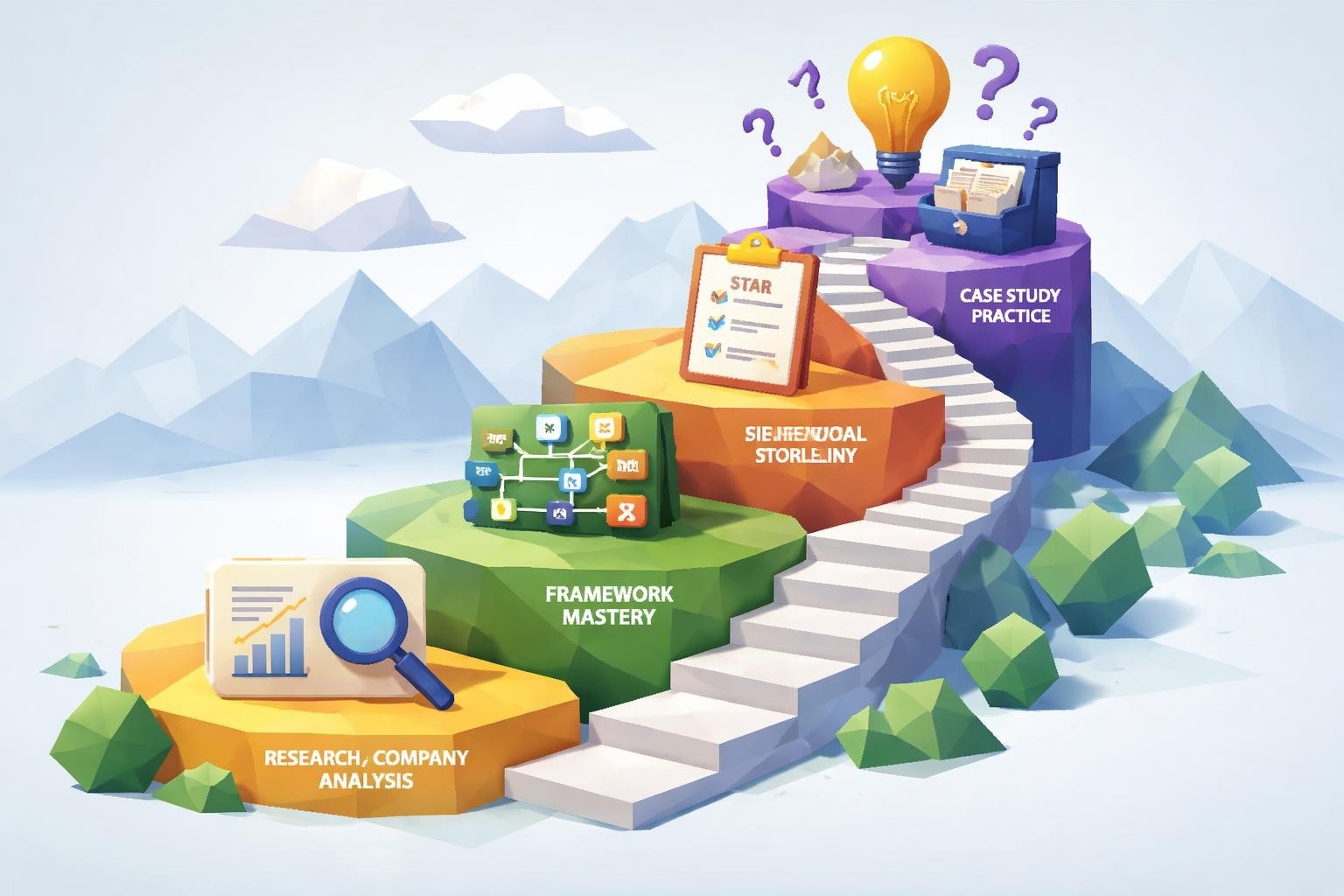
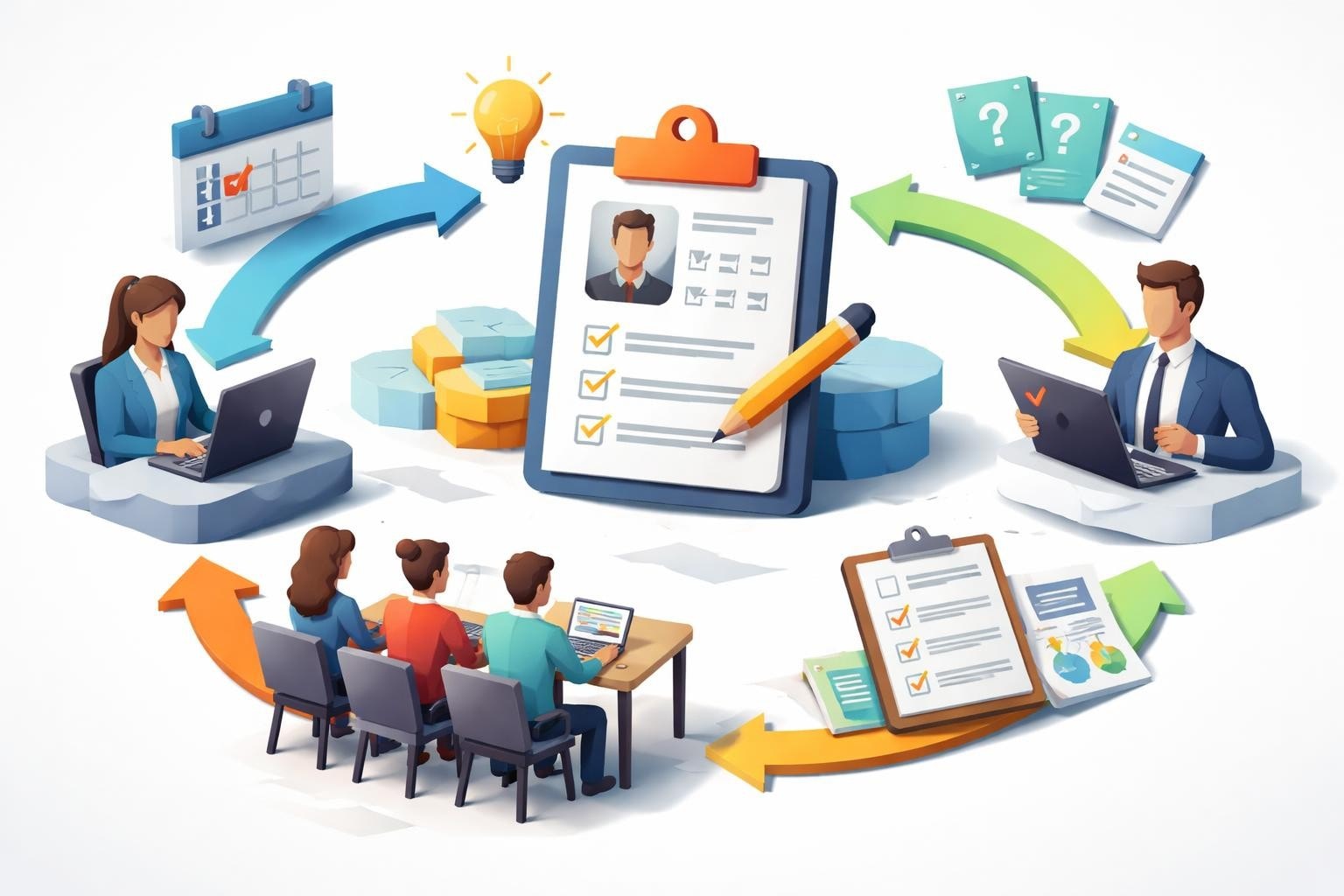
Embarking on data analyst interview preparation in 2026 requires a systematic approach. Each step is crucial for building the skills, confidence, and materials needed to stand out in a competitive market. Let's break down the process, ensuring you cover every essential aspect for interview success.
Step 1: Decode the Job Description
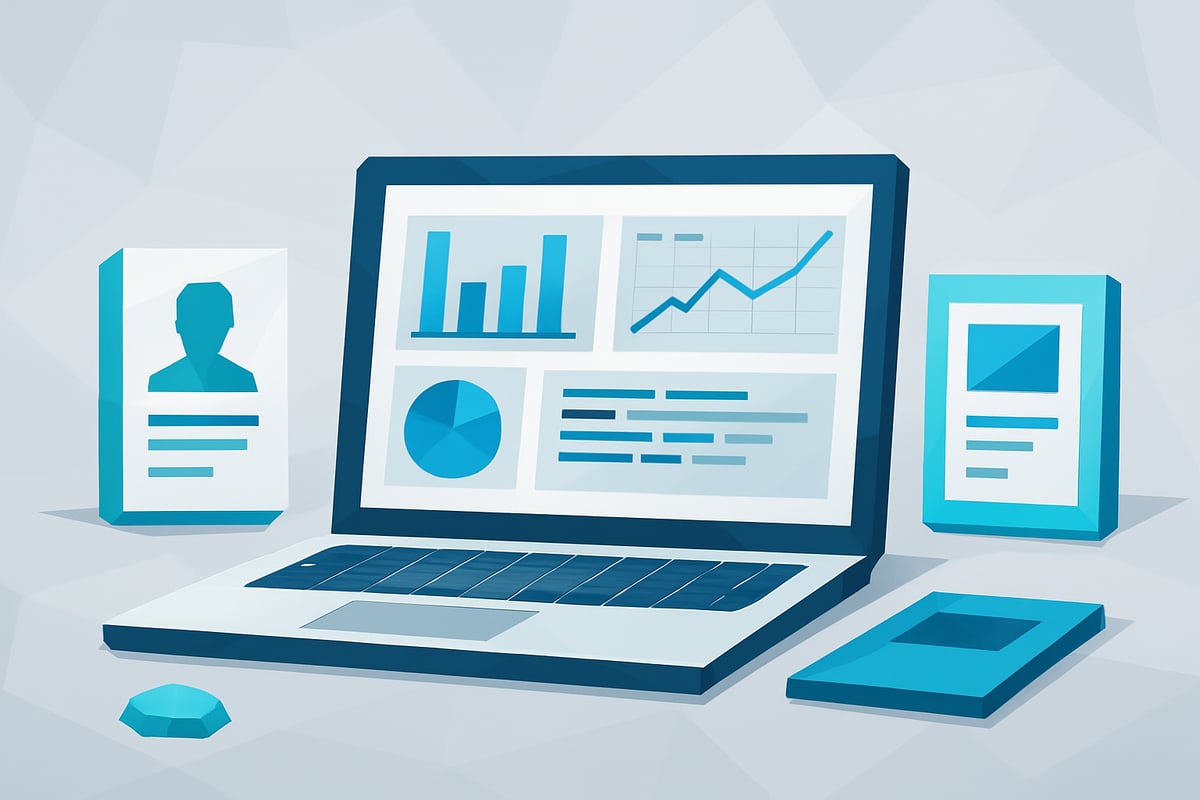
Effective data analyst interview preparation starts with a careful review of the job description. Analyze the posting to identify both required and preferred skills. Pay attention to keywords related to technical tools, business knowledge, and soft skills, as these are often used by Applicant Tracking Systems (ATS).
Create a checklist of must-have qualifications. For example, if a role emphasizes SQL, Python, and dashboarding, highlight these in your resume and cover letter. Matching your experience to the listed responsibilities is critical.
Tailoring your application is vital. For a detailed guide on how to customize your resume for specific postings, see Tailoring your resume for job applications. This step ensures your data analyst interview preparation aligns perfectly with employer expectations.
Step 2: Build a Competitive Resume and Portfolio
A strong resume and portfolio are at the heart of data analyst interview preparation. Showcase relevant projects, such as SQL queries, interactive dashboards, or machine learning models. Quantify your impact; for example, “Automated monthly sales reporting, reducing processing time by 30%.”
Include links to your GitHub, Kaggle, or a personal website. Recruiters value portfolios featuring real-world datasets and end-to-end solutions. This demonstrates not only your technical ability but also your initiative and problem-solving skills.
Organize your portfolio to guide viewers through your thought process. Highlight challenges you faced and how you overcame them. This approach will significantly strengthen your data analyst interview preparation.
Step 3: Master Core Technical Skills
Technical proficiency is non-negotiable in data analyst interview preparation. Review your knowledge of SQL, Python, R, and Excel. Practice writing queries, manipulating dataframes, and building visualizations.
For example, simulate a whiteboard SQL challenge by writing a query to find the top five products by sales:
SELECT product_name, SUM(sales) AS total_sales
FROM sales_data
GROUP BY product_name
ORDER BY total_sales DESC
LIMIT 5;
Use platforms like LeetCode, DataCamp, or Codecademy to test your skills. Focus on data cleaning, feature engineering, and statistical analysis. Consistent practice is key to effective data analyst interview preparation.
Step 4: Prepare for Behavioral and Situational Questions
Behavioral and situational questions are a critical part of data analyst interview preparation. Employers want to assess your teamwork, adaptability, and problem-solving abilities.
Use the STAR method (Situation, Task, Action, Result) to structure your responses. For example, “Describe a time you resolved a data inconsistency in a project.” Outline the challenge, your approach, and the outcome.
Practice with mock interviews, focusing on scenarios such as leading a team or addressing a project setback. This preparation will boost your confidence and ensure your data analyst interview preparation covers both technical and interpersonal skills.
Step 5: Sharpen Communication and Storytelling
Clear communication is essential in data analyst interview preparation. You must be able to translate complex data findings into actionable business insights for non-technical audiences.
Use visual aids like charts or dashboards to support your explanations. For instance, when presenting a trend analysis, focus on what the data means for the business and recommend next steps.
Practice summarizing your analysis in a few sentences. Clarity and brevity will set you apart during interviews and complete your data analyst interview preparation journey.
Technical Interview Deep Dive: What to Expect and How to Excel
Mastering the technical portion of a data analyst interview preparation process is essential for landing a top role in 2026. Employers want to see not only your coding and analytical skills but also your ability to communicate results and solve problems under pressure. Let us break down what to expect in each technical area so you can approach your data analyst interview preparation with confidence.
SQL and Database Challenges
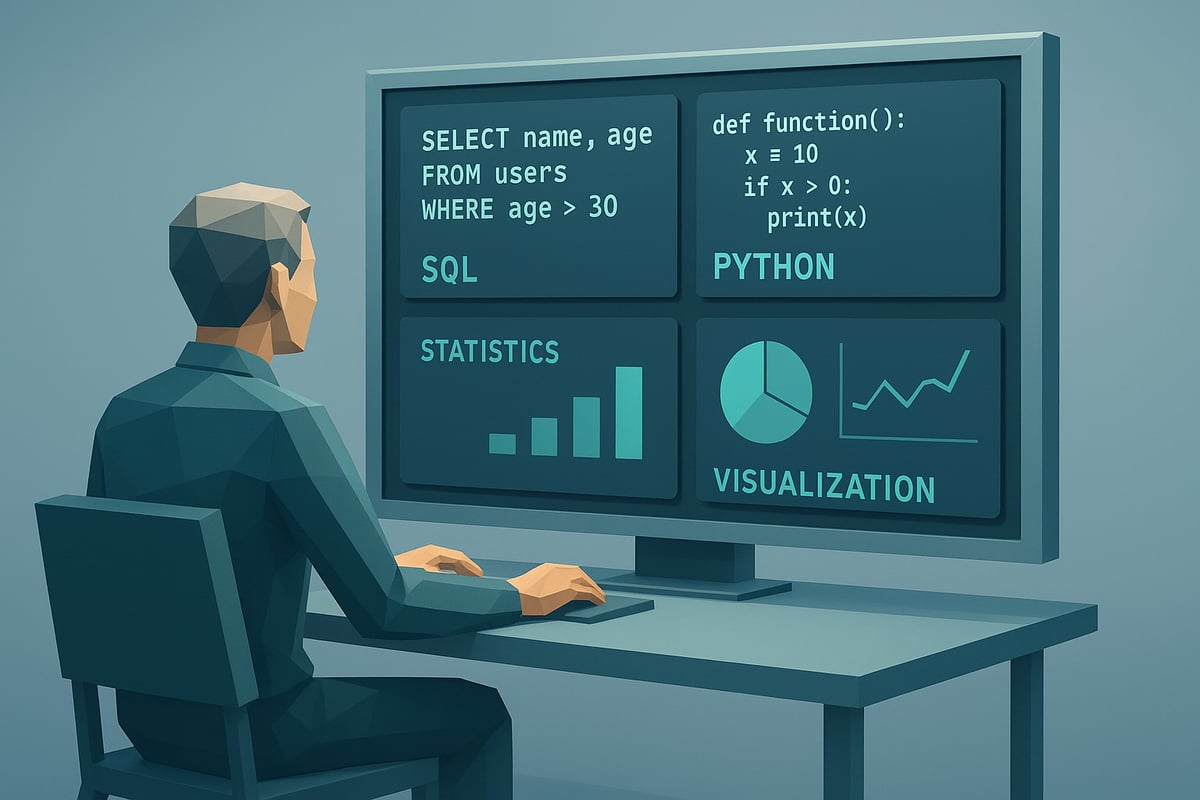
SQL forms the backbone of data analyst interview preparation, as most companies rely on relational databases. Expect questions on data extraction, joins, subqueries, and aggregations. You might be asked to write a query to identify the top-performing products or to clean and merge tables.
Common tips:
- Read questions carefully and clarify assumptions.
- Optimize queries for performance, using indexes and limiting unnecessary columns.
- Practice with sample datasets and time yourself.
For reference, review Data Analyst Interview Questions and Answers to familiarize yourself with current industry standards.
Regular practice will strengthen your data analyst interview preparation and boost your confidence in technical interviews.
Python, R, and Data Manipulation Tasks
In 2026, Python and R remain essential for data analyst interview preparation, particularly for manipulating and analyzing large datasets. Interviewers may present a messy CSV and ask you to clean it using pandas in Python or dplyr in R. Focus on writing readable, efficient code and explaining your logic step by step.
Example challenge:
import pandas as pd

df = pd.read_csv('data.csv')
df.dropna(inplace=True)
df['column'] = df['column'].str.lower()
Tips for success:
- Comment your code for clarity.
- Use built-in functions for speed.
- Explain your approach as you code.
Mastery of these languages is a must for thorough data analyst interview preparation.
Statistics and Analytical Reasoning
A solid foundation in statistics is vital for data analyst interview preparation. Expect questions on hypothesis testing, A/B testing, regression, and experimental design. You may be given a scenario to interpret p-values or confidence intervals, or to plan an experiment for a product launch.
Key concepts to review:
| Topic | Example Question |
|---|---|
| Hypothesis Test | "How would you test if two means differ?" |
| Regression | "Interpret a regression coefficient." |
| A/B Testing | "Assess the impact of a new feature." |
Brush up using online resources and practice interpreting results in business terms. This will greatly enhance your data analyst interview preparation.
Data Visualization and Interpretation
Data visualization is a crucial test of your ability to communicate insights, making it a core part of data analyst interview preparation. Interviewers may ask you to build a dashboard in Tableau or Power BI, or to interpret a time series chart.
Expect to:
- Identify trends and outliers.
- Choose the right chart type for the data.
- Explain your visualizations clearly.
Prepare examples of previous dashboards or visual analyses. Being able to translate data into actionable insights is a key differentiator during data analyst interview preparation.
Case Studies and Business Scenarios
Case interviews assess your real-world problem-solving skills. You might be given a business scenario, such as analyzing sales data to recommend a strategy. Structure your response using frameworks like MECE (Mutually Exclusive, Collectively Exhaustive).
Practice tips:
- Break down the problem logically.
- State your assumptions.
- Present recommendations supported by data.
Role-play with peers for a realistic data analyst interview preparation experience. This builds confidence in tackling complex, open-ended problems.
Whiteboarding and Live Coding Tips
Whiteboarding and live coding exercises are common in data analyst interview preparation. Interviewers want to see how you approach problems, structure your solutions, and handle incomplete or ambiguous data.
Strategies:
- Think aloud to show your reasoning.
- Sketch out data flows or transformation steps.
- Manage your time, prioritizing clarity over perfection.
Example: Suppose you need to transform a nested JSON column into a flat table. Outline your logic before coding. This approach will help you excel in your data analyst interview preparation and stand out to employers.
Navigating Non-Technical and Soft Skills Assessments
Excelling at data analyst interview preparation in 2026 means going beyond technical skills. Employers now expect candidates to demonstrate strong behavioral, communication, problem-solving, and adaptability skills. Mastering these soft skills can set you apart in a competitive job market.
Behavioral Interview Questions
A core element of data analyst interview preparation is tackling behavioral questions that reveal how you approach teamwork, leadership, and challenges. Interviewers often use the STAR framework (Situation, Task, Action, Result) to evaluate your past experiences. For instance, you might be asked, “Tell me about a time you missed a deadline.” Structure your response to show accountability and what you learned.
Employers value candidates who can communicate setbacks honestly and demonstrate growth. It is important to prepare examples that showcase your ability to collaborate and resolve conflicts. For more insights and actionable tips, explore this Data analyst interview and resume tips resource.
Communication and Data Storytelling
Effective communication is a non-negotiable skill in data analyst interview preparation. You need to translate complex analyses into clear, actionable insights for both technical and non-technical audiences. For example, when presenting a model’s output to executives, focus on the business implications rather than technical jargon.
Use visuals and analogies to simplify your message. Practice mock presentations to build confidence. Remember, clarity and brevity are valued, especially when time is limited during interviews. Strong storytelling skills can make your findings memorable and impactful.
Problem-Solving and Critical Thinking
Another crucial area in data analyst interview preparation is demonstrating logical reasoning and adaptability. Expect situational questions such as, “How would you handle incomplete data?” Here, interviewers want to see your approach to uncertainty and your problem-solving process.
Break down your reasoning step by step. Propose practical solutions, such as validating sources or using imputation techniques. Employers also look for resourcefulness, so highlight times you identified and resolved data integrity issues. Show that you can stay calm and think critically when faced with real-world obstacles.
Cultural Fit and Growth Mindset
Cultural fit and a growth mindset are increasingly prioritized in data analyst interview preparation for 2026. Be ready for questions about learning from mistakes or quickly adapting to new tools. For instance, “Describe a time you had to learn a new tool quickly.” Share how you approached the challenge, what you did to upskill, and the positive outcomes.
Demonstrate enthusiasm for continuous improvement. In 2026, companies want analysts who can thrive in dynamic environments and embrace change. Express your willingness to learn and evolve, making it clear you are invested in long-term professional growth.
Tools, Resources, and Practice Platforms for 2026 Interview Success
Preparing for a data analyst interview in 2026 requires a targeted, resource-driven approach. Modern candidates must leverage the right platforms, build a compelling portfolio, engage with the data community, and embrace AI-powered tools to stand out in a competitive job market.
Essential Online Learning and Practice Resources
To excel in data analyst interview preparation, candidates must master technical and analytical skills using leading platforms. Codecademy, LeetCode, and DataCamp offer interactive courses and coding challenges that mirror real interview tasks. Practice with authentic datasets on Kaggle or the UCI Machine Learning Repository enhances problem-solving abilities.
Mock interview simulators and whiteboard practice are crucial for building confidence. For a comprehensive strategy, refer to the Data Analyst Interview Preparation Guide by Harvard, which provides tailored practice plans and expert techniques for 2026.
Building and Showcasing a Data Portfolio
A standout data analyst interview preparation strategy includes developing an impressive portfolio. Host projects on GitHub or a personal website, highlighting end-to-end skills from data cleaning to visualization. Recruiters increasingly favor portfolios that demonstrate real-world impact over certificates alone.
Include dashboards with interactive elements, such as filtering and drill-down features. Use concise project summaries to showcase your analytical thinking and technical expertise. This approach makes your experience tangible and memorable for interviewers.
Networking and Community Engagement
Professional networking is vital for data analyst interview preparation. Join LinkedIn groups, participate in webinars, and attend virtual or in-person data meetups. Engaging in group study sessions or peer review fosters accountability and introduces new perspectives.
Virtual data hackathons and community competitions sharpen skills and expand your network. Learning from mentors and industry professionals can provide invaluable insights and may even open doors to hidden job opportunities in 2026.
CareerConcierge.io: AI-Powered Interview Preparation Platform
CareerConcierge.io is transforming data analyst interview preparation with its AI-driven tools. The platform streamlines job application and interview readiness by offering ATS resume checks, role-specific interview simulations, and personalized feedback.

With tailored practice frameworks, CareerConcierge.io helps candidates build confidence and improve success rates for highly competitive 2026 roles. Its user-friendly interface and actionable insights make it a must-have resource for aspiring data analysts.
Expert Tips and Common Mistakes to Avoid in 2026 Data Analyst Interviews
Mastering data analyst interview preparation requires more than just technical skill. Understanding common pitfalls, leveraging proven strategies, and building confidence can make the difference between landing your ideal role or missing out. Let us explore the top tips and errors to avoid as you prepare for 2026 interviews.
Top Interview Preparation Mistakes
Many candidates stumble during data analyst interview preparation by focusing solely on technical skills and neglecting other vital areas. One frequent error is submitting generic resumes or portfolios that are not aligned with the specific role. Employers expect tailored documents that highlight relevant projects and skills.
Another critical mistake is overlooking the importance of communication and mock interviews. Without practicing behavioral questions or storytelling, even the most skilled analyst can appear unprepared. Resume errors, such as poor formatting or missing keywords, often lead to missed opportunities. To avoid these pitfalls, review the Common resume mistakes to avoid and ensure your materials are optimized for applicant tracking systems.
Finally, skipping feedback or not rehearsing real interview scenarios can undermine your confidence and performance.
Proven Strategies for Standout Performance
To excel in data analyst interview preparation, start by researching the company’s data culture and recent analytics initiatives. This shows genuine interest and helps tailor your answers to the organization’s needs. Prepare thoughtful questions for your interviewers, such as inquiries about data infrastructure or team workflows.
Practice with real business cases and simulate technical challenges. A well-organized portfolio, featuring end-to-end projects, demonstrates both technical depth and business understanding. Leverage feedback from mock interviews and peers to refine your approach.
By combining technical mastery with business acumen and curiosity, you will distinguish yourself in a competitive 2026 job market.
Staying Updated with Industry Trends
Successful data analyst interview preparation in 2026 means staying current on analytics trends and technologies. Subscribe to leading industry blogs, podcasts, and follow thought leaders on social media. Familiarize yourself with new tools like dbt, Looker, and cloud-based analytics platforms.
During interviews, referencing recent developments, such as advances in AI for analytics, shows you are proactive and adaptable. This awareness can also spark meaningful conversations with your interviewers and highlight your commitment to continuous learning.
Staying informed is not just about knowledge, but also about demonstrating your relevance in a rapidly evolving field.
Managing Nerves and Building Interview Confidence
Confidence is key in data analyst interview preparation. Nerves are natural, but you can manage them with proven techniques. Practice deep breathing and positive visualization before interviews. Record yourself answering common questions, then review your delivery for clarity and poise.
Maintain a healthy routine, including good sleep and nutrition, especially leading up to interview days. Simulate the interview environment, including screen sharing or using virtual platforms, to reduce surprises. The more familiar the process feels, the more confidently you will present your skills and insights.
Remember, preparation breeds confidence, which leads to stronger, clearer answers.
Leveraging Feedback and Continuous Improvement
A critical element of data analyst interview preparation is seeking feedback after each interview. Constructive criticism from recruiters or mentors helps you identify areas for growth. Keep an interview log or journal to track questions asked, your responses, and lessons learned.
Iterate on your portfolio projects based on recruiter comments or industry trends. This approach reflects a growth mindset, which is highly valued by employers in 2026. Treat each interview as a learning opportunity, not just a pass or fail event.
Continuous improvement ensures you become a stronger candidate with every application cycle.
Final Checklist for 2026 Data Analyst Interview Success
Before your interview, review this final checklist for effective data analyst interview preparation:
| Step | Action Item |
|---|---|
| Technical | Review SQL, Python, stats, and visualization |
| Behavioral | Practice STAR responses and communication |
| Portfolio | Update with recent, relevant projects |
| Logistics | Test technology, time zones, and screen sharing |
| Mindset | Stay persistent and positive |
Double-check all application materials for tailored content and ATS compatibility, using resources like the ATS resume optimization guide. Test your setup for virtual interviews, and prepare backup plans for technical issues.
Persistence, adaptability, and thorough preparation are your greatest assets in the competitive 2026 market.
Now that you have a clear roadmap to stand out in your 2026 data analyst interviews—from mastering technical skills to building a compelling portfolio and sharpening your storytelling—why not give yourself every advantage on your journey? CareerConcierge io brings you AI powered tools to streamline your resume, tailor your applications, and practice for interviews with confidence. You deserve a platform that adapts to your needs and helps you present your best self to employers. Ready to take the next step toward your dream role? Start for free and see how easy and effective your interview preparation can be.