Interview and Resume Guide for Success in 2025
Master interview and resume success for 2025 with expert tips on ATS optimization, AI tools, and proven strategies to stand out and secure your dream job.

As the job market evolves rapidly, landing your dream role in 2026 means you need more than a great interview and resume. Competition is fierce and employers expect candidates to master both digital tools and new best practices.
This guide delivers practical, up-to-date strategies for perfecting your interview and resume so you can stand out from the crowd. You will learn how to leverage the latest trends, optimize for AI-driven hiring, and confidently navigate both in-person and virtual interviews.
Explore actionable steps for crafting a standout resume, preparing for interviews, and using modern technology to your advantage. Ready to unlock your career success in 2026? Let us begin.
The 2026 Job Market: Trends and What Employers Want
The employment landscape is changing faster than ever, and understanding what drives success is essential for any interview and resume strategy. In 2026, employers are leveraging new technologies and shifting their focus to skills and adaptability, making it critical for job seekers to stay ahead.

The Evolving Hiring Landscape
Digital transformation is reshaping how companies approach hiring. Artificial intelligence and automation are now standard, with 93% of employers using virtual interviews, according to Indeed. AI not only helps pre-screen candidates but also manages interview scheduling and communication, streamlining the process for both recruiters and applicants.
One major shift is the rise of skills-based hiring. Instead of focusing solely on degrees, employers now prioritize relevant skills and experience displayed on your interview and resume. Diversity, equity, and inclusion (DEI) are also central, with organizations seeking candidates from varied backgrounds.
Hybrid and remote work skills are in demand, as businesses continue to offer flexible work arrangements. The gig economy has expanded, increasing contract and freelance opportunities. For example, many organizations use AI to scan resumes for specific skills and schedule interviews automatically, speeding up the hiring cycle.
There are currently two job openings for every unemployed person in the US, according to recent BLS data. This competitive environment means that your interview and resume must highlight the right skills and leverage technology to stand out. For deeper insights on how artificial intelligence is transforming recruitment, see AI's impact on 2026 hiring trends.
Top Skills and Qualities Employers Seek in 2026
Success in 2026 depends on how well your interview and resume showcase the abilities employers value most. Critical thinking, adaptability, and problem-solving are at the top of the list. Employers want candidates who can navigate change and deliver results in evolving environments.
Digital literacy is non-negotiable. Proficiency with collaboration tools and remote work platforms is now a baseline expectation. Emotional intelligence and strong communication skills set top candidates apart, especially in virtual or hybrid teams.
Willingness to learn and upskill continuously is another quality in high demand. Many job postings now mention experience with virtual collaboration or AI tools as preferred qualifications. According to Monster’s Future of Work survey, a strong interview presence and well-honed soft skills are major differentiators.
To stand out, ensure your interview and resume reflect both hard and soft skills. Highlight experience with technology, teamwork, and adaptability. Providing examples, such as leading a remote project or earning a recent certification, can clearly demonstrate your fit for 2026 employer expectations.
Building a 2026-Ready Resume: Step-by-Step Guide
Crafting a 2026-ready interview and resume is the cornerstone of landing your ideal role in a rapidly evolving job market. As technology and employer expectations shift, understanding how to present yourself on paper is just as crucial as your interview skills.
Understanding ATS and AI in Resume Screening
Applicant Tracking Systems (ATS) and AI-driven screeners have become gatekeepers for your interview and resume in 2026. These systems quickly filter applications, searching for keywords and structured formatting. If your resume lacks the right keywords or is poorly formatted, it might never reach a human recruiter.
To ensure your interview and resume make the cut, focus on clear section headings, standard fonts, and clean layouts. Use industry-specific keywords from the job description. For actionable strategies, consider reviewing ATS-friendly resume writing tips to maximize your chances of passing these digital filters.
Essential Resume Components and Modern Formats
A successful interview and resume package starts with the right components. Include your contact information, a compelling summary, relevant skills, detailed experience, and education.
Choosing the right format is crucial:
| Format | Best For | ATS Friendly |
|---|---|---|
| Reverse-Chronological | Most candidates, clear history | Yes |
| Hybrid/Combination | Career changers, varied skills | Yes |
| Functional | Skill-focused, limited experience | Usually |
Opt for professional, ATS-friendly templates to ensure your interview and resume are read correctly by software and humans alike.
Tailoring Your Resume for Each Job
Customizing your interview and resume for every application is essential in 2026. Start by analyzing the job description for core requirements and integrating those keywords naturally into your resume. Use quantifiable achievements to stand out.
For example, if the posting emphasizes project management, highlight specific results like “Managed a team of 5 to deliver a project 10% ahead of schedule.” Matching your resume language to the job posting helps your interview and resume pass both AI and recruiter review.
Highlighting Hard and Soft Skills
Employers in 2026 want proof of both technical and interpersonal strengths in your interview and resume. Hard skills might include data analysis, coding, or remote collaboration tools. Soft skills encompass communication, adaptability, and teamwork.
List these skills in a dedicated section and weave them into your experience bullets. For instance, showcase remote work by stating, “Collaborated with global teams using Slack and Zoom.” This approach ensures your interview and resume reflect the full range of your capabilities.
Showcasing Education, Projects, and Extracurriculars
When preparing your interview and resume, don’t overlook recent education, capstone projects, or volunteer roles. These experiences often demonstrate transferable skills and leadership potential.
Include details like thesis titles, relevant coursework, or leadership in student organizations. For example, “Led fundraising for campus tech club, increasing donations by 30%.” Highlighting these achievements can differentiate your interview and resume from others.
Proofreading and Getting Feedback
A single typo can undermine your interview and resume, signaling carelessness to employers. Always proofread your resume multiple times, using tools like spellcheck and grammar check.
Seek feedback from mentors, peers, or AI-powered review platforms. Many candidates use AI resume enhancement tools for instant, actionable advice. This collaborative approach ensures your interview and resume are polished, professional, and error-free.
Optimize Your Resume with AI Tools
Modern job seekers are turning to platforms like CareerConcierge.io to elevate their interview and resume materials. These tools offer ATS resume checks, AI-powered enhancements, and tailored templates for various industries.
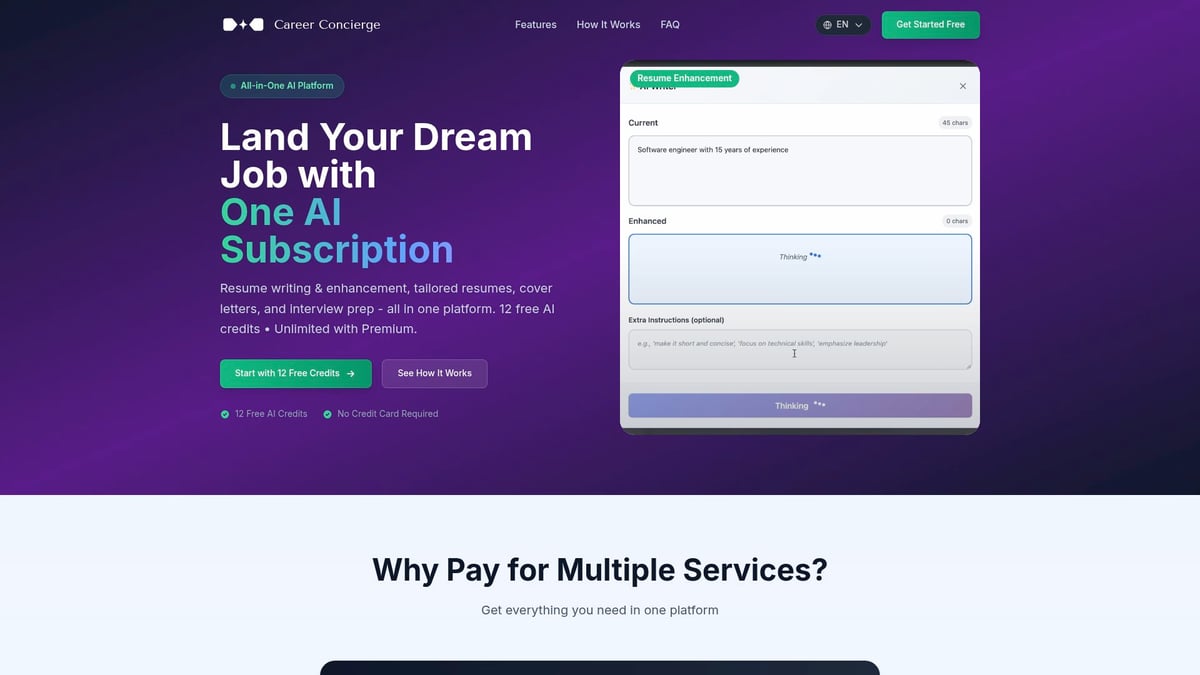
Features often include instant feedback, cover letter generation, and support for international job seekers. Users report higher interview rates and improved ATS pass rates, making these platforms invaluable for students, career changers, and global applicants striving for a standout interview and resume.
Mastering Interview Preparation for 2026
Preparing for interviews in 2026 is more complex than ever. With rapid changes in technology, employer expectations, and hiring practices, a strategic approach to interview and resume success is essential. Let us break down the critical steps to help you present your best self and stand out in a competitive market.

Researching the Company and Role
A strong interview and resume start with understanding your target company. Dig into the company mission, recent news, and leadership bios to gain valuable insights. Use LinkedIn to review employee profiles and spot common skills or backgrounds.
Explore the company website to learn about its products and culture. Review press releases and annual reports for current priorities. These details help you tailor your interview and resume, making your responses specific and relevant.
Analyzing the Job Description and Matching Your Skills
Every interview and resume must be tailored to the job description. Highlight where your skills align with the employer’s needs. Break down the posting, then map your experience to each requirement.
Prepare stories that showcase your strengths. The STAR method—Situation, Task, Action, Result—helps structure your answers. This approach ensures your interview and resume reflect real, measurable achievements that matter to hiring managers.
Practicing Common and Emerging Interview Questions
In 2026, traditional and new interview questions are both important. Practice responses to “Tell me about yourself” and “Why do you want to work here?” Expect behavioral and problem-solving scenarios as well.
For an extra edge, use online resources like Interview preparation strategies to access mock questions and feedback tools. Practicing these can greatly improve your interview and resume confidence and adaptability.
Preparing for Skills Assessments and AI Interviews
Many employers now use skills tests or AI-powered interviews as part of the selection process. Be ready for timed tasks, coding challenges, or AI video prompts. These require you to demonstrate both your technical and soft skills.
Practice with mock assessments or AI simulators to reduce surprises. This preparation ensures your interview and resume are aligned with modern screening methods and show your readiness for digital workflows.
Building Confidence and Reducing Interview Anxiety
Confidence is key for interview and resume success. Use mock interviews with friends or mentors to practice in a safe environment. Visualization techniques and positive self-talk help manage nerves.
Focus on sounding natural, not memorized. Remember, every interview and resume submission is a learning opportunity. Track your progress and refine your approach after each experience.
Assembling Your Interview Toolkit
An organized toolkit sets you apart in every interview and resume scenario. Bring multiple resume copies, a portfolio, references, and a notepad. For virtual settings, double-check your technology and have backups ready.
Dress appropriately for the company’s culture, whether remote or in-person. Attention to detail in your interview and resume presentation signals professionalism and readiness for 2026’s evolving workplace.
Virtual and Hybrid Interviews: Winning Strategies for 2026
Navigating a virtual or hybrid interview and resume process in 2026 requires more than just technical know-how. As employers continue to prioritize digital-first hiring, mastering your environment, technology, and communication skills is essential. Let’s explore the strategies that will help you excel in every stage of the interview and resume journey.

Setting Up Your Virtual Interview Space
Creating a professional virtual interview and resume impression starts with your environment. Find a quiet, comfortable space with minimal distractions. Position your camera at eye level to maintain natural eye contact. Good lighting, such as a window or a lamp behind your monitor, ensures you appear clearly on screen.
Choose a neutral background, avoiding clutter or personal items. Test your setup with a mock call to confirm everything looks polished. These small details help you appear organized and focused, setting the stage for a successful interview and resume presentation.
Mastering Technology and Troubleshooting
Technical proficiency is a must for interview and resume success in 2026. Familiarize yourself with platforms like Zoom, Teams, or Google Meet. Before your interview, check your internet connection, microphone, and camera quality.
Prepare a backup plan in case of disruptions. Keep a secondary device and a mobile hotspot nearby. Practice joining meetings and sharing your screen, so you feel confident during the actual interview and resume process. If issues arise, remain calm and communicate promptly with your interviewer.
Engaging and Building Rapport Remotely
Building rapport in a virtual setting is just as crucial as in person. Look directly at the camera to simulate eye contact, and use positive body language. Smile, nod, and use hand gestures when appropriate to convey enthusiasm and engagement during the interview and resume discussion.
Vary your vocal tone to maintain interest and show energy. Listen actively and respond thoughtfully to questions. These actions help bridge the digital gap and leave a memorable impression during your interview and resume experience.
Handling Common Virtual Interview Challenges
Even with preparation, challenges can arise during a virtual interview and resume session. You might face unexpected interruptions, audio lags, or time zone confusion. If a pet or family member enters the room, apologize briefly and return focus to the conversation.
For technical glitches, politely explain the issue and suggest reconnecting if needed. Keep calm and show adaptability, as employers value candidates who handle pressure with poise. Being proactive with solutions demonstrates problem-solving skills in both interview and resume scenarios.
Following Up After the Interview
After your virtual interview and resume submission, timely follow-up is key. Send a personalized thank-you email within 24 hours, referencing specific points discussed. This reinforces your interest and professionalism.
To further enhance your approach, consult comprehensive resources like the Job applying and resume guide for actionable steps on interview follow-up and resume improvements. Continuous learning and attention to detail will set you apart in the 2026 hiring landscape.
Navigating Interview Questions: What to Expect and How to Respond
Navigating the interview and resume process in 2026 means preparing for a new generation of interview questions. Employers are adjusting their expectations in response to a fast-changing labor market, as highlighted in the 2026 U.S. labor market outlook. You will encounter a mix of traditional and modern questions designed to reveal your adaptability, problem-solving skills, and alignment with company values.
Frequently Asked Interview Questions in 2026
Expect interviewers to begin with “Tell me about yourself,” which is your chance to link your career story to the role. Questions like “Why do you want to work here?” allow you to express your motivation and research. Employers will probe strengths and weaknesses, seeking self-awareness, and pose behavioral questions such as “Can you give me an example of a time you led a team under pressure?”
To stand out in the interview and resume process, be ready to discuss both technical and soft skills. Practice concise, relevant answers that highlight your impact and growth.
Crafting Effective Answers with the STAR Method
The STAR method (Situation, Task, Action, Result) remains a powerful framework for structuring interview responses. When asked about a challenging project, describe the context, your responsibilities, the steps you took, and the positive outcome. For example, turn a classroom project into a story about teamwork and leadership.
Using STAR helps you stay focused and clear, both key in the interview and resume journey. Prepare a few stories that cover a range of competencies, such as problem-solving, adaptability, and initiative.
Questions to Ask Your Interviewer
Interviewers expect thoughtful questions from candidates. Prepare inquiries about company culture, growth opportunities, and work-life balance. For example:
- “How do you measure success in this role?”
- “Are hybrid options available?”
- “What professional development opportunities exist?”
Asking insightful questions demonstrates genuine interest and helps you evaluate if the role fits your goals. This approach also strengthens your interview and resume narrative by showing you are proactive and engaged.
Handling Tricky or Unexpected Questions
Occasionally, you may face difficult or unexpected questions, such as gaps in employment or career changes. Take a moment to pause, clarify if needed, and respond honestly. Acknowledge challenges, but focus on what you learned or how you adapted.
Handling these moments with composure reinforces your credibility throughout the interview and resume process. Remember, thoughtful responses are valued more than quick, unprepared answers.
Action Steps for Securing Your Dream Job in 2026
Navigating the competitive landscape of 2026 demands more than luck. A strategic interview and resume plan, clear goals, and adaptability are essential for standing out. As global unemployment rates are forecasted to remain near historic lows, according to Global unemployment trends 2025-2026, job seekers face both opportunity and fierce competition.
Creating a Personalized Job Search Plan
Start by outlining your career objectives and target industries. Define a timeline for your search, breaking down each week into manageable goals such as applications, networking, and skill development. Use a spreadsheet or job search platform to track positions, deadlines, and responses. This structured approach ensures your interview and resume efforts are consistent and measurable, helping you prioritize high-impact activities while adapting to industry shifts.
Leveraging Networking and LinkedIn
Building strong professional connections remains a critical part of your interview and resume strategy. Optimize your LinkedIn profile with relevant skills, accomplishments, and a professional photo. Actively engage with industry groups, alumni networks, and thought leaders. Schedule informational interviews to gain insights and uncover hidden opportunities. Personalized outreach messages can lead to valuable referrals and mentorship, expanding your access to unadvertised roles.
Using AI and Automation to Streamline Your Search
Modern job seekers can harness AI-driven platforms to automate repetitive tasks and improve efficiency. Set up job alerts based on your preferences, and use AI tools to tailor your interview and resume materials for each application. For example, the Top-rated free resume builder offers templates and instant feedback to help you align your resume with employer expectations. Automation enables you to focus on higher-level strategies such as targeted networking and interview preparation.
Preparing for Multiple Interview Rounds
Expect employers in 2026 to use multi-stage assessments, including technical, panel, and culture-fit interviews. Prepare by researching each stage and anticipating the skills or qualities being evaluated. Practice your responses using the STAR method, and assemble a digital portfolio if relevant. Tailor your interview and resume to highlight competencies valued at each stage, ensuring you present a cohesive and compelling narrative every time you engage with a new interviewer.
Staying Resilient and Adapting to Feedback
Resilience is key in a market where rejections are common. Treat each application and interview as a learning opportunity. When possible, request feedback from recruiters or peers, and use it to adjust your interview and resume approach. Celebrate small wins, such as securing an informational interview or passing an initial screening. Tracking progress helps you stay motivated and reveals patterns that can inform your future strategy.
Continuing Professional Development
Commit to ongoing learning to maintain a competitive edge in 2026. Enroll in online courses, pursue certifications, and attend industry webinars to expand your knowledge base. Highlight these experiences on your interview and resume materials, signaling to employers your dedication to growth. Staying current with emerging trends and technologies not only boosts your confidence but also enhances your value proposition as a candidate.
Balancing Persistence with Self-Care
A successful job search requires sustained effort, but burnout can undermine your performance. Schedule regular breaks, set boundaries on application time, and prioritize activities that support your mental and physical well-being. Celebrate progress, however small, and seek support from friends or mentors when needed. Maintaining this balance ensures you remain focused, energized, and ready to seize new opportunities as they arise.
As you navigate the evolving job market and prepare to put your best foot forward in both your resume and interviews, having the right tools can make all the difference. With CareerConcierge.io, you gain access to AI-powered resume optimization, tailored templates, and comprehensive interview prep—all designed to help you stand out in a competitive landscape. Whether you are updating your resume for ATS systems or practicing for virtual interviews, you do not have to do it alone. Take the next step toward your career goals and Start for free.