Job Interview Resume Guide: Your Step-by-Step Success Blueprint 2025
Master your job interview resume with this 2025 step by step guide Learn proven strategies to craft ATS optimized resumes that secure more interviews and offers
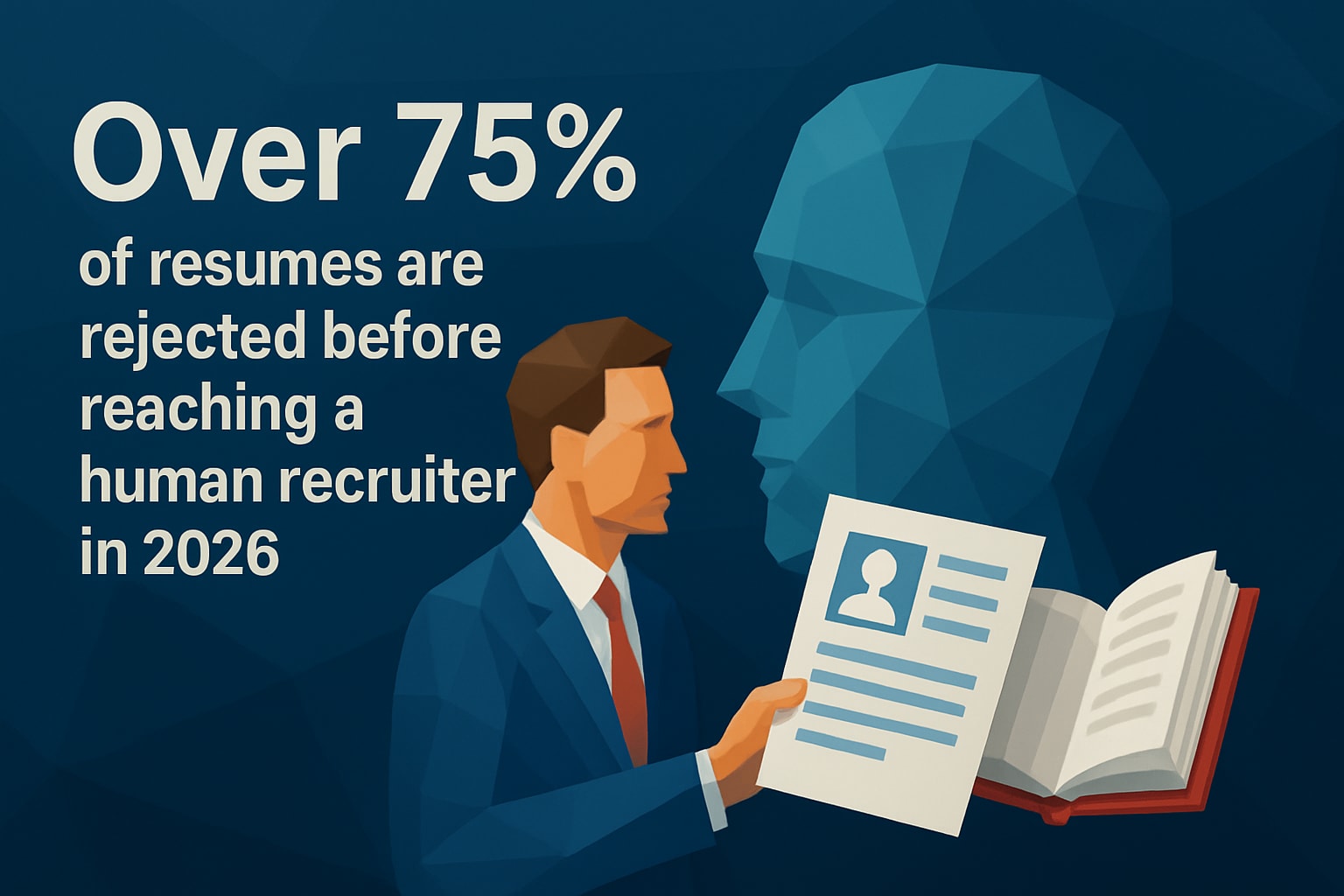
Did you know that over 75% of resumes are rejected before reaching a human recruiter in 2026? As hiring technology advances, the way employers evaluate candidates is rapidly changing. A job interview resume must be more strategic and current than ever to stand out.
This guide delivers a clear, actionable blueprint to help you craft a job interview resume that shines in 2026’s competitive market. You will learn how to prepare, build, tailor, and optimize your resume, then align it perfectly with interview success.
Each section is designed to help you secure more interviews and offers.
Step 1: Preparing for Resume Success in 2026
The foundation of a standout job interview resume in 2026 starts with preparation. Before you even begin writing, understanding new hiring realities and organizing your approach is crucial. Let us break down the essential steps for effective resume groundwork.
Understanding the 2026 Job Market
The job market in 2026 is shaped by rapid technological change and evolving work models. AI and automation now drive much of the hiring process, with 98 percent of Fortune 500 companies using Applicant Tracking Systems (ATS). In fact, the global ATS market is projected to reach 4.88 billion dollars by 2030, reflecting its growing importance in recruitment. Applicant Tracking System Market Growth
Remote and hybrid work have become the norm, which means your job interview resume must highlight adaptability and digital skills. Employers seek candidates who demonstrate both technical expertise and the ability to thrive in flexible environments.
Researching the Role and Industry
A successful job interview resume begins with targeted research. Start by analyzing job descriptions carefully to identify the most relevant keywords and skills. Tools like LinkedIn and Glassdoor can help you benchmark your qualifications against top industry standards.
Look for patterns in required skills, certifications, or experience. Match your strengths directly to these requirements to ensure you present yourself as the ideal candidate for your chosen field.
Gathering Your Core Information
Before drafting your job interview resume, gather all essential information. This includes:
- Educational background and certifications
- Complete work history with dates and roles
- Key achievements and quantifiable results
- Technical and soft skills
Organize this data in a master document or spreadsheet. Accurate and complete records make it easier to tailor your resume and prevent errors down the line.
Setting Your Resume Goals
Define what success looks like for your job interview resume. Are you aiming for an entry-level role, a mid-career promotion, or an executive position? Your goals will shape your content and focus.
For career changers, highlight transferable skills and relevant achievements from past roles. If you are advancing within your industry, emphasize leadership, innovation, and measurable impacts. Clear goals ensure your resume aligns with your aspirations.
Common Pitfalls to Avoid in Early Prep
Preparation mistakes can derail your job interview resume before it even reaches recruiters. Common pitfalls include:
- Using outdated or incorrect information
- Writing generic summaries that lack focus
- Missing critical keywords from the job description
Data shows that 60 percent of resumes contain errors or outdated content. To avoid these issues, double-check your information, customize each section, and review for accuracy. Taking these steps now will save you time and boost your chances of landing interviews.
Step 2: Building a Modern Resume Foundation
A strong job interview resume in 2026 starts with a carefully constructed foundation. As recruiters and AI systems become more sophisticated, your resume must be both visually clean and strategically structured. Let us break down each essential building block for creating a job interview resume that gets noticed in today's market.
Choosing the Right Resume Format
Selecting the best format for your job interview resume is a critical first step. In 2026, candidates can choose among chronological, functional, or hybrid resumes, each with unique benefits. Chronological formats highlight steady career growth and are ideal for traditional industries. Functional resumes focus on skills, making them suitable for career changers. However, hybrid resumes combine both, providing a balanced view of skills and experience.
A recent study found that hybrid resumes increased interview rates by 22% in 2026. Not sure which format fits your background? Consult the Top-Rated Free Resume Builder Guide for expert insights and template recommendations tailored to every career stage.
| Format | Best For | Main Strength |
|---|---|---|
| Chronological | Stable career paths | Shows progression |
| Functional | Career changers | Emphasizes skills |
| Hybrid | Most applicants | Balanced, flexible |
Structuring Your Resume for Clarity
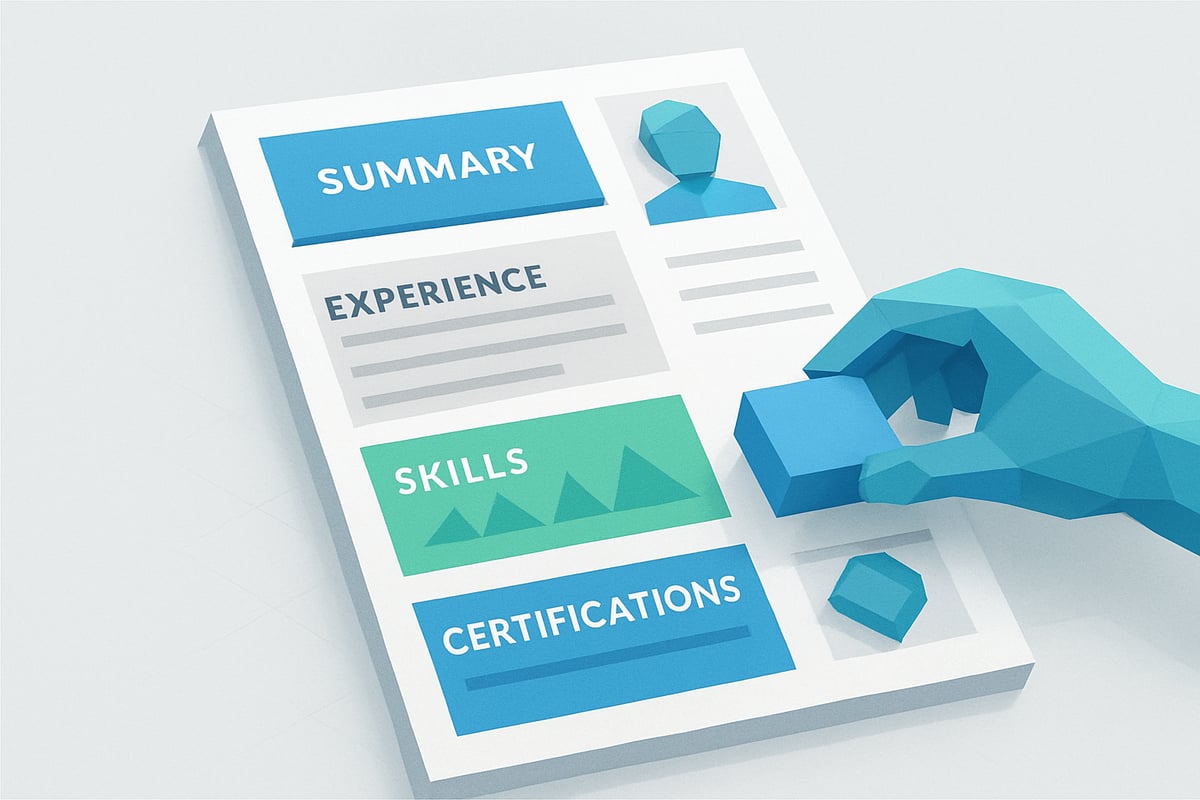
A job interview resume must be easy to scan. Recruiters, and especially ATS systems, prefer resumes with clear sections and logical flow. Essential sections include:
- Contact information
- Professional summary
- Experience
- Skills
- Education
Use a clean, ATS-friendly layout. Avoid crowded designs, excessive graphics, or fancy fonts. In 2026, a clutter-free resume is proven to outperform visually complex layouts, ensuring your achievements are the focus.
Crafting a Powerful Professional Summary
Your professional summary is the elevator pitch of your job interview resume. Keep it to three or four lines, focusing on results, not just duties. Quantifiable achievements and relevant keywords help you stand out.
Before:
Experienced marketing professional seeking new opportunities.
After:
Data-driven marketing strategist with 7 years of experience, increased lead generation by 40% using digital campaigns, and proficient in AI analytics tools.
Craft your summary so it quickly answers why you are the right fit for the role.
Highlighting Experience and Achievements
To make your job interview resume impactful, use action verbs and metrics when describing your experience. Recruiters respond to evidence of results. In fact, resumes with quantifiable results receive 40% more callbacks.
Apply the STAR method for bullet points:
Situation: Led a cross-functional team during a product launch.
Task: Improve time-to-market.
Action: Streamlined workflow and automated reporting.
Result: Reduced launch time by 30%.
This method transforms basic tasks into compelling stories.
Integrating Essential Skills and Certifications
Showcase both hard and soft skills relevant to your target role in your job interview resume. For 2026, digital literacy, adaptability, and collaboration are in high demand. Include certifications and digital badges, especially for tech or regulated industries.
Example Skills Section:
- Data Analysis (Tableau, Excel)
- Project Management (PMP certified)
- Communication and Team Leadership
A targeted skills section ensures your resume is aligned with the expectations of modern recruiters.
Step 3: Tailoring Your Resume for Each Job Application
A job interview resume in 2026 must be uniquely crafted for each opportunity. Tailoring is not optional. Data shows tailored resumes are three times more likely to pass ATS filters than generic ones. This means you cannot afford to submit a one size fits all document. For more expert tips, you can explore Job Applying Resume Strategies to see how customization boosts results.
The Power of Customization
Every job interview resume should reflect the specific requirements of the job posting. Recruiters and ATS systems prioritize candidates who align closely with outlined skills and experiences. If your resume looks generic, it will likely be overlooked. Use the job title, required skills, and company values as a blueprint. Remember, a customized approach shows commitment and attention to detail, which sets you apart in a crowded applicant pool.
Analyzing Job Descriptions for Keywords
Start by carefully reading the job description. Highlight keywords related to skills, technologies, and qualifications. Use keyword tools or manually make a list of phrases that appear often. Incorporate these keywords naturally throughout your job interview resume. Recruiters use these terms to filter candidates, so matching them increases your chances of being shortlisted. This step is essential for higher visibility in ATS.
Aligning Your Experience with Employer Needs
Review your professional achievements and responsibilities. Match them directly to what the employer seeks. For example, if the job interview resume requires project management skills, highlight relevant projects and results. Even volunteer work or side projects can be reframed to fit the role. It is about translating your background into the language and needs of the target position.
Adapting Language and Tone
Customize your job interview resume language to fit the company culture and industry. A tech startup may favor a conversational style, while a law firm expects formality. Adjust your tone without losing professionalism. Use sector-specific terminology but avoid jargon that may confuse non-technical readers. The right tone helps you connect with both ATS and human reviewers.
Avoiding Over-Customization Pitfalls
While tailoring is critical, overdoing it can hurt your job interview resume. Avoid keyword stuffing, which can make your document sound unnatural and be flagged by ATS. Maintain your authentic voice and ensure your resume remains truthful. Common mistakes include losing focus on achievements or making every section sound the same. Balance is key for both ATS and recruiters.
How AI Tools Like CareerConcierge.io Enhance Resume Tailoring
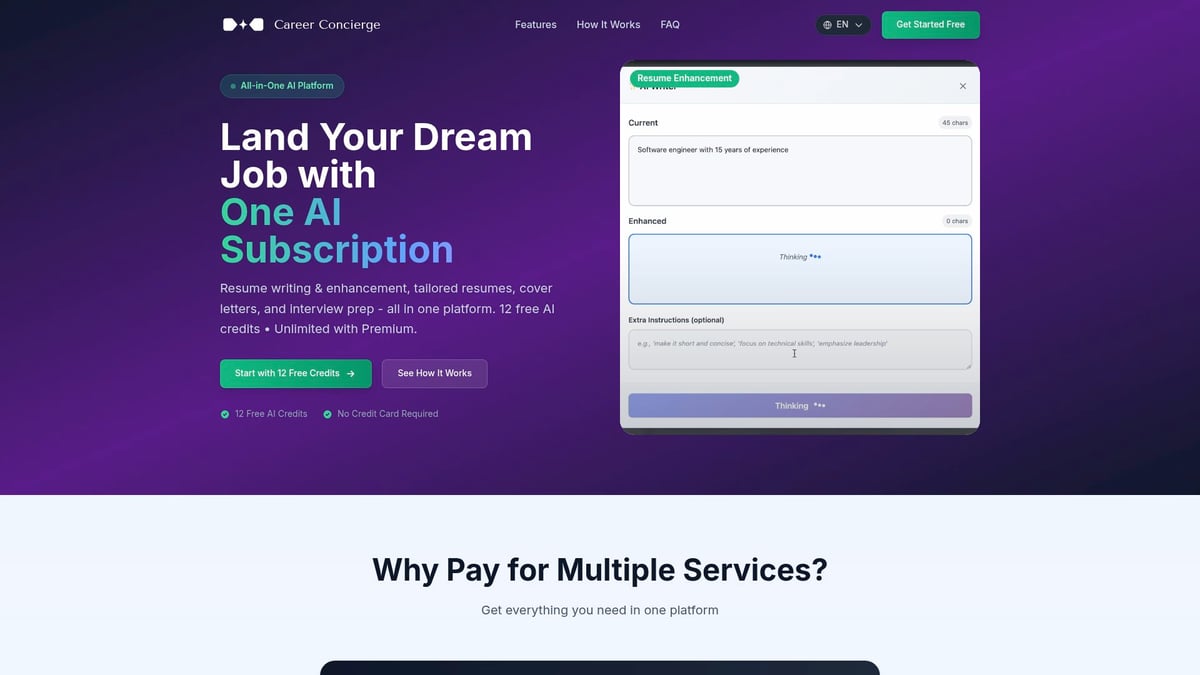
AI-powered platforms like CareerConcierge.io streamline the resume customization process. They offer ATS optimization, keyword matching, and tailored templates. These tools analyze job descriptions and suggest improvements, saving valuable time. Using CareerConcierge.io’s free ATS resume checker and AI resume enhancer, you can quickly refine your job interview resume and improve your chances of getting noticed by employers.
Step 4: Optimizing Your Resume for ATS and Recruiters
Securing interviews in 2026 means your job interview resume must impress both algorithms and human recruiters. With up to 88% of resumes filtered out due to formatting or keyword errors, optimizing for Applicant Tracking Systems (ATS) is essential. Let’s explore the strategies to ensure your resume stands out and lands in the right hands.
Understanding ATS Algorithms in 2026
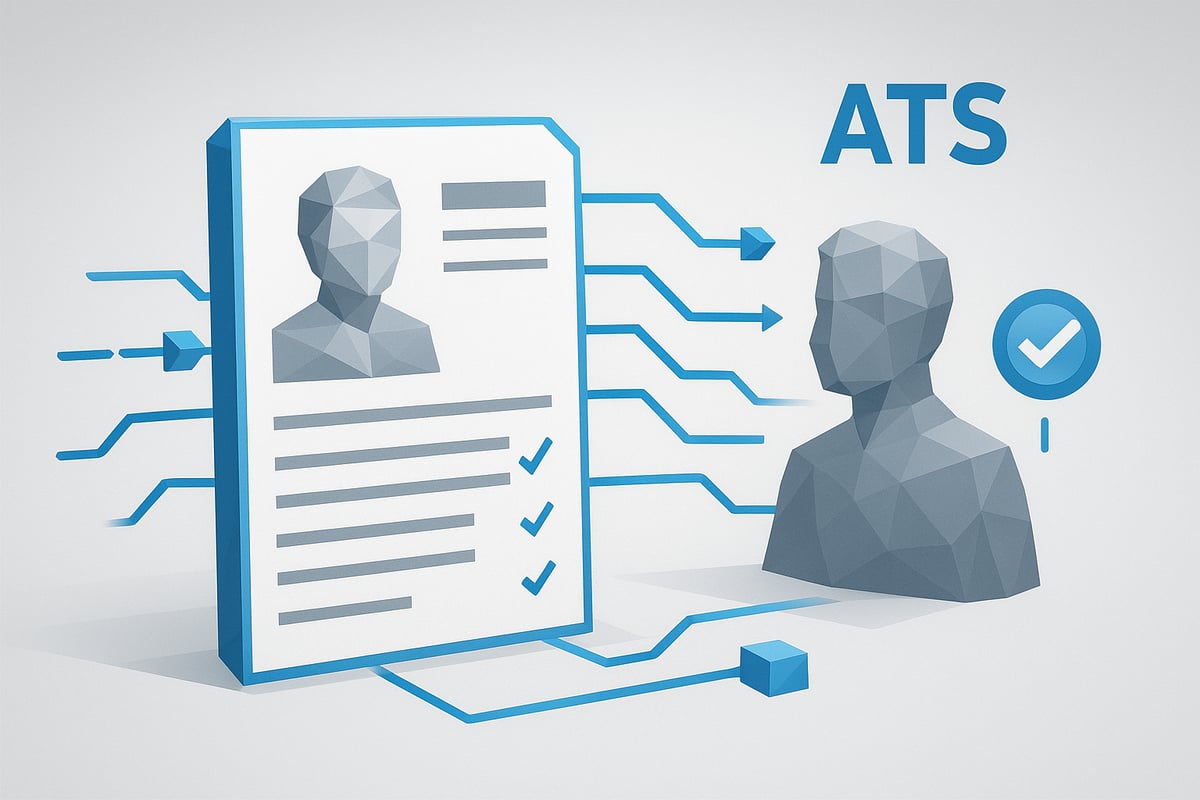
Applicant Tracking Systems have become the first gatekeepers for job interview resume submissions. These systems parse, categorize, and rank resumes based on relevance, format, and keyword matches. In 2026, ATS algorithms use advanced natural language processing to detect skills, experience, and context, not just exact phrases.
Most ATS platforms filter out resumes that do not align with job requirements or contain formatting issues. To succeed, your job interview resume must be clear, structured, and tailored for both machines and humans.
Formatting for Maximum Compatibility
Formatting is critical for ATS readability. Use standard fonts like Arial or Calibri, clear section headings, and consistent spacing. Save your job interview resume as a DOCX or PDF, but always check the employer’s preference.
Here is a quick guide for ATS-friendly formatting:
| Do | Don’t |
|---|---|
| Simple fonts | Unusual styles/scripts |
| Standard headings | Text boxes/headers |
| Bullet points | Graphics/tables |
| Consistent layout | Columns |
For detailed formatting advice, check out How to Write ATS-Friendly Resume, which offers step-by-step guidance for 2026 applications.
Strategic Keyword Placement
Keyword optimization remains a cornerstone of job interview resume success. ATS algorithms search for keywords that match job descriptions, but context matters. Place relevant keywords naturally in your summary, experience, and skills sections.
Avoid keyword stuffing, which can make your resume sound artificial. Instead, mirror the language from the job posting and use both short and long-tail phrases. Consistent keyword integration improves your ranking without sacrificing readability.
Visual Elements: What Works and What Doesn’t
While visual flair can help a resume stand out to humans, excessive graphics, tables, or columns often confuse ATS software. Resumes with minimal visuals are 30% more likely to pass ATS filters.
Stick to basic bullet points and avoid embedding images or charts. If you want to add a touch of design, use subtle lines or spacing, but never at the expense of ATS compatibility. Simplicity is your strongest asset in 2026.
Testing and Improving Your Resume
Before submitting your job interview resume, use free ATS resume checkers and feedback tools to identify issues. Upload your document, review the parsing results, and make necessary changes. Iterative improvements based on ATS feedback can significantly increase your interview chances.
Treat feedback as a continuous improvement loop. Each adjustment brings your resume closer to perfection, ensuring you meet both technical and human expectations.
Staying Updated with ATS Trends
ATS technology evolves rapidly. In 2026, AI-driven systems analyze not just words, but also meaning and context. Stay informed about new ATS capabilities by following industry reports and recruiter updates.
Regularly updating your job interview resume to meet the latest ATS standards keeps you ahead of the competition. Embrace change, refine your approach, and you will maximize your chances in the modern hiring landscape.
Step 5: Aligning Your Resume with Interview Success
A job interview resume is more than just a document, it is the foundation for your interview narrative. In 2026, ensuring your resume aligns with your interview strategy is essential for standing out. This step focuses on bridging the gap between your written achievements and your spoken responses, giving you a competitive advantage.
Connecting Resume Content to Interview Talking Points
Your job interview resume should serve as a roadmap for your interview. Each bullet point needs to translate into a story you can confidently discuss. Review your achievements and ensure you can expand on every claim. Practice framing your experiences as concise narratives, connecting your resume highlights to the core requirements of the role.
Use your resume as a guide to anticipate which accomplishments will likely become interview talking points. This preparation helps you answer questions with clarity and relevance.
Preparing for Common Interview Questions
Recruiters increasingly base interview questions on your job interview resume. In fact, 62 percent of hiring professionals use resume content as their main source for interview prompts. Review your resume for potential questions about gaps, transitions, or specific metrics.
Develop clear responses for your most impactful achievements. Prepare explanations for any career changes or periods of unemployment. This readiness ensures you approach every question with confidence and consistency.
Building STAR Stories from Resume Bullets
Transforming resume bullet points into STAR (Situation, Task, Action, Result) stories is a powerful strategy. For each key point on your job interview resume, outline the situation, your specific task, the action you took, and the measurable result.
For example, instead of simply listing "Increased sales by 30 percent," describe the context, your role, and the outcome. AI advancements, such as those detailed in Resume Classification with Large Language Models, show that structured, story-driven resumes are easier for both systems and recruiters to assess.
Addressing Gaps and Red Flags
Every job interview resume may contain areas that prompt follow-up questions, such as employment gaps or unconventional career paths. Prepare honest and positive explanations for these areas. Focus on skills gained or experiences that contributed to your professional growth.
Use evidence from freelance work, volunteering, or upskilling to demonstrate your commitment and adaptability. This approach can turn perceived weaknesses into strengths during the interview.
Using Your Resume as an Interview Cheat Sheet
Bring a copy of your job interview resume to the interview, using it as a reference for your talking points. Highlight key achievements or skills you want to emphasize. Create a "cheat sheet" version, listing your top successes and the stories behind them.
This strategy keeps your responses organized and ensures you address the most relevant experiences. Referencing your resume subtly during the conversation signals preparation and professionalism.
Post-Interview Resume Adjustments
After each interview, reflect on the questions asked and feedback received. Update your job interview resume to clarify points that caused confusion or to highlight experiences that resonated with employers.
Continuous improvement ensures your resume remains relevant and effective for future applications. Incorporating new insights from interviews helps you refine both your document and your interview technique.
Step 6: Finalizing and Polishing Your Resume for 2026 Applications
Securing interview opportunities in 2026 requires a meticulous approach to your job interview resume. The finalization stage is where attention to detail can truly set you apart. Let us walk through the essential steps to ensure your document is error free, optimized, and ready for every application scenario.
Proofreading and Error Checking
Even the most impressive job interview resume can be rejected due to minor mistakes. Proofread every section for typos, formatting inconsistencies, and incorrect dates. According to recent data, 59% of hiring managers discard resumes with spelling errors.
Use this checklist:
- Scan for grammar issues and missing details
- Verify that all dates and job titles are correct
- Ensure bullet points start with strong action verbs
A second set of eyes or a brief pause before the final review can help you catch hidden errors.
Getting Feedback from Trusted Sources
Before submitting your job interview resume, gather feedback from peers, mentors, or professional reviewers. Trusted colleagues can spot unclear language or missed achievements.
Who should you ask?
- Industry peers familiar with your field
- Mentors or former supervisors
- Certified resume writers
Peer review not only improves clarity but also boosts your confidence in the final product. Honest critique leads to a stronger, more competitive resume.
Leveraging Technology for the Final Check
Modern technology can elevate your job interview resume to new standards. Utilize AI-powered tools for grammar, clarity, and ATS compatibility. Platforms like AI Tools for Letter Writing offer advanced proofreading, keyword analysis, and formatting suggestions.
Top tools include:
- AI-driven grammar and style checkers
- Free ATS resume analyzers
- Cloud-based editing platforms
These solutions provide instant feedback, helping you optimize your resume for both digital systems and human readers.
Customizing for Different Submission Channels
Your job interview resume should be tailored for each submission method. Online portals, direct emails, and recruiter platforms may require different formats or file types.
Consider these channel-specific tips:
- Use PDF for direct emails to preserve formatting
- Follow portal instructions for file type and size
- Adjust content for applicant tracking systems
A generic approach will not work in 2026. Customization ensures your resume performs well across all platforms.
Saving and Organizing Multiple Versions
Efficient organization is crucial as you adapt your job interview resume for multiple roles. Save each version with a clear file name and date. Use cloud storage for easy access and backup.
Tips for version control:
- Create a “master resume” with all experience
- Save tailored copies for specific jobs
- Archive older versions for reference
A structured system prevents confusion and saves time during future updates.
Preparing for Continuous Updates
The job market in 2026 is dynamic, so your job interview resume should evolve with your career. Update it after every major achievement or new role. On average, professionals revise their resumes 2.5 times per year.
Stay proactive:
- Set reminders for regular updates
- Track new skills and certifications
- Reflect on feedback from recent interviews
Continuous improvement keeps your resume ready for new opportunities and changing industry needs.
Frequently Asked Questions: Job Interview Resume Guide 2026
Navigating the 2026 job market requires a strategic approach to your job interview resume. Below, we answer the most common questions to help you create an impactful, future-proof resume.
What is the most important section of a 2026 resume?
The most important section of a job interview resume in 2026 is the professional summary. This 3-4 line introduction highlights your top achievements, skills, and unique value. It sets the tone for recruiters and is crucial for passing both human and automated screening. Focus on quantifiable results and keywords relevant to your target role.
How do I make my resume stand out to both ATS and recruiters?
To make your job interview resume stand out, use a clean, ATS-friendly format and integrate keywords from the job description. According to the HR Tech Trends and Market Analysis, the majority of companies use Applicant Tracking Systems, so formatting and keyword alignment are vital. Highlight measurable achievements and keep the layout simple for human readability.
How often should I update my resume?
Experts recommend updating your job interview resume at least twice a year or whenever you gain a new skill, certification, or achievement. This keeps your information current and ensures you are ready for new opportunities. Adopting a regular update schedule also prevents errors and outdated content from slipping through.
What are the top mistakes to avoid in 2026 resumes?
Common mistakes in a job interview resume include:
- Typos and inconsistent formatting
- Missing or irrelevant keywords
- Generic summaries
- Outdated information
- Overuse of graphics or tables
Review your resume using feedback tools or peer reviews to catch these errors before submitting.
Should I include a photo or graphics on my resume?
In 2026, it is best to avoid photos and excessive graphics in your job interview resume. Many Applicant Tracking Systems cannot process images, which can lead to rejection. According to the Global Candidate Experience Benchmark Report, candidates with simple, text-based resumes have higher success rates in automated screenings.
How can I tailor my resume quickly for multiple jobs?
To efficiently tailor your job interview resume, maintain a master resume with all your experience and achievements. For each application, adjust the summary, skills, and keywords to match the job description. Use resume optimization tools to speed up this process and ensure alignment with employer expectations.
Is it worth using AI tools for resume building and optimization?
Yes, AI tools can significantly enhance your job interview resume. They help with keyword optimization, formatting, and even suggest improvements based on job requirements. Leveraging AI-driven platforms saves time and increases your chances of passing ATS filters and impressing recruiters.
Now that you’ve learned how to prepare, build, tailor, and optimize a standout resume for 2026, you’re closer than ever to landing your ideal job. Imagine having AI-powered tools at your fingertips to make every application easier and more effective—from ATS-friendly templates to smart keyword suggestions and interview prep resources. If you want to put these strategies into action and maximize your chances of success, you don’t have to do it alone. You can Start for free and let CareerConcierge io guide you through every step toward your next big career move.