The Essential Guide to Letter Writer AI in 2025
Discover how letter writer ai transforms communication in 2026 with advanced features, expert tips, and secure best practices for efficient professional results.
Artificial intelligence has transformed how we write, making letter creation faster, smarter, and more personal in 2026. With letter writer ai, individuals and organizations now craft impactful messages that save time and raise communication quality.
This essential guide unpacks everything about letter writer ai: its evolution, standout features, and leading use cases. You will discover step-by-step instructions, privacy tips, and expert strategies to maximize results.
Explore how AI-driven letter writing boosts personalization and efficiency, and learn how to leverage these tools for success in both personal and professional communication.
The Evolution of Letter Writer AI: From 2024 to 2026
As we approach 2026, the landscape of letter writer ai has transformed dramatically. Advancements in natural language processing and machine learning have pushed boundaries, making AI-generated letters more authentic and effective than ever before.

The period from 2024 to 2026 saw rapid progress in AI model architecture. Early letter writer ai tools relied on basic templates and rigid rules. By mid-2025, platforms adopted models such as GPT-4o, Gemini-2.5, and Claude-Sonnet-4, which offered deeper contextual awareness and refined language generation.
A comparison of leading models:
| Model | Release Year | Key Strength | Integration Level |
|---|---|---|---|
| GPT-4o | 2024 | Versatile language skills | High |
| Gemini-2.5 | 2025 | Speed, prompt adaptation | Medium |
| Claude-Sonnet-4 | 2026 | Emotional nuance, context | High |
This evolution allowed letter writer ai to move beyond generic outputs. AI now crafts letters with nuance, adapting to the sender's tone, the recipient's preferences, and the context of each message. Emotional intelligence is woven into every draft, ensuring communications feel genuine and personal.
Integration with everyday productivity tools became a hallmark of modern letter writer ai. By 2026, users could generate letters directly within email clients, CRM systems, or HR platforms, streamlining workflows and reducing manual effort. This shift contributed to a significant rise in adoption rates among professionals and students alike.
Recent data highlights this surge in usage. According to AI writing tools adoption statistics 2025, over 70 percent of enterprises and 40 percent of students now leverage AI-powered writing solutions for routine correspondence. Free and premium models cater to a diverse user base, with cross-device compatibility ensuring accessibility on desktops, browsers, and mobile devices.
The rise of letter writer ai also brought increased focus on regulation and ethical standards. Regions such as California implemented transparency requirements for AI-generated content, while countries like Spain introduced fines for unlabeled AI letters. These policy shifts prompted platforms to add labeling, audit trails, and compliance features.
Platforms like Grammarly evolved from simple grammar checkers to comprehensive letter writer ai solutions. ToolBaz, for instance, now enables users to select between Gemini-2.5-Pro and GPT-5 for different writing needs. These changes have made AI-generated letters more reliable, contextual, and widely trusted.
The journey from 2024 to 2026 has redefined how we write and share messages. Letter writer ai stands at the center of this revolution, blending advanced technology, personalization, and regulatory compliance for a new era of communication.
Core Features and Capabilities of Letter Writer AI in 2026
The rapid evolution of letter writer ai has transformed how individuals and organizations approach written communication in 2026. Today’s solutions deliver not only speed and efficiency but also a remarkable depth of personalization and contextual awareness.
Below, we break down the core features that define letter writer ai, exploring how these systems personalize messages, integrate across platforms, and maintain high standards of quality and authenticity.
Advanced Personalization and Contextual Understanding
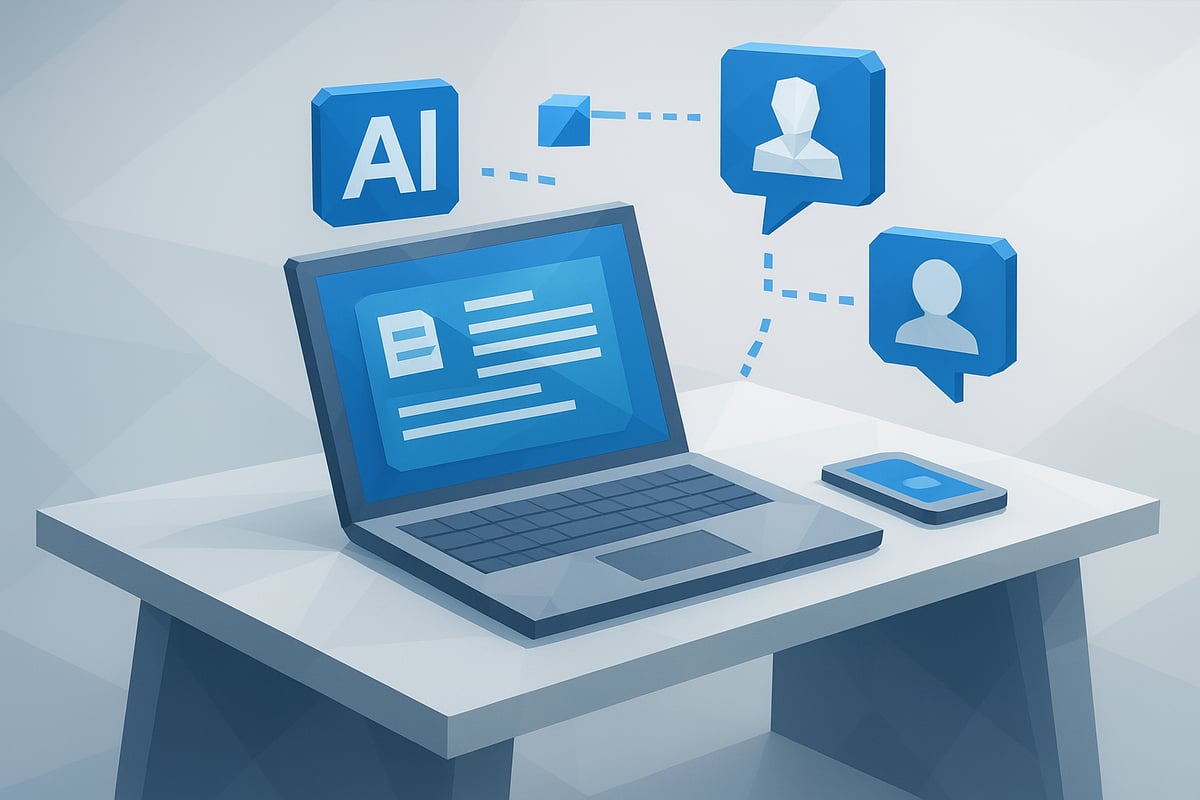
Modern letter writer ai platforms in 2026 excel at tailoring every letter to fit the sender’s and recipient’s unique context. By parsing user input, these tools adjust tone, style, and message intent to match both branding and the recipient’s expectations.
Customization options are extensive. Users can specify sender and recipient information, desired tone (formal, friendly, persuasive), urgency, and the type of letter needed. Real-time feedback loops allow the ai to adapt instantly, refining its output based on user edits or suggestions.
Consider a business scenario: A company needs to send a partnership proposal to another organization with a distinct corporate culture. The letter writer ai analyzes both companies’ communication styles, ensuring the letter aligns with the recipient’s values and expectations.
The impact is measurable. Studies show a 25% increase in user satisfaction due to enhanced personalization features, with platforms like AI-powered cover letter generator leading the way for job seekers and professionals. This level of detail means that the letter writer ai not only saves time but also delivers messages that resonate on a personal level.
Multi-Model and Cross-Platform Integration
Another defining feature of letter writer ai in 2026 is its multi-model support. Users can choose between leading ai models such as Gemini, GPT-5, Claude, or Llama-4, each offering distinct strengths for specific letter types or creative needs.
Switching between models is seamless. For example, a user crafting a technical inquiry may select Gemini-2.5-Pro for accuracy, while another writing an empathetic customer response opts for Claude-Sonnet-4. This flexibility helps users achieve optimal results for any communication challenge.
Integration across devices is also key. Letter writer ai tools are accessible on desktop, browser, and mobile platforms, enabling users to draft, edit, and send letters from anywhere. Export options are comprehensive, covering TXT, DOC, HTML, and PDF formats for maximum compatibility.
Let’s compare features in a quick table:
| Platform | Model Options | Export Formats | Device Support |
|---|---|---|---|
| ToolBaz | Gemini, GPT-5 | DOC, PDF, HTML | Desktop, Mobile, Web |
| Grammarly | GPT-4o, Claude | DOC, TXT, PDF | Desktop, Web |
This cross-platform reach ensures letter writer ai fits into any productivity workflow, making it indispensable for modern communication.
Quality Control, Error Reduction, and Humanization
Quality control is at the heart of letter writer ai. Built-in grammar, spelling, and style checkers catch common errors, while advanced plagiarism and ai detection tools guarantee originality for every letter generated.
Humanization tools set 2026’s ai solutions apart. Instead of sounding robotic, letters benefit from algorithms that introduce natural phrasing, varied sentence structure, and genuine emotional nuance. This is vital for sensitive correspondence, such as condolences or personal invitations.
Users benefit from editable drafts and iterative improvement flows. After generating an initial draft, the letter writer ai provides suggestions, highlights issues, and allows for real-time editing. For example, Grammarly’s ai humanizer not only corrects grammar but also adjusts tone to ensure authenticity.
These features collectively build trust, reduce manual editing time, and help users deliver polished, professional, and meaningful messages every time they use letter writer ai.
Who Uses Letter Writer AI? Key Audiences and Use Cases in 2026
Artificial intelligence has rapidly expanded its role in communication, making letter writer ai an essential tool across industries and personal contexts in 2026. As adoption has surged, the technology now serves a diverse range of users, each leveraging its capabilities for efficiency, personalization, and improved outcomes.
Professionals and Business Owners
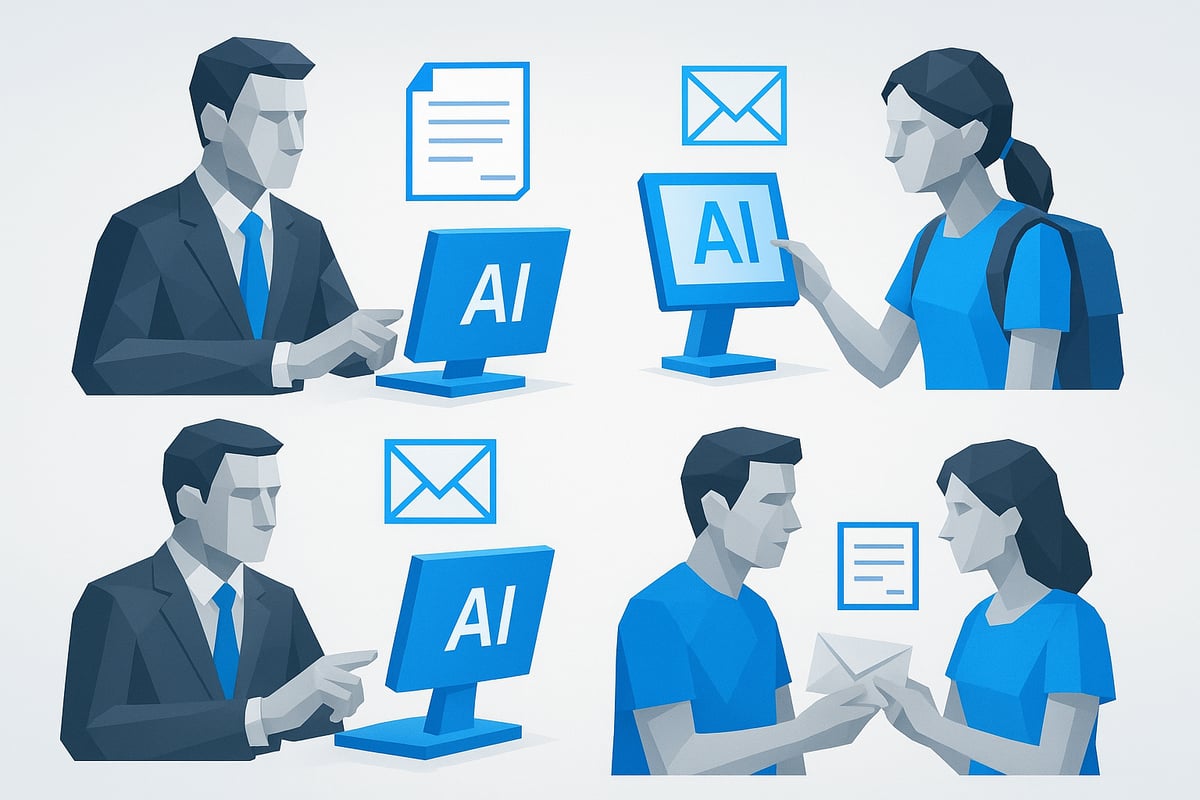
In 2026, letter writer ai has become a mainstay for professionals and business owners aiming to streamline communication. Sales teams use the technology to generate personalized outreach and follow-up letters, ensuring messages are tailored to each client’s profile. HR departments rely on it for creating job offer letters, onboarding materials, and performance feedback, reducing manual effort and boosting consistency.
Executives and managers leverage letter writer ai for branding proposals, partnership invitations, and strategic updates. Integration with CRM and productivity tools allows for automated logging and tracking, saving valuable time. Recent studies indicate that over 68 percent of enterprises have incorporated letter writer ai into their outbound communication workflows, citing increased accuracy and faster turnaround as key benefits.
Job Seekers and Students
For job seekers and students, letter writer ai has transformed the process of crafting application, networking, and recommendation letters. The technology enables users to generate tailored cover letters, internship requests, and thank you notes that stand out in competitive environments. By analyzing job descriptions and academic requirements, ai suggests optimal phrasing and relevant achievements to highlight.
Students also use letter writer ai for scholarship applications and academic correspondence, ensuring professionalism and clarity. According to recent surveys, candidates utilizing ai in their application materials report higher interview rates and improved confidence in their submissions. For those focused on making their documents stand out to automated systems, resources like Writing ATS-friendly resumes with AI provide complementary guidance on optimizing content for applicant tracking systems.
Legal, Government, and Administrative Users
Legal professionals, government agencies, and administrative staff have embraced letter writer ai to meet the demands of formal, precise communication. Law firms use it to draft cease and desist letters, demand notices, and policy updates, ensuring compliance with legal standards and reducing the risk of errors. Government offices rely on the technology for information requests, regulatory notifications, and constituent correspondence.
With built-in templates and compliance checks, letter writer ai helps users navigate complex requirements efficiently. Data from 2026 shows that over 52 percent of government agencies and 61 percent of law practices have adopted ai solutions for routine letter drafting, leading to reduced turnaround times and greater consistency in official communications.
Personal and Creative Uses
Beyond professional and institutional settings, letter writer ai is increasingly popular for personal and creative correspondence. Individuals use the technology to compose love letters, thank you notes, condolences, and invitations that reflect genuine emotion and unique style. Wedding invitations and personalized appreciation notes are now crafted with ai assistance, saving time while maintaining a personal touch.
The latest ai models excel at preserving emotional nuance, allowing users to express empathy and warmth even in sensitive situations. Surveys indicate that 74 percent of users feel that ai-generated personal letters are as heartfelt as those written by hand, especially when the drafts are reviewed and customized. For anyone seeking to balance efficiency with authenticity, letter writer ai has become an invaluable tool in daily life.
Step-by-Step Guide: How to Use Letter Writer AI Effectively in 2026
Mastering letter writer ai in 2026 is easier than ever, thanks to intuitive interfaces and advanced customization. Whether you are writing for business, academics, or personal needs, following a structured process ensures your letters are polished and effective.
Step 1: Define Your Purpose and Gather Key Details
Start by clarifying the intent behind your letter. Is it professional, academic, legal, or personal? The letter writer ai relies on clear goals to generate relevant content.
Collect all crucial details before you begin:
- Recipient's name and contact information
- Sender's details
- Letter context (e.g., job application, business proposal)
- Attachments or supporting documents
For example, if you are preparing a business proposal, gather your company background, recipient’s role, and project specifics. This groundwork ensures your letter writer ai can incorporate accurate, context-rich information from the start.
Step 2: Choose the Right AI Model and Platform
Selecting the optimal AI model is key to maximizing results. Leading platforms offer multiple options, each with unique strengths. For example, GPT-5 excels at creative writing, while Gemini-2.5-Pro is ideal for formal business communication.
When evaluating letter writer ai platforms, consider:
- Free vs. premium features
- Supported export formats (TXT, DOC, PDF)
- Device compatibility (desktop, browser, mobile)
- Integration with productivity tools
Here’s a quick comparison:
| Platform | Free Plan | Export Formats | Model Options | Device Support |
|---|---|---|---|---|
| ToolBaz | Yes | DOC, PDF | Gemini, GPT-5 | All |
| Grammarly | Limited | DOC, PDF | Proprietary, GPT | All |
| Custom AI | Yes | TXT, DOC | Llama, Claude | Browser, App |
Exploring Free resume builder tools can also help you discover cost-effective AI-powered platforms that align with your letter writing needs.
Step 3: Input Information and Customize Prompts
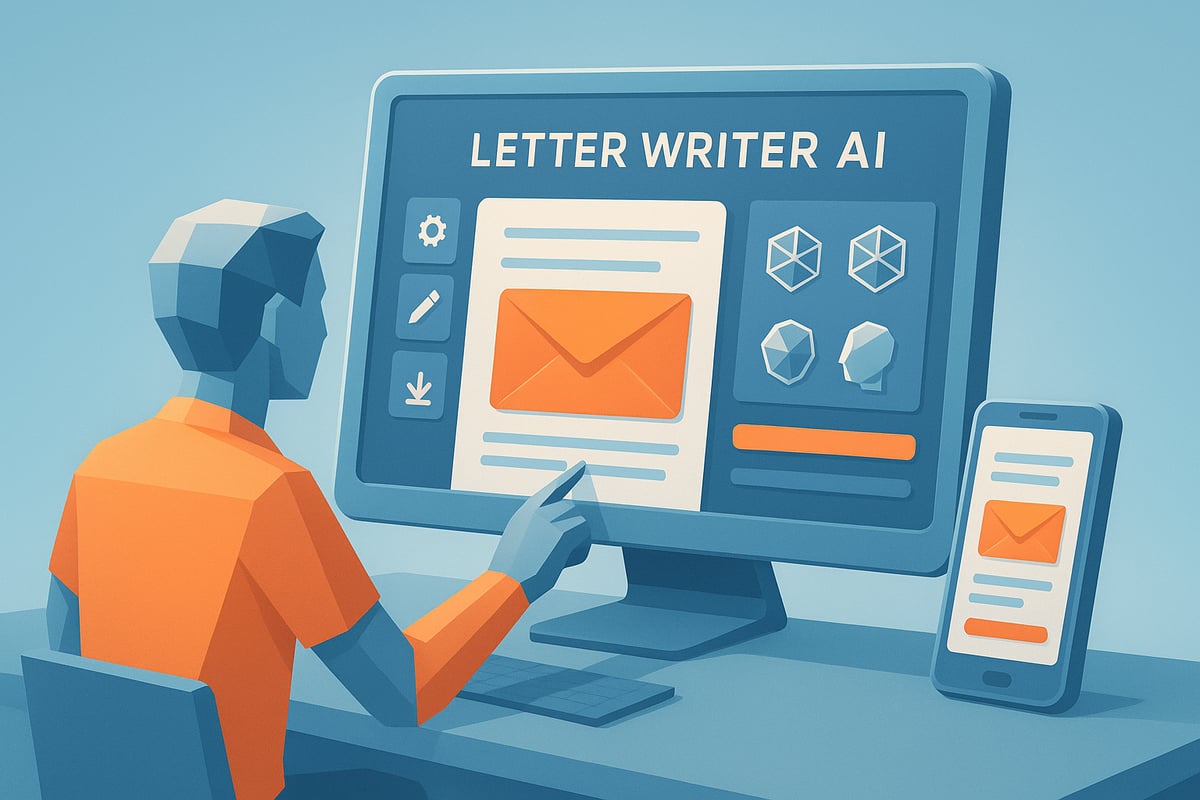
Once your platform is selected, fill in all required fields. Most letter writer ai tools prompt you for sender and recipient information, tone, urgency, and letter type.
Add custom instructions to fine-tune the output. Specify length, formality, topics to emphasize, or sensitive points to address.
Example prompt in code format:
Recipient: Jane Smith, HR Manager
Sender: Alex Lee, Applicant
Letter Type: Job Offer Acceptance
Tone: Professional, Warm
Include: Start date (March 1, 2026), salary details, gratitude for opportunity
Customizing prompts helps letter writer ai produce content tailored to your objectives and audience.
Step 4: Generate, Review, and Edit the Draft
After submitting your details, the letter writer ai will generate a draft in seconds. Carefully review the content for accuracy, tone, and completeness.
Use built-in tools to check:
- Grammar and spelling
- Plagiarism detection
- AI detection for originality
Edit the draft to add a personal touch, clarify key points, or adjust for cultural sensitivity. For instance, when sending a condolence letter, ensure the wording is empathetic and appropriate. Iterative editing makes the final result both authentic and effective.
Step 5: Export, Send, and Track Responses
When satisfied with your draft, use the platform’s export options. Letter writer ai platforms typically offer formats like TXT, DOC, PDF, and HTML.
Next, send your letter directly via integrated email or CRM tools, or download and attach it manually. Many platforms now include tracking features so you can monitor delivery, responses, and engagement.
For example, after sending a follow-up letter, you can review recipient read receipts and feedback. This data helps you refine future letters and measure the impact of your communication efforts.
By following these five steps, anyone can harness the full power of letter writer ai in 2026 for efficient, high-quality correspondence.
Privacy, Security, and Ethical Considerations When Using AI Letter Writers
The rapid adoption of letter writer ai in 2026 has transformed how individuals and organizations communicate. As these tools become more advanced, safeguarding privacy, security, and ethical standards is critical for every user. Understanding how letter writer ai manages your data, complies with regulations, and navigates ethical challenges ensures you can use these platforms with confidence.
Data Privacy and Security in Letter Writer AI
When you use letter writer ai, you often share sensitive information such as names, addresses, and confidential business details. Protecting this data is a top priority for reputable platforms. Encryption protocols and secure user authentication are now standard features, preventing unauthorized access or data leaks.
Many leading services provide transparency about how they store and process your data. For a detailed look at how advanced platforms address these concerns, see Data privacy and AI security. Regular audits, end-to-end encryption, and strict access controls help maintain user trust and minimize breaches.
Regulatory Compliance and User Trust
Letter writer ai platforms must comply with global regulations like GDPR, CCPA, and emerging AI-specific laws. Compliance means obtaining clear consent for data usage, offering users control over their information, and ensuring transparency in AI-generated content.
Legislation such as the California AI Transparency Act requires explicit labeling of AI-generated communications, which impacts how letter writer ai is used in professional and legal settings. These regulations aim to build trust by making AI-generated letters easily identifiable and ensuring accountability.
Ethical Guidelines and Human Oversight
Despite impressive advances, letter writer ai can still misinterpret context or deliver emotionally insensitive messages. Automated legal or HR letters, for example, may require careful review to avoid liability or misunderstandings.
Ethical use of letter writer ai involves:
- Reviewing AI-generated drafts for tone and accuracy
- Avoiding over-reliance for sensitive or high-stakes communication
- Disclosing AI assistance where required
Recent surveys reveal that user trust depends on both robust privacy policies and transparent, ethical practices. Manual review, encryption, and multi-factor authentication are recommended for anyone sending confidential or sensitive content using letter writer ai.
By following these guidelines, you ensure your use of letter writer ai is secure, compliant, and respectful of the recipient’s needs.
Expert Tips and Best Practices for Getting the Most from Letter Writer AI
Unlocking the full power of letter writer ai in 2026 requires more than simply generating text and sending it. To maximize efficiency, authenticity, and compliance, follow these expert-backed strategies. These best practices ensure your communications remain impactful, personal, and secure in an evolving digital landscape.
Provide Clear, Detailed Prompts
Start by giving letter writer ai precise instructions. Specify the recipient, context, tone, and purpose. The more information you provide, the better the AI can tailor the message.
- Include details like names, dates, and objectives.
- State the desired tone, such as formal, friendly, or persuasive.
- Highlight any sensitive topics or required attachments.
Clear prompts help the AI generate content that feels authentic and relevant. This reduces editing time and increases the chance of first-draft success.
Balance AI Suggestions With Human Oversight
While letter writer ai streamlines communication, always review and refine drafts. Human oversight ensures compliance, emotional nuance, and brand consistency.
- Edit for clarity and empathy, especially in sensitive situations.
- Use built-in grammar and plagiarism checkers for accuracy.
- Compare AI drafts to human-written letters for quality assurance.
A recent study on AI-assisted writing in academia found that thoughtful human review leads to higher satisfaction and improved outcomes, especially for complex or high-stakes letters.
Explore Model Settings and Templates
Leverage the flexibility of letter writer ai by choosing the right model and template for your needs. Modern platforms offer settings for creativity, formality, and even brand voice.
- Select models optimized for creativity, speed, or accuracy.
- Experiment with templates for various letter types.
- Adjust creativity sliders to match the desired style.
Using the right settings can save time and boost productivity. Many users report significant time savings when they match the AI's capabilities to the letter's purpose.
Learn and Improve Through Iteration
Treat letter writer ai as a collaborative tool. Review AI suggestions, make edits, and learn from the experience. Over time, you will develop a deeper understanding of prompt engineering and content refinement.
- Archive successful letters for future reference.
- Regularly review feedback and recipient responses.
- Stay informed about new features and regulatory changes.
As global regulations evolve, such as Spain's new AI-generated content labeling regulations, remain vigilant about compliance and ethical usage. Avoid over-reliance on automation for sensitive topics and always perform a final manual review.
Now that you’ve explored how AI letter writing is transforming communication, why not put these insights into action for your own career journey? With CareerConcierge io, you can access powerful AI tools designed to craft tailored resumes, cover letters, and more—all with the efficiency and personalization discussed in this guide Whether you’re ready to optimize your next job application or want to try out advanced letter writing features, it’s simple to take the next step You can Start for free and see just how much easier your job search can be with the right technology on your side