Letter Writing AI Guide: Master Effective Letters in 2025
Master letter writing in 2025 with the latest letter writing AI Learn top tools best practices and expert tips to craft effective personalized letters with ease
Imagine writing flawless, impactful letters in seconds with the help of letter writing ai. In 2026, this technology empowers anyone to craft polished correspondence, whether for business or personal needs.
This article explores how letter writing ai is transforming communication and how you can master effective letters using these innovative tools. We will cover the evolution of letter writing, review top AI solutions, share step-by-step guides, and provide proven best practices.
Ready to unlock the future of letter writing? Let’s discover how you can become a master communicator with the latest AI advancements.
The Evolution of Letter Writing: From Pen to AI
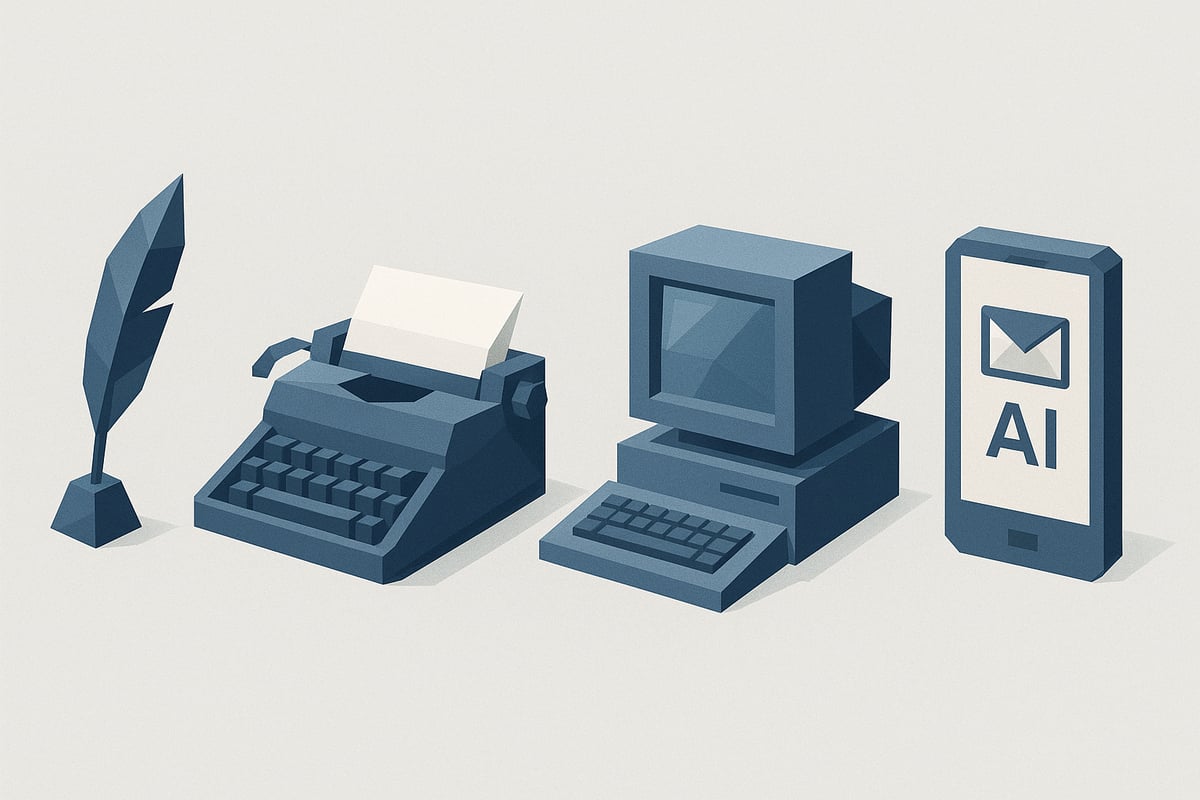
The way we communicate has transformed dramatically over the centuries. Letter writing began as a meticulous, handwritten craft, requiring time, patience, and careful attention to detail. The arrival of the typewriter in the 19th century marked a significant turning point, making correspondence faster and more legible. By the late 20th century, word processors and personal computers revolutionized the process further, allowing for easy editing and formatting. Email then emerged, ushering in a new era of instant digital communication. Today, letter writing ai represents the latest chapter in this ongoing evolution, building on every prior milestone to redefine how we write and connect.
As we entered the 2020s, letter writing ai began to reshape both personal and professional communication. AI-powered tools started as simple grammar checkers but quickly advanced to drafting entire letters based on user prompts. According to recent data, over 60% of professionals used AI for writing assistance by 2024, highlighting a major shift in workplace habits. The growing reliance on these tools reflects their ability to generate clear, concise, and effective correspondence in seconds. Whether for business proposals or heartfelt notes, letter writing ai has become an integral part of modern communication, streamlining tasks that once took hours.
The benefits of letter writing ai are substantial, making it accessible to a wider audience than ever before. AI accelerates the writing process, ensuring high levels of grammatical accuracy and reducing the time spent on revisions. Templates and customizable features mean users can produce anything from formal business letters to personalized invitations with ease. However, challenges remain. Some worry about authenticity, as AI-generated letters can feel impersonal if not carefully reviewed. Privacy concerns also arise when sensitive data is processed by external platforms. Over-reliance on automation may diminish individual writing skills, making a balanced approach essential.
Real-world examples demonstrate the rapid adoption and integration of letter writing ai into daily workflows. Tools like Grammarly and QuillBot have experienced remarkable growth, expanding from simple editing aids to comprehensive writing assistants embedded in browsers, desktops, and mobile devices. Businesses, educators, and individuals now depend on these platforms for efficient, high-quality communication. For a deeper look at the technology and its impact on modern correspondence, explore these AI letter writing insights. As the landscape continues to evolve, letter writing ai is poised to remain at the forefront of digital communication.
How Letter Writing AI Works: Understanding the Technology
Understanding how letter writing ai operates reveals why it is transforming communication in 2026. This technology combines advanced algorithms, intuitive features, and diverse capabilities to craft clear, effective correspondence tailored to each user's needs.
Core Algorithms and Machine Learning
At the heart of letter writing ai are Natural Language Processing (NLP) and Machine Learning (ML) systems. These technologies analyze language patterns, detect tone, and interpret the context behind your prompt.
Large language models, including GPT-based architectures, power most leading tools. They can generate drafts that reflect your intent, whether the message is formal or friendly. Continuous learning is built in, meaning the ai improves as it processes user feedback and corrections.
Privacy is a top concern. Many platforms encrypt your data and have strict policies to protect sensitive information. Despite near 95% accuracy in grammar and structure, human oversight remains essential to ensure the final message truly fits your unique voice.
Key Features of Modern AI Letter Writers
Modern letter writing ai platforms offer a suite of features designed for both efficiency and customization. Users can select the desired tone, from persuasive to casual, and choose from templates for business, academic, or personal letters.
Key features include:
- Real-time grammar and spell checking
- Personalization fields for names, addresses, and context
- Integration with popular word processors, browsers, and mobile devices
- Error detection with actionable suggestions
Some tools even provide headers, footers, and signature spaces for a polished finish. Accessibility is prioritized, with both free and premium options available for all user types. If you want to explore top no-cost options, check out Free AI letter writer tools for a comprehensive overview of what's available in 2026.
Types of Letters AI Can Generate
Letter writing ai is remarkably versatile, handling a wide range of correspondence types:
- Professional: cover letters, business proposals, resignation letters
- Academic: recommendation letters, applications, inquiries
- Personal: thank-you notes, apology letters, invitations
- Legal and government: cease and desist, information requests
- Custom: love letters, event invitations, customer complaints
For example, QuillBot can draft both a professional cover letter and a heartfelt apology note with only minor prompt adjustments. The ai adapts to user-specified needs, ensuring each letter is contextually appropriate.
However, manual editing is sometimes necessary, especially for highly sensitive or nuanced topics. Users should always review and personalize drafts to maintain authenticity and meet specific requirements. The flexibility of letter writing ai means it can serve nearly any scenario, but human input ensures the message feels genuine and effective.
Step-by-Step Guide: Writing Effective Letters with AI in 2026
Unlocking the full potential of letter writing ai in 2026 requires a strategic approach. Whether you are communicating in a corporate environment or reaching out personally, following a clear, actionable process ensures your messages are polished, impactful, and tailored to your goals.
Step 1: Define Your Purpose and Audience
Begin your letter writing ai journey by clarifying your goals. Ask yourself: What is the main objective—informing, persuading, or requesting action? Identifying your recipient is equally important. Are you writing to a business partner, a friend, or an academic institution?
Specificity leads to better results. For instance, a business proposal will use a different tone than a personal thank-you. When using letter writing ai, the more details you provide about your purpose and audience, the more personalized and relevant your letter will be.
Avoid vague prompts. Instead, specify the context, relationship, and desired outcome. For example, "Draft a formal offer letter for a new client in the tech industry" gives the AI clear direction. Aligning tone with your audience increases engagement. According to industry surveys, personalized letters have a 40 percent higher response rate, making this initial step critical for success.
Step 2: Choose the Right AI Letter Writing Tool
Selecting the best tool for your letter writing ai needs is essential. Compare leading platforms such as Grammarly, QuillBot, and Jasper based on ease of use, accuracy, customization, and integration capabilities.
| Tool | Ease of Use | Customization | Integrations | Free Tier |
|---|---|---|---|---|
| Grammarly | Excellent | High | Word, Email | Yes |
| QuillBot | Good | Medium | Chrome, Docs | Yes |
| Jasper | Very Good | Very High | Multiple | Limited |
Review user ratings and device compatibility. For example, Grammarly offers both a browser extension and a desktop app, making it accessible for various workflows. Security and privacy should also be top priorities, especially when handling sensitive information.
Consider your frequency of use and the types of letters you write most often. If you are preparing job applications, an AI for cover letter creation tool can streamline the process with tailored templates and suggestions. Evaluate options to ensure your chosen letter writing ai aligns with your needs.
Step 3: Input Key Details and Customize Prompts
To maximize the power of letter writing ai, input all relevant information. Start with the recipient's name, title, and contact details. Next, specify the tone—formal, friendly, persuasive—and clarify the intent of your message.
Context matters. Include key facts such as dates, company names, or project references. For example, when generating a cover letter, mention the job title and organization for a more targeted draft. Decide whether to use built-in templates or craft your own prompt from scratch.
When using letter writing ai, review the AI's suggestions for clarity and alignment with your objectives. Competitor insights show that more detailed prompts result in better drafts, but avoid overwhelming the AI with unnecessary information. Focus on relevance to keep your letter concise and effective.
Step 4: Review, Edit, and Personalize the AI Draft
Even with advanced letter writing ai, human review is vital. Carefully read the draft to catch subtle errors or awkward phrasing. Adjust the language to reflect your authentic voice and ensure the message resonates with your recipient.
Check formatting, including salutations, closings, and signature blocks. For example, if the AI generates a very formal letter, you might want to soften the tone for a warmer feel. Ensure compliance with professional or academic standards as needed.
Leverage built-in editing tools for grammar and style improvements. Remember, 80 percent of users refine AI-generated drafts before sending. Add a personal touch by including anecdotes or references unique to your relationship with the recipient. This step transforms a generic draft into a truly effective letter.
Step 5: Finalize and Send Your Letter
Before sending, proofread the final version for grammar, spelling, and tone. Export or copy your letter into the desired platform, whether it is email, print, or a messaging app. Add a digital or handwritten signature if appropriate.
Save successful templates for future use to streamline your workflow. Track responses and set reminders for follow-ups. Many letter writing ai tools offer integration with email clients, making it easy to send and archive correspondence.
For sensitive information, ensure your process complies with GDPR and other privacy regulations. Maintain organized records to support professional communication practices. Completing these final steps ensures your letter is polished and ready for delivery.
Best Practices for Mastering AI-Powered Letter Writing
Mastering letter writing ai in 2026 requires more than just generating text with a click. The most effective letters blend technology with personal insight, ethical awareness, and thoughtful customization. By following best practices, you can elevate every letter into a meaningful, authentic communication.

Crafting Prompts for Maximum Effectiveness
The quality of your prompt shapes the quality of your letter writing ai output. Start with a clear, concise goal: what do you want the letter to achieve? Always include essential details, such as recipient name, purpose, and desired tone.
For example, "Write a formal resignation letter for a software engineer at Google" yields a more tailored draft than a vague prompt. Adding context, such as project achievements or notice period, can further refine results. Consider using sample prompts from trusted platforms or reviewing AI-powered resume and letter tips for professional scenarios.
Iterate on your prompts. If the initial draft feels generic, give specific feedback or add more instructions. Research shows that detailed prompts improve satisfaction with letter writing ai by 30 percent. Balance detail with clarity, avoiding unnecessary information that could confuse the ai.
Ensuring Authenticity and Human Touch
While letter writing ai offers speed and accuracy, maintaining a personal voice is essential. Over-automation can lead to letters that feel robotic or impersonal. To counter this, always review the draft and add your unique touch.
Insert anecdotes or personal references to show genuine engagement. Customize salutations and closings, and avoid default sign-offs that the ai might suggest. For instance, instead of "Best regards," consider a sign-off that matches your relationship with the recipient.
Competitor advice often emphasizes reviewing and personalizing every ai-generated letter before sending. This ensures your communication feels authentic and builds stronger relationships. Remember, letter writing ai is a tool to enhance, not replace, your own voice and intent.
Addressing Privacy, Ethics, and AI Limitations
Using letter writing ai responsibly involves understanding privacy, ethical considerations, and the tool’s limitations. Always check how your chosen platform handles confidential information. Many ai tools use encryption and comply with data protection standards, but it is your duty to verify these safeguards.
Be transparent about ai assistance, especially in professional or academic contexts. Some situations, such as legal or emotionally sensitive letters, may require manual drafting to ensure appropriateness and confidentiality.
Plagiarism is another concern. Run originality checks, especially for academic letters. Remember, ai-generated content may struggle with nuanced or context-specific topics, so a thorough human review is necessary.
Stay updated on regulations like GDPR to ensure compliance when storing or sharing letters. Ultimately, users bear responsibility for the accuracy and appropriateness of every letter produced with letter writing ai.
AI Letter Writing for Different Audiences and Use Cases
AI is transforming how we approach correspondence, tailoring letter writing ai to meet diverse professional and personal needs. Whether you are advancing your career, pursuing academic goals, managing a business, or handling legal matters, specialized applications of letter writing ai can save time and boost effectiveness. Let us explore how different audiences can maximize value from this technology in 2026.
Professionals and Job Seekers
For professionals and job seekers, letter writing ai accelerates the creation of persuasive cover letters, networking emails, and follow-ups. By inputting job titles, company names, and specific achievements, users receive drafts tailored to their industry and goals.
- Tailored cover letters for different sectors
- Automated formatting for ATS compliance
- Suggested improvements based on job descriptions
A tech applicant, for example, can use letter writing ai to emphasize coding skills, while a marketing candidate highlights campaign results. According to industry reports, AI-optimized resumes and letters now achieve a 95% pass rate with applicant tracking systems. This efficiency means faster applications and more opportunities. Still, users must avoid generic outputs by personalizing each draft. Letter writing ai empowers professionals to stand out while saving precious time.
Students and Academics
Students and academics benefit from letter writing ai when crafting recommendation letters, scholarship applications, and academic inquiries. AI tools ensure the correct tone and structure required for academic correspondence. By specifying the recipient, purpose, and desired qualities, users receive drafts that meet institutional standards.
- Academic tone and structure templates
- Plagiarism detection and originality checks
- Integration with university submission systems
AI-generated letters can significantly reduce turnaround time for students. For example, a student applying for a scholarship can use letter writing ai to quickly generate a compelling draft, then refine it for authenticity. Research on AI's Impact on Academic Writing shows that these tools improve grammar and readability, supporting academic integrity when used responsibly. Customization and review remain crucial to ensure genuine, original content.
Business Owners and Entrepreneurs
Business owners and entrepreneurs rely on letter writing ai for a range of tasks, from proposals and customer communications to HR and support letters. These tools maintain brand voice and professionalism across every message.
- Ready-to-use templates for contracts and negotiations
- Automated customer response drafts
- Brand voice customization
For instance, an entrepreneur seeking a partnership can generate a proposal that aligns with both business goals and the recipient’s expectations. Studies indicate that companies using letter writing ai save over 10 hours per month on routine correspondence. By streamlining communication, business owners can focus on growth while ensuring every letter supports their brand and objectives.
Legal and Government Professionals
Legal and government professionals use letter writing ai to draft formal documents, such as cease and desist notices or information requests. These tools offer templates that comply with legal standards and jurisdictional requirements.
- Formal legal document templates
- Confidentiality and privacy safeguards
- Integration with document management systems
A lawyer, for example, can create an initial draft of a demand letter using letter writing ai, then review it for accuracy and compliance. Industry surveys reveal that 60% of legal professionals now incorporate AI into their draft processes. While automation speeds up document creation, human oversight remains essential for legal accuracy and sensitive content management.
Future Trends: The Next Generation of AI Letter Writing in 2026 and Beyond
2026 is shaping up to be a transformative year for letter writing ai. The technology is moving beyond simple drafting, evolving toward deeply personalized, emotionally intelligent communication. Integration, collaboration, and human oversight are now setting new standards for how we write and connect.
Enhanced Personalization and Emotional Intelligence
Letter writing ai is rapidly advancing in its ability to understand and replicate human emotions. Modern systems now analyze context, predict recipient reactions, and adjust tone accordingly. Imagine an AI that suggests softer language for sensitive topics or recommends a more assertive approach when needed.
Integration with CRM and HR systems is driving tailored communication at scale. Businesses can now send highly personalized letters that address specific customer needs or employee concerns, increasing engagement and response rates. For instance, letter writing ai can automatically adapt to multicultural contexts, ensuring messages are appropriate across different regions.
A recent report on AI Writing Tools Market Growth highlights the surge in demand for emotionally intelligent AI solutions. As these tools become more sophisticated, users benefit from dynamic suggestions that anticipate preferences and avoid over-personalization. The end result is communication that feels genuine, not robotic.
Seamless Integration Across Platforms and Devices
The future of letter writing ai is defined by its ability to work anywhere, anytime. AI letter writers are now embedded in email clients, messaging apps, and productivity platforms, making it easy to draft on mobile and finish on desktop. This flexibility supports fast-paced workflows and enhances productivity.
Voice-to-text and dictation features are becoming standard, allowing users to speak their thoughts and have letter writing ai transform them into polished, professional correspondence. Real-time collaboration lets teams co-author documents, track changes, and provide instant feedback.
Professionals are especially benefitting from these advances. According to recent industry data, 75 percent of users prefer AI tools that offer multi-platform support. As adoption grows, seamless integration is becoming a baseline expectation, especially among public relations professionals who are rapidly embracing generative AI, as reported in AI Adoption in Public Relations.
AI Collaboration and Human Oversight
Collaboration between humans and AI is redefining letter writing ai. Rather than replacing writers, AI serves as a co-author, offering suggestions for clarity, tone, and impact. Human-in-the-loop workflows ensure that every letter meets organizational standards and reflects personal voice.
Teams can now train letter writing ai on company-specific language, policies, and templates. This approach boosts consistency across all communications. The hybrid model also improves satisfaction, with studies showing that workflows combining AI and human review yield twice the positive feedback compared to fully automated solutions.
Accountability and traceability are crucial as regulations evolve. Future-ready letter writing ai platforms are focusing on transparency, allowing users to review AI-generated changes and maintain full control. This combination of innovation and oversight is setting the standard for trustworthy, effective communication in 2026.
As you’ve seen, mastering letter writing with AI isn’t just about saving time—it’s about making every word count, whether you’re reaching out to a potential employer or strengthening business connections. By leveraging cutting edge tools like CareerConcierge io, you gain access to tailored resumes, professional templates, and AI powered optimization to elevate your job search and correspondence. If you’re ready to apply what you’ve learned and take your communication to the next level, you can Get Started Free and experience firsthand how efficient, personalized letter writing can open new opportunities.