Top 10 Sales Executive Interview Questions for 2026 Success
Discover the top 10 sales executive interview questions for 2026 success. Prepare with expert strategies, industry insights, and actionable tips to stand out.

The sales landscape is changing fast as 2026 approaches. Success now depends on mastering the right sales executive interview questions. Are you prepared to showcase strategic thinking and adaptability in every answer?
This guide uncovers the top 10 sales executive interview questions you are likely to face in 2026. You will discover what interviewers seek, how to craft standout responses, and proven strategies to get ahead. Ready to secure your next role? Read on and take control of your interview success.
The Changing Role of Sales Executives in 2026
The sales executive role is undergoing rapid change as 2026 approaches. Shifts in technology, buyer expectations, and business models are redefining what it takes to succeed. To stay competitive, candidates must prepare for sales executive interview questions that reflect these new realities. Let us examine how the role is evolving and what candidates need to know.

Evolving Sales Landscapes and Technology
Technology is reshaping the sales landscape in 2026. Artificial intelligence, automation, and advanced CRM tools are now integral to sales processes. Top performers dedicate more time to relationship-building, as consultative, value-driven selling becomes the standard. Data-driven decision-making is a core expectation, influencing how sales strategies are built and executed.
For instance, digital transformation is streamlining both B2B and B2C sales cycles. Most organizations plan to increase investment in technology by 2026, making digital fluency essential. As a result, sales executive interview questions increasingly focus on your ability to leverage technology for results.
New Skills and Competencies Required
Modern sales executives must master a blend of strategic and interpersonal skills. Strategic account management, cross-functional collaboration, and proficiency with hybrid selling channels are crucial. Emotional intelligence, adaptability, and resilience are now baseline requirements.
Employers seek leaders who can coach teams through change and drive continuous learning. Upskilling is no longer optional. For a deeper dive into these evolving requirements, review the Top Skills to Look for in a Sales Executive. Expect sales executive interview questions to probe your readiness for ongoing transformation and leadership in dynamic environments.
What Employers Are Looking For in 2026
In 2026, employers want more than quota-hitters. They value candidates with strong business acumen and a focus on revenue growth. Familiarity with modern sales methodologies such as SPIN, Challenger, and MEDDIC is expected. Experience handling complex deals, long sales cycles, and multi-stakeholder environments is highly prized.
Executives who can balance new business acquisition with retention strategies stand out. Behavioral and situational competence is now a must, so sales executive interview questions increasingly explore your ability to think strategically and act decisively.
Why Interview Questions Are Evolving
The format of sales executive interview questions is changing to reflect the new demands of the role. Interviews now test strategic reasoning, not just tactical skills. Scenario-based and behavioral questions are more prominent, requiring candidates to demonstrate how they navigate real-world challenges.
Employers are integrating role-specific, technical, and leadership-focused questions to assess future readiness. Preparation is vital. By anticipating these changes, you can showcase the skills and mindset needed to excel as a sales executive in 2026.
How to Prepare for a Sales Executive Interview in 2026
Preparing for sales executive interview questions in 2026 requires a strategic approach. The expectations for candidates are higher, and interviewers look for readiness across multiple dimensions. Break your preparation into focused steps to maximize your impact.

Research the Company and Industry Trends
Start by immersing yourself in the company’s business model, recent news, and industry landscape. Interviewers expect candidates to address sales executive interview questions with tailored insights.
- Study the company’s annual reports, press releases, and leadership commentary.
- Analyze competitors and market shifts that could affect the company’s strategy.
- Reference recent product launches or market expansions in your responses.
Demonstrating your awareness of current trends and company initiatives will set you apart. Use data points or industry developments to reinforce your answers and show that you are future-focused.
Master Role-Specific Sales Methodologies and Tools
Sales executive interview questions often probe your familiarity with modern selling frameworks and technology stacks. Be ready to discuss your experience with tools like Salesforce, HubSpot, or other advanced CRM platforms.
- Review the company’s preferred sales methodologies, such as Challenger, SPIN, or MEDDIC.
- Prepare examples of how you have leveraged these frameworks to close deals.
- Highlight your ability to adapt to new software and automate workflows.
Interviewers want to see that you can seamlessly integrate into their processes. Share stories where your technical skills directly contributed to pipeline growth or deal acceleration.
Practice Behavioral and Situational Responses
Behavioral and situational sales executive interview questions are designed to reveal your leadership, resilience, and problem-solving skills. Use the STAR method to structure your responses.
- Prepare stories about leading teams through change or overcoming setbacks.
- Focus on situations where you managed complex stakeholders or turned around underperforming territories.
- Quantify your impact with metrics, such as increased win rates or improved retention.
Practicing these responses in advance will help you communicate your value confidently and concisely during the interview.
Prepare Questions for the Interviewer
Asking insightful questions is crucial for standing out in sales executive interview questions. Show your curiosity about the company’s growth plans, sales enablement resources, and key performance indicators.
- Inquire about how the company measures sales success and supports executive development.
- Ask about upcoming product launches, go-to-market strategies, or cross-functional collaboration.
- Review an Essential interview preparation checklist to ensure you are fully equipped for every interview stage.
This proactive approach signals your strategic mindset and genuine interest in the role.
Top 10 Sales Executive Interview Questions for 2026 Success
Preparing for a sales executive interview in 2026 means facing a new generation of questions that dig deeper into your strategic thinking, adaptability, and leadership. The following listicle breaks down the top 10 sales executive interview questions that are shaping hiring decisions this year. Each question is designed to uncover the qualities that set top performers apart in a rapidly evolving sales landscape.
To help you navigate these, here’s a quick reference table summarizing each question and its focus area:
| Question Number | Focus Area |
|---|---|
| 1 | Account Planning & Segmentation |
| 2 | Consensus Building |
| 3 | Pipeline & Relationship Management |
| 4 | Sales Methodologies |
| 5 | Executive Pitch Preparation |
| 6 | Resilience & Recovery |
| 7 | Success Metrics |
| 8 | Negotiation & Value Communication |
| 9 | Coaching & Team Leadership |
| 10 | Technology & CRM Proficiency |
1. How do you approach a new sales territory or account list?
This is one of the most essential sales executive interview questions for 2026, probing your ability to strategize and prioritize. Interviewers want to understand how you assess market potential, segment opportunities, and plan your initial outreach.
Employers look for structured approaches, such as conducting a market analysis, identifying white space, and mapping out key accounts. They value candidates who can audit both active and dormant accounts, then prioritize high-potential leads based on data and opportunity size.
For example, you might describe how you used CRM analytics to segment your territory, identified industries with the highest growth, and created a 30-60-90 day plan to engage top prospects. Avoid vague or unstructured answers, as these signal a lack of preparation and strategic thinking. Mastering this question will set the tone for the rest of your sales executive interview questions.
2. Describe a time you closed a complex deal with multiple decision-makers.
Among sales executive interview questions, this one assesses your ability to navigate complex, multi-stakeholder environments. Employers want to see evidence of stakeholder mapping, consensus-building, and adaptability in your approach.
Highlight how you tailored your messaging to different decision-makers, collaborated internally, and managed objections from various departments. For instance, you might recount a deal where you coordinated with legal, finance, and IT teams to address technical, contractual, and budgetary concerns, ultimately gaining buy-in from all parties.
Successful candidates show they can orchestrate cross-functional teamwork and keep deals moving forward, even when faced with competing priorities. Use specifics and quantify the impact where possible to make your story memorable among other sales executive interview questions.
3. How do you balance hunting for new business with maintaining existing relationships?
This is one of the most revealing sales executive interview questions because it uncovers your approach to pipeline management and long-term client value. Interviewers want to see that you can effectively allocate your time between prospecting and nurturing.
Describe your use of CRM systems to schedule regular check-ins with key accounts, while also dedicating blocks of time for new outreach. Share examples, such as maintaining weekly status calls with existing clients and running targeted campaigns to attract new prospects.
Employers look for evidence that you use upsell and cross-sell tactics, and that you actively work to reduce churn. Balancing these activities demonstrates that you understand the importance of both acquisition and retention in achieving revenue goals—a core theme in many sales executive interview questions.
4. What sales methodologies or frameworks are you most comfortable using?
This is a staple among sales executive interview questions, as it reveals your process discipline and alignment with modern selling practices. Employers want to hear about your familiarity with frameworks like SPIN Selling, Challenger, or MEDDIC.
Discuss how you’ve applied these methodologies to qualify leads, uncover pain points, and close deals efficiently. For instance, you might explain how using MEDDIC helped you identify decision criteria and economic buyers in a high-value opportunity, increasing your win rate.
Link your experience to results—did applying a specific framework shorten your sales cycle or improve conversion rates? Being able to articulate your methodology fluently will set you apart in sales executive interview questions and demonstrate you are ready for a 2026 sales environment.
5. How do you prepare for a high-stakes pitch to senior buyers or committees?
With sales executive interview questions evolving, this one tests your executive communication and pitch strategy. Employers are interested in your research process, customization, and ability to handle objections from senior stakeholders.
Describe how you build tailored presentation decks, gather competitive intelligence, and rehearse with cross-functional teams. For example, you might collaborate with product and marketing to align messaging, or anticipate tough questions from procurement and C-level executives.
Highlight your experience in pre-meeting preparation, such as mapping out stakeholder interests and planning for follow-up. Mastery of this question demonstrates your readiness for the increasingly complex sales cycles found in 2026 sales executive interview questions.
6. Tell me about a time you failed to meet a sales target. How did you respond?
Resilience and self-awareness are at the heart of many sales executive interview questions. Interviewers want to hear an honest assessment of a setback, without deflecting blame, and a clear path to recovery.
Share a specific scenario, such as missing a quarterly target due to a delayed product launch. Walk through how you analyzed the root causes, sought feedback, and implemented new tactics—perhaps adjusting your pipeline review cadence or refining your qualification criteria.
The best responses show ownership, learning, and measurable improvement. Addressing failure constructively is a hallmark of high-performing sales leaders and is a frequent focus in sales executive interview questions.
7. How do you measure your success beyond hitting quotas?
Modern sales executive interview questions are designed to see if you align your goals with broader business outcomes. Employers want to know you value metrics like client retention, deal quality, and sales cycle efficiency, not just raw revenue.
Discuss how you track customer lifetime value, monitor churn rates, and assess deal profitability. For example, you might highlight your efforts to increase renewal rates or improve customer satisfaction scores through post-sale engagement.
Candidates who demonstrate a holistic view of success signal that they are future-ready and understand the bigger picture. This mindset is increasingly important in sales executive interview questions for 2026.
8. How do you handle a high-value client demanding an aggressive discount you can’t authorize?
Negotiation and value communication are central in sales executive interview questions. This scenario tests your ability to protect margins while maintaining strong client relationships.
Describe how you emphasize the unique value of your product or service, explore alternative offers, or bundle additional services rather than conceding price. If needed, explain your escalation process, involving management for creative solutions.
For instance, you might share a story where you negotiated a longer-term contract in exchange for better terms, or offered training as a value add. Employers want to see you can stand firm while keeping the client invested—a crucial skill highlighted in many sales executive interview questions.
9. How do you coach or support junior sales team members to win deals?
Leadership and mentorship are increasingly prominent in sales executive interview questions. Interviewers seek evidence that you can develop talent and build high-performing teams.
Detail your approach to process guidance, knowledge sharing, and ongoing support. Perhaps you led a workshop on negotiation techniques, or provided regular feedback sessions after ride-alongs.
Share a specific example, such as coaching a junior sales rep through a complex negotiation, resulting in a successful close and increased team confidence. Demonstrating this capability is vital for those aspiring to senior roles, as reflected in top sales executive interview questions.
10. How do you leverage technology and CRM systems to drive sales performance?
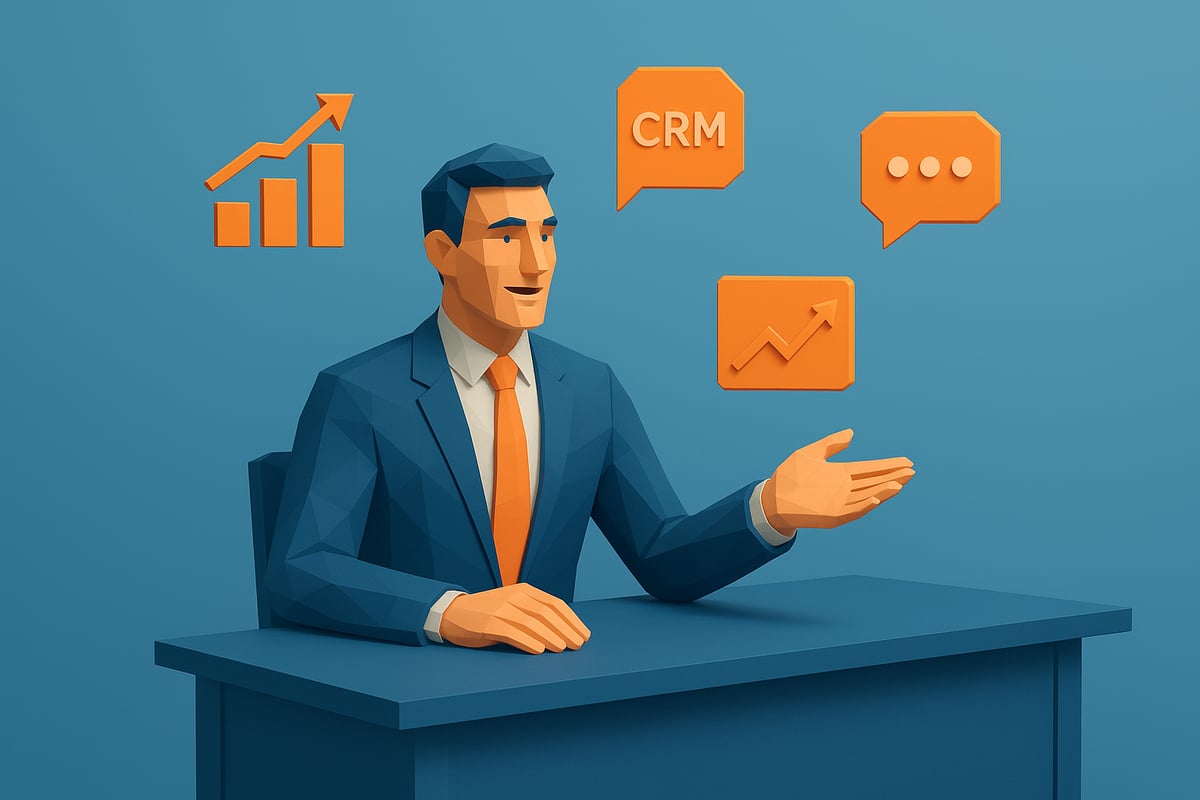
Digital fluency is now a must, making this one of the most relevant sales executive interview questions for 2026. Employers want to know how you use tools like Salesforce, HubSpot, or analytics dashboards to optimize sales processes.
Explain how you track pipeline health, forecast revenue, and refine outreach strategies using CRM data. For example, you might describe how you used automation to trigger follow-ups or analyze win/loss data to adjust your approach.
Candidates who can quantify the impact of their tech adoption—such as reducing manual entry or increasing forecast accuracy—stand out in sales executive interview questions. For more examples, review Common sales job interview questions to deepen your preparation.
Behavioral and Situational Interview Techniques for 2026
Excelling at sales executive interview questions in 2026 means mastering both behavioral and situational responses. Employers are seeking candidates who can showcase not only their achievements but also their decision-making in real-world scenarios. Understanding the nuances of these interview techniques is essential to stand out in a highly competitive market.

Why Behavioral Questions Matter
Behavioral questions have become a central focus of sales executive interview questions in 2026. These questions reveal how you respond under pressure and how you solve problems in real-world situations. Employers want to see evidence of resilience, adaptability, and leadership, not just hear about results.
The STAR method—Situation, Task, Action, Result—is a proven framework for structuring impactful responses. By using STAR, you can provide clear, concise answers that highlight your competencies. For more detailed guidance, explore these behavioral interview techniques and tips, which are especially valuable for sales executives preparing for the next step in their careers.
Mastering Situational Scenarios
Situational scenarios are a staple of sales executive interview questions in 2026. These questions often start with "What would you do if..." and test your ability to think quickly and strategically. Employers use these scenarios to assess your judgment, planning, and adaptability when faced with new or challenging circumstances.
For instance, you might be asked how you would revive an underperforming territory or respond to rapid changes in compliance. Reviewing Behavioral Interview Questions for Sales Executives in 2026 can help you anticipate the types of scenarios you may encounter and prepare strong, relevant examples.
Common Mistakes and How to Avoid Them
Many candidates falter during sales executive interview questions by providing generic or surface-level answers. Employers are looking for specifics, not generalities. Avoid the pitfall of externalizing blame for missed targets or challenges. Instead, take ownership and use data to support your claims.
A common mistake is failing to back up your stories with measurable outcomes. Always tie your answers to business impact, such as increased revenue or improved client retention. This approach demonstrates both accountability and a results-driven mindset to interviewers.
Tips for Standing Out
To differentiate yourself when answering sales executive interview questions, focus on demonstrating revenue thinking, not just activity. Highlight your ability to collaborate across functions and influence key stakeholders. Show how your leadership and problem-solving skills have driven business results.
Use every answer as a chance to showcase your consultative approach and strategic vision. Remember, the interview itself is your opportunity to sell your value—apply the same techniques you use with clients, such as active listening and tailored messaging, to win over your interviewers.
Pro Interview Preparation Tips for Sales Executives
Preparing for sales executive interview questions in 2026 requires more than just reviewing your resume. The interview landscape is changing, and candidates must use advanced strategies to stand out. Here are four expert tips to ensure you are ready for the toughest sales executive interview questions.
Leverage Role-Specific Assessments and Mock Interviews
One of the best ways to prepare for sales executive interview questions is to simulate the actual experience with mock interviews and role-specific assessments. Practice with executive-level sales scenarios, focusing on complex deal negotiations or multi-stakeholder presentations. Consider using Interview preparation strategies for freshers as a starting point for structured practice, even at the executive level.
- Record your responses and review for clarity and impact.
- Seek feedback from mentors or peers.
- Use online assessment tools to benchmark your skills.
Taking these proactive steps ensures you are comfortable with both behavioral and technical questions.
Stay Updated on Industry Innovations and Trends
Staying ahead of the curve is essential when answering sales executive interview questions. Employers expect candidates to be fluent in the latest sales technologies, methodologies, and market shifts. Referencing industry reports or thought leadership articles in your answers demonstrates your commitment to continuous learning.
Explore resources like Sales Trends 2026: 10 Shifts Reshaping B2B Sales Teams to stay current with AI advancements and evolving sales strategies.
- Follow top sales leaders on LinkedIn.
- Subscribe to industry newsletters.
- Attend webinars and virtual conferences.
This knowledge will help you deliver insightful, data-driven responses.
Build a Personal Brand That Reflects Modern Sales Leadership
Your personal brand should communicate your readiness for modern sales executive interview questions. Update your LinkedIn profile and resume to highlight digital transformation projects, cross-functional wins, and leadership in tech adoption.
- Showcase metrics-driven achievements.
- Highlight experience with CRM systems and sales enablement tools.
- Share thought leadership content or industry insights.
This proactive approach positions you as a future-ready sales leader, increasing your appeal to potential employers.
Network Strategically Before and After Interviews
Strategic networking is a powerful way to reinforce your responses to sales executive interview questions. Engage with company leaders and peers on platforms like LinkedIn before your interview.
- Participate in relevant industry groups.
- Comment on company updates and share thoughtful insights.
- Follow up post-interview with value-driven questions or feedback.
This not only demonstrates your genuine interest but also builds relationships that can set you apart from other candidates.
Now that you’ve explored the top sales executive interview questions and learned how to prepare for the changing demands of 2026, why not put your knowledge into action? You deserve a job search toolkit that’s as future focused as your ambitions. With CareerConcierge io you can craft a standout resume, build tailored cover letters, and sharpen your interview skills—all in one place. Boost your confidence and make every application count by leveraging AI powered tools and expert resources designed for today’s sales leaders. Take the next step toward your dream role and Get Started Free.