How to Ace a Phone Interview: Expert Tips for 2026
Master your next phone interview with proven strategies. Learn preparation techniques, communication tactics, and follow-up tips to land your dream job.
Phone interviews have become a standard screening method in 2026, serving as the critical first impression between job seekers and potential employers. Whether you're applying for a remote position or a traditional office role, mastering the phone interview is essential to advancing in the hiring process. Understanding how to ace a phone interview can be the difference between landing that second-round meeting and receiving a polite rejection email. This comprehensive guide will equip you with actionable strategies to excel during your next phone screening.
Understanding the Phone Interview Landscape in 2026
Phone interviews typically last between 15 and 30 minutes, during which recruiters assess your basic qualifications, communication skills, and cultural fit. These conversations serve as filters, helping companies narrow down their candidate pool before investing time in lengthier video or in-person interviews.
The modern phone interview has evolved significantly. Recruiters now conduct more targeted screenings, focusing on specific competencies and behavioral indicators. They're also more skilled at detecting candidates who are unprepared or simply reading scripted answers.
Why Phone Interviews Matter More Than Ever
Competition for quality positions has intensified across most industries. Hiring managers receive hundreds of applications for single openings, making the phone interview an efficient gatekeeping mechanism. Your performance during this brief conversation directly impacts whether you'll advance to more comprehensive interview rounds.
- First impressions are formed within the first three minutes
- Communication clarity becomes more critical without visual cues
- Preparation separates serious candidates from those simply exploring options
- Technical issues or distractions can immediately disqualify otherwise qualified applicants
Many job seekers underestimate phone interviews, viewing them as casual preliminary chats. Avoiding common telephone interview mistakes requires recognizing that these conversations demand the same professionalism as face-to-face meetings.
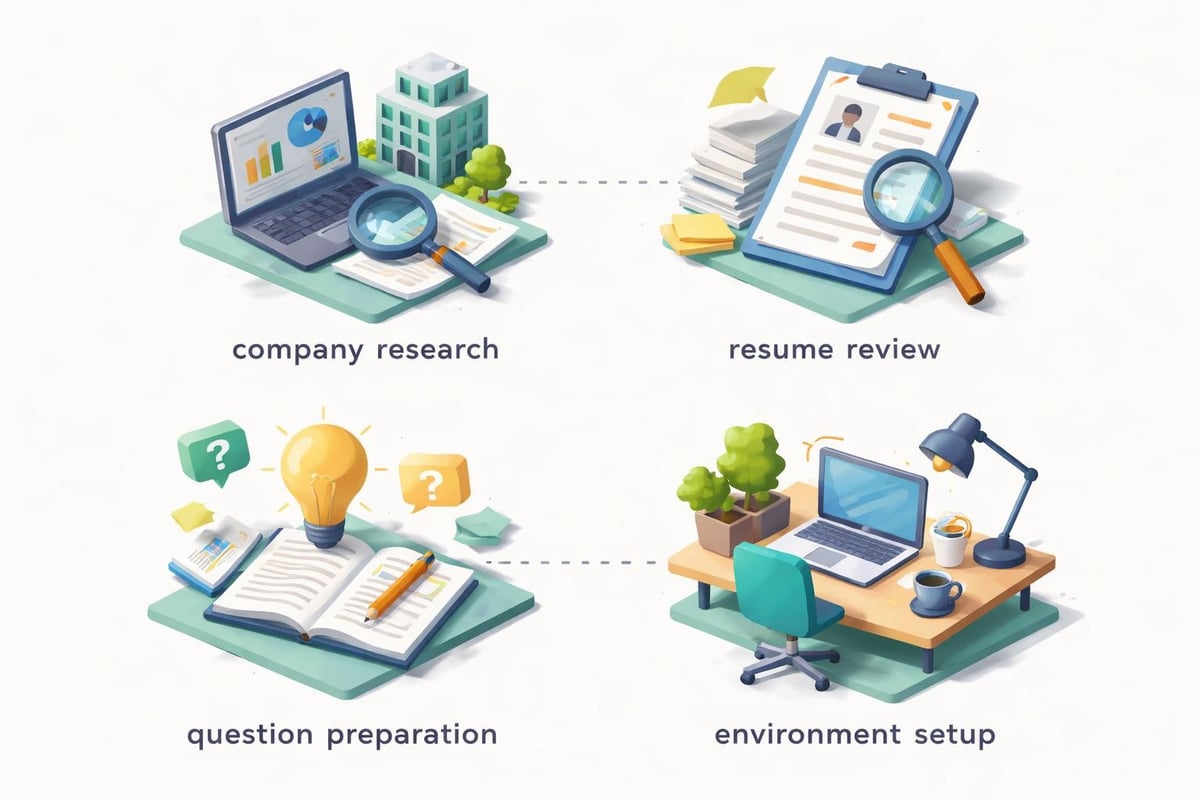
Essential Preparation Strategies
Learning how to ace a phone interview starts days before the actual conversation. Thorough preparation builds confidence and enables you to respond thoughtfully rather than scrambling for answers.
Research the Company and Role
Begin by thoroughly investigating the organization's mission, recent news, products, services, and company culture. Visit their website, read recent press releases, and explore their social media presence. Understanding their current challenges and initiatives allows you to position yourself as a solution to their specific needs.
Create a document containing:
- Key company facts and statistics
- Recent achievements or product launches
- Industry challenges they're likely facing
- Names and titles of interviewers (if known)
- Specific role requirements from the job description
Review Your Application Materials
Reread your resume and cover letter before the interview. Recruiters will reference specific experiences you've listed, and you need to expand on these points seamlessly. Identify 3-4 accomplishments that demonstrate your value proposition for this particular role.
The interview preparation tools at CareerConcierge.io can help you practice articulating your experiences in compelling ways that resonate with hiring managers.
Prepare Your STAR Stories
Behavioral questions dominate phone interviews. Structure your responses using the STAR method: Situation, Task, Action, Result. Prepare 5-6 stories that showcase different competencies such as leadership, problem-solving, teamwork, and conflict resolution.
| Competency | Situation Example | Result to Emphasize |
|---|---|---|
| Leadership | Led cross-functional project team | Delivered project 15% under budget |
| Problem-Solving | Identified process inefficiency | Reduced processing time by 30% |
| Adaptability | Managed unexpected client requirement change | Maintained client satisfaction score of 4.8/5 |
Creating the Perfect Interview Environment
Your physical environment significantly impacts how to ace a phone interview. Unlike video calls where interviewers can see your surroundings, phone conversations require you to control auditory distractions exclusively.
Optimize Your Space
Choose a quiet location where you won't be interrupted. Inform household members about your interview time. Silence all notifications on your phone and computer, as common interview mistakes include allowing technological distractions during the conversation.
- Close all unnecessary applications on your computer
- Turn off call waiting features
- Ensure your phone is fully charged or use a landline
- Have a backup phone number available in case of technical issues
- Test your phone connection in your chosen location beforehand
Gather Essential Materials
Organize these items within arm's reach before the interview begins:
- Printed resume and cover letter for easy reference
- Job description with key requirements highlighted
- Company research notes including recent news and initiatives
- Prepared questions to ask the interviewer
- Pen and notepad for taking notes during the conversation
- Glass of water to prevent voice strain
Having materials in physical form prevents the noisy keyboard clicks that occur when switching between digital documents during the call.
Mastering Communication Techniques
Since phone interviews eliminate visual communication, your voice becomes your primary tool for conveying enthusiasm, confidence, and professionalism. Understanding how to ace a phone interview requires developing specific vocal and communication strategies.
Project Confidence Through Your Voice
Standing up during phone interviews helps project energy and confidence in your voice. This physical position naturally opens your diaphragm, allowing for clearer articulation and more dynamic vocal expression.
Smile while speaking. Even though the interviewer cannot see you, smiling affects your vocal tone, making you sound more approachable and enthusiastic. Your energy translates through the phone line.
Practice Active Listening
Phone conversations require heightened listening skills since you cannot rely on visual cues to gauge the interviewer's reactions. Focus completely on what they're saying rather than planning your next response while they're still speaking.
- Take brief notes about key points mentioned
- Pause for one full second before responding to ensure they've finished speaking
- Ask clarifying questions if you don't fully understand what's being asked
- Avoid interrupting, even if you're excited about a topic

Answering Common Phone Interview Questions
Recruiters typically ask predictable questions during initial screenings. Preparing thoughtful responses demonstrates professionalism and genuine interest in the opportunity.
The Opening Questions
"Tell me about yourself" launches most phone interviews. Craft a concise 60-90 second narrative that highlights your professional background, key accomplishments, and why you're interested in this specific role. Structure your response chronologically or thematically, always connecting back to the position's requirements.
"Why are you interested in this position?" requires you to demonstrate knowledge about both the role and the company. Avoid generic responses about "great opportunities for growth." Instead, reference specific aspects of the job description or company mission that align with your career goals.
Addressing Qualification Questions
When discussing your experience and skills, quantify your achievements whenever possible. Instead of saying "I managed social media accounts," say "I managed five corporate social media channels, increasing engagement by 45% over six months."
For questions about skills you're still developing, be honest but frame your response positively. Explain your plan for acquiring that competency and provide examples of how you've quickly learned new skills in the past.
Handling Salary Expectations
Many job seekers struggle with salary discussions during phone interviews. If asked about compensation expectations early in the process, deflect politely: "I'm focusing on finding the right fit first. Once we've determined I'm the right candidate, I'm confident we can reach an agreement on compensation that reflects the value I'll bring to the role."
If pressed, provide a researched range based on industry standards for your location and experience level, always leaving room for negotiation.
Asking Strategic Questions
The questions you ask reveal your level of preparation and genuine interest in the position. Learning how to ace a phone interview includes understanding that your questions are as important as your answers.
Questions That Demonstrate Research
- "I saw your company recently launched [specific product/initiative]. How does this role contribute to that effort?"
- "Your mission statement emphasizes [specific value]. How does that value manifest in this department's daily work?"
- "I read about [recent company news]. How might that development impact the team I'd be joining?"
Questions About the Role
- "What does success look like for someone in this position after six months?"
- "What are the biggest challenges facing your team right now?"
- "Can you describe the team structure and who I'd be working with most closely?"
- "What's your timeline for filling this position?"
Avoid asking questions about benefits, vacation time, or remote work policies during the initial phone screen unless the interviewer brings these topics up first. Save detailed benefit discussions for later interview stages.
Managing Difficult Scenarios
Even with perfect preparation, unexpected challenges can arise during phone interviews. How you handle these situations demonstrates your professionalism and problem-solving abilities.
Technical Difficulties
If the connection becomes poor or drops entirely, don't panic. Call back immediately and apologize briefly without dwelling on the issue. Keep a backup phone number available and suggest switching to that line if problems persist.
If you genuinely cannot hear the interviewer clearly, say so politely: "I apologize, but I'm having trouble hearing you clearly. Could you please repeat the question?" Better to ask for clarification than to answer the wrong question.
When You Don't Know an Answer
Never try to fake knowledge you don't possess. If asked about a skill or technology you're unfamiliar with, respond honestly: "I haven't worked with that specific tool, but I have experience with [related technology], and I'm a quick learner when it comes to new systems."
For questions requiring information you don't have available, offer to follow up: "That's an excellent question. I'd like to provide you with accurate information rather than estimating. May I research that and send you the details later today?"
Handling Behavioral Red Flags
If the interviewer describes concerning workplace dynamics or unrealistic expectations, don't ignore these warning signs. Ask diplomatic follow-up questions to gain clarity while remaining professional. Remember that interviews work both ways-you're also evaluating whether this opportunity aligns with your career goals.
Post-Interview Follow-Up
Your work isn't finished when the phone call ends. Strategic follow-up reinforces your interest and keeps you top-of-mind among other candidates.
Send a Thank-You Email Within 24 Hours
Craft a personalized message referencing specific topics discussed during your conversation. Avoid generic templates that could apply to any interview. Instead, mention particular challenges the interviewer described and briefly reiterate how your skills address those needs.
Keep your thank-you note concise-three to four paragraphs maximum. Include:
- Appreciation for their time and the conversation
- A reference to a specific topic discussed that excited you
- A brief reinforcement of why you're an excellent fit
- A statement about looking forward to next steps
Deliver Any Promised Materials
If you agreed to send additional information-work samples, references, or answers to questions you couldn't address during the call-prioritize this task immediately. Delivering on promises demonstrates reliability and genuine interest.
Common Mistakes to Avoid
Understanding how to ace a phone interview also means recognizing behaviors that undermine your candidacy. Maintaining best phone interview practices requires avoiding these critical errors.
Preparation Failures
Never schedule a phone interview when you cannot give it complete attention. Attempting to interview while commuting, working, or managing other responsibilities shows disrespect for the interviewer's time and drastically reduces your performance quality.
Failing to research the company represents another common mistake. Asking questions easily answered by visiting their website signals lack of genuine interest. Resources like Big Interview emphasize creating a distraction-free environment as foundational to interview success.
Communication Errors
Speaking too quickly, using excessive filler words (um, like, you know), or rambling without clear points all detract from your professional image. Practice your responses beforehand, timing yourself to ensure concise yet complete answers.
Negativity about current or former employers immediately raises red flags. Even if you're leaving a genuinely toxic situation, frame your reasons for seeking new opportunities positively, focusing on what you want to move toward rather than what you're escaping.
Follow-Up Missteps
Sending multiple follow-up emails asking about timeline updates appears desperate and pushy. After your initial thank-you note, wait until any timeline the interviewer provided has passed before reaching out for a status update.
Conversely, failing to send any follow-up communication suggests lack of interest. Even if you've decided the role isn't right for you, professional courtesy demands a thank-you note.
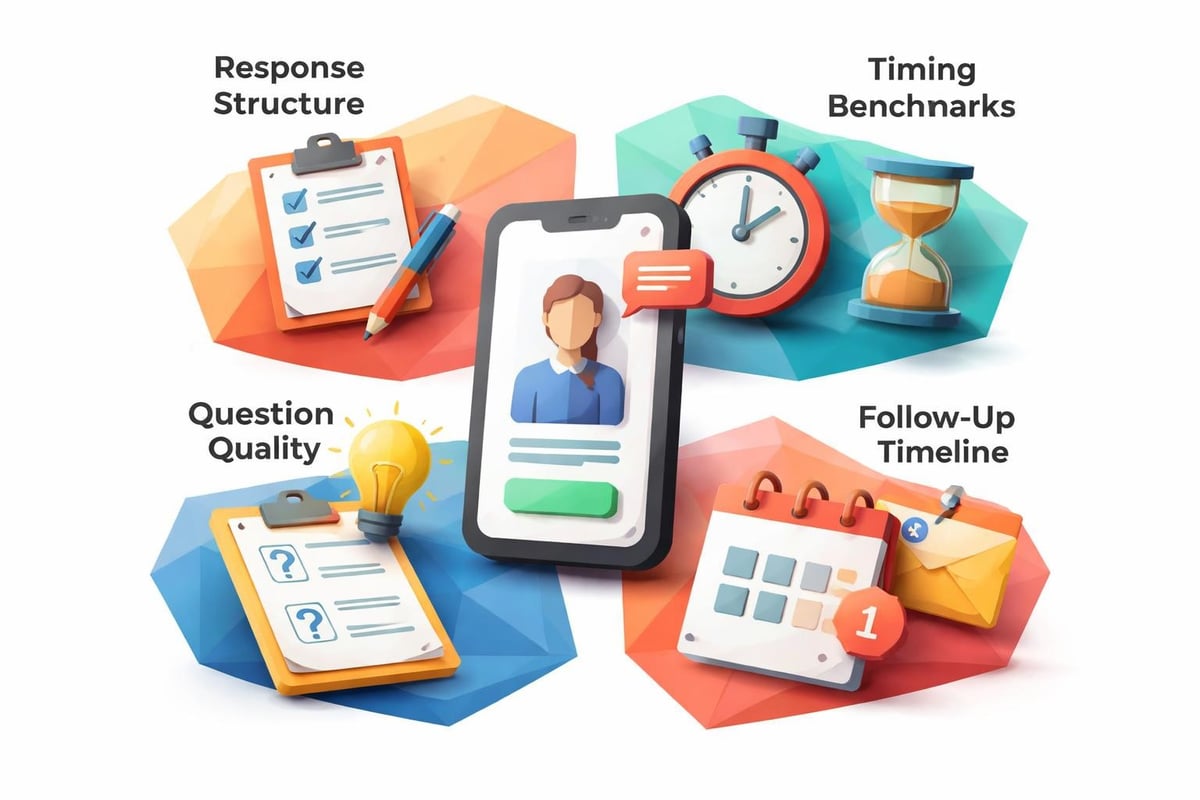
Leveraging Technology for Practice
In 2026, numerous tools help job seekers practice and refine their phone interview skills. CareerConcierge.io's comprehensive interview preparation features provide AI-powered practice sessions that simulate real interview scenarios, offering feedback on response quality and delivery.
Mock Interview Practice
Conduct practice sessions with trusted colleagues, mentors, or professional coaches. Record these conversations and listen critically to identify areas for improvement. Pay attention to:
- Pace and clarity of your speech
- Use of filler words
- Length and structure of responses
- Enthusiasm and energy in your voice
- How well you answer unexpected questions
Refining Your Elevator Pitch
Your response to "Tell me about yourself" serves as your professional elevator pitch. Perfect this 60-90 second introduction through repeated practice. Understanding various interview formats helps you adapt this pitch to different screening scenarios.
Industry-Specific Considerations
Different industries emphasize different qualities during phone screenings. Tailoring your approach to sector-specific expectations enhances your success rate.
Technical Roles
For positions in technology, data, or engineering, expect questions assessing technical knowledge even during phone screenings. Be prepared to discuss specific technologies, methodologies, or frameworks mentioned in the job description. Review common technical interview questions relevant to your field.
Customer-Facing Positions
Phone manner becomes especially critical when interviewing for sales, customer service, or client relations roles. Your phone interview performance directly demonstrates the skills you'll use daily in the job. Employers assess your communication style, warmth, and ability to build rapport quickly.
Management and Leadership Roles
Phone screenings for management positions focus heavily on leadership philosophy, team-building experience, and strategic thinking. Prepare examples demonstrating how you've developed talent, managed conflict, and driven results through others.
Building Confidence Through Preparation
Mastering how to ace a phone interview ultimately comes down to preparation and practice. The more thoroughly you prepare, the more confident you'll feel, and confidence translates directly into stronger interview performance.
Create a pre-interview ritual that helps you enter the right mindset. This might include reviewing your accomplishment stories, doing vocal warm-up exercises, or reading your personal mission statement. Developing consistent preparation habits reduces anxiety and ensures you show up as your best professional self.
Remember that phone interviews represent just one step in the hiring process. Even excellent candidates occasionally have off days or encounter interviewers with whom they don't click. Learning from each experience, whether successful or not, strengthens your skills for future opportunities.
Top recruiters emphasize that taking advantage of being unseen during phone interviews allows you to reference notes and materials freely-a significant advantage over in-person meetings when used strategically.
Timing and Logistics Management
Professional handling of scheduling and timing details demonstrates organizational skills and respect for others' time.
Schedule Strategically
When offered multiple time slots, choose one when you're naturally most alert and energetic. For most people, this means mid-morning or early afternoon rather than first thing in the morning or end of day.
Confirm the interview details 24 hours in advance, including the exact time, expected duration, and who will be calling whom. Clarifying these logistics prevents awkward confusion when the interview time arrives.
Arrive Early (Virtually)
Be ready and in position five minutes before the scheduled call time. If the interviewer is calling you, ensure your phone is on and volume is adequate. If you're calling them, have the number ready to dial at the exact scheduled minute.
Starting punctually shows respect and professionalism. Similarly, being mindful of time during the conversation demonstrates consideration. If the interviewer schedules 30 minutes and you approach that limit, acknowledge it: "I see we're coming up on our scheduled time. I'm happy to continue if you have availability, or we can schedule a follow-up conversation."
Mastering phone interviews requires combining thorough preparation, professional communication skills, and strategic follow-up. By implementing these techniques, you'll significantly improve your ability to advance past initial screenings into more substantive interview rounds. When you're ready to take your job search to the next level, CareerConcierge.io provides AI-powered tools for resume optimization, interview preparation, and comprehensive application support-everything you need to land your dream role in 2026's competitive job market.